Health Benefits of Gem Squash
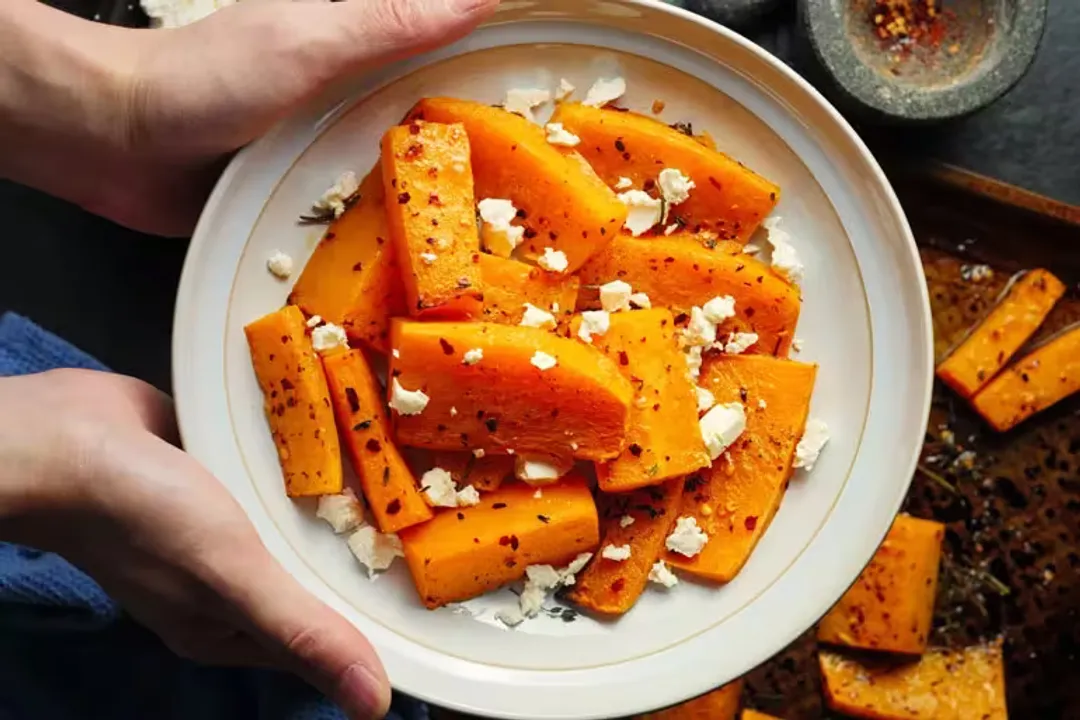
Gem squash, that small, round green member of the summer squash family, often sits quietly in the produce aisle, overshadowed by the sprawling butternut or the familiar zucchini. Yet, this variety, which has roots tracing back to Southern Africa, packs a nutritional punch well worth noticing for anyone focused on their well-being. [3][4] While many people associate squash strictly with the sweetness of autumn, the Gem offers a milder, slightly nutty profile that lends itself to a surprising array of healthy applications across the entire year. [3] Botanically, like its cousins, squash is technically a fruit because it develops from a flower and contains seeds, but nutritionally it delivers the dense benefits we typically seek from vegetables. [2][5]
# Rich Content
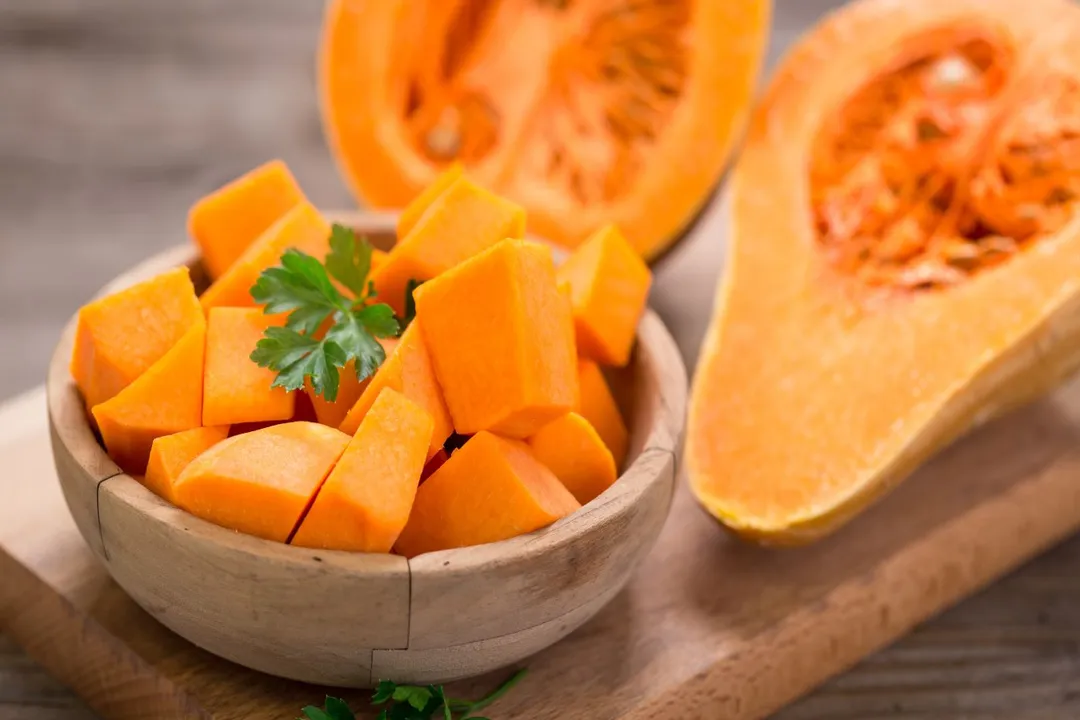
Taking a closer look at what a standard serving of Gem Squash provides reveals why it deserves more frequent rotation in your meals. [4] For those monitoring caloric intake, Gem Squash is exceptionally light; 100 grams can contain as little as 35 to 40 calories. [3][4] This low-calorie density is paired with being naturally fat-free and low in sodium, making it an immediate win for heart-conscious eating plans. [3]
The macronutrient breakdown shows that the majority of its calories come from carbohydrates, which is expected, but it’s the type of carbohydrate and the accompanying micronutrients that matter most. [3] A 100-gram serving contains roughly 10.0 grams of carbohydrates, but crucially, it is also rich in dietary fiber, often providing around 3.6 grams per cup serving. [3] This balance positions it well for diets requiring careful management of sugar spikes. [3]
When we examine the micronutrient load, Gem Squash stands out as a source of essential vitamins and minerals. [4] It delivers significant amounts of Vitamin C and Vitamin B6, alongside Vitamin A (often through its precursor, beta-carotene), folate, potassium, magnesium, and iron. [1][3][4] Its suitability for diverse eating patterns is clear; it is appropriate for vegan, vegetarian, and gluten-free diets, and due to its moderate carb count (about 3.5 grams of net carbs per 100 grams), it can even be incorporated into many ketogenic eating plans when measured appropriately. [3]
# Cell Defense
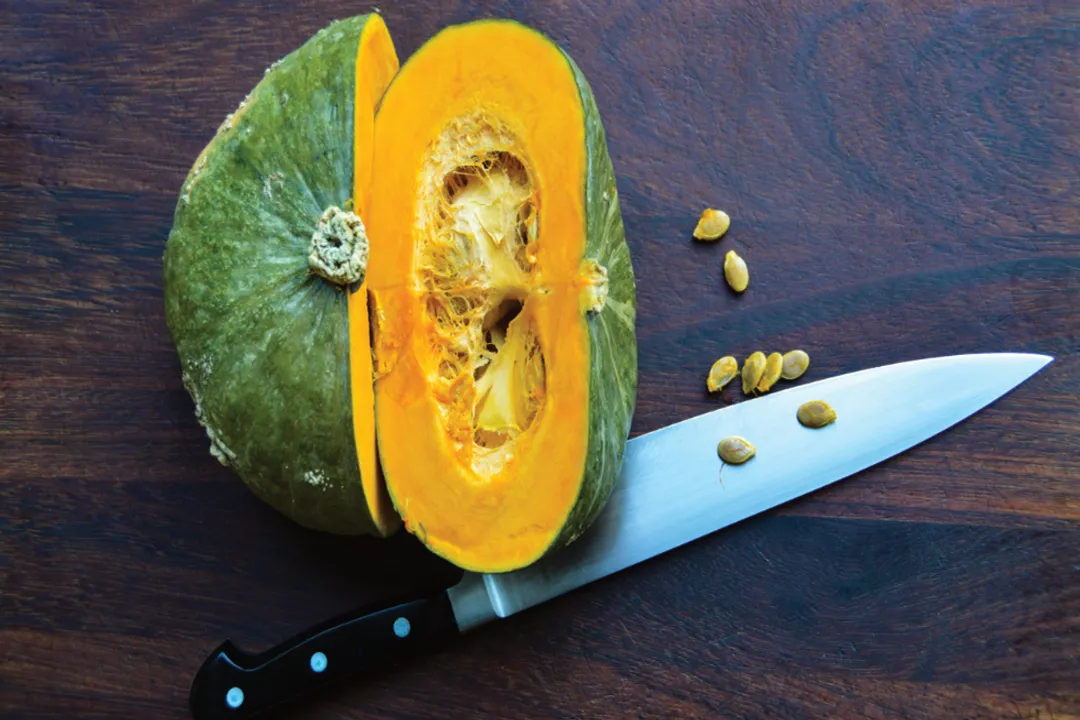
The vibrant color of many squashes, including the slight orange hue of the Gem's cooked interior, signals a high presence of carotenoids, like beta-carotene. [1][4] In the body, beta-carotene functions as a provitamin A carotenoid, meaning your body converts it into active Vitamin A, which is fundamental for good eye health, immune system regulation, and proper bone structure. [1]
Both Vitamin A and Vitamin C are recognized as potent antioxidants. [1] Antioxidants work by protecting your cells from harm caused by unstable molecules known as free radicals. [2][5] These free radicals are naturally created when the body converts food into energy, or they can result from environmental exposure. [2] When free radicals accumulate, they cause oxidative stress, which is the foundational mechanism that can lead to the development of chronic ailments like certain cancers and heart disease. [2][5] By consuming foods rich in these compounds, like Gem Squash, you are adding a layer of defense against this cellular damage. [2]
Furthermore, the Vitamin C content is not just about defense; it actively supports tissue repair and skin health. [5] Studies suggest Vitamin C intake is linked to preventing cataracts and aiding in wound healing, while beta-carotene may offer protection to the skin against UV light exposure. [2][5]
# Fiber Focus
Digestive health is a key area where Gem Squash excels, largely due to its fiber contribution. [4] Dietary fiber is essential for keeping bodily systems moving smoothly, and many individuals fall short of their daily recommended intake. The high fiber content in Gem Squash helps combat this deficit, supporting consistent, healthy digestion. [1][3]
Beyond regularity, fiber plays a role in satiety—it helps you feel full for a longer duration, which is a significant advantage for those focused on weight management or controlling their appetite throughout the day. [1][4] Furthermore, fiber contributes to maintaining more stable blood sugar levels, preventing the sharp peaks and valleys in glucose that can lead to energy crashes. [3][5] It’s worth remembering that winter squashes are known to be high in fiber, and while Gem Squash is a summer variety, it still offers this important component for metabolic balance.
# Body Systems
The array of minerals found in this squash directly benefits several major organ systems. Potassium, present in Gem Squash, is well-known for its role in cardiovascular function, specifically by assisting in the regulation of blood pressure, which in turn supports better heart health. [1][2] The antioxidants, particularly beta-carotene, have also been associated with a reduced risk of heart disease in population studies. [2]
For skeletal strength, squash provides calcium and magnesium. [1][2] Magnesium is a mineral critical for hundreds of bodily processes, including maintaining a stable heart rhythm and even supporting energy levels. [2] Vitamin A, derived from beta-carotene, is also necessary for maintaining healthy bones, as deficiency has been linked to an increased risk of fractures. [2] If you are looking to boost your energy production and support healthy red blood cell formation, the presence of B vitamins, including folate, in Gem Squash contributes to these necessary internal functions. [1] Additionally, the iron content is helpful in preventing anemia and alleviating fatigue, especially during menstruation. [2]
# Kitchen Versatility
One of the vegetable's most appealing characteristics is how easily it adapts to different cooking methods and flavor profiles. [4] Gem Squash is inherently mild, meaning it rarely dominates a dish, acting instead as a wonderful carrier for herbs, spices, and richer fillings. [3] It can be steamed, roasted, mashed, or used as a base for soups. [3][4]
When roasting, many of the associated nutrients, such as the carotenoids, are fat-soluble, meaning they are absorbed much better when paired with a healthy fat source. [7] Therefore, a simple toss with olive oil, salt, and pepper before roasting optimizes the benefit of the Vitamin A precursors, far surpassing the absorption from simply eating it steamed on its own. [7]
Gem Squash’s firm texture and mildness allow it to be used as a substitute for other starchy items, though it differs notably from its winter cousins. For example, butternut squash, which is generally sweeter and starchier, is often cubed and roasted or pureed into baked goods. [1] Gem Squash, however, shines in savory preparations where you might otherwise use a potato or a less flavorful vegetable. Consider halving and baking it, then filling the cavity with a mixture of lean ground meat, sautéed vegetables, and herbs for a complete, low-carb meal. [3] This preparation contrasts nicely with the sweeter suggestions often made for butternut, like using it in pies or sweet muffins. [1] This mildness is a genuine advantage; one small analysis of squash preparation suggests that Gem squash’s firmer texture and less dominant flavor make it a superior foundational ingredient when the main goal is savory integration, allowing the accompanying spices or proteins to truly define the dish. [3]
# Simple Integration
Managing Gem Squash availability and use is straightforward, which adds to its appeal for regular consumption. [3] For an uncut squash, you can typically store the whole item in a cool, dry area for up to a month, offering excellent shelf stability. [3] Once you slice into it, aim to use the remnants within three to five days, keeping them refrigerated in an airtight container. [3]
Thinking ahead about nutrition absorption is a simple, high-impact change for maximizing benefits. Because the powerful fat-soluble compounds like beta-carotene need fat for optimal uptake, try incorporating a small sprinkle of toasted seeds or a light drizzle of avocado oil dressing on your leftovers the next day—this ensures you continue to draw maximum benefit from the vitamins even when eating it cold. This proactive approach transforms the vegetable from a simple side dish into a consistently supportive element of your diet. [7] By choosing Gem Squash regularly, you are consistently supporting your immune defenses, aiding digestion, and fortifying your body against oxidative stress with very few calories consumed. [1][4]
Related Questions
#Citations
Why you should eat gem squash more often | Bona Magazine
6 Health Benefits of Squash
Gem squash Nutrition - SnapCalorie
Health Benefits of Squash - WebMD
The Benefits of Squash, According to a Registered Dietitian - Nike
5 Reasons to Eat More Squash | Hartford HealthCare
Butternut Squash: Nutrition, Benefits, and Uses - Healthline