Health Benefits of Yellow Onion
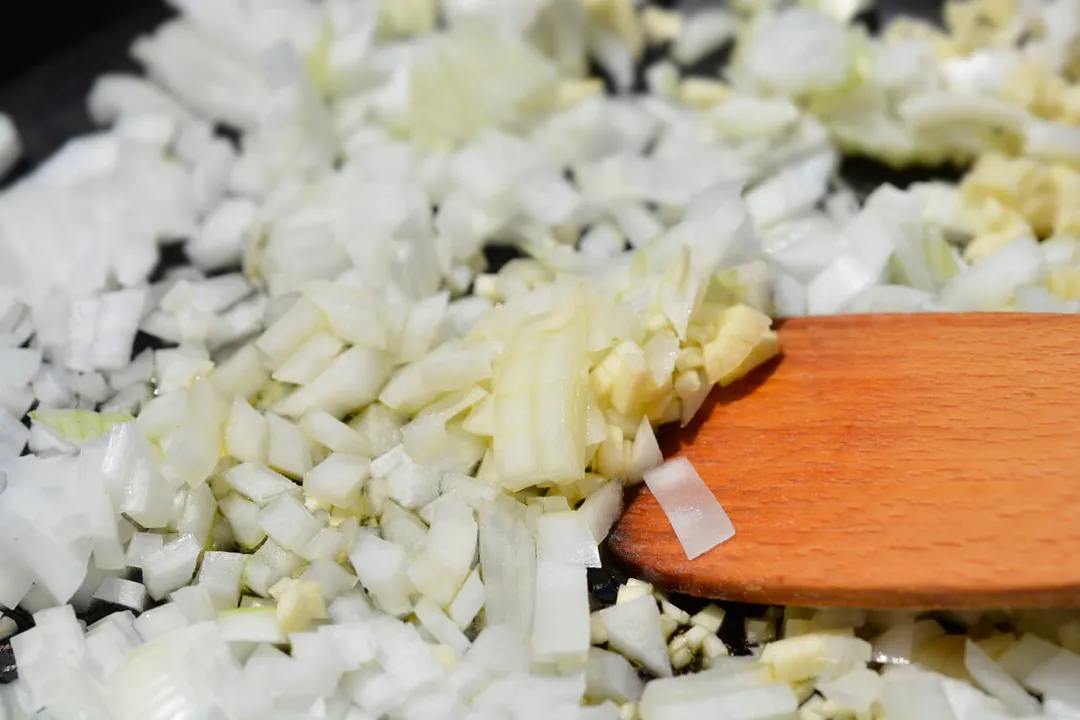
The yellow onion, a humble foundation in countless culinary traditions across the globe, is far more than just a source of pungent flavor and tearful preparation; it is a powerhouse of nutrition woven into the fabric of daily cooking. Belonging to the Allium genus, which also includes garlic, leeks, and chives, this root vegetable has been recognized for centuries for its medicinal properties. While hundreds of varieties exist, the common yellow onion, characterized by its sharp taste when raw, transforms into a naturally sweet ingredient once subjected to heat, making it the go-to choice for general cooking applications. Analyzing its makeup reveals why its inclusion in the diet, whether raw or cooked, warrants close attention for anyone seeking dietary wellness.
# Core Nutrition
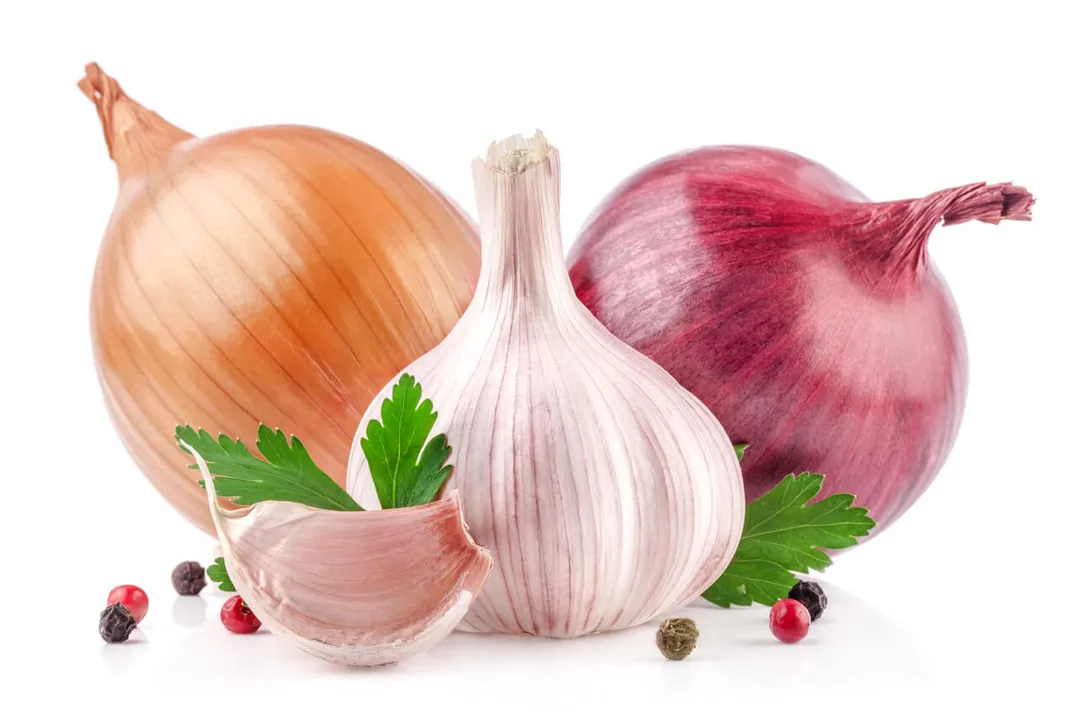
Onions are remarkably nutrient-dense, offering a substantial contribution to health without demanding a high caloric intake. A standard medium onion, weighing approximately 110 grams, typically contains only around 44 calories. This low-calorie density is paired with beneficial macronutrients and micronutrients. For instance, a 110-gram portion delivers roughly 10 to 11 grams of carbohydrates, about 1.8 to 3 grams of dietary fiber, and a small amount of protein. Crucially, they contain virtually no fat or cholesterol.
Beyond the basic building blocks, onions pack essential vitamins and minerals. They are notable sources of Vitamin C, which supports immune function and aids in collagen production. They also supply B vitamins, such as folate and Vitamin B6, important for metabolism and nerve function. Minerals such as potassium, vital for fluid balance and muscle contraction, and manganese, which contributes to bone health and connective tissue support, are present in good measure. The yellow variety, in particular, is often cited for having a higher fiber count compared to white onions in some analyses.
# Potent Antioxidants
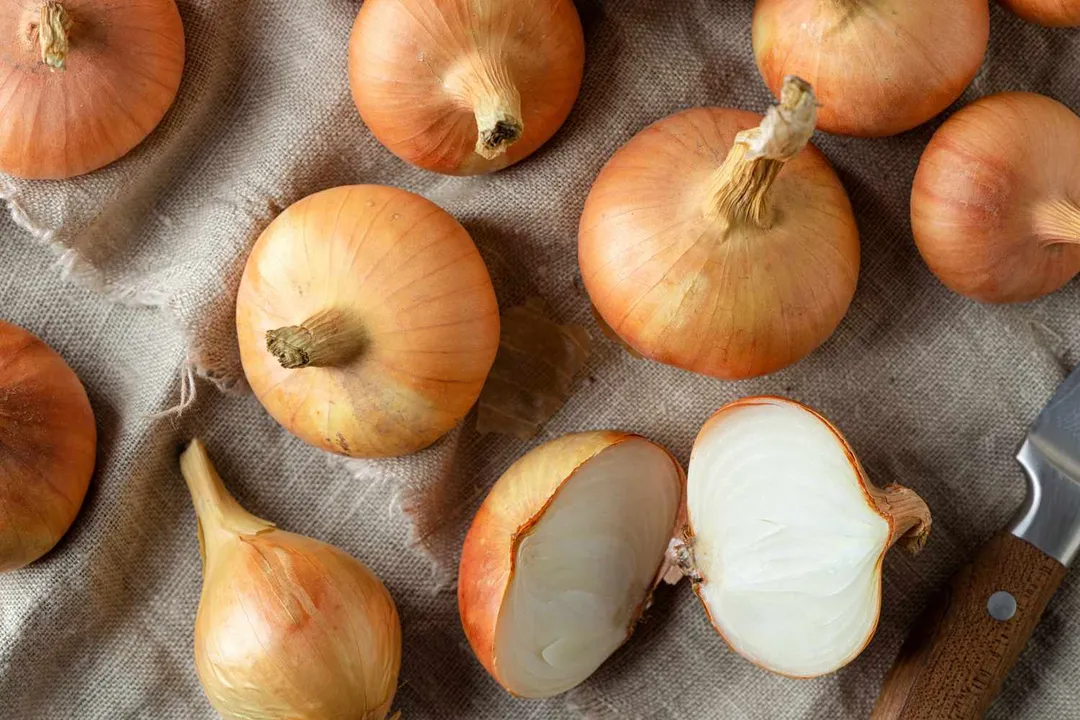
The true medicinal merit of the onion lies in its array of bioactive plant compounds, particularly its antioxidants. Onions contain over 25 different identified flavonoids—a larger spectrum than many other vegetables. These compounds combat free radicals, the unstable molecules that contribute to cellular damage, inflammation, and the progression of chronic conditions like cancer, diabetes, and heart disease.
The most frequently cited flavonoid is quercetin, a compound lauded for its powerful anti-inflammatory and antioxidant capacities. Another significant group of flavonoids present are anthocyanins, which lend red and purple hues to certain onion varieties. While red onions boast higher anthocyanin counts, yellow onions still contain significant levels of quercetin, making them a valuable dietary source.
One interesting consideration for maximizing nutritional intake is where these beneficial compounds reside. Research indicates that the outer layers of the onion bulb possess the highest concentration of flavonoids. This suggests that the act of peeling should be approached with mindfulness; while the papery skin must go, removing too many layers beneath it means discarding the most potent parts of the vegetable.
# System Support
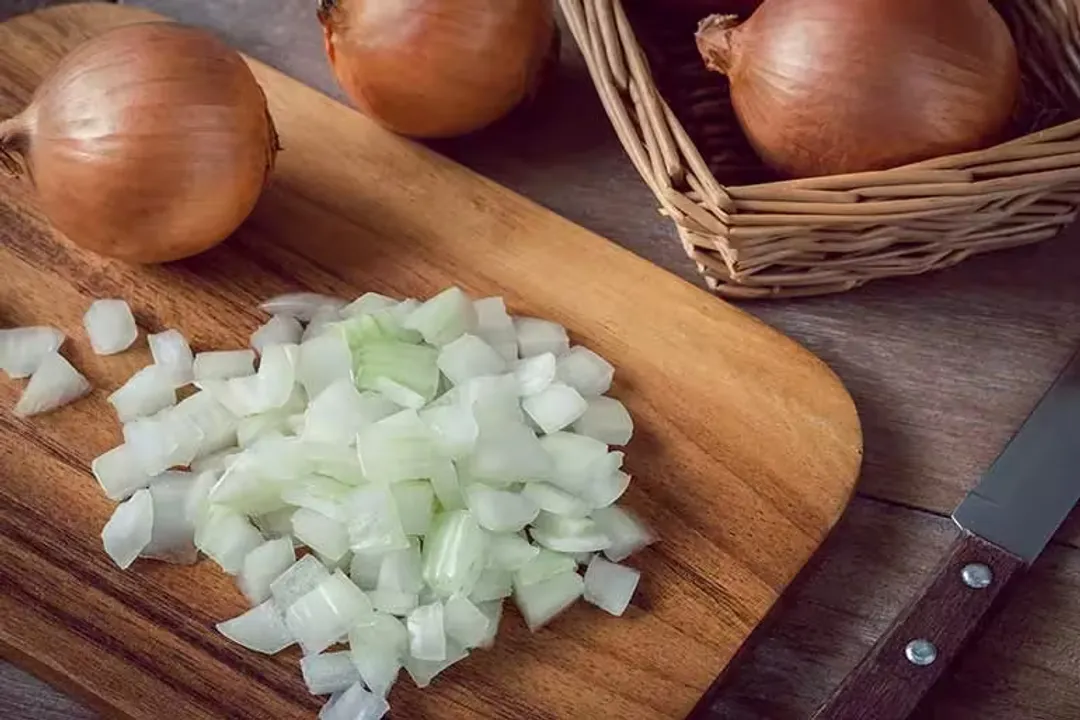
The regular intake of these nutrient-dense bulbs has been associated with several protective effects across major body systems.
# Heart Protection
Onions contribute to cardiovascular wellness through multiple pathways. The organic sulfur compounds inherent to the Allium family are credited with potentially lowering overall cholesterol levels in the body and possessing antiplatelet or blood-thinning abilities, which can help prevent clots responsible for strokes and heart attacks. The flavonoid quercetin is also specifically mentioned for its role in helping to manage high blood pressure. Furthermore, the anthocyanins found in onions have been linked in systematic reviews to a reduced risk of developing heart disease and dying from it. Consuming onions consistently allows quercetin to build up in the bloodstream, which can lead to cumulative antioxidant benefits over time.
# Bone Density
A less commonly known benefit relates to the skeletal system. The antioxidants within onions work to mitigate the oxidative stress that can accelerate cell damage and contribute to the natural bone loss associated with aging. Studies specifically involving peri- and post-menopausal women have suggested a positive correlation: frequent onion consumption was linked to improved bone density. One specific finding noted that women over 50 eating an onion daily may see a 5% improvement in bone density and a 20% reduction in hip fracture risk. Even animal models support this, showing that onion flavonoid extract helped increase bone mineral density in rats with induced osteoporosis.
# Diabetes Management
For individuals managing blood sugar, onions offer natural support. Both the sulfur compounds and the flavonoid quercetin are known to influence insulin production. Animal studies have provided evidence that onion extract or powder can significantly decrease fasting blood sugar levels in diabetic rats. Quercetin, in particular, has been shown in animal research to affect liver glucose content and key enzyme levels. One small study involving humans with Type 1 and Type 2 diabetes even documented a significant drop in fasting blood sugar levels four hours after they consumed 100g of raw red onion.
# Anti-Inflammatory Effects
The anti-inflammatory action of onions is widely supported, largely due to quercetin. This ability to quell internal inflammation extends to various areas. It may help alleviate joint stiffness and pain associated with conditions like arthritis by inhibiting inflammatory molecules. By reducing systemic inflammation, onions indirectly support overall health, including the potential protection against chronic illnesses.
# Digestive Environment
Onions are an excellent dietary source of fiber, particularly the type that the human body cannot digest on its own, known as prebiotics. Specifically, they contain inulin and fructooligosaccharides (FOS). These compounds pass through the upper digestive tract intact, acting as specialized fuel for the beneficial bacteria residing in the large intestine. When gut bacteria ferment these prebiotics, they produce short-chain fatty acids (SCFAs). SCFAs are vital metabolites that help strengthen the gut lining, boost immune function, and enhance digestion generally. A healthy gut flora, supported by prebiotics like those in onions, has been linked to better outcomes across various health markers, from metabolic control to mood.
However, this beneficial fermentation process comes with a common side effect: gas and bloating. Since inulin and FOS are classified as FODMAPs (Fermentable Oligosaccharides, Disaccharides, Monosaccharides, and Polyols), they can be poorly tolerated by individuals with sensitive digestive systems, such as those managing Irritable Bowel Syndrome (IBS).
# Defense Mechanisms
The Allium family is famous for its sharp aromas, which stem from flavor precursors called alk(en)yl cysteine sulphoxides (ACSOs). When the onion cells are cleaved by the enzyme alliinase (which happens during cutting), these precursors create thiosulphinates and polysulfides. One compound in this group, allicin, is noted for its significant antibacterial and antifungal effects, helping the colon fight off harmful microbes.
More specifically, research points to quercetin as having direct antibacterial potential. Test-tube studies have demonstrated that quercetin can damage the cell walls and membranes of aggressive bacteria, including Escherichia coli (E. coli) and Staphylococcus aureus (S. aureus). Furthermore, quercetin has shown an inhibitory effect against Helicobacter pylori (H. pylori), the bacterium implicated in some stomach ulcers and certain digestive cancers. Interestingly, the antibacterial potency may increase with storage time, as keeping onions for at least three months has been shown to elevate quercetin levels.
# Cancer Association
The combination of sulfur compounds, antioxidants, and specific flavonoids links onion consumption to lower risks of several cancers. Laboratory research suggests that the organosulfur compounds may interfere with the multiplication and growth of malignant cells, sometimes leading to their death. When looking at population studies, high annual consumption of alliums has been correlated with substantially lower rates of colorectal cancer. Other cancers that onion-rich diets have been associated with lower risk for include those of the bladder, brain, breast, lung, ovaries, and stomach. Fisetin and quercetin, both found in onions, are recognized as flavonoid antioxidants with chemopreventive potential.
If you are planning meals aimed at maximizing the protective effects from these compounds, remember that the intensity of the sulfurous compounds, which are key to some of these anti-cancer effects, is often highest in the raw state.

# Yellow Onion Specifics and Preparation
While red onions get attention for their color-imparting anthocyanins, yellow onions are often considered the workhorses of the kitchen. Their slightly higher starch content means they hold up well to heat, softening and sweetening beautifully when sautéed, roasted, or caramelized.
The method of preparation significantly influences the final nutritional profile available to the body. The conventional wisdom suggests that eating onions raw preserves the maximum amount of heat-sensitive compounds, such as the sulfur-based antimicrobial agents. However, the relationship between cooking and nutrition is not entirely negative. Boiling and frying appear to cause the most significant loss of overall nutritional value. Conversely, one analysis noted that baking onions was shown to actually increase their flavonoid content. Another factor is cell damage: if onions are crushed or chopped and allowed to rest before heat is applied, they may better retain their beneficial properties during cooking.
When dealing with the strong, pungent flavor of raw yellow onions—a flavor that some find overwhelming raw but delicious cooked—a quick preparatory trick can be useful. For dishes like salsa or sandwiches where you want crunch without the burn, chilling the chopped onions in ice water for five to ten minutes before use can significantly mute the sharpness while maintaining a crisp texture. This method offers a way to integrate more raw onion benefits without the immediate intensity, providing a step between fully raw and fully cooked that still delivers value.
# Weight and Body Composition
Onions may also assist in managing body composition. Their high fiber content contributes to a feeling of fullness, which is helpful for appetite control. More specifically, research looking at both animal models and human trials suggests that onion supplementation, sometimes using extracts derived from the often-discarded onion skin, can lead to a reduction in overall body weight, total body fat, and importantly, visceral fat—the deep fat surrounding the organs associated with metabolic risk. This effect is partially attributed to the anti-inflammatory flavonoid quercetin.
# Practical Considerations
While the health profile is impressive, potential drawbacks must be acknowledged for a balanced approach. For those prone to digestive distress, the high prebiotic content (FODMAPs) means raw onions can easily trigger symptoms like gas, bloating, or heartburn. If you suspect onion sensitivity, opting for well-cooked preparations may reduce digestive upset.
The very compounds that make onions healthy—the sulfurous ones—are also responsible for noticeable, though temporary, effects on breath and body odor. Sautéing or caramelizing the onions can lower the sulfur content compared to eating them raw.
Finally, food safety cannot be overlooked. Health authorities have, on rare occasions, traced bacterial outbreaks like Salmonella to whole or diced onions. To mitigate contamination risks, it is generally advised to purchase whole bulbs rather than pre-chopped versions, and to refrigerate any cut portions promptly. A separate concern involves environmental absorption; onions, like other root vegetables, can accumulate heavy metals like lead or cadmium if grown in contaminated soil, underscoring the value of sourcing produce from reputable growers or farmers' markets when possible.
In summary, the everyday yellow onion is a significant addition to a diet focused on longevity and disease prevention. Whether forming the aromatic base of a stew, tossed raw into a fresh salsa, or added to an omelet, the consistent intake of these flavorful bulbs provides a readily available source of anti-inflammatory, antioxidant, and gut-supporting compounds.
Related Questions
#Citations
Onion Benefits: Nutrients, Antioxidants, and Cooking Ideas - Healthline
Onions: Health Benefits and Nutrition - WebMD
10 Health Benefits of Onions - Spice World Inc
How Onions and Garlic Can Boost Your Health
Top 10 health benefits of onions - BBC Good Food
Onions--a global benefit to health - PubMed
What Happens to Your Body When You Eat Onions Every Day
Stop the Tears: Why Onions Are Good for You
Are You Using the Right Onions? - Avera Health
5 Health Benefits of Onions - Nutrition