Health Benefits of Vidalia Onion
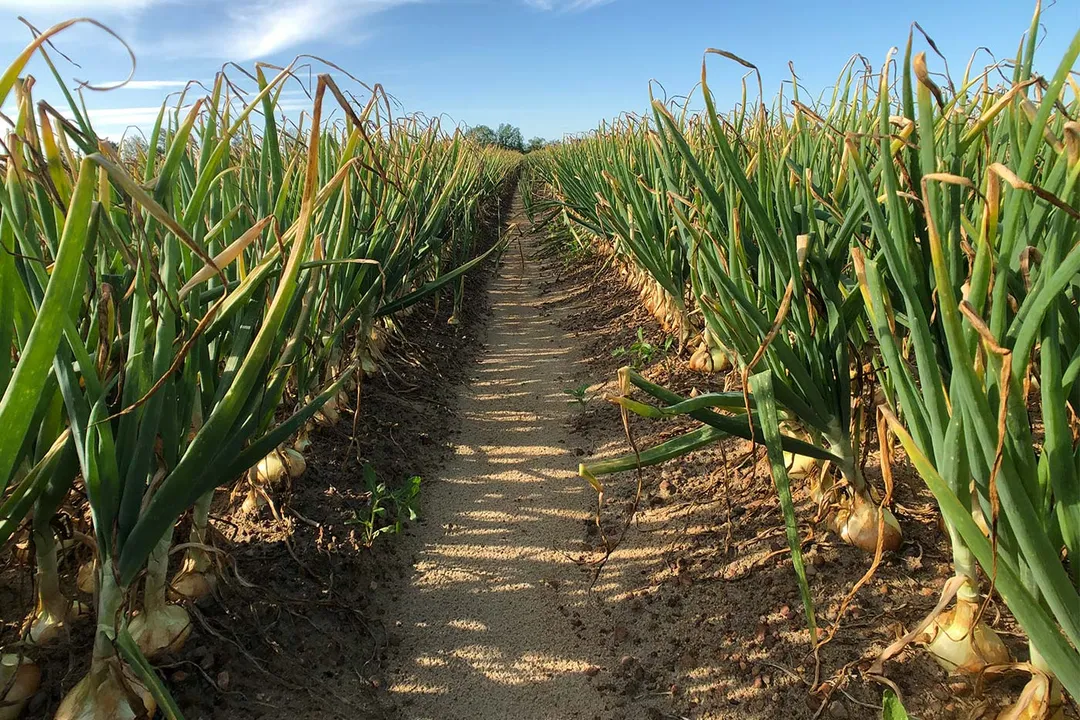
The sweet, crisp bite of a genuine Vidalia onion sets it apart from its pungent cousins, making it a favorite for fresh salads, rings, and slow-cooked dishes alike. While often celebrated for their mild flavor profile—a result of the unique growing conditions in the Vidalia, Georgia, region—these onions carry a significant portfolio of health advantages derived from their rich chemical composition. [2][3] Understanding the specific nutrients packed within this bulb can transform it from a simple vegetable side to a cornerstone of a health-conscious diet, offering support for everything from heart function to immune defense. [4][8]
# Key Nutrients
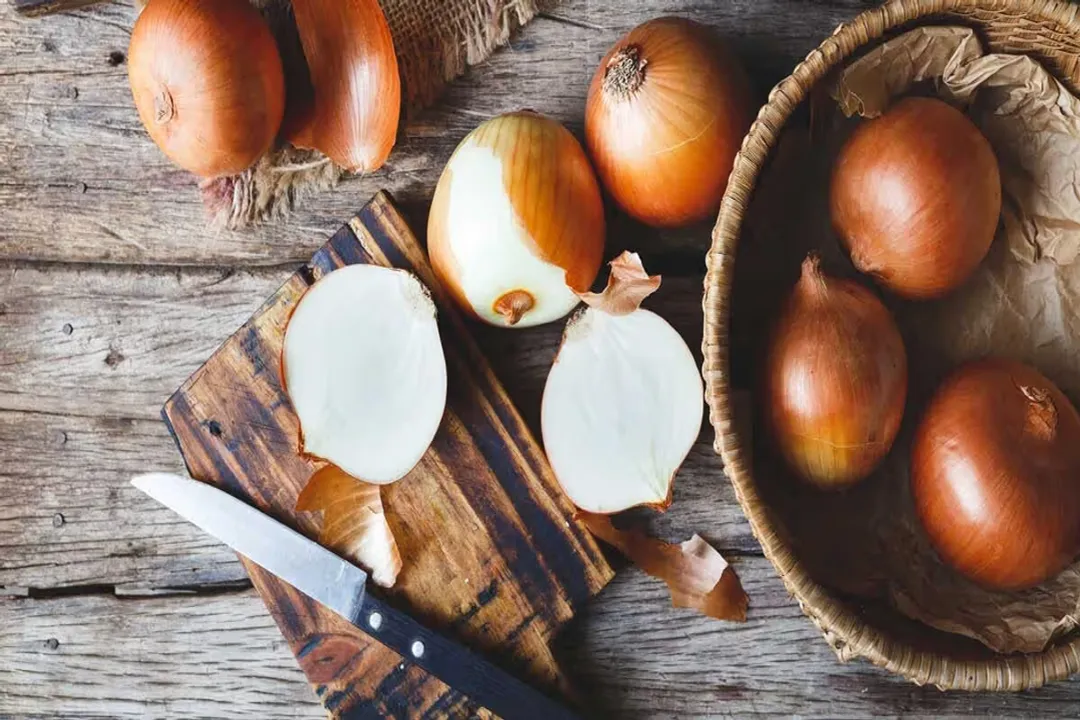
A standard serving of onion provides notable contributions to daily recommended intake for several essential vitamins and minerals, all while remaining notably low in calories. [1][5] For instance, a half-cup serving of raw, chopped Vidalia onions typically contains about 30 calories, making them an energy-efficient way to boost vegetable intake. [1]
The micronutrient profile is quite appealing. They are an excellent source of Vitamin C, an important antioxidant that supports the immune system and aids in collagen production. [1][5] They also supply a respectable amount of Vitamin B6 (pyridoxine), which is necessary for protein metabolism and red blood cell formation, and Folate (Vitamin B9), critical for cell division and DNA synthesis. [1][5]
Minerally, Vidalia onions contribute Potassium, which plays a vital role in fluid balance, nerve signaling, and blood pressure regulation. [1][5] Furthermore, they contain smaller but worthwhile amounts of other minerals such as manganese, iron, and calcium. [3] When comparing nutritional data, it’s interesting to note that while Vidalias are prized for their sweetness, which means a slightly higher sugar content than their sharper counterparts, the overall caloric and macronutrient density remains low, making the trade-off for flavor quite beneficial for culinary purposes. [2]
# Antioxidant Strength

Onions, in general, are celebrated for their antioxidant properties, and Vidalias are no exception. [4][8] The health-promoting power largely stems from the concentration of flavonoids, particularly quercetin. [4][8] Quercetin is a potent antioxidant known for its anti-inflammatory actions throughout the body. [4]
The process of growing Vidalia onions in the mineral-rich soil of their designated area contributes to their unique chemical makeup, potentially enhancing the levels of these beneficial compounds compared to other onions grown elsewhere. [3] This concentration of antioxidants helps neutralize harmful free radicals, which are unstable molecules that can damage cells and contribute to chronic diseases. [4][8]
Beyond the general antioxidant activity, onions contain various sulfur-containing compounds, such as thiosulfinates and sulfides, which are responsible for both their characteristic odor and many of their medicinal properties. [4][8] These compounds are what researchers have identified as key contributors to the cardiovascular benefits associated with onion consumption. [9]
# Heart Health Support
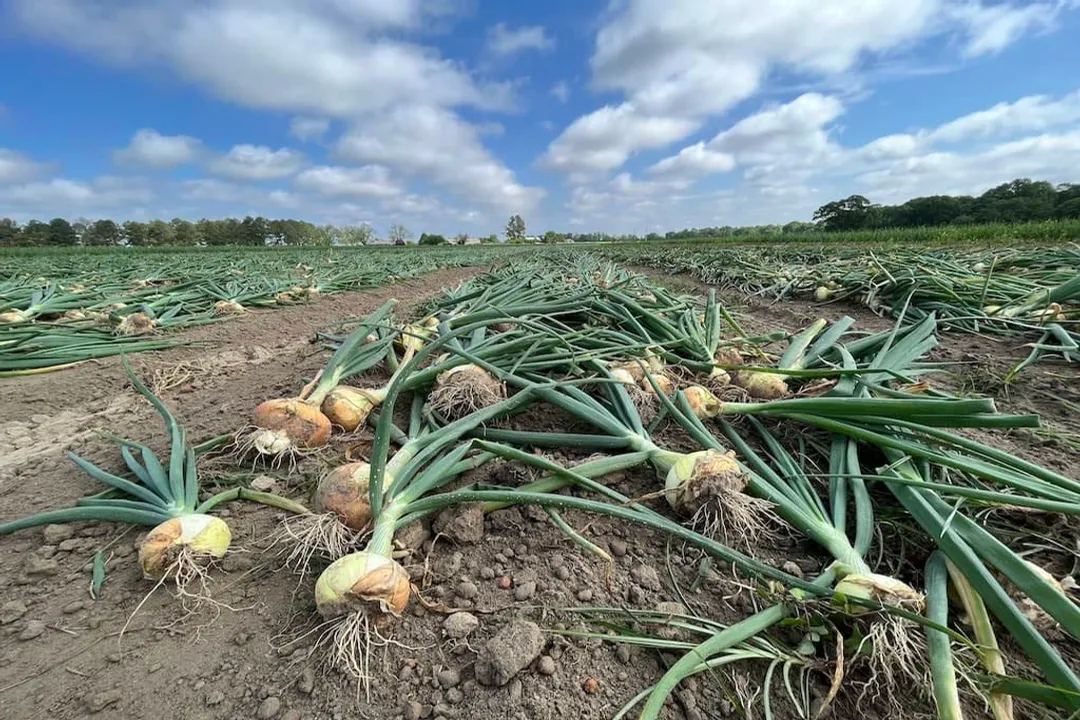
The compounds found in onions have been directly linked to mechanisms that promote a healthier cardiovascular system. [4][8] One of the most significant benefits relates to cholesterol management and blood pressure regulation. [2][4]
Research has indicated that onions can help in reducing elevated cholesterol levels and may help prevent platelet aggregation, which is the clumping together of blood cells that can lead to dangerous clots. [4][8] The presence of sulfur compounds is thought to be central to this effect, potentially reducing the risk of heart attack and stroke. [2][9] Furthermore, the potassium content helps balance sodium levels, contributing to the maintenance of healthy blood pressure within the body. [1][5] It is noteworthy that some agricultural research has specifically focused on breeding onions for enhanced heart-healthy properties, indicating a strong scientific interest in maximizing these specific benefits. [9]
When consuming Vidalias specifically for these benefits, keeping them in the diet frequently, even in raw form, ensures a steady supply of these protective compounds. [2] If one were to visualize the impact, considering a medium onion provides roughly one-quarter of the daily recommended intake for Vitamin C, which also supports blood vessel integrity, the benefits compound across multiple physiological systems. [1][5]
# Digestive Wellness
A often-overlooked aspect of onion nutrition is their role in supporting a healthy digestive tract, primarily due to their fiber content and specific types of carbohydrates. [2][8] Vidalia onions contain prebiotic fibers, which are essential for feeding the beneficial bacteria residing in the gut microbiome. [2]
A well-nourished gut biome is linked to improved digestion, better nutrient absorption, and even enhanced immune function. [8] The specific prebiotic components found in onions, such as inulin and fructooligosaccharides (FOS), pass undigested into the large intestine where they serve as fuel for probiotics. [2] For individuals actively managing their gut health, integrating raw onions can be a powerful, albeit pungent, addition to fermented foods like sauerkraut or yogurt.
It is useful to consider how preparation affects this. While cooking softens the texture and sweetens the flavor of Vidalias, heat can reduce the activity or quantity of some of these prebiotic fibers and heat-sensitive vitamins. [4] Therefore, incorporating a mix of raw and lightly cooked Vidalias throughout the week provides a dual benefit: maximum prebiotic impact from raw consumption and easier digestibility from cooked preparations. A small bowl of raw Vidalia rings tossed with vinegar and herbs offers a perfect way to get that prebiotic boost without overwhelming the palate. [6]
# Blood Sugar Management
For those mindful of their glucose levels, onions present an interesting dietary addition. [2][8] They contain compounds that may help regulate blood sugar. Specifically, sulfur compounds and quercetin have been studied for their potential to influence insulin secretion and improve the body's sensitivity to insulin. [8]
When comparing Vidalias to other onion varieties, the fact that they are sweeter might lead some to incorrectly assume they are detrimental to blood sugar control. However, their overall carbohydrate and sugar load remains low relative to many other foods. [1] For example, while they contain natural sugars, the fiber content helps mitigate the rate at which those sugars are absorbed into the bloodstream. [2] Maintaining consistent consumption, rather than infrequent large amounts, is generally the best strategy for reaping the stabilizing effects on glucose metabolism. [8]
# Preparation Methods Maximizing Benefits
How you prepare your Vidalia onions directly influences which health benefits you maximize. Since they are inherently milder, they lend themselves well to raw preparations, which typically preserve the highest levels of beneficial compounds. [6]
If your goal is to leverage the high Vitamin C content or the potent prebiotic fibers that fuel gut bacteria, eating them raw is ideal. [1][2][4] Thinly slicing them for sandwiches, grating them into salsas, or soaking them in ice water to reduce the sharpness before serving are effective ways to make raw consumption enjoyable. [6]
Conversely, if you are seeking the benefits of the heat-stable antioxidants and the cardiovascular effects linked to cooked sulfur compounds, slow cooking is a wonderful method for Vidalias. [4][9] Because Vidalias have less sulfur than pungency, they caramelize beautifully, which concentrates their natural sugars slightly but still maintains significant nutritional value without the aggressive bite. A practical consideration when cooking onions, whether Vidalia or otherwise, is the cooking medium. Sautéing in excessive amounts of saturated fats will negate some of the positive cardiovascular effects the onion provides, so using heart-healthy oils like olive oil is a sensible choice to maintain the overall health profile of the meal. [4]
# Considerations for Raw Consumption
Raw onions are lauded for preserving compounds that may offer protective effects against certain cancers, a benefit often attributed to the concentration of sulfur compounds and flavonoids when the cell structure remains intact. [4][8] Eating raw onions has been specifically highlighted as a way to potentially reduce the risk of stomach cancer, though this benefit is associated with the general class of onions. [8]
One must acknowledge the social side effect of raw consumption, as the sulfur compounds that provide anti-clotting and antioxidant benefits are also responsible for the strong breath. A simple tip for mitigating this after enjoying a raw Vidalia snack is to consume fresh parsley or mint immediately afterward, as these herbs have been shown to temporarily neutralize the volatile sulfur compounds in the mouth. [6] This allows you to incorporate the maximum raw nutritional punch without undue concern.
In summary, the Vidalia onion is more than just a sweet culinary treat. Its distinct growing environment contributes to a profile rich in Vitamin C, B vitamins, potassium, and potent antioxidants like quercetin. [1][3][5] By thoughtfully incorporating both raw and cooked Vidalias into your daily routine, you can actively support your heart, gut, and immune health, making this regional favorite a truly functional food. [2][4]
Related Questions
#Citations
Nutrition - Vidalia Onion Committee
Health Benefits of Sweet Onions | Onion Nutrition Facts
Top 10 Vidalia Onion Nutrition facts and Health benefits
Onions: Health Benefits and Nutrition - WebMD
Vidalia Onion Nutrition Information | VidaliaOnions.com
7 Surprising Benefits of Eating Onions - a Pittman & Davis blog
Oh no! Not my sweet Vidalia onion!!! : r/keto - Reddit
Onion Benefits: Nutrients, Antioxidants, and Cooking Ideas - Healthline
New Heart-Healthy Onions on the Horizon - USDA ARS
The Benefits of Sweet Vidalia Onions Explained - TikTok