Health Benefits of Torpedo Onion
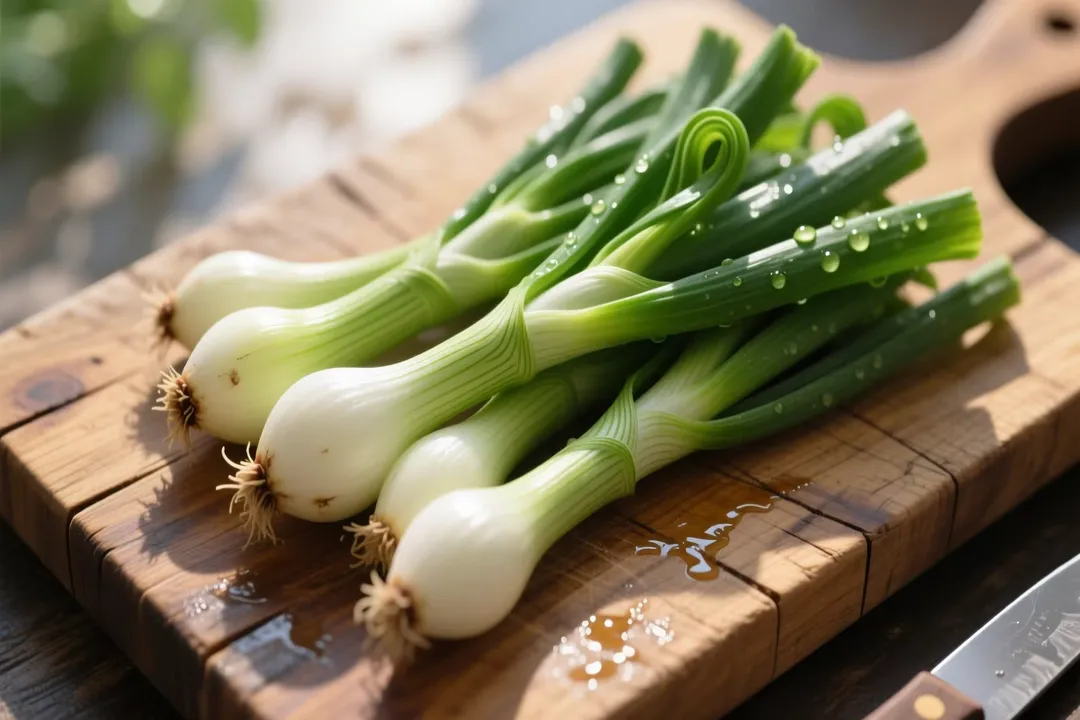
The elongated shape, sometimes subtly purple-tinged flesh, and distinctly mild flavor mark the Torpedo Onion as a unique contender among alliums. Unlike the more common, round varieties found on most supermarket shelves, this variety, scientifically noted as Allium cepa var. aggregatum, has historically thrived in the Mediterranean basin, particularly along the warm, well-drained soils of Italy and Greece. [3] Its defining characteristic, the torpedo-like taper from which it earns its name, is matched by a flavor profile celebrated for its sweetness and subtlety. [3] This distinction is rooted in its chemistry: agricultural research suggests that torpedo onions possess approximately 30% less allyl propyl disulfide—the compound directly responsible for onion pungency and the associated tearing effect—compared to standard yellow onions. [3]
# Torpedo Profile
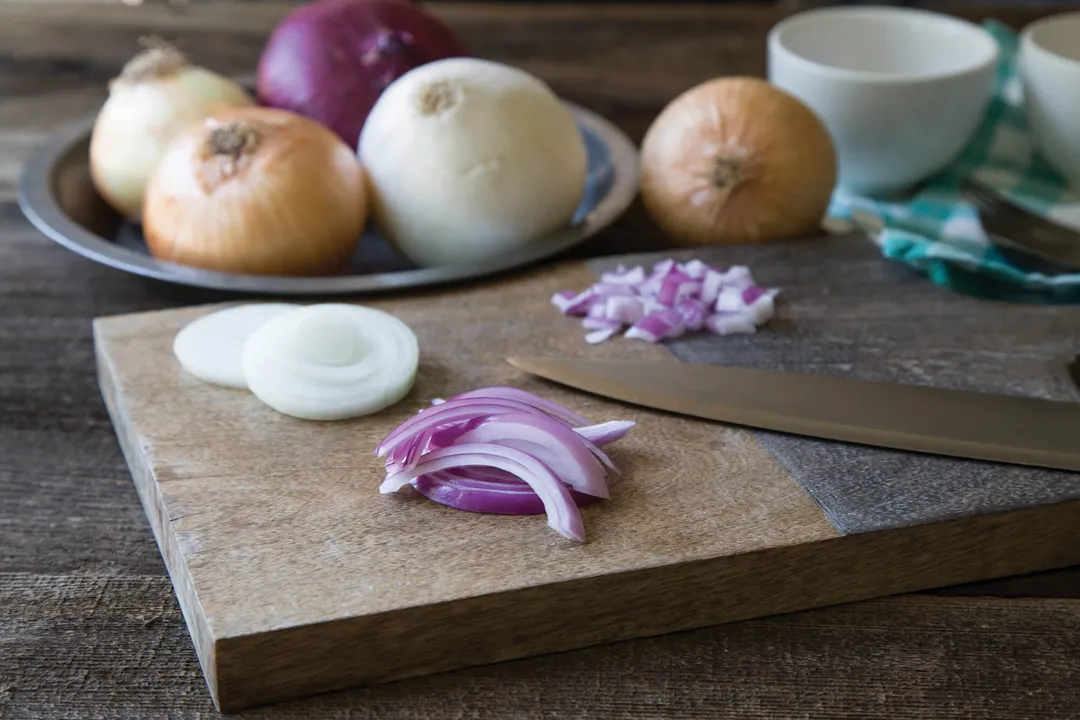
The visual characteristics of the Torpedo Onion are as unique as its taste. Typically measuring between three to five inches in length with a narrow width, these bulbs present with pale copper or light brown skin. [3] Inside, the flesh is crisp and white, often showing faint purple streaks near the core. [3] This low-sulfur characteristic makes it the preferred choice in culinary settings where a powerful, sharp onion flavor would overwhelm the dish. [3]
For cooks deciding which allium to select, understanding the trade-offs in characteristics is key for optimal results, as these onions have a different shelf life and best application than their round cousins. [3]
| Characteristic | Torpedo Onions | Yellow Onions | Red Onions |
|---|---|---|---|
| Shape | Elongated, tapered (torpedo-shaped) | Rounded, bulbous | Round with flat top |
| Flavor Profile | Mild, sweet, subtle | Strong, pungent when raw | Sharp with slight sweetness |
| Sulfur Content | Lower (less tearing) | Higher | Moderate |
| Best Culinary Uses | Raw applications, delicate sauces | Caramelizing, roasting, stews | Salads, salsas, pickling |
| Storage Life | 2–3 weeks refrigerated | 2–3 months cool/dry | 3–4 weeks refrigerated |
Due to a higher moisture content than hard, long-storing varieties, torpedo onions must be kept refrigerated, usually in a mesh bag, and used within two to three weeks to ensure peak flavor and texture. [3] Professional advice suggests storing them with the root end down, which can prevent moisture pooling at the more delicate pointed end, slightly extending their viable life. [3]
# Nutrient Snapshot
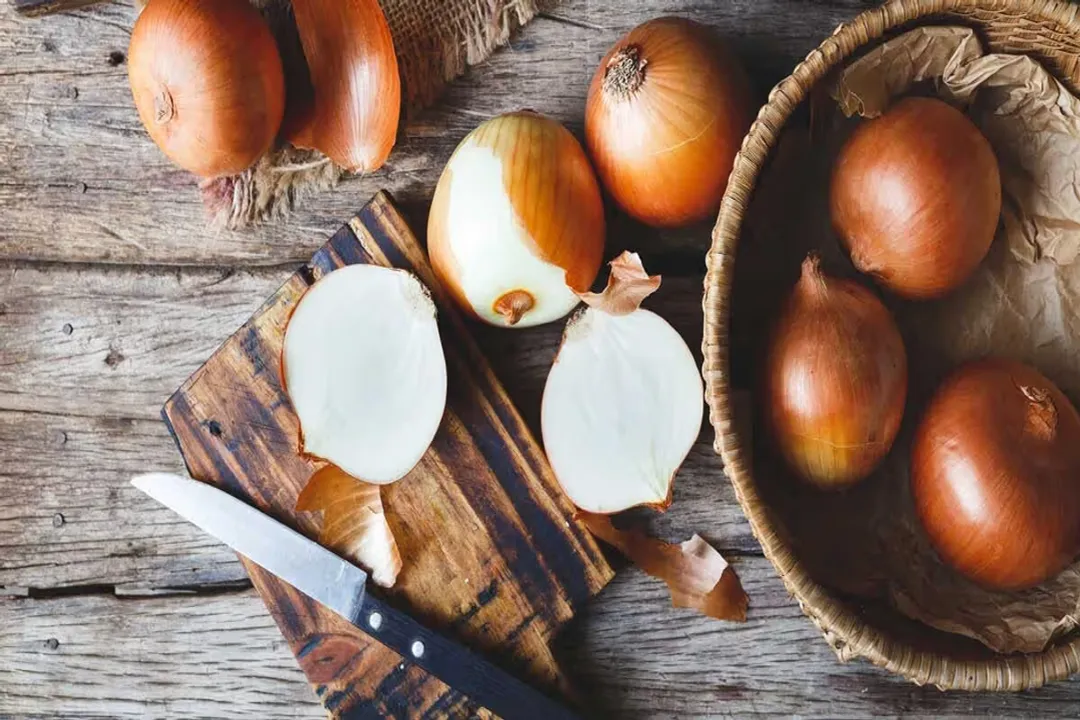
While the torpedo shape sets it apart culinarily, its foundation as an Allium means it shares the impressive nutritional profile common to the family. [2] Onions are nutrient-dense, meaning they are low in calories—one medium onion often hovers around 44 calories—while delivering a respectable amount of dietary fiber, carbohydrates, and essential vitamins and minerals. [1][6] Key micronutrients frequently highlighted across various onion types include Vitamin C, B vitamins (folate and B6), and the mineral potassium. [2][6]
Vitamin C is vital for supporting immune response, aiding in the production of collagen, and assisting the body with iron absorption. [2] Potassium, another notable component, is essential for proper nerve transmission, muscle contraction, and maintaining fluid balance within cells. [2] Furthermore, onions contain manganese, which supports bone tissue and connective structures. [6]
Given the low sulfur content that grants the torpedo onion its mildness, we can infer a culinary advantage: it is perfectly suited for raw dishes where its gentle flavor shines. [3] However, this low-sulfur nature also presents a different dynamic for nutrient delivery compared to pungent varieties. Since cooking onions can reduce levels of beneficial compounds like S-alkenyl-l-cysteine sulfoxides—which are linked to cholesterol regulation—by as much as 32%, maximizing the raw consumption of the torpedo onion is a worthwhile strategy. Because they are naturally milder, many people are more inclined to eat them sliced thinly into salads or sandwiches without extensive cooking, which naturally preserves more of these volatile, beneficial compounds. [1][6]
# Heart Protection
One of the most frequently cited health advantages attributed to onions involves their substantial positive impact on cardiovascular health. [1][6] This protective effect stems primarily from two classes of compounds: antioxidants, particularly the flavonoid Quercetin, and various organosulfur compounds. [1][2]
Quercetin acts as a strong anti-inflammatory agent. [1][2] In the context of heart health, this compound has been associated with helping to reduce high blood pressure, although many confirming studies have been conducted in test tubes or animals, suggesting human research needs further exploration. [2] Additionally, the sulfur compounds present in onions are recognized for their role in blood thinning and helping to reduce triglyceride levels and inflammation in blood vessels. [1] Studies involving obese women given raw onions showed a reduction in "bad" cholesterol compared to a placebo group. [1] By managing inflammation and helping to maintain healthy lipid profiles, onions contribute to lowering the overall risk associated with heart conditions. [2]
# Gut Wellness
For optimal digestive function, onions are an excellent source of prebiotics. [2] Prebiotics are nondigestible fibers that serve as food for the beneficial bacteria residing in your gut. [2] Onions are rich in specific prebiotics, including inulin and fructooligosaccharides (or fructans). [2][6]
When gut bacteria break down these prebiotics, they produce crucial byproducts known as short-chain fatty acids (SCFAs). [2] These SCFAs are instrumental in fortifying gut health, mitigating inflammation within the digestive tract, and boosting overall immune function. [2][6] Consuming prebiotic-rich foods like the Torpedo Onion can therefore increase populations of beneficial probiotics, such as Lactobacillus and Bifidobacterium strains, leading to a more balanced and robust internal ecosystem. [2] If you are looking to diversify your gut-supportive intake, consider that the gentle nature of the Torpedo Onion may allow individuals sensitive to harsher alliums to consume larger, more beneficial quantities more regularly, thus feeding the gut flora consistently.

# Cell Defense
Onions are loaded with a wide array of antioxidants, with some sources indicating more than 25 different varieties of flavonoids are present. [1] These compounds are critical because they work to neutralize free radicals—unstable molecules that can wreak havoc on the body’s systems, contributing to conditions like diabetes, heart disease, and cancer. [1][6]
The presence of Anthocyanins, a specific type of flavonoid found abundantly in red and purple varieties (which may apply to certain Torpedo strains), is associated with reduced risk of heart disease and mortality from cardiovascular issues. [2] Beyond general antioxidant action, Quercetin offers specific defensive capabilities. [2][6] It is noted for its anti-inflammatory properties which may help alleviate discomfort associated with chronic inflammatory conditions like arthritis by inhibiting inflammatory molecules. [2][6] Furthermore, onions possess noted antibacterial and antifungal properties, with quercetin specifically showing potential to inhibit the growth of problematic bacteria like Helicobacter pylori. [2]
# Metabolic Balance
The bioactive compounds within onions, specifically Quercetin and sulfur-containing elements, are recognized for having potent anti-diabetic properties that can help regulate blood sugar. [1][6] These components are thought to work by interacting with the small intestines, fat tissues, the pancreas, and skeletal muscles to keep glucose levels stabilized throughout the body. [1] Evidence from a study involving rats with Type 2 diabetes showed that incorporating dried onion powder into their diet led to significantly decreased fasting blood sugar levels, alongside reductions in cholesterol and triglycerides. [2]
Supporting bone health is another benefit often tied to onion consumption. [1][6] The mechanism suggested involves the prebiotics within the onion assisting the body in speeding up the absorption of essential minerals, such as calcium. [1] Increasing the absorption of bone-strengthening minerals is a proactive step toward preventing age-related bone density loss and conditions like osteoporosis. [2]
Even when thinking about daily intake, the ease of incorporating the Torpedo Onion becomes an advantage. While many people may consume their onions cooked in stews or braises, to truly capitalize on the full spectrum of nutrients—especially the sulfur compounds and antioxidants that are more present when raw—slicing them thinly into homemade dips, salsas, or atop grain bowls allows for a higher concentration of these health-promoting elements to enter the system regularly. [1][6] The very mildness of the Torpedo Onion makes achieving the suggested intake of about half to one onion daily for maximizing antioxidant benefits much more palatable than forcing down an overly pungent variety. [6]
Related Questions
#Citations
Torpedo Onion: Characteristics, Uses, and Benefits Explained - Spices
Onion Benefits: Nutrients, Antioxidants, and Cooking Ideas - Healthline
The Tropea Onions Have Many Different Uses & Benefits
8 Impressive Health Benefits of Onions
10 Health Benefits of Onions - Spice World Inc
The Onion's Secret Power: Health Benefits You Never Knew Existed
What are the healing or nutritional benefits of red onions? - Quora