Health Benefits of Onion
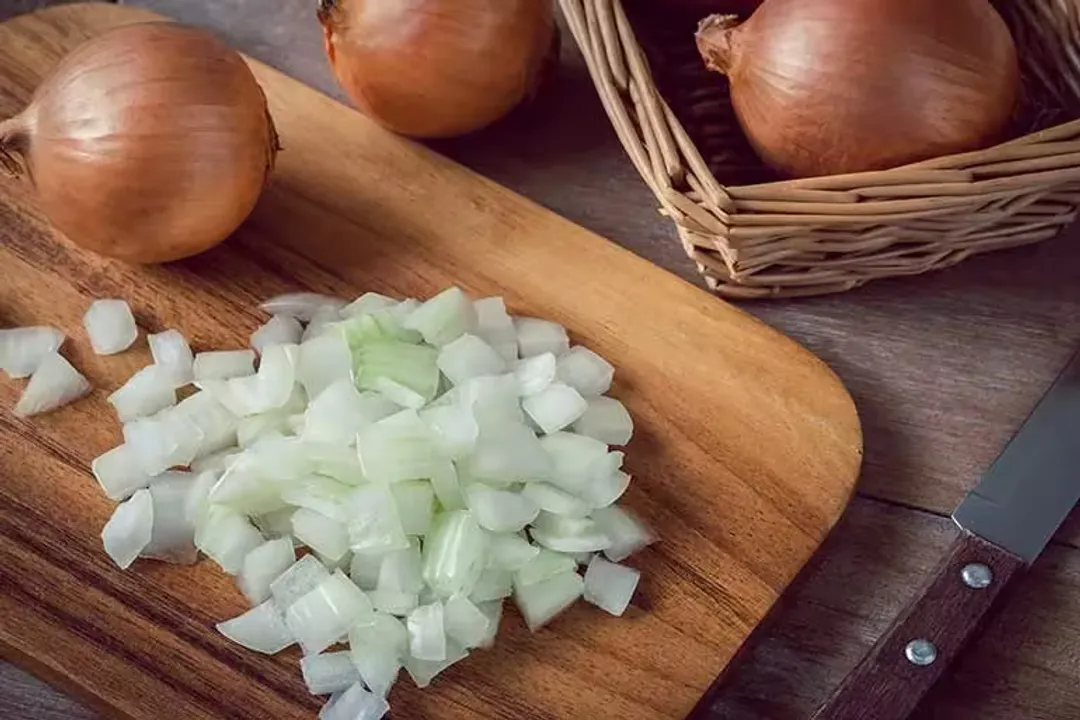
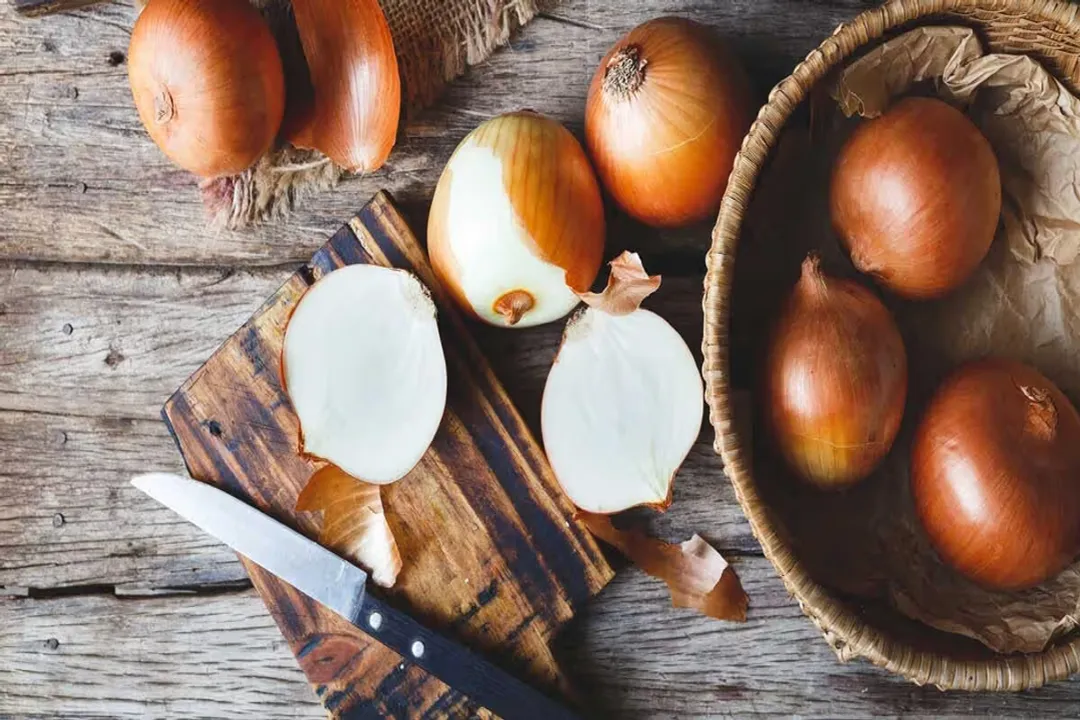
The humble onion, a staple found in nearly every global cuisine, often receives attention only for bringing tears to the eyes or serving as a fragrant base for stocks and sauces. Yet, beneath its papery skin lies a dense concentration of nutrients and beneficial plant compounds that offer significant advantages for long-term health. [1][5][8] Far from being just a flavor enhancer, this common bulb—whether red, yellow, or white—is packed with potent antioxidants, particularly sulfur compounds, which actively work within the body to combat inflammation and support critical systems like the cardiovascular network. [1][2][4]
# Nutrient Powerhouse
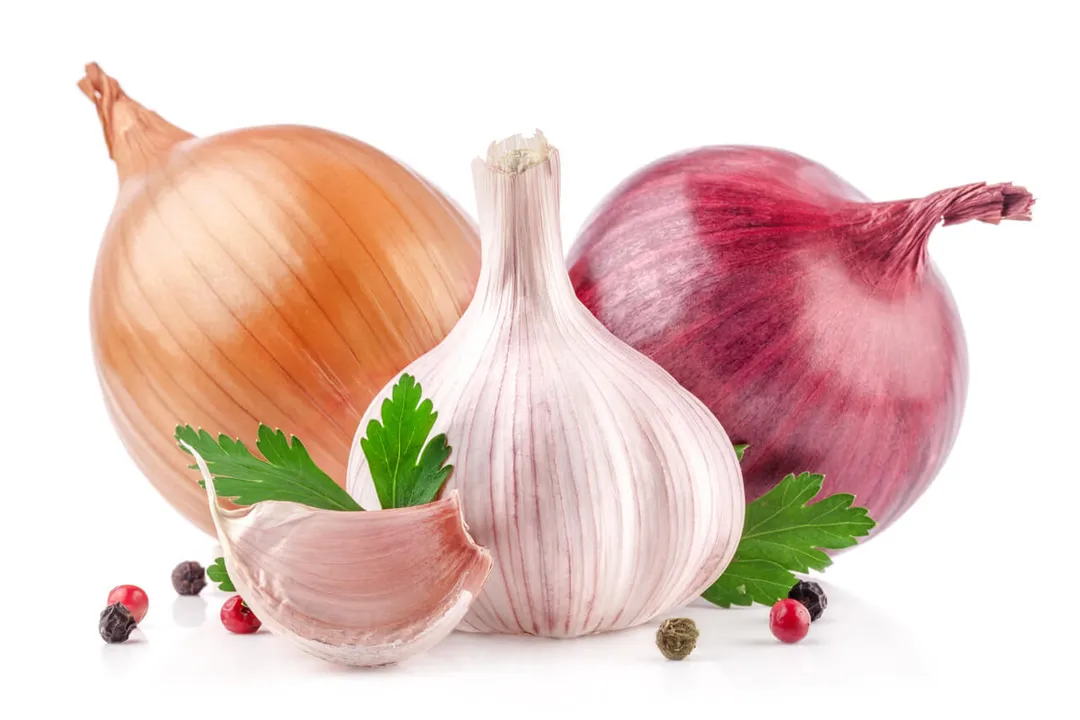
Onions deliver substantial nutritional value relative to their low-calorie count. [1] They provide a good source of Vitamin C, which is essential for immune function and acting as an antioxidant itself. [1][7] Furthermore, onions are rich in B vitamins, including folate (B9) and pyridoxine (B6), both important for energy production and red blood cell formation. [1] Minerals like potassium, necessary for blood pressure regulation, and manganese are also present. [1]
However, the real health spotlight shines on their non-nutrient components: phytochemicals. [1] These plant compounds are what give onions their characteristic sharp flavor and powerful protective qualities. [2] The most famous of these is quercetin, a powerful flavonoid antioxidant. [1][4] Quercetin is found in high concentrations in onions, especially the outer rings, and it plays a key role in managing oxidative stress throughout the body. [1][4] Red onions, due to their deep color, tend to have higher levels of anthocyanins, another class of antioxidants also linked to quercetin. [1] It's fascinating to consider that the darker the skin or flesh, the greater the concentration of these protective pigments, making the choice between a pale yellow onion and a deep red one a subtle nutritional distinction. [1]
# Heart Protection
The combination of vitamins, antioxidants, and specific sulfur-containing compounds makes the onion a valuable addition to a heart-healthy diet. [2][6] Studies suggest that consuming onions regularly can contribute to better cardiovascular outcomes. [2][6]
One significant way onions support the heart is through their influence on blood lipids and pressure. Certain compounds in onions have been observed to help reduce levels of total and LDL ("bad") cholesterol, which are key risk factors for heart disease. [1][6] Simultaneously, the presence of potassium assists in balancing sodium levels, thus supporting healthy blood pressure maintenance. [1]
Beyond cholesterol, the sulfur compounds found in onions exhibit anti-clotting properties. [2] These compounds can help prevent platelets in the blood from clumping together, which lowers the risk of dangerous clots forming and potentially causing heart attacks or strokes. [2] Quercetin also contributes by possessing anti-inflammatory effects that protect blood vessels from damage. [6] When thinking about maximizing these effects, it is worth noting that while cooking breaks down some volatile compounds, the overall benefit remains significant; however, eating onions raw introduces the most direct pathway for ingesting these sulfur structures before heat alters them. [5]

# Gut Support
Onions are excellent sources of dietary fiber, but their impact on the digestive system goes deeper than simple bulk. [1][6] They are particularly rich in prebiotics, which are specialized types of non-digestible fibers that nourish the beneficial bacteria residing in the colon. [1][6]
Specifically, onions contain inulin and fructooligosaccharides (FOS). [1][6] These compounds pass undigested through the upper gastrointestinal tract and become food for probiotics like Bifidobacteria and Lactobacilli. [1] A thriving population of good gut bacteria is linked to improved immune response, better nutrient absorption, and even positive effects on mood. [1][6] If one were tracking their daily intake of prebiotic fibers—a rising concern in modern nutrition—adding a serving of raw or lightly cooked onions is a simple, high-impact move to boost that count significantly. [1] By feeding the good microbes, onions effectively help maintain the intestinal barrier's integrity.
# Inflammation Control
Chronic, low-grade inflammation is now understood to be a root contributor to many common Western diseases, from arthritis to certain cancers. [1][4] This is where the high antioxidant profile of onions becomes particularly active. [1]
Quercetin, the primary flavonoid in onions, is renowned for its potent anti-inflammatory capabilities. [1][4] It works by inhibiting the release of chemicals that trigger inflammatory responses in the body. [4] By regularly consuming foods rich in such compounds, the body gains a buffering system against ongoing oxidative stress and inflammation. [1] While studies have demonstrated that onions can reduce markers of inflammation in lab settings, consistent dietary inclusion is the way most people can experience this benefit in their daily lives. [4]

# Specialized Functions
Research into the protective capacity of onions extends to several other major health areas, including blood sugar management and cellular health. [1][4][6]
# Blood Sugar
For individuals concerned about blood glucose levels, onions may offer support. [1] Certain sulfur compounds, such as S-methylcysteine and quercetin, have been investigated for their potential to help regulate blood sugar. [1][6] Some animal studies suggest these components can influence insulin function, helping to lower blood sugar levels when they are elevated. [6] While this does not replace medical treatment, incorporating onions into meals alongside other balanced foods contributes positively to overall glucose control. [1]
# Bone Health
Emerging evidence also points toward a link between onion consumption and improved bone density, especially in older women. [1][6] While the precise mechanism is still being studied, researchers hypothesize that the antioxidants or specific sulfur compounds may help reduce bone loss by minimizing oxidative stress in the bone tissue. [1][6] This presents an interesting angle for dietary planning, particularly for populations where bone fragility is a concern. [6]
# Preparation and Consumption
The way we prepare onions influences how many of their beneficial compounds we actually absorb. The general advice balances maximizing nutrient retention with palatability. [5]
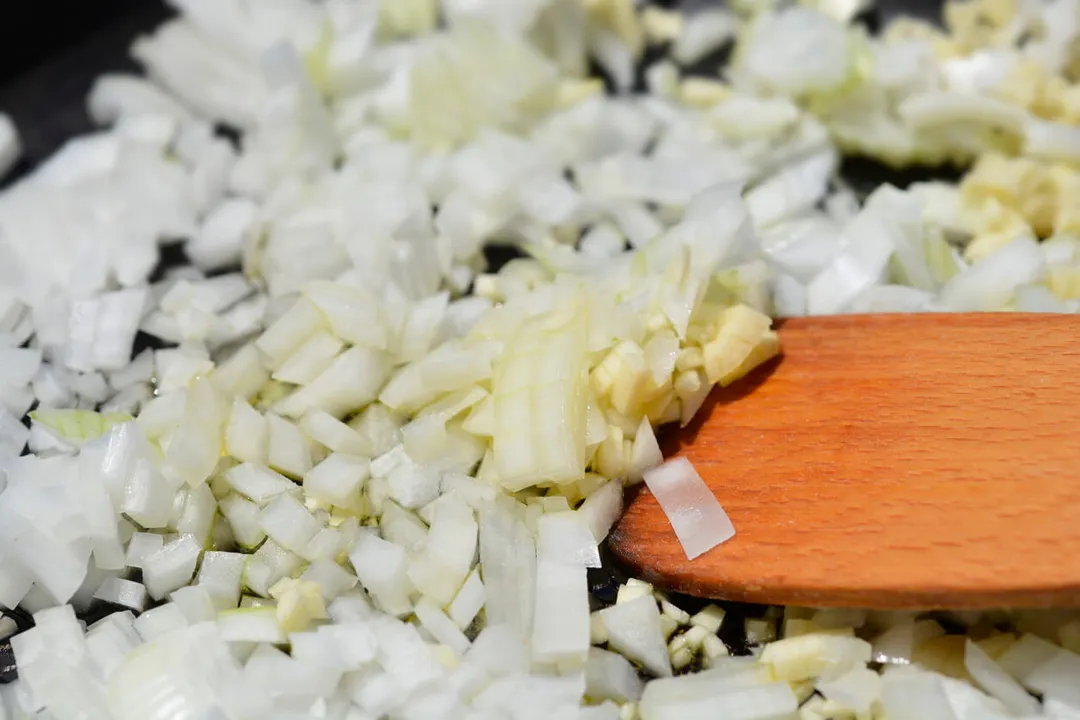
Generally, the highest concentration of beneficial substances, especially the pungent sulfur compounds, is found in raw onions. [5] The process of chopping or crushing the onion initiates an enzyme reaction that creates these compounds, so letting a chopped onion sit for about 10 minutes before adding it to a salad or topping can maximize this benefit before they are deactivated by heat. [5]
However, this doesn't mean cooked onions are without merit.
| Onion Type | Primary Benefit Highlight | Preparation Note |
|---|---|---|
| Red Onions | Highest in Anthocyanins (Antioxidant) | Best eaten raw or lightly pickled to preserve color/pigments. [1] |
| Sweet Onions | Lower in sulfuric compounds, milder | Excellent for eating raw in sandwiches where high pungency is undesirable. [6] |
| Yellow/White | Versatile, good general source of Quercetin | Holds up well to sautéing and baking, though some heat-sensitive compounds are reduced. [5] |
It is important to remember that deeply cooking or boiling onions for long periods will cause many of the water-soluble vitamins and heat-sensitive flavonoids to leach into the cooking liquid. [5] If you discard the cooking water, you lose significant nutritional benefits. [5] A better approach is to use that cooking liquid, such as in a soup or broth, to capture those dissolved nutrients. [5] If you find the taste of raw onion too intense, a quick sweat in a little oil—just until translucent—retains more goodness than slow roasting or heavy caramelization. [5]
Onions are more than just an aromatic starting point for a meal; they are genuinely functional foods. [2][8] By incorporating them in diverse ways, from raw slices on tacos to the base of a slow-simmered stew, you ensure a steady, natural intake of compounds that support your heart, gut, and cellular defenses. [2][4][6]
Related Questions
#Citations
Onion Benefits: Nutrients, Antioxidants, and Cooking Ideas - Healthline
How Onions and Garlic Can Boost Your Health
10 Health Benefits of Onions - Spice World Inc
Onions--a global benefit to health - PubMed
Onions: Health Benefits and Nutrition - WebMD
Health Benefits of Sweet Onions | Onion Nutrition Facts
Top 10 health benefits of onions - BBC Good Food
Stop the Tears: Why Onions Are Good for You
onions | Health Topics - NutritionFacts.org