Health Benefits of Flat Italian Onion
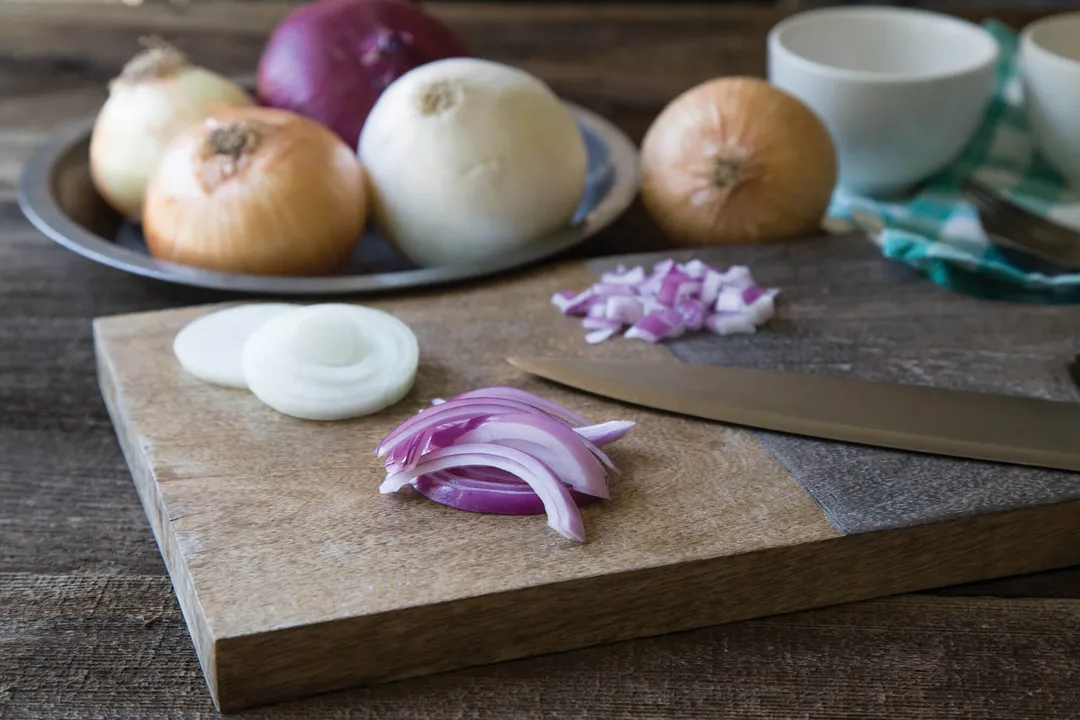
The humble onion, a cornerstone in nearly every global cuisine, often goes unpraised beyond its foundational role in building flavor. Yet, when we consider specific types, such as the treasured Flat Italian Onion, we encounter a vegetable with a profound nutritional profile deserving closer inspection. These varieties, distinct from common yellow or white globes, bring a unique balance of taste and powerful compounds that actively contribute to long-term wellness. Integrating these alliums into your daily meals may be one of the simplest, most flavorful defenses against chronic disease.
# Italian Aroma Profile
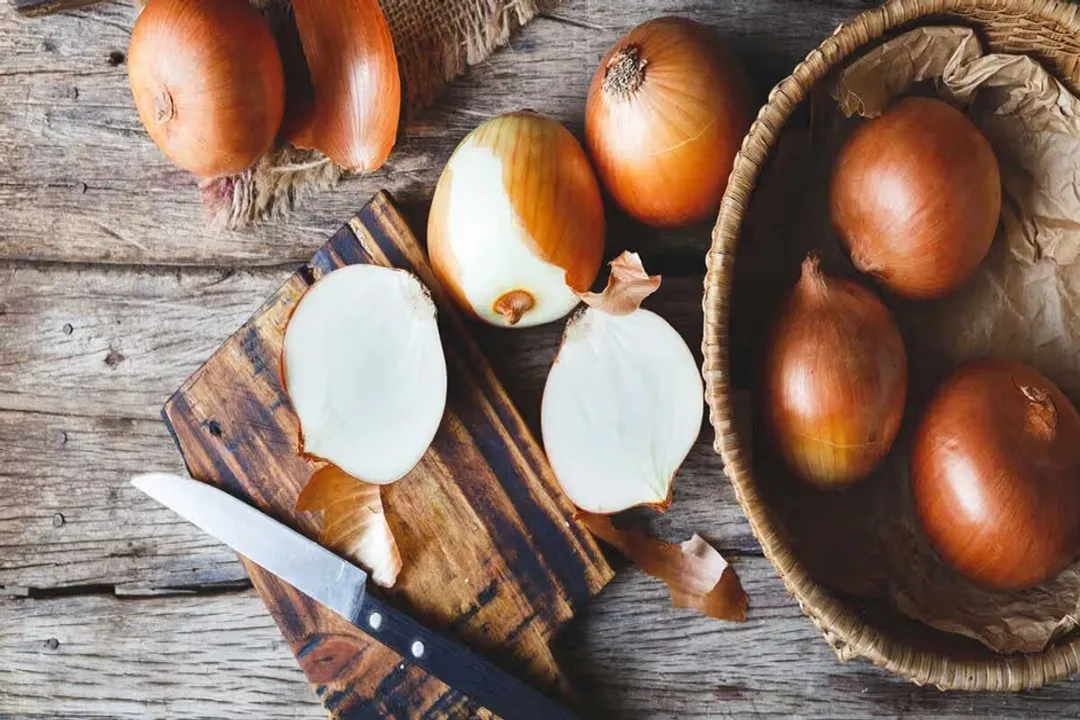
While general onion consumption is high globally, specific regional cultivars possess distinct chemical signatures. The widely studied Tropea red onion, a notable Italian example, demonstrates this variation clearly. Compared to standard red or yellow onions, the Tropea variety often exhibits a naturally sweeter flavor due to a relatively lower concentration of the sulfur compounds responsible for harsh pungency. This milder, sweeter characteristic, coupled with its rich color derived from anthocyanins, makes it exceptionally suited for raw applications where a sharp bite might otherwise be unwelcome. The flavor difference you experience between a standard onion and a sweet Italian variety often reflects a shift in these sulfur-containing chemicals, which, while beneficial for certain systemic actions, can be lessened in favor of natural sweetness.
# Antioxidant Powerhouse
Onions, in general, are packed with over 25 different types of flavonoids, placing them among the richest dietary sources of these protective compounds. These antioxidants, which include polyphenols, anthocyanins, and quercetin, work to neutralize free radical molecules that cause cell damage, a process linked to conditions like cancer and heart disease. Specific scientific analysis highlights that red onion varieties, particularly the Tropea type, often contain superior concentrations of these beneficial compounds compared to yellow onions. In fact, scientific testing shows that the peel of the onion, often discarded, holds the highest concentration of these protective elements, with antioxidant activity in the peel being nearly double that found in the inner pulp.
# Heart Protection
The heart benefits significantly from the active compounds found within the onion bulb. Its organic sulfur compounds contribute to cardiovascular health by potentially reducing the body's cholesterol levels and helping to prevent the formation of blood clots. A key player is the flavonoid antioxidant, quercetin, which is known to exert anti-inflammatory effects and may help in lowering high blood pressure. Studies, even those involving obese women consuming raw onions, have shown reductions in LDL, or "bad," cholesterol compared to control groups. The anti-inflammatory action stemming from quercetin and other flavonoids supports overall blood vessel health by lessening inflammation.
# Gut Health Fuel
A healthy digestive system is closely linked to the prebiotics onions contain, specifically inulin and fructooligosaccharides. These are non-digestible fibers that travel to the large intestine, where they serve as fuel for beneficial gut bacteria. When these good bacteria consume prebiotics, they produce essential byproducts known as short-chain fatty acids (SCFAs), which are vital for maintaining gut integrity, supporting immune function, and reducing systemic inflammation. This support for the gut flora is a fundamental way onions contribute to overall well-being, linking digestive health directly to immunity.
It’s worth noting that while these fructans feed good bacteria, they are also classified as FODMAPs. For individuals managing Irritable Bowel Syndrome (IBS), this means that while onions offer immense health advantages, they might trigger abdominal pain, bloating, or gas, especially when eaten raw. A simple way to gauge tolerance without sacrificing all the benefits is to test them cooked versus raw, as some processing might alter their FODMAP load, or to consume smaller, measured amounts initially.
# Blood Sugar Balance
Onions show promise in assisting the body in managing blood sugar levels, a critical aspect of metabolic health. Both the organic sulfur compounds and quercetin in onions are associated with boosting insulin production. Research involving diabetic rats showed that diets incorporating dried onion powder resulted in decreased fasting blood sugar, as well as lower triglyceride and cholesterol levels. In human studies, consuming raw red onion has been linked to a significant drop in fasting blood sugar within four hours for individuals with Type 1 and Type 2 diabetes. This impact seems to stem from the active compounds interacting with the small intestines, liver, pancreas, and skeletal muscle tissues.
# Bone Strength Support
Maintaining bone density becomes increasingly important as we age, and onions appear to offer support in this area. Regular onion consumption has been linked to improved bone density, potentially by reducing the oxidative stress that contributes to bone loss. One study specifically observed that frequent onion intake lessened the risk of hip fracture in peri- and post-menopausal women. The manganese content in onions is also important, as this mineral plays a role in supporting bone tissue health. Furthermore, the prebiotic fiber content may play a supportive role by expediting the body’s ability to absorb essential minerals like calcium.

# Microbial Defense
Onions possess recognized antibacterial and even antifungal properties, which have been recognized in folk medicine for centuries. Certain compounds, particularly quercetin, have demonstrated an ability in laboratory settings to inhibit the growth of several problematic microbes. This includes potentially harmful strains such as E. coli and Staphylococcus aureus (including MRSA). Perhaps most relevant to digestive health, research indicates quercetin can inhibit Helicobacter pylori, the bacterium associated with stomach ulcers and certain digestive cancers.
# Nutrient Snapshot
A medium-sized raw onion (around 110g) is a low-calorie addition to the diet, typically supplying about 44 calories. It contains virtually no fat but offers a decent amount of fiber (nearly 2 grams) and essential vitamins and minerals.
Key nutrients per medium onion (~110g) include:
- Carbohydrates: ~10.3g (with about 4.7g of sugar and 1.9g of fiber)
- Vitamin C: Significant amounts, vital for immune function and collagen production
- B Vitamins: Folate and Vitamin B6, important for nerve function and metabolism
- Minerals: High in Potassium (essential for fluid balance and muscle contraction) and Manganese.
When looking at the specific Italian Tropea onion in research, it exhibited higher overall protein content and notable levels of potassium, calcium, and sulfates compared to other varieties, suggesting a denser overall mineral profile in the whole bulb.
# Preparation Pointers
How you prepare your onions impacts the final nutritional intake. Generally, eating onions raw ensures the retention of the highest possible levels of sulfur compounds and antioxidants, as heat can degrade some of these beneficial elements. For maximizing the anti-inflammatory and sulfur benefits, raw slices on a sandwich or in a fresh salsa are ideal. However, even cooked onions provide substantial nutritional value.
The infamous drawback of cutting onions—the tearing—is caused by the release of propanethial S-oxide when cells rupture. To counteract this, chilling the onion for about 30 minutes before slicing or ensuring good ventilation can help manage the fumes.
An often-overlooked area for maximizing intake concerns the parts of the onion. Since research shows the outer peel holds nearly double the concentration of polyphenols and antioxidants compared to the edible pulp, thinking beyond the main bulb is worthwhile.
A practical approach to maximizing the extraction of these beneficial compounds without relying on industrial processes is preparing a Potent Onion Skin Infusion. After thoroughly washing the outer, dry, papery layers—and only the clean outer layers—from several red or Tropea onions, steep them in simmering water for 15-20 minutes. Strain this liquid well and use it as a base for savory soups or broths. While the flavor will be different, you capture the concentrated antioxidants otherwise discarded, adding a functional boost to your cooking base.
Finally, be aware that onions can interact with certain medications. For those on blood thinners like warfarin, consuming large amounts of onion might affect its efficacy, and due to their blood sugar-lowering effects, dosage adjustments for diabetes medication might be necessary; always consult your physician regarding significant dietary changes when taking prescription drugs.
# Maximizing Intake
Achieving the documented health benefits requires consistent, thoughtful consumption. While there isn't a strict daily serving recommendation across all studies, many suggest that consuming between one-half to one medium onion daily could help maximize the intake of key antioxidants and anti-inflammatory agents. Given that the Tropea variety, like other red onions, is notably high in flavonoids, incorporating this sweet, less pungent profile frequently—perhaps as a thinly sliced addition to an afternoon cheese board or mixed into everyday vinaigrettes—provides a simple, enjoyable path to harnessing the allium’s layered protective qualities. The convenience of having them on hand year-round makes this integration quite achievable for most home cooks.
Related Questions
#Citations
Onion Benefits: Nutrients, Antioxidants, and Cooking Ideas - Healthline
Onions: Health Benefits and Nutrition - WebMD
10 Health Benefits of Onions - Spice World Inc
8 Impressive Health Benefits of Onions
Unlocking the Health Secrets of Onions - PubMed Central - NIH
Top 10 health benefits of onions - BBC Good Food
Onion Nutrition Facts and Health Benefits - Verywell Fit