Health Benefits of Yellow Tomato
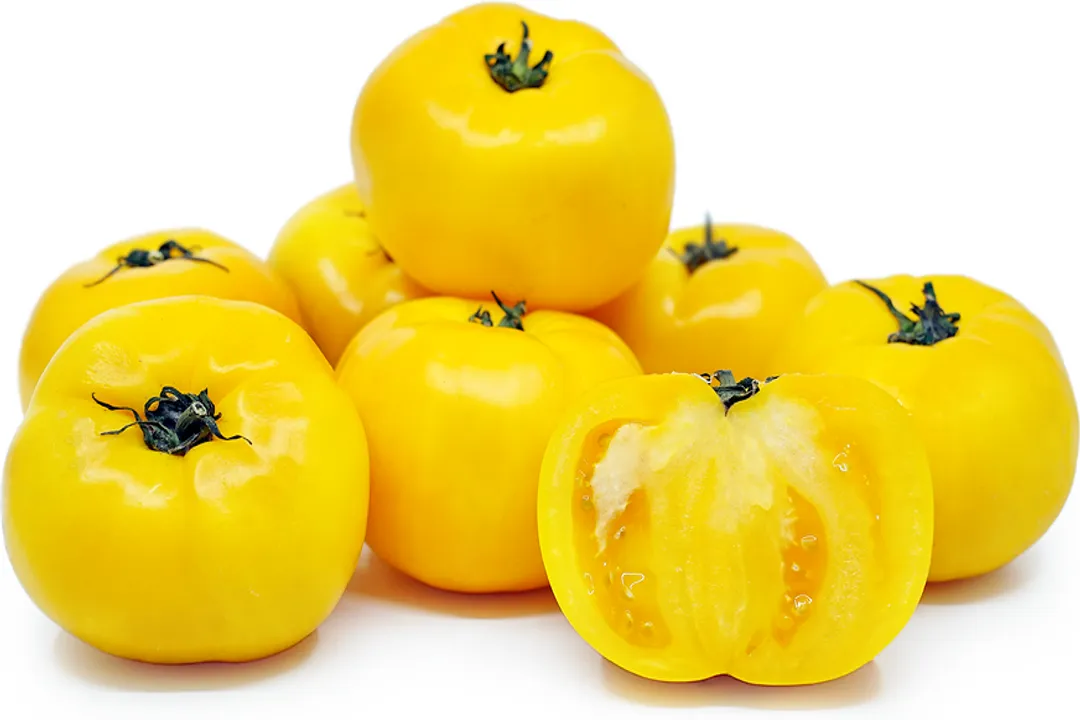
The bright, sunny hue of a yellow tomato often signals a culinary experience distinct from its more common red counterpart. While many assume that nutritional value strictly correlates with the depth of color, the reality of eating yellow varieties reveals a fascinating shift in the balance of key vitamins and antioxidants. These tomatoes offer a lighter, often sweeter profile, making them a favorite in salads and fresh preparations where a strong acidic bite is unwanted. Understanding their composition helps us appreciate why including this colorful variety in the diet is worthwhile, even if their primary red pigment, lycopene, is present in lower concentrations.
# Pigment Shift
The most significant difference between red and yellow tomatoes lies in their carotenoid content, which are the pigments responsible for their color. Red tomatoes owe their deep color primarily to high levels of lycopene, a potent antioxidant associated with various health advantages. Yellow tomatoes, lacking this specific compound or possessing it in much smaller amounts, owe their color to other carotenoids.
A key difference noted is the presence of beta-carotene in yellow varieties. Beta-carotene is significant because the body converts it into Vitamin A, essential for vision and immune function. While red tomatoes are often celebrated for lycopene, yellow tomatoes demonstrate that color diversity in produce signals a diversity in protective compounds. The presence of pigments like lutein, another carotenoid, also contributes to the overall antioxidant activity, even if the total concentration differs from red types.
# Vitamin Content
Beyond carotenoids, all tomatoes are respected sources of essential vitamins, and yellow tomatoes are no exception. They provide a notable amount of Vitamin C, an important nutrient for skin health, tissue repair, and immune system support. Vitamin C acts as an antioxidant, helping to protect cells from damage.
Furthermore, due to their beta-carotene content, yellow tomatoes contribute to Vitamin A intake. While some sources might focus on the higher levels of specific nutrients in red tomatoes, the profile of yellow tomatoes remains strong, supplying necessary dietary components like potassium and fiber alongside the vitamins.
# Mineral Profile
The mineral composition of yellow tomatoes supports overall bodily functions. They contain potassium, a mineral vital for regulating fluid balance, muscle contractions, and nerve signals. This mineral content is consistent across many tomato varieties, making them a simple addition to a diet aimed at managing blood pressure or maintaining electrolyte balance. Like most fresh produce, they also contribute dietary fiber, which is beneficial for digestive health.
# Nutrient Absorption Tactics
While the sources confirm the presence of beneficial compounds like beta-carotene in yellow tomatoes, how we consume them can influence how well our bodies actually utilize these fat-soluble nutrients. For instance, carotenoids, including beta-carotene, are absorbed more effectively when consumed with a source of dietary fat. Thinking practically about a simple summer snack, dicing yellow tomatoes and drizzling them with a small amount of olive oil—perhaps alongside a sprinkle of nuts—will significantly enhance the bioavailability of those fat-soluble vitamins compared to eating them plain. [1] This strategy applies to both the beta-carotene found in yellow tomatoes and the lycopene found in red ones, making healthy preparation a key factor for any tomato lover.

# Flavor and Culinary Integration
One feature that sets yellow tomatoes apart in the kitchen is their flavor profile. They are often described as being milder and less acidic than red tomatoes. This characteristic makes them exceptionally versatile for specific culinary applications where the sharpness of a typical slicing tomato might overwhelm other delicate flavors.
For example, when preparing a light white gazpacho or a creamy vegetable soup where a traditional red base would muddy the color and introduce too much tang, yellow tomatoes are an excellent substitute. [2] Their lower acidity also makes them suitable for pairing with milder cheeses or in vinaigrettes meant to complement fresh fish or white meats where a bright, sweet note is preferred over a tart one. Think of a simple Caprese variation using mozzarella di bufala, fresh basil, and yellow tomato slices lightly seasoned; the mildness allows the quality of the cheese and herb to shine through without being overpowered by tomato acidity.
# Contextual Health Comparisons
It is important to maintain a balanced perspective when discussing the health benefits of different colored produce. While red tomatoes typically boast higher lycopene levels, which are associated with heart health and cancer prevention, this does not diminish the value of yellow tomatoes. Choosing yellow tomatoes simply means you are prioritizing a different set of benefits, primarily driven by their unique carotenoid blend, including beta-carotene.
When gardeners or consumers choose between varieties, the "healthiest" option might depend on the specific nutrient the individual is aiming to increase or the specific culinary purpose of the tomato. Research indicates that tomatoes, regardless of color, are nutrient-dense foods that contribute positively to overall health. Instead of viewing them as a competition, these color variations should be seen as an opportunity to add variety to the diet, ensuring a broader spectrum of phytochemicals are consumed over time.

# Growing and Sourcing Notes
For those who cultivate their own produce, the selection of yellow varieties often involves choosing heirloom types, which many home gardeners prefer for their unique textures and tastes. While chemical spraying for pests or disease might be a concern for some, choosing varieties known to be less susceptible or opting for organically grown options ensures that the health benefits of the tomato are maximized without introducing unwanted residues. Furthermore, the intensity of color and flavor can often be tied to growing conditions, suggesting that sun exposure and soil health play a significant role in the final nutritional output, regardless of the base color. [3]
The continued investigation into the specific compounds within different colored fruits and vegetables underscores the value of eating the rainbow. Yellow tomatoes provide a distinct nutritional signature—one that contributes significant Vitamin C and beta-carotene—making them a colorful and beneficial addition to a balanced diet. Their milder flavor profile also encourages creative culinary uses, allowing cooks to utilize tomatoes in ways that a more acidic variety might not suit. By appreciating these nuanced differences, consumers can make informed choices that support both their palate and their well-being.
Related Questions
#Citations
Grow the Rainbow: Health Benefits by Tomato Color - Burpee Seeds
Yellow tomatoes Nutrition Facts - CheckYourFood
Tomatoes: Health Benefits and Varieties - Facebook
Tomatoes 101: Nutrition Facts and Health Benefits - Healthline
Yellow Tomatoes Information and Facts - Specialty Produce
Which Tomatoes Are the Healthiest to Grow? - Safer Brand
Tomatoes: An Extensive Review of the Associated Health Impacts of ...
Yellow tomato (Recipes and Nutritional information)
How Healthy Are Tomatoes? | Food Science & Human Nutrition