Health Benefits of Tomato

The familiar summer scent of sun-ripened tomatoes often brings to mind salads and sauces, but beneath their vibrant skin lies a nutritional profile deserving far more attention. These versatile fruits—botanically speaking—are packed with essential vitamins, minerals, and potent antioxidants that contribute significantly to overall wellness. From the cardiovascular system to cellular protection, integrating tomatoes into your regular diet offers measurable health advantages, largely driven by their most famous compound, lycopene. [1][6]
# Antioxidant Star
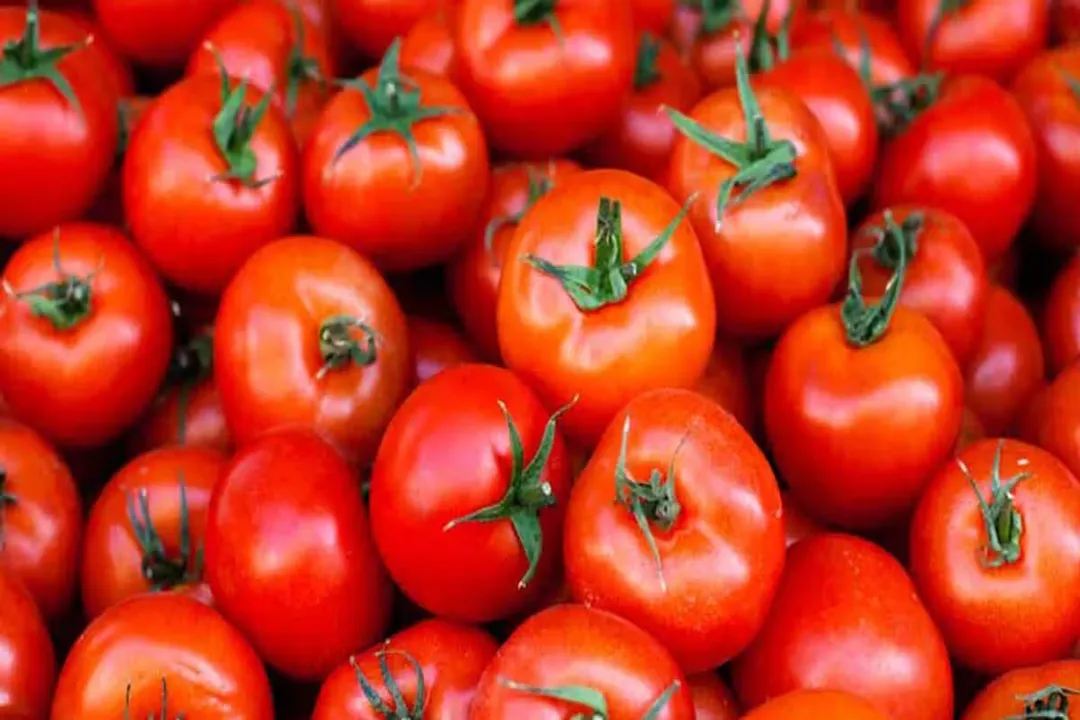
The standout feature of the tomato, especially the red varieties, is its high concentration of lycopene. [1][4] Lycopene is a carotenoid pigment responsible for the tomato's signature red hue, and it functions as a powerful antioxidant in the body. [4] Antioxidants work by neutralizing unstable molecules called free radicals, which can cause cellular damage over time. [3] By managing this oxidative stress, the tomato aids in defense against chronic ailments. [3]
Research suggests that consistent intake of lycopene is associated with a reduced risk of developing certain types of cancer, including prostate, lung, and stomach cancers. [1][4] While consuming tomatoes doesn't guarantee prevention, the evidence points toward a supportive role for these compounds in maintaining healthy cellular environments. [3][4] It is important to note that the concentration of this beneficial substance can vary significantly depending on the maturity, variety, and preparation method of the tomato. [8][1]
# Cardiac Support

The benefits tomatoes offer to the heart are twofold, stemming from both the lycopene content and other vital minerals like potassium. [1][6] Lycopene has been noted in studies for its potential to help lower levels of low-density lipoprotein (LDL) cholesterol, often referred to as the "bad" cholesterol. [4] Elevated LDL levels are a major risk factor for the buildup of plaque in the arteries, which restricts blood flow. [6]
Potassium, on the other hand, plays a recognized role in blood pressure regulation. [1] By balancing the negative effects of sodium, adequate potassium intake helps keep blood pressure within healthy parameters, reducing strain on the heart and circulatory system. [4] When you enjoy a tomato-based dish, you are effectively delivering both an antioxidant protector and a mineral regulator to support long-term cardiovascular function. [6]

# Eye Shield
While lycopene gets most of the press, tomatoes also contain other crucial carotenoids beneficial for maintaining sight, namely lutein and zeaxanthin. [1][4] These compounds are known to accumulate in the macula of the eye, where they function as natural filters against damaging high-energy blue light. [4]
Regular consumption of foods rich in lutein and zeaxanthin is often correlated with a lower incidence of age-related macular degeneration (AMD), a leading cause of vision impairment in older adults. [1] Ensuring a steady intake of these specific compounds through fruits and vegetables like tomatoes can be a proactive step in preserving long-term visual acuity. [4]
# Dermal Health
Few people realize that eating tomatoes can contribute to skin protection from the outside in. [1] Lycopene, once absorbed into the bloodstream, exhibits properties that offer a degree of protection against ultraviolet (UV) radiation damage from the sun. [4][6] This is not a substitute for sunscreen, but rather a supplemental internal defense mechanism built up over time through regular consumption. [1]
Studies have indicated that individuals who routinely eat tomato products show less redness and inflammation after UV exposure compared to those who do not. [4] For someone who enjoys gardening or spending time outdoors, thinking of a tomato sauce as a dietary layer of defense alongside proper topical protection offers a practical angle on its use. [6]

# Key Nutrients
Beyond the celebrated carotenoids, tomatoes are excellent sources of several basic vitamins and minerals necessary for daily bodily functions. [6] They are rich in Vitamin C, an essential nutrient for immune system function and collagen production, which is key for skin and tissue repair. [1]
Furthermore, tomatoes deliver significant amounts of Folate, or Vitamin B9, which is vital for proper cell division and is especially critical during periods of rapid growth, such as pregnancy, where it helps prevent certain neural tube defects. [1] Vitamin K is also present, supporting the body’s processes for blood clotting and bone mineralization. [1] A medium-sized tomato can provide a helpful contribution toward the daily recommended intake for several of these vital micronutrients. [6]
# Phytochemical Range
The health benefits of tomatoes are not exclusive to the common red variety found in most grocery stores. A closer look at the produce section reveals a spectrum of colors, each offering a slightly different nutritional emphasis. [8]
| Tomato Color | Primary Pigment/Phytochemical | Associated Benefit Focus |
|---|---|---|
| Red | Lycopene | Antioxidant, Heart Health [8][4] |
| Yellow/Orange | Beta-Carotene | Converted to Vitamin A, Vision [8] |
| Purple/Black | Anthocyanins | Potent Antioxidant effects [8] |
This difference in pigmentation means that varying your intake broadens your nutritional exposure. While red tomatoes dominate the lycopene narrative, incorporating yellow or orange varieties ensures you receive more beta-carotene, a precursor to Vitamin A that supports mucous membranes and eyesight. [8] If you happen to find heirloom purple or black tomatoes, you are getting anthocyanins, which are generally recognized for their powerful antioxidant capabilities. [8] A simple way to ensure a broad spectrum of nutrient absorption during a meal is to consciously pair vegetables; for instance, when eating a salad featuring yellow tomatoes, adding a dark leafy green further ensures you are covering multiple antioxidant bases simultaneously.

# Gut Function
Tomatoes contribute positively to digestive health through their water and fiber content. [4] Fiber adds bulk to stool, which helps move food through the digestive tract efficiently and aids in preventing constipation. [1][4] Because tomatoes have a high water percentage, they assist in overall hydration, which is also necessary for soft, easily passed stools. [4] Eating them frequently, especially in their whole form rather than heavily processed, supports consistent, healthy bowel movements. [1]
# Better Uptake
It is a common misconception that raw vegetables always offer the superior nutritional profile. In the case of tomatoes and lycopene, cooking them actually increases the amount of lycopene the body can actually absorb, a process known as increased bioavailability. [4][6] Heating breaks down the tomato's tough cell walls, releasing the stored lycopene, making it more accessible for intestinal absorption. [1]
This effect is further enhanced when tomatoes are consumed with a source of fat. [6] Lycopene is a fat-soluble compound, meaning it dissolves in fats rather than water, and its uptake is significantly improved when paired with dietary fats. [1][4] For example, a sauce simmered with olive oil or a raw slice topped with avocado will deliver more usable lycopene to your system than a plain, raw, unadorned tomato. Understanding this synergy—that heat plus fat unlocks the maximum potential of the primary nutrient—is key to turning simple cooking into strategic nutrition. [4]
Related Questions
#Citations
The Health Benefits of Tomatoes - WebMD
6 Reasons to Eat More Tomatoes | St. Vincent's Medical Center
Tomatoes: An Extensive Review of the Associated Health Impacts of ...
Top 10 Health Benefits of Eating Tomatoes
The Benefits of Tomatoes for Men's Health and Fertility
Tomatoes 101: Nutrition Facts and Health Benefits - Healthline
Health Benefits of Tomatoes
Grow the Rainbow: Health Benefits by Tomato Color - Burpee Seeds
How Might Tomatoes Provide Health Benefits? - USDA ARS