Health Benefits of Purple Tomato
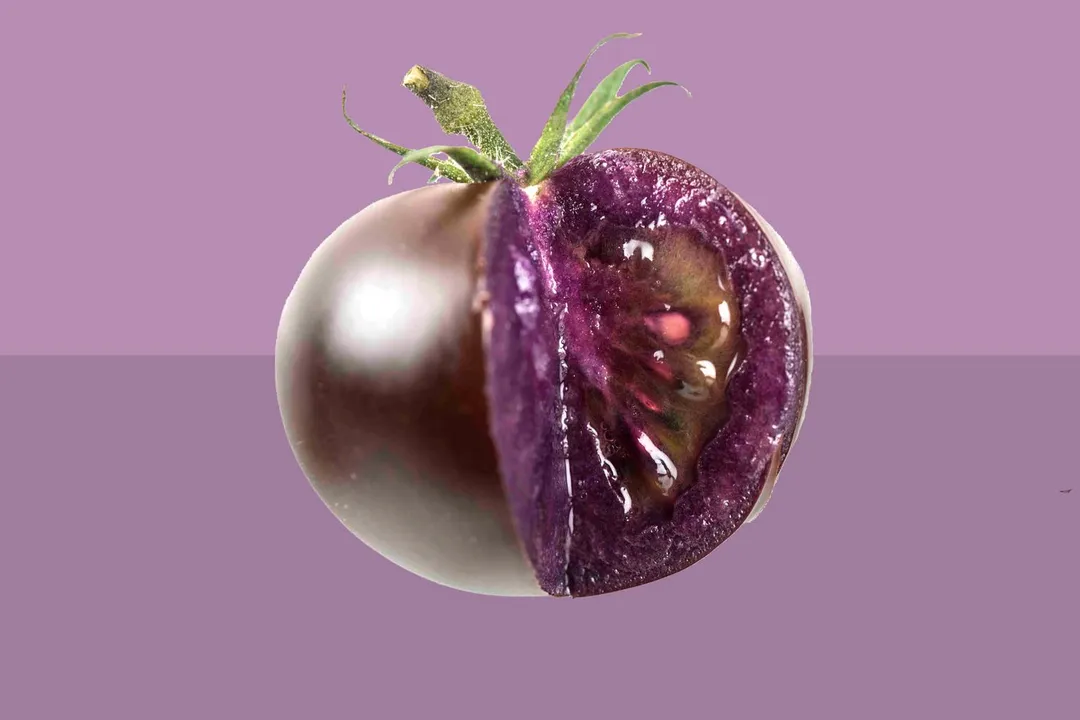
The vibrant shift in the produce section is hard to miss, with tomatoes taking on deep, almost black hues that set them apart from their traditional red cousins. These purple tomatoes have generated significant buzz, not just for their striking appearance, but for the distinct nutritional advantages they bring to the table, largely driven by the very pigments that give them their color. [1][3] It’s not merely a cosmetic upgrade; it’s a concentrated dose of health compounds that were previously harder to obtain in high concentrations from common garden staples. [6]
# Pigment Power
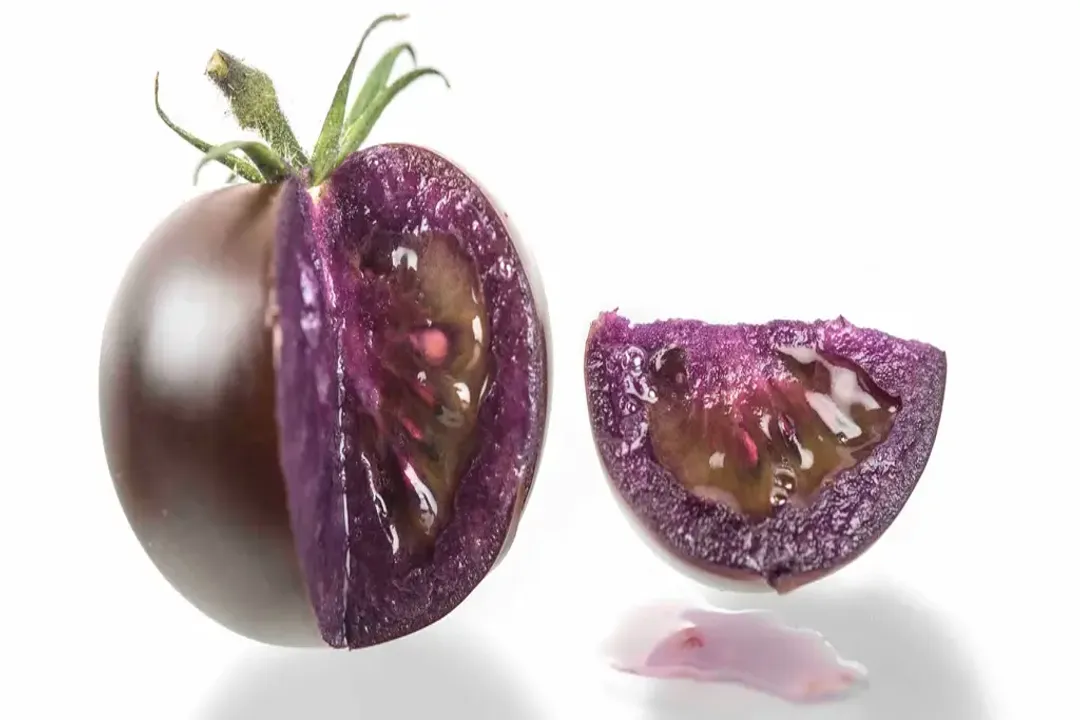
The deep purple and sometimes black coloring in these varieties is the visual marker for a high concentration of anthocyanins. [1] Anthocyanins are a class of flavonoids, which are natural pigments responsible for the red, purple, and blue colors found in many fruits and vegetables. [6] What’s particularly fascinating is the concentration found in these specially bred tomatoes. Some reports suggest that certain purple tomato varieties can contain levels of anthocyanins that actually surpass those found in blueberries, which are often lauded as an antioxidant gold standard. [1]
This abundance of anthocyanins is the central point of interest for nutritionists and health-conscious consumers alike. While the common red tomato owes its color primarily to lycopene—another powerful antioxidant—the purple varieties offer a dual benefit, combining lycopene with these newly concentrated anthocyanins. [6] Understanding this composition explains the excitement: you are essentially getting a well-known heart-healthy compound (lycopene) alongside a potent, less-common powerhouse (anthocyanin) in a single bite. [1][6]
# Antioxidant Profile
Antioxidants are substances that help protect your cells against the effects of free radicals, which are molecules produced when your body breaks down food or is exposed to environmental stressors. [3] By scavenging these free radicals, antioxidants play a key protective role throughout the body. [6] The high anthocyanin content in purple tomatoes is directly linked to a measurable boost in antioxidant activity. [1][3]
Research indicates that consuming these compounds is associated with several potential long-term health advantages. For instance, the presence of these potent antioxidants may help in reducing the risk of chronic diseases. [3] Specifically, studies point toward benefits related to cardiovascular health, suggesting a potential role in maintaining healthy blood pressure and reducing oxidative stress in the circulatory system. [6] Furthermore, for those concerned about vision, antioxidants like those found in tomatoes generally contribute to good eye health, an often-overlooked aspect of daily nutrition. [3] When considering daily intake, swapping a standard red tomato for a purple one when possible is an easy, almost passive way to increase your dietary load of these protective phytonutrients. [1]

# Breeding Not GMO
A frequent point of confusion when novel produce appears is the method of its creation. It is important to clarify that the high-anthocyanin purple tomatoes widely discussed are not genetically modified organisms (GMOs). [3][7][8] Instead, the development of these specific varieties, pioneered by researchers in places like Norfolk, UK, involved traditional cross-breeding techniques. [8]
Scientists selected tomato lines that naturally possessed high levels of the pigment-producing genes and crossed them with standard tomatoes. [3][7] This process selectively bred the desired trait—the high anthocyanin content—into a familiar, edible tomato structure. [10] This distinction is significant for consumers who may prefer to avoid GMO products but still wish to access enhanced nutritional profiles through traditional agricultural science. [7] The success of this breeding effort has demonstrated that conventional plant science can significantly enhance the functional food aspect of common crops without relying on genetic modification techniques. [10]
# Cultivation and Market Response
The release of these nutritionally dense tomatoes has met with an enthusiastic response from the public, particularly home gardeners. [8] There has been a noticeable rush by enthusiasts eager to grow these unique vegetables themselves, signaling a strong consumer interest in functional foods that go beyond basic nutrition. [4][8] This high demand translates into exciting new opportunities for the agricultural sector in places like the United States, suggesting a viable market for specialty, high-value crops. [2]
When thinking about incorporating these into your own kitchen, it's helpful to consider how their makeup might affect their best use. Since heat can degrade some delicate compounds, enjoying them raw is the best way to maximize the intake of both lycopene (which is actually more bioavailable when cooked) and the heat-sensitive anthocyanins. [1] A simple suggestion for maximizing nutrient delivery without sacrificing flavor is to use purple tomatoes in fresh preparations like salads, salsas, or sliced simply with basil and a drizzle of olive oil. The subtle shift in flavor profile, which can sometimes be slightly more savory or acidic depending on the cultivar, pairs well with fresh preparations that let the natural taste shine through. [4] This approach allows the intense color and the unique blend of antioxidants to take center stage. [1]
# Enhancing Dietary Intake
While the headline benefit is the anthocyanin boost, these tomatoes still offer the baseline nutritional value of any good tomato. They are a source of essential nutrients such as Vitamin C and potassium. [3] However, the question for many consumers becomes: how much of this enhanced benefit translates into real-world dietary impact? If a standard red tomato provides, say, 5mg of a specific antioxidant, and a purple one provides 20mg, simply swapping one for one in a recipe means a four-fold increase in that specific compound for the same caloric and preparation effort. This efficiency in nutrient delivery is a key advantage for those looking to subtly improve their overall diet without drastically changing eating habits or adding multiple new supplements. [2]
Consider integrating them into your weekly meal planning. If you typically eat one sandwich a day containing a slice of tomato, switching that to a purple variety three times a week means you've added a significant, measurable boost of unique antioxidants without needing a specialized diet plan. This consistent, low-effort substitution is often more sustainable for long-term health goals than sporadic, high-effort dietary overhauls. [6]
# Future Produce Opportunities
The success story of the purple tomato extends beyond the home garden and into the commercial sphere, representing a potential win for agriculture by showcasing the value derived from targeted, non-GMO breeding programs. [10] For farmers looking to diversify away from commodity crops, specialty tomatoes like these offer a higher value proposition per pound, provided they can meet the proven consumer demand. [2] This trend points toward a future where grocery stores and farmers' markets feature an increasingly diverse palette of nutrient-enhanced common vegetables, moving us toward a more functional food supply. [7]
The excitement surrounding these vegetables isn't just hype; it's a clear market signal that consumers are increasingly interested in the how and why behind their food's color and composition. [4] As more research clarifies the long-term effects of high anthocyanin intake, varieties like these purple tomatoes are well-positioned to become standard fixtures rather than niche novelties, cementing their place as a high-quality, health-boosting staple. [3][6]
Related Questions
#Citations
What Are Purple Tomatoes and Are They Healthy? - EatingWell
Purple Tomatoes Boost Nutrition Crop Value and Create New ...
Scientists turned tomatoes purple to make them more nutritious
A Purple Tomato for Your Home Garden with Increased Health ...
Purple tomatoes have health benefits - Facebook
A new variety of purple tomato as a rich source of bioactive ... - NIH
Healthy Antioxidants: Plant Anthocyanins
US gardeners rush to snap up purple tomatoes pioneered in Norfolk
Purple Tomato - Importance and Scope: A Review - ARCC Journals
The story of the purple tomato – and why its success is a win for GM ...