Health Benefits of Purple Asparagus
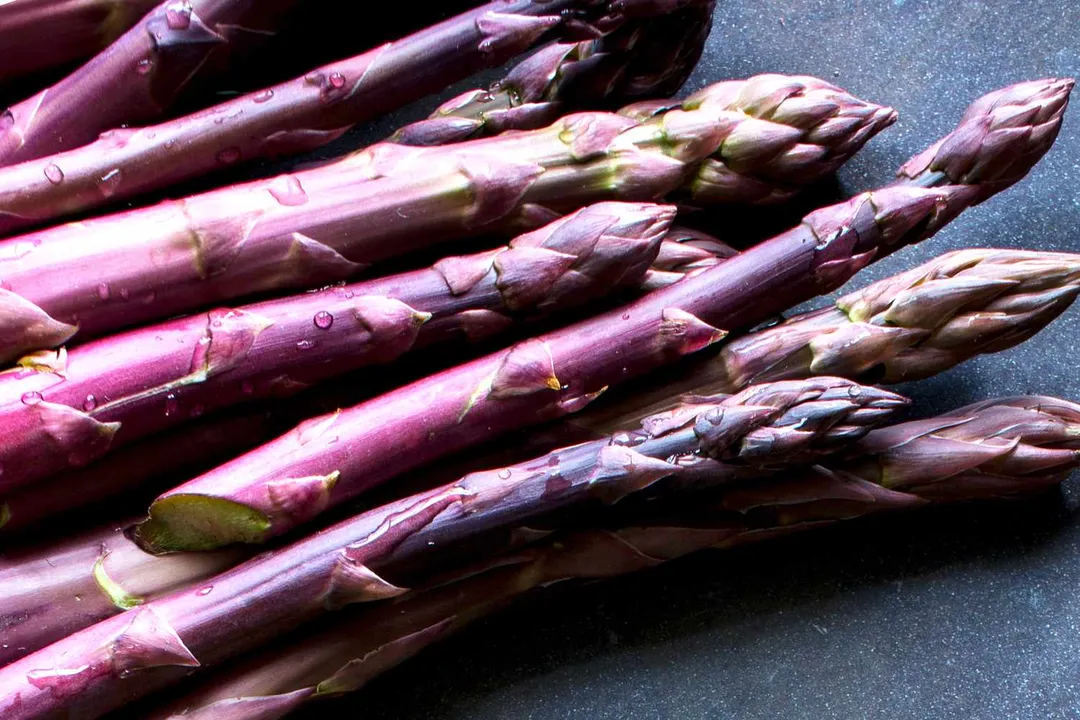
The first thing anyone notices about purple asparagus is its striking hue, a deep, vibrant shade that seems almost too rich for a vegetable. This isn't the result of artificial coloring or a special dye; it is nature signaling something unique about this variety compared to its more common green counterpart. While all asparagus offers nutritional value, the purple spear presents a slightly different package, often boasting a sweeter disposition and a notable advantage in specific antioxidant compounds.
# Distinctive Color
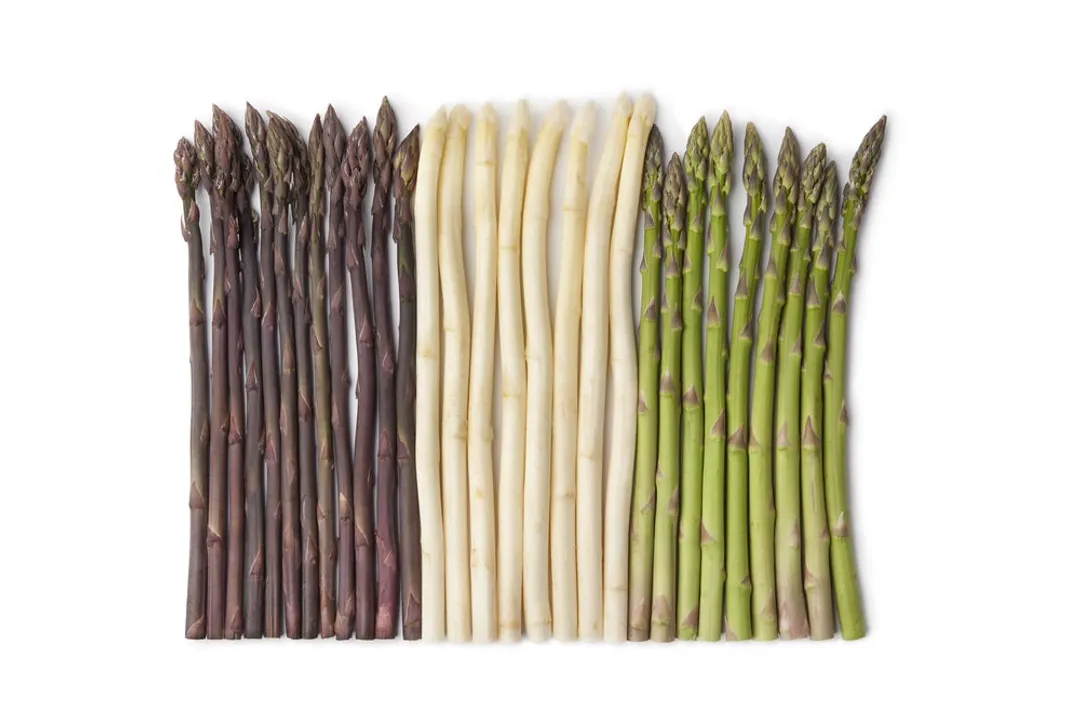
The characteristic purple tint comes directly from the presence of anthocyanins. These are the same powerful pigments responsible for the rich colors found in blueberries, red cabbage, and grapes. Anthocyanins belong to a broader group of beneficial plant compounds known as flavonoids, which act as potent antioxidants in the human body. The concentration of these specific pigments is what sets the purple variety apart nutritionally from standard green asparagus.
# Taste Profile
One of the most immediately noticeable differences when biting into purple asparagus, especially when eaten raw or very lightly cooked, is the flavor. Many consumers find it significantly sweeter than green varieties. This added sweetness correlates with a slightly lower fiber content and a higher concentration of natural sugars in the stalks. This textural and flavor difference makes it an excellent choice for raw preparations, like salads or crudités, where the inherent sweetness can truly shine without being masked by heavy sauces or prolonged cooking.
# Anthocyanin Power
The primary health story behind purple asparagus centers on those anthocyanins. These compounds function as antioxidants, helping to neutralize harmful free radicals circulating in the body. While general asparagus is known for containing various antioxidants, the purple variety offers this specific, highly visible source. When selecting vegetables based on color alone, trusting the vibrancy of the purple hue as an indicator of peak potential nutrient density for this specific type is a useful strategy for shoppers at the market.
It is important to understand the sensitivity of this particular compound. Anthocyanins are water-soluble and degrade when exposed to high heat or prolonged water contact. This means that when you boil purple asparagus, you are likely losing much of the very component that gives it its distinguishing color and an extra layer of antioxidant defense.
# Cooking for Color
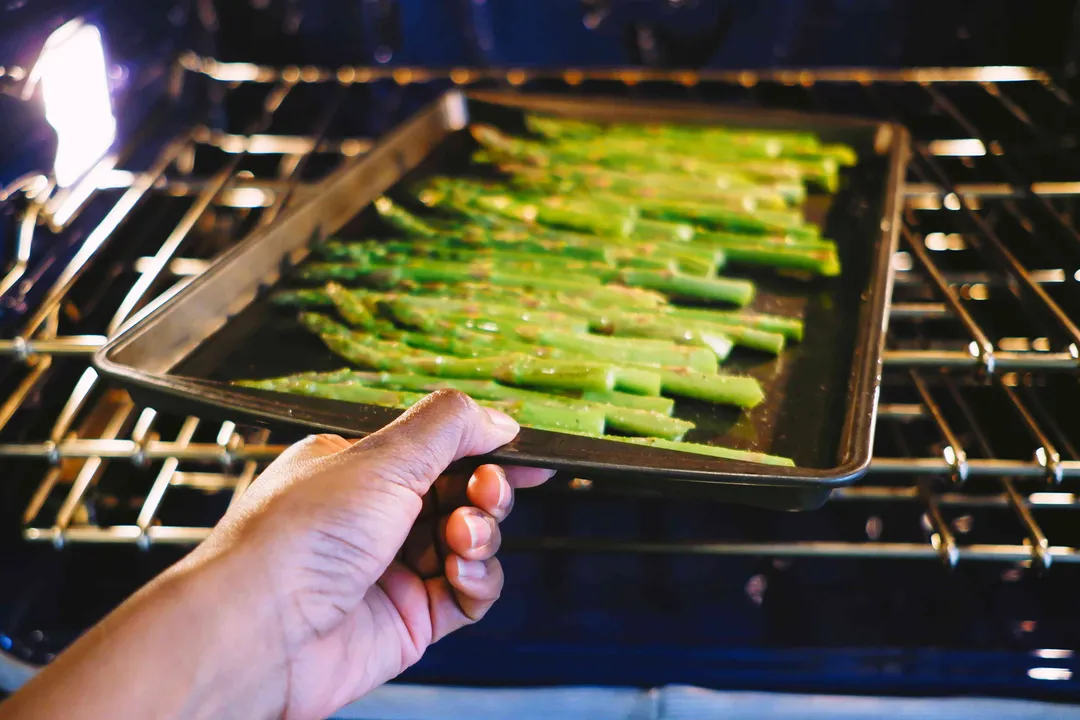
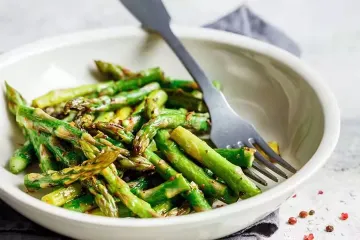
When incorporating purple asparagus into a spring menu, consider preparation methods that minimize water and heat exposure to retain both color and nutrients. Steaming briefly or quick roasting are superior options to boiling. For example, if you quickly roast the spears with a drizzle of olive oil—a source of healthy fat—you are maximizing the retention of water-soluble vitamins like Vitamin C while simultaneously ensuring better absorption of fat-soluble vitamins (like Vitamin E, which asparagus also contains). This dual approach—minimal heat plus healthy fat—offers a way to capture nearly the full spectrum of benefits the vegetable offers.
# Core Nutrients
Beyond the unique anthocyanins, purple asparagus shares a foundation of excellent nutrition with other asparagus colors. It serves as a good source of several essential vitamins and minerals vital for overall health maintenance.
# Folate and Blood Health
One of the most notable contributions of asparagus across the board is its significant folate content. Folate, or Vitamin B9, is critical for cell division and DNA synthesis. This makes it particularly important for pregnant individuals, where adequate intake helps prevent neural tube defects in a developing fetus. It also supports healthy red blood cell formation, playing a part in preventing certain types of anemia.
# Vitamins K and C
The spears are also rich in Vitamin K, a nutrient essential for blood clotting and bone health. Furthermore, asparagus is a valuable source of Vitamin C, which supports immune function and acts as another key antioxidant in the body. The presence of Vitamin E adds further protective antioxidant power.
# Systemic Support
The nutritional makeup of asparagus contributes to several systemic health goals, often linked to its fiber and mineral content.
# Digestive Aid
Asparagus is generally recognized as a good source of dietary fiber. Fiber supports the smooth passage of food through the digestive tract and aids in regularity. While the purple variety might be slightly less fibrous than the green, it still contributes meaningfully to daily intake, supporting a healthy gut environment.
# Blood Pressure Management
General asparagus consumption has been linked to cardiovascular benefits, partly due to its mineral composition. Asparagus contains potassium, which helps balance sodium levels, potentially aiding in the maintenance of healthy blood pressure levels.
# Natural Diuretic Effect
It is well-known that asparagus has a natural diuretic effect, meaning it can help the body excrete excess salt and fluid. This can be beneficial for reducing temporary water retention. Interestingly, the compounds responsible for this effect are also what give asparagus its distinctive—and sometimes surprising—odor after consumption, a characteristic shared across all colors.
# Selection and Storage
Knowing the health benefits prompts the question of how best to select and store these delicate spears to maximize enjoyment and nutritional value. When shopping, look for spears that are firm, straight, and have tight tips. Avoid any that appear rubbery, wilted, or have separated, open tips. For the purple variety specifically, seek the deepest, most uniform color, as this generally indicates higher anthocyanin levels.
Once you bring them home, storage is key to maintaining freshness. The best practice, particularly for a vegetable that is losing moisture quickly, is similar to storing cut flowers: stand them upright in a jar or glass with about an inch of water. You can loosely cover the tops with a plastic bag and place them in the refrigerator. This simple step helps keep the stalks crisp until you are ready to prepare them.
# Putting It On Your Plate
Incorporating purple asparagus into your regular rotation doesn't require overly complex recipes, given its natural sweetness. Think of it as a colorful vegetable upgrade across common meals.
For a quick lunch, you might shave raw purple spears thinly into a grain bowl, using the natural crunch and sweetness to offset heartier ingredients like quinoa or roasted sweet potatoes. When grilling or roasting, aim for a short cook time—perhaps 5 to 8 minutes depending on thickness—until they are tender-crisp, not limp. A light dressing of lemon zest, sea salt, and perhaps a sprinkle of toasted nuts will provide texture contrast while supporting the nutrient profile. If you are interested in baking, you can even chop the spears finely and fold them into savory muffins or quick breads, adding color and moisture without the texture overwhelming the final product. The variation in color also makes simple sides instantly more visually appealing, adding an element of enjoyment that often encourages healthier eating habits.
Related Questions
#Citations
What Is Purple Asparagus and How Do I Use It? - EatingWell
Top 7 Health Benefits of Asparagus - Healthline
Exploring Purple Asparagus: A Colourful and Nutritious Addition to ...
The Healthy, Sexy Side of Asparagus - Michigan Farm Fun
Purple Asparagus Information and Facts - Specialty Produce
What are the benefits of raw purple asparagus? - Facebook
Nutrition Benefits Of Purple And White Asparagus - Triathlete
9 Health Benefits of Asparagus - Nutrition
Brighten spring dishes with asparagus - Mayo Clinic Health System
A Review of the Pro-Health Activity of Asparagus officinalis L. and Its ...