Health Benefits of Purple String Bean
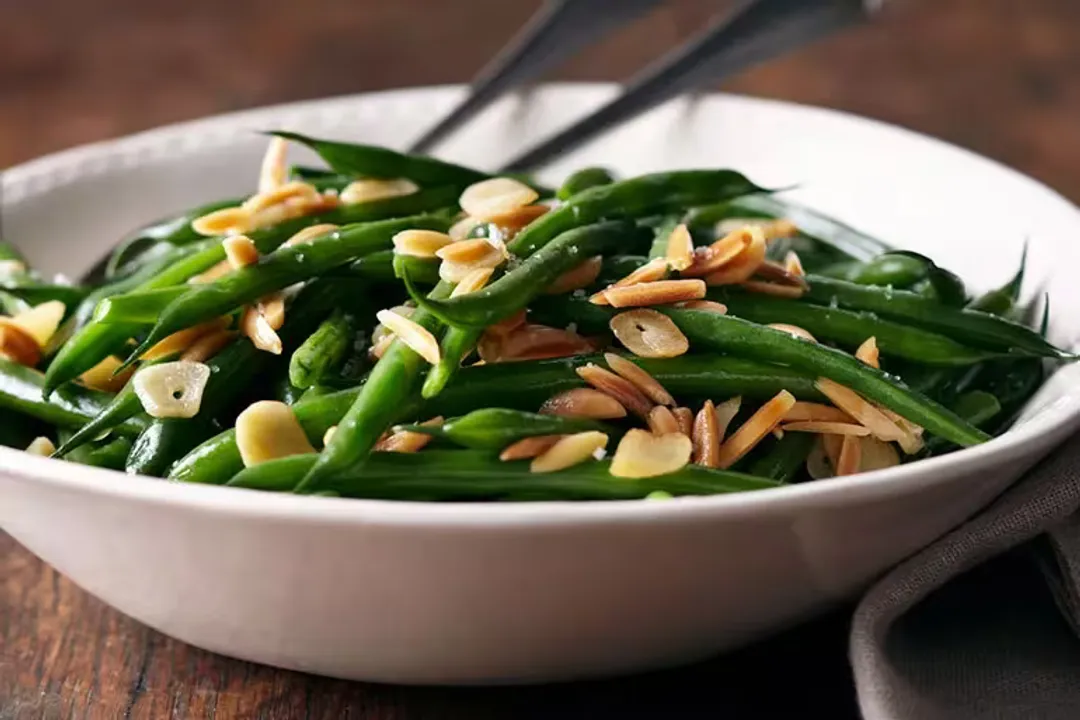
The arrival of purple string beans in the produce aisle often prompts a curious pause, as they offer a striking visual departure from their more common green counterparts. These vibrant legumes, sometimes called royal purple beans, are not just a novelty; they pack a significant nutritional punch, often mirroring and sometimes enhancing the benefits found in standard green beans. [4][2] Understanding what sets them apart—and what they share with other string beans—provides a clearer picture of how to incorporate this colorful addition into a health-conscious diet.
# Color Pigments
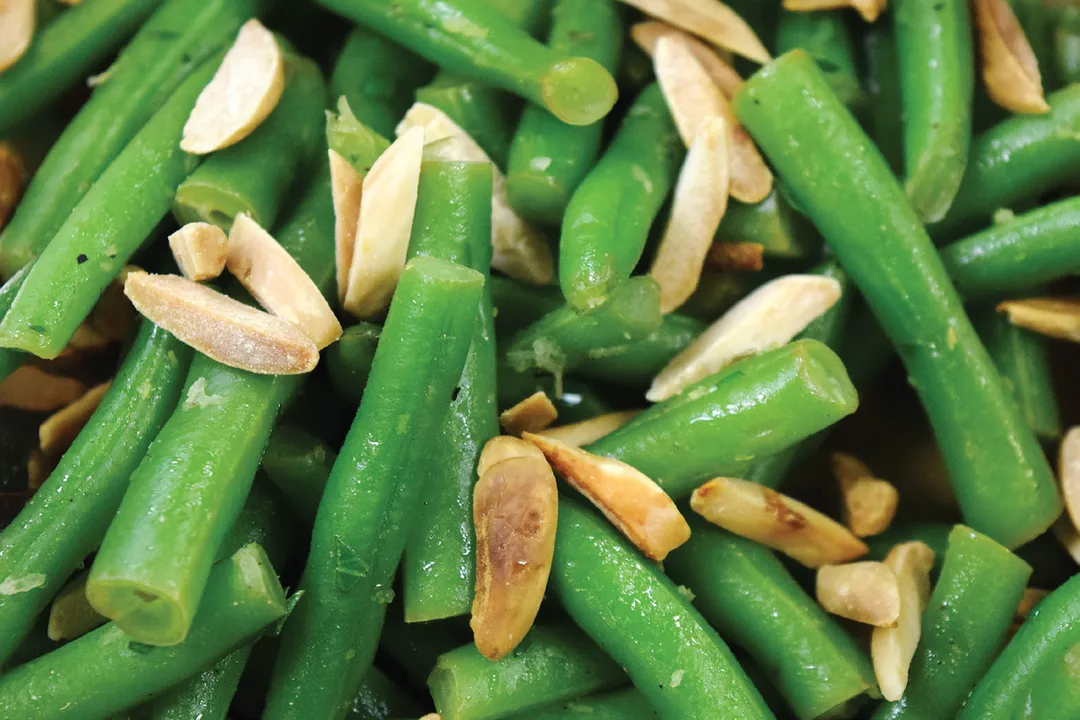
The most immediate difference is the captivating, deep violet hue of the purple string bean. This dramatic coloration is attributed to high concentrations of anthocyanins. [5] Anthocyanins are potent antioxidants that give many fruits and vegetables their rich blue, red, or purple shades, such as in blueberries or red cabbage. [5] In the context of purple vegetables, these compounds are celebrated for their ability to combat harmful free radicals in the body, which is a key mechanism for maintaining overall cellular health. [5] While green beans offer excellent nutrition, the presence of these specific pigments in the purple variety introduces an added dimension of antioxidant potential linked to cardiovascular and cognitive support. [5]
# Nutritional Density
When we look past the color, the foundational nutritional quality of purple string beans holds up well against other varieties. A serving provides a wealth of essential vitamins and minerals while remaining remarkably low in calories. [2] For those monitoring energy intake, this vegetable provides substantial dietary bulk without a high caloric load. [2]
The vitamins present are notable contributors to daily requirements. For instance, purple string beans are a source of Vitamin C, which is critical for supporting the immune system and aiding in collagen production for skin health. [2][4] They also contain significant amounts of Vitamin K, vital for proper blood clotting and maintaining strong bones. [2][4] Furthermore, Vitamin A is present, playing its established role in supporting healthy vision. [2][4]
In terms of minerals, manganese stands out. This trace mineral is involved in metabolism and has roles in bone formation and antioxidant defense. [2] Folate, another key component, is essential for cell division and the creation of genetic material. [2]
If we compare the general makeup of string beans, both green and purple varieties generally offer a similar foundation of micronutrients. [4] However, focusing specifically on the purple type allows us to target those antioxidant benefits directly linked to the anthocyanins. [5] For example, one analysis of purple string beans might show a slightly different balance of fat-soluble versus water-soluble vitamins compared to their green counterparts, though both are excellent sources of dietary fiber. [2][7]
# Fiber Content
Dietary fiber is a cornerstone of string bean nutrition, and the purple variety is no exception. Fiber is crucial for digestive regularity, helping to promote smooth transit through the gastrointestinal tract. [4] Beyond simple regularity, fiber plays a supporting role in blood sugar management by moderating the absorption rate of sugars into the bloodstream. [4]
When planning meals, understanding the fiber contribution helps in creating satisfying dishes. A regular intake of fiber-rich foods like purple string beans can contribute significantly to feelings of fullness, which is often beneficial for weight maintenance goals. [2][4]
# Heart and Vascular Support
The combination of nutrients in string beans extends support to the cardiovascular system. The presence of fiber helps manage cholesterol levels by binding to cholesterol particles in the digestive system, preventing their excessive absorption. [4] Moreover, the antioxidants, particularly the anthocyanins concentrated in the purple variety, are often studied for their potential to support vascular health by promoting flexible and responsive blood vessels. [5] While green beans are known for contributing to a heart-healthy diet, the specialized compounds in the purple ones add an interesting layer to this benefit profile. [4][5]
# Preparation Insights and Culinary Handling
The way purple string beans are prepared can drastically affect both their nutritional retention and their signature color. Anthocyanins, while powerful, can be sensitive to heat and pH changes. A common culinary observation is that cooking purple vegetables in water can cause the vibrant pigments to leach out into the cooking liquid, dulling the bean's appearance and potentially reducing the benefits derived from those pigments. [5]
Here is a practical way to approach cooking them for maximum benefit: to preserve the striking purple color, opt for quick-cooking methods. Steaming for a short duration or sautéing quickly with a little healthy fat is often superior to boiling for extended periods. [5] If you must boil, try to use minimal water and incorporate the cooking liquid into a sauce or soup base rather than discarding it, allowing you to recapture some of those leached vitamins and antioxidants. This approach ensures you are maximizing the intake of both the base vegetable nutrients (like Vitamin K and fiber) and the specialized compounds that give the purple variety its edge. [2][4]
# Contrasting Bean Types
While this article focuses on purple string beans, it is useful to consider them in the broader context of snap beans. For instance, other types, like yardlong beans, might have different water or carbohydrate profiles, though the general nutritional themes—fiber, vitamins, low-calorie—remain consistent across the Phaseolus vulgaris family. [8] The key takeaway for the consumer selecting the purple variety is that you are not sacrificing the established benefits of the green bean; you are simply selecting a version that concentrates color-specific antioxidants like anthocyanins. [2][5]
If you are sourcing these beans locally, consider the growing conditions. Beans grown under optimal, perhaps slightly acidic soil conditions, might display deeper coloration, which could correlate with higher anthocyanin levels. This is a good way to judge quality visually at a farmer's market if you are prioritizing antioxidant intake. [1]
# Incorporating Them Daily
To make sure these vegetables move from occasional treat to staple, integrate them into familiar dishes. A simple weeknight preparation might involve trimming the ends and quickly blanching them before tossing them with toasted sesame oil, garlic, and a sprinkle of sea salt. This method respects the delicate nature of the pigments while creating a flavor profile that pairs well with numerous proteins. [2][4] Alternatively, for those who enjoy raw vegetables, snap beans, including the purple variety, are perfectly safe and crunchy when eaten raw, offering maximum nutritional retention straight from the garden or market basket. [8]
This versatility—from raw crunch to lightly cooked side dish—means that choosing purple string beans doesn't require a major overhaul of your cooking style, just a slight adjustment in technique to honor their unique composition. They stand ready as a visually appealing, fiber-rich, and nutrient-dense addition to any balanced diet. [2][4]
Related Questions
#Citations
Fun Facts: Purple String Beans - OrganicREADY
Purple string beans Nutrition - SnapCalorie
string beans symbolize growth and healthy vitality - Facebook
Health Benefits of Green Beans - WebMD
6 Health Benefits Of Eating Purple Vegetables And Fruits
Health Benefits of Green & Purple Green Beans ⬇️ Did ... - Instagram
Green Beans – Nutrition Facts | N.C. Cooperative Extension
Green beans vs. Yardlong beans — Nutrition Comparison and ...
The Health Benefits of Green Beans