Health Benefits of Pinto Bean
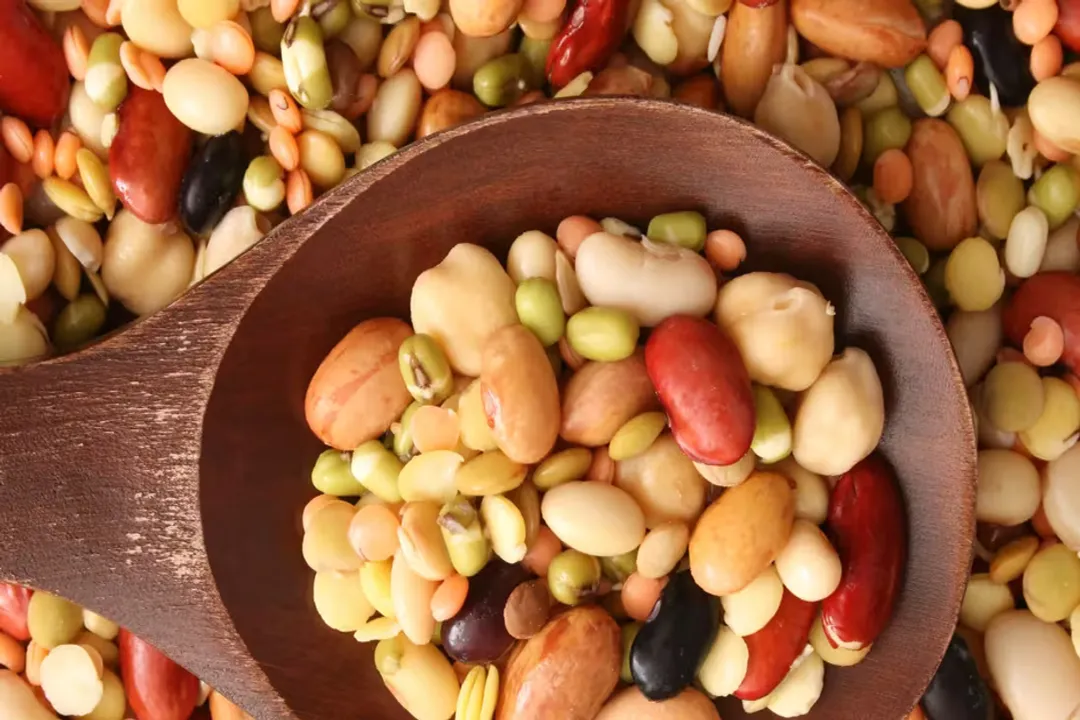
Pinto beans, with their earthy flavor and creamy texture, sit squarely in the category of pantry staples that offer far more than just filling space on a plate. They are a legume powerhouse, making them an excellent addition to almost any eating pattern, whether you are focused on heart health, weight management, or simply trying to eat more cost-effective, nutrient-dense meals.
# Rich Profile
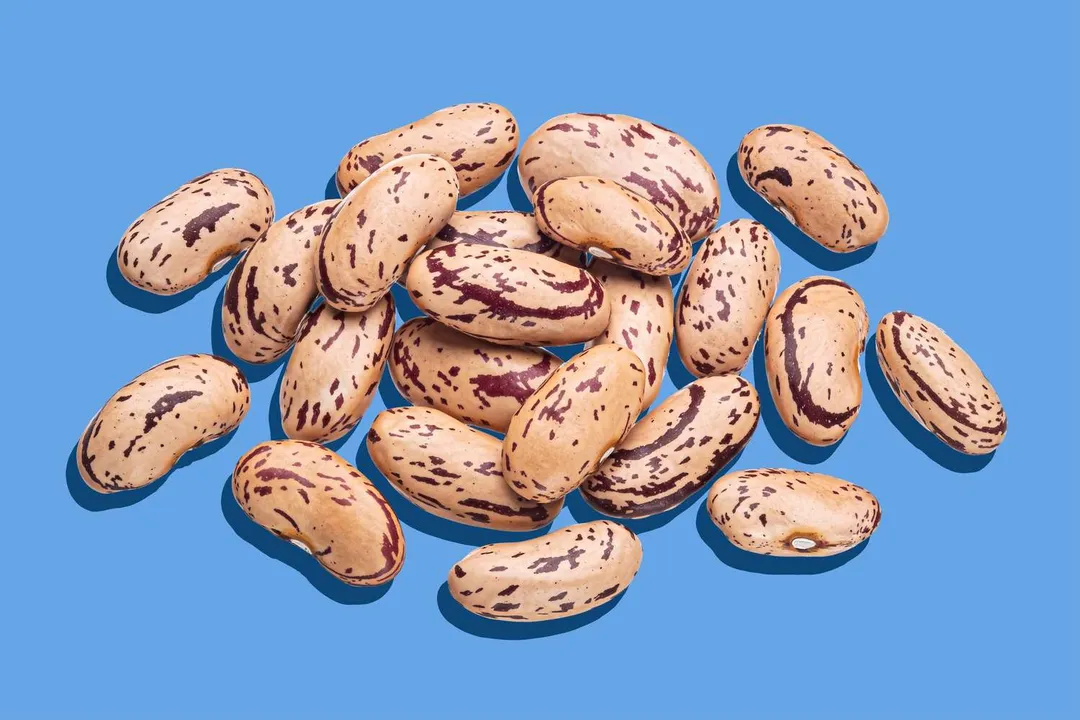
The nutritional makeup of pinto beans is remarkably dense for such an unassuming food item. A standard one-cup serving of cooked pinto beans delivers significant amounts of protein, providing around 15 grams, which is comparable to a few ounces of meat. This makes them an invaluable resource for plant-based diets or for anyone looking to boost their protein intake without the saturated fat often found in animal sources.
Beyond macronutrients, pinto beans excel in micronutrient delivery. They are particularly noted for their high content of folate (Vitamin B9), which is essential for cell division and preventing birth defects. One cup can easily cover a substantial portion of your daily needs for this crucial B vitamin. They also offer a good supply of magnesium, potassium, and iron. For instance, in terms of bone and metabolic support, the magnesium found in pinto beans works alongside other minerals to maintain healthy bodily functions.
# Gut Support
Perhaps the most widely recognized benefit of beans in general relates to their impressive fiber content, and pinto beans are no exception. A single cup contains roughly 15 grams of total dietary fiber, blending both soluble and insoluble types. This high amount is noteworthy; for many adults, consuming one cup of pinto beans can account for more than half of the recommended daily fiber intake, establishing them as a cornerstone for digestive wellness.
The insoluble fiber adds bulk to stool, aiding in regular bowel movements and helping to prevent constipation. Simultaneously, the soluble fiber plays a more complex role in internal health management. This type dissolves in water to form a gel-like substance in the digestive tract. When preparing dried pinto beans, a quick rinse after soaking, followed by cooking in fresh water, can help minimize the gas-producing compounds without entirely sacrificing the beneficial nutrient profile, which is a common trade-off many home cooks overlook.
# Vessel Health
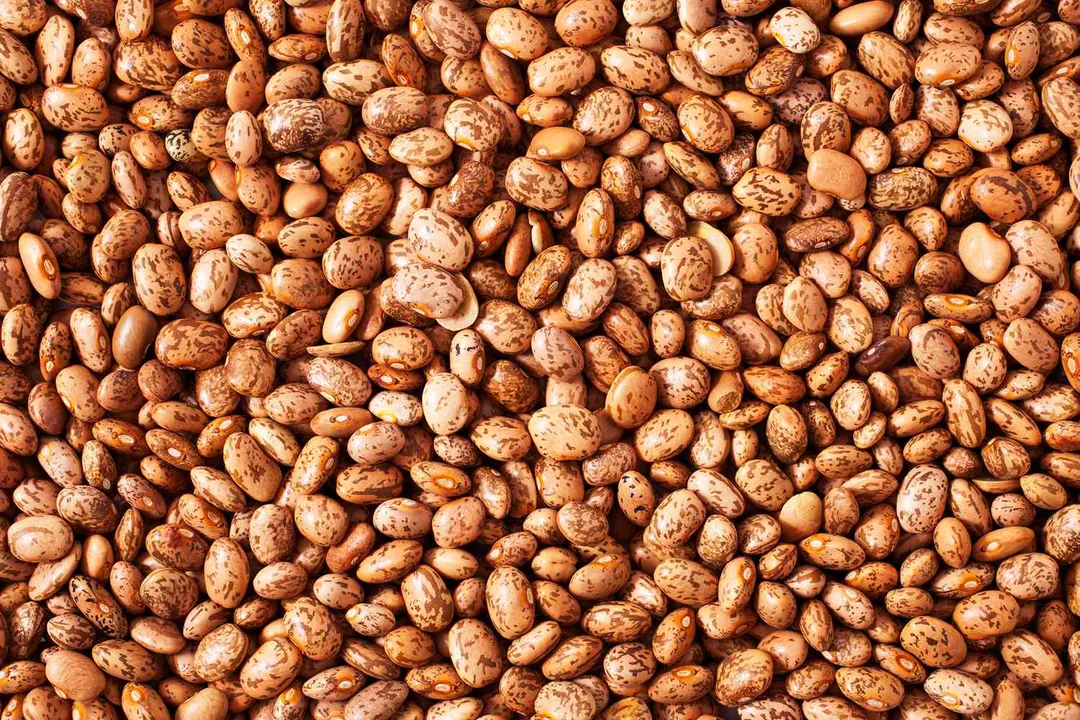
The combination of fiber, potassium, and magnesium positions pinto beans as a heart-healthy choice. The soluble fiber actively works to lower LDL ("bad") cholesterol levels by binding to cholesterol particles in the gut, preventing their absorption into the bloodstream.
Furthermore, the potassium content is important for managing blood pressure. Potassium helps counteract the negative effects of sodium by promoting the excretion of excess salt, which relaxes blood vessel walls and lowers overall pressure. Regular consumption of foods rich in potassium, such as pinto beans, supports cardiovascular balance. Studies have suggested that incorporating beans into the diet can contribute positively to lipid profiles and overall cardiovascular risk reduction.
# Sugar Balance
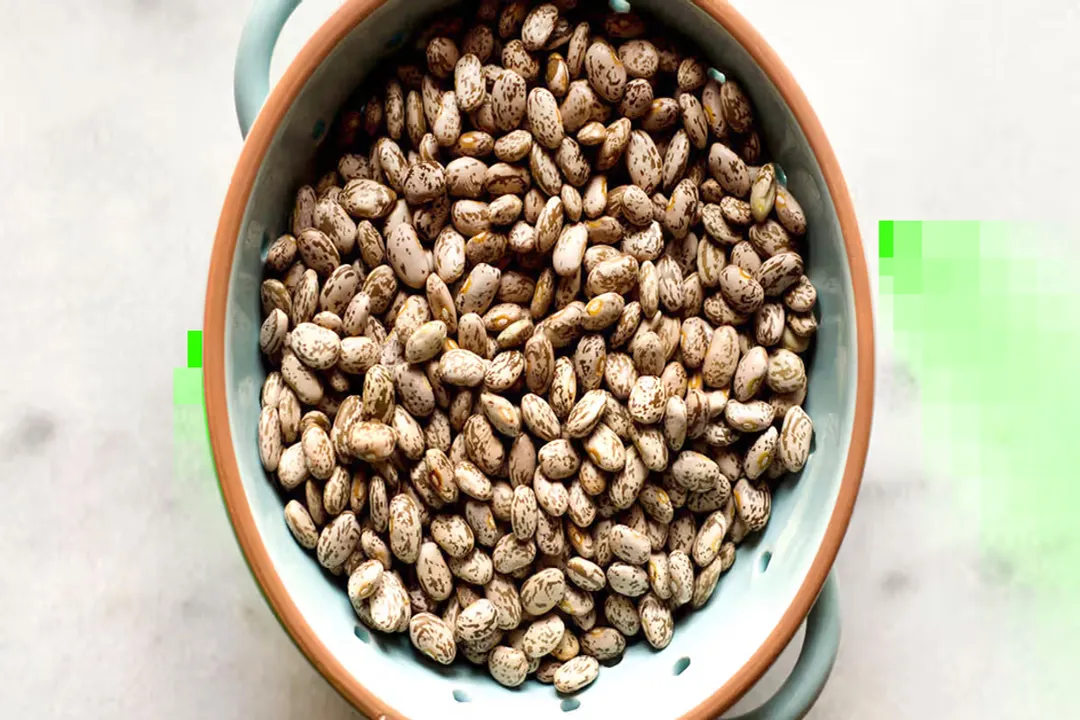
For individuals concerned with maintaining stable blood sugar levels, pinto beans present a significant advantage due to their low glycemic index (GI). Foods with a low GI cause a slower, more gradual rise in blood sugar after consumption, preventing sharp spikes and crashes.
This stability is primarily due to the high fiber and protein content, which slows down the rate at which carbohydrates are digested and absorbed into the bloodstream. Eating pinto beans as part of a meal helps regulate this absorption process, making them an excellent staple for metabolic management.
# Satiety Factor
The combined presence of protein and fiber makes pinto beans exceptional for appetite control and weight management strategies. Foods high in both these components are known to promote feelings of fullness, or satiety, for longer periods after eating.
When you consume a meal featuring pinto beans, the slow digestion rate ensures you feel satisfied, potentially reducing the likelihood of unnecessary snacking between meals. If you aim to replace a high-calorie, low-nutrient item in your lunch—say, replacing half a sandwich with a side of beans and rice—you might find the resulting lower overall calorie intake is easier to maintain simply because the pinto beans keep you feeling full well into the afternoon.
# Mineral Power
Pinto beans are not just about the macronutrients; they are rich sources of specific trace minerals that often get overlooked in modern diets. Beyond the aforementioned potassium and magnesium, they provide notable amounts of phosphorus and manganese.
Pinto beans also contain significant levels of antioxidants. These compounds, including various phenolic compounds, help fight oxidative stress in the body by neutralizing harmful free radicals, which can contribute to chronic disease. The darker, mottled appearance of the pinto bean shell actually signals the presence of these beneficial phytochemicals.
# Comparison Snapshot
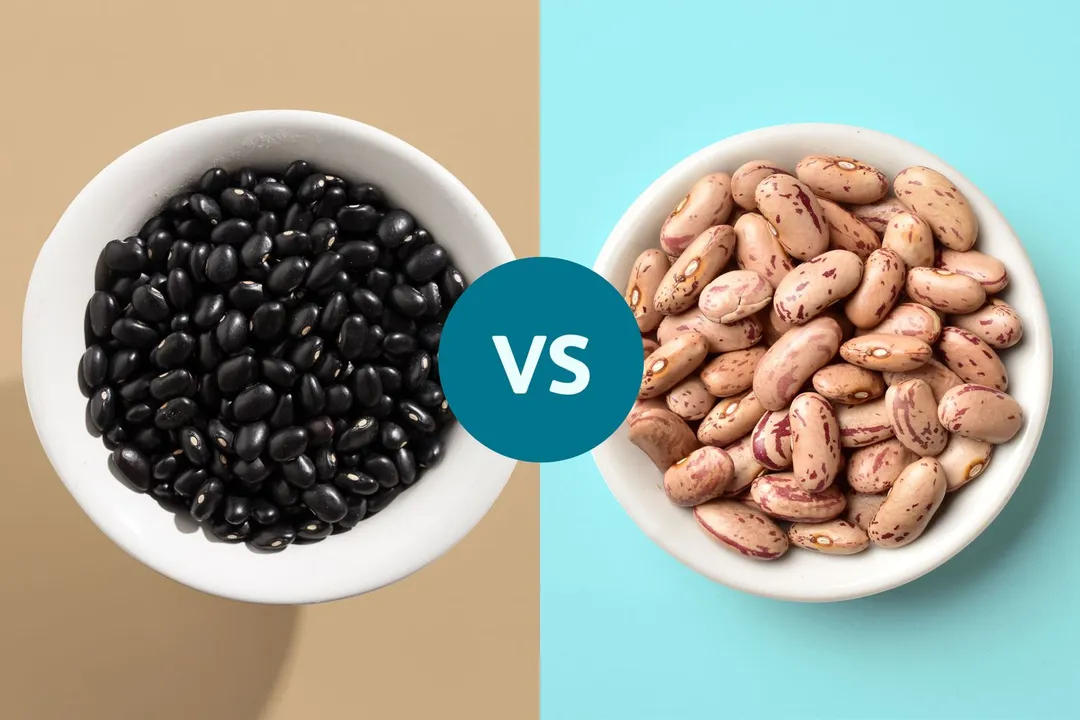
While many beans share similar benefits, understanding subtle differences can inform dietary choices. Pinto beans and black beans are often discussed together, as they are both highly nutritious staples in Latin American cuisine.
| Nutrient Category | Pinto Beans (Approx. per cup cooked) | Black Beans (Approx. per cup cooked) | Key Difference |
|---|---|---|---|
| Calories | ~245 kcal | ~227 kcal | Pinto beans are slightly higher in calories |
| Fiber | ~15.5 grams | ~15 grams | Very similar, slight edge to Pinto |
| Protein | ~15 grams | ~15 grams | Nearly identical protein content |
| Iron | Higher concentration | Lower concentration | Pinto beans often show higher iron levels |
| Folate (B9) | Very High | High | Both excellent sources |
As the table suggests, the difference between pinto and black beans is often marginal in a standard nutritional comparison; both are outstanding choices. Pinto beans sometimes edge out black beans slightly in iron content, but both deliver excellent fiber and protein. The choice between them often comes down to texture preference or the specific dish you are preparing.
# Simple Cooking
Incorporating these nutritional benefits into daily eating doesn't require complex recipes. Pinto beans are famous for their role in dishes like refried beans, but they are equally versatile when simply mashed, added to soups, or used in vegetarian chili.
For those starting with dried beans, soaking overnight significantly reduces cooking time and can improve digestibility by helping to break down complex sugars, although canned beans are a perfectly healthy, time-saving alternative. If using canned versions, always look for "no salt added" options, or thoroughly rinse the beans under running water before use; this simple rinsing can remove a significant amount of the added sodium from the canning liquid. Experimenting with spices like cumin and chili powder not only enhances flavor but also complements the earthy taste of the bean beautifully, making a healthy side dish completely satisfying.
#Videos
Pinto Beans 101 - Nutrition and Health Benefits - YouTube
Related Questions
#Citations
7 Health and Nutrition Benefits of Pinto Beans - Healthline
8 Health Benefits of Pinto Beans—and Recipes to Try - Real Simple
Black Beans vs. Pinto Beans: Which Are Better for Gut and Heart ...
Facts About Beans and Health | Meatless Monday
Benefits of Pinto Beans - Mexico Rico
Pinto Beans Nutrition Benefits the Heart and May Help Fight Cancer
6 Big Benefits of Beans - Health Cleveland Clinic
Are Pinto Beans Good for You? Here's What a Dietitian Has to Say
Pinto Beans 101 - Nutrition and Health Benefits - YouTube
Pinto Beans (Phaseolus vulgaris L.) as a Functional Food - MDPI