Health Benefits of Borlotti Bean
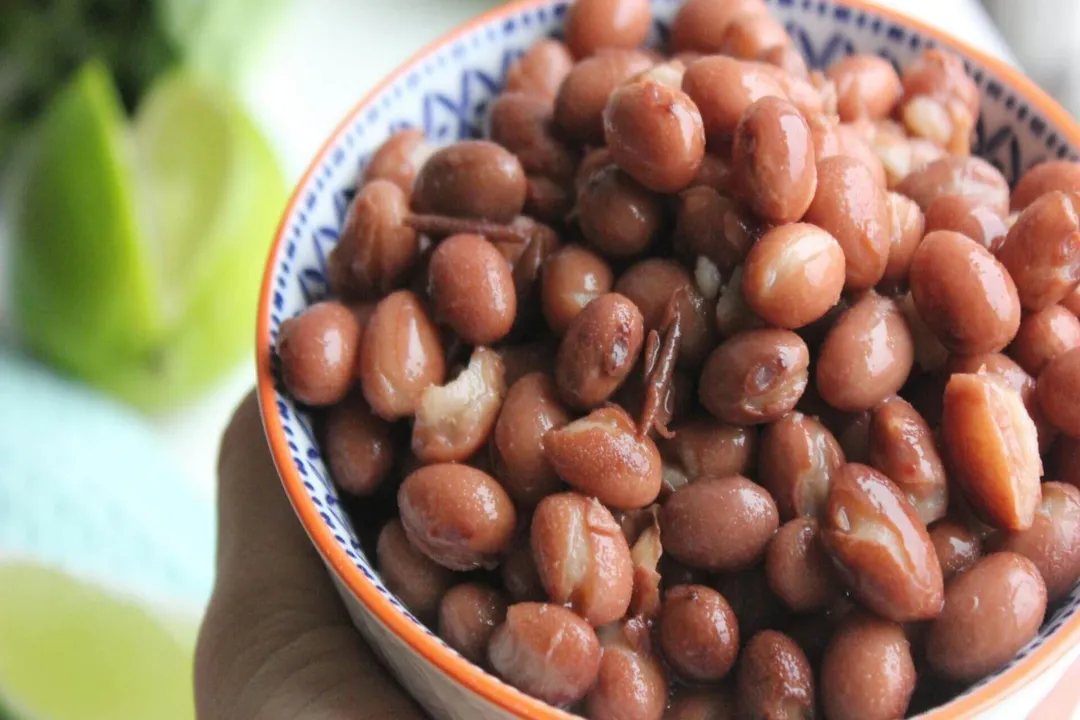
Borlotti beans, recognizable by their distinctive pinkish-red streaks against a creamy white background before cooking—often fading to a more uniform tan or beige after preparation—are more than just visually appealing legumes. [4] These beans, sometimes called cranberry beans or Roman beans, offer a substantial nutritional punch, making them a worthy addition to almost any diet aiming for improved health outcomes. [1][5] Their rich profile in essential nutrients positions them as a functional food, supporting several bodily systems through consistent consumption. [3]
# Nutrient Density
The nutritional makeup of Borlotti beans highlights their value, particularly regarding macronutrients and key micronutrients vital for daily function. [5] As a member of the legume family, they are naturally low in fat, especially saturated fat, which is a common health marker for many whole foods. [2]
A key feature is their carbohydrate content, which is predominantly complex, meaning the body breaks it down slowly, contributing to sustained energy rather than sharp spikes. [2] This is closely related to their high fiber composition, which is a significant benefit discussed later. [1]
In terms of minerals, Borlotti beans are notable sources of several elements the body needs to function optimally. They provide measurable amounts of potassium, which is essential for maintaining fluid balance and blood pressure regulation. [1][3] Furthermore, they contain iron, necessary for oxygen transport in the blood, and magnesium, which supports muscle and nerve function. [1][5] Comparing their iron content to that of dark leafy greens, while greens often get the spotlight, a moderate serving of cooked Borlotti beans can significantly contribute to the recommended daily intake for those limiting or avoiding meat, offering a necessary plant-based alternative. [2]
# Fiber Content
Perhaps the most cited advantage of consuming beans like the Borlotti variety is their substantial dietary fiber load. [1] Fiber is crucial for digestive health, aiding in regular bowel movements and feeding beneficial gut bacteria. [3] Borlotti beans contain both soluble and insoluble fiber types. [1]
The soluble fiber component plays a direct role in managing blood lipid levels. [3] When this type of fiber dissolves in water in the digestive tract, it forms a gel-like substance that can bind to cholesterol particles, assisting in their removal from the body. [1]
Considering the average recommended daily fiber intake is around 25 to 38 grams for adults, a single cup of cooked Borlotti beans can contribute close to a quarter of that requirement. [1] If you plan meals around beans two or three times a week, you can easily meet the higher end of these recommendations without relying heavily on processed foods or cereals, which often contain lower-quality or less diverse fiber sources. [4]
# Blood Sugar Control
The interplay between the complex carbohydrates and the high fiber content gives Borlotti beans a favorable glycemic index (GI) rating. [2] Foods with a low GI are digested slowly, leading to a gradual, controlled release of glucose into the bloodstream. [3] This characteristic is highly beneficial for individuals monitoring their blood sugar levels, including those managing diabetes or seeking stable energy throughout the day. [1][2]
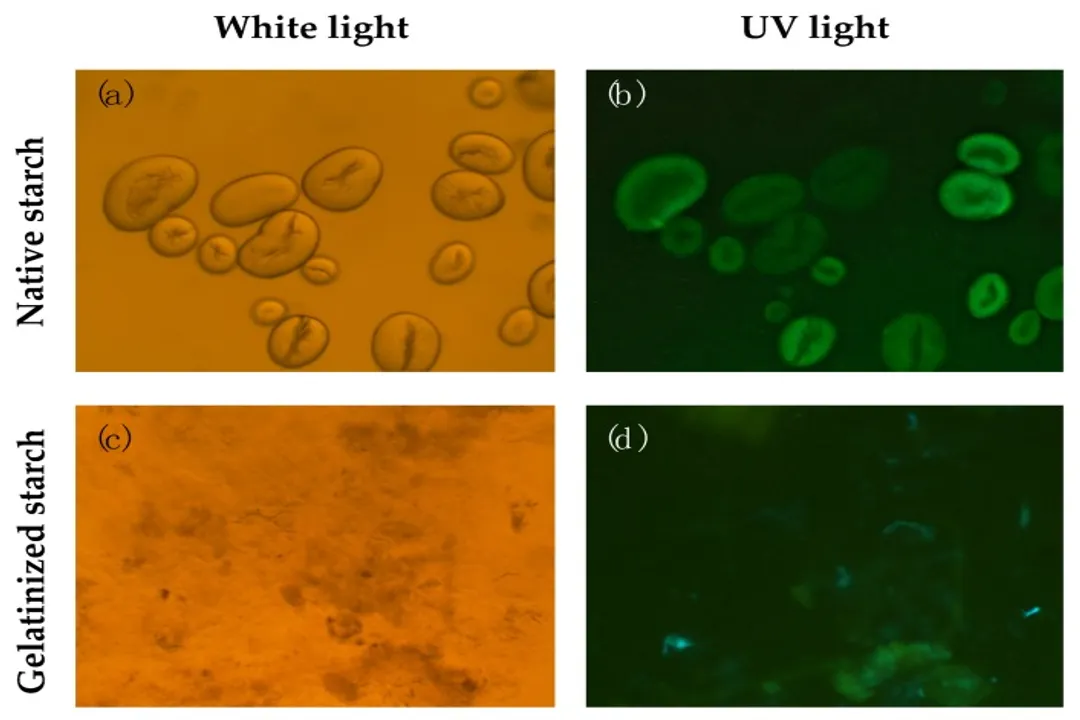
The presence of resistant starch, another component often found in cooked and cooled legumes, further contributes to this slow-release effect. [3] Resistant starch acts similarly to soluble fiber in the gut, passing undigested into the colon where it nourishes the microbiome. This slow digestion process means the body does not face immediate large influxes of sugar after eating Borlotti beans, promoting metabolic stability. [3]
# Heart Support
The nutritional profile naturally steers Borlotti beans toward supporting cardiovascular health. [1] Their low saturated fat content, combined with the presence of significant potassium and fiber, forms a three-pronged approach to heart wellness. [3]
Potassium acts as a counter-regulator to sodium, helping to relax blood vessel walls and manage fluid balance, which directly contributes to healthy blood pressure levels. [1] Furthermore, the soluble fiber helps manage cholesterol as noted previously, reducing the risk factors associated with arterial plaque buildup. [3] Including beans regularly has been associated with improved lipid profiles in various population studies concerning legume consumption. [5]
# Plant Protein Powerhouse
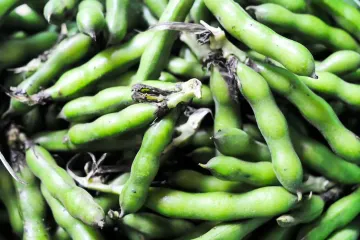
While often grouped with grains when discussing carbohydrates, Borlotti beans are an excellent source of plant-based protein. [2] Protein is vital for muscle repair, enzyme production, and overall structural maintenance in the body. [1] For vegetarians, vegans, or anyone looking to reduce meat intake, beans are foundational sources of dietary nitrogen. [2]
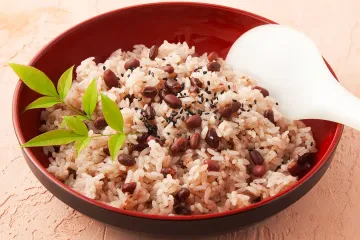
While no single plant source typically contains all nine essential amino acids in optimal ratios, the protein in Borlotti beans can be complemented effectively by combining them with grains like rice or wheat during the day to form a complete amino acid profile. [2] This pairing strategy, common in many traditional cuisines featuring beans and grains together, ensures high biological value from entirely plant sources. [4] When compared side-by-side with sources like chicken breast (by weight, cooked), the protein density is surprisingly competitive, especially when you factor in the added fiber and micronutrients that animal products often lack. [2]
# Incorporating Flavor and Texture
Beyond the measurable nutrients, the culinary use of Borlotti beans adds unique value to the diet, encouraging consistent consumption. Their texture, often described as soft and slightly creamy once perfectly cooked, sets them apart from drier beans or those that break down into a paste. [4] This appealing mouthfeel makes them excellent candidates for slow-cooked stews or as a base for vegetarian pâtés where a satisfying, substantive texture is required. [4]
A simple, classic preparation often involves pairing them with fresh herbs like basil and tomatoes, enhancing their inherent earthy flavor profile. [9] When preparing these beans, particularly if you are accustomed to the chalkier texture of certain other varieties, cooking them gently until they are tender but still hold their shape is key. For those new to cooking dried beans, a short soak followed by simmering until tender, rather than high-pressure cooking, often yields the best result for maintaining this desirable creamy interior without excessive mushiness. This textural integrity is one of the main reasons many home cooks prefer them over simpler white beans for dishes where the bean itself is the star ingredient. [4]
Related Questions
#Citations
7 Health Benefits Of Borlotti Beans
Borlotti beans - a plant protein powerhouse
Starch Digestion Enhances Bioaccessibility of Anti ...
Borlotti beans: an Italian star | LouisBonduelleFoundation
Exploring the Nutritional Benefits of Borlotti Beans
Guys we know it as Gadra
Cranberry/borlotti beans are DELICIOUS
Simple Borlotti Beans 🍽️ Borlotti beans are a fantastic ...
discover the benefits of Tomatoes, Borlotti Beans and Basil!