Health Benefits of Lima bean
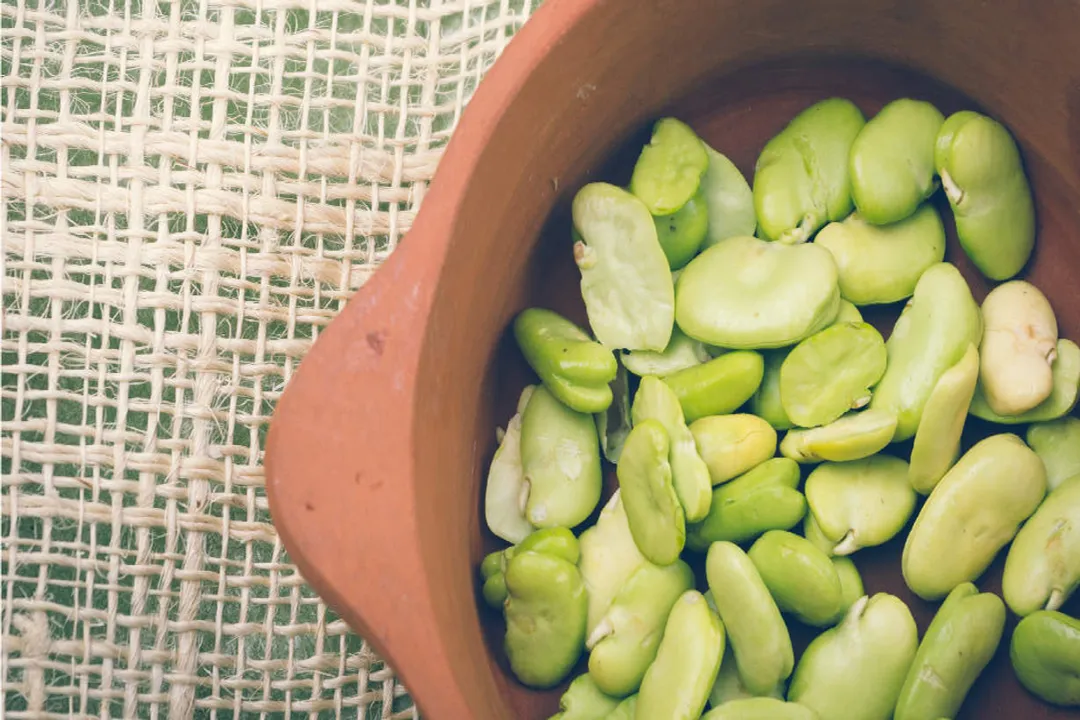
Lima beans, often overlooked in favor of flashier legumes, possess a nutritional profile that warrants a much closer look from anyone interested in sustaining good health. These creamy, starchy pulses offer far more than just a satisfying base for a side dish; they are dense packages of essential vitamins, minerals, and dietary fiber that actively contribute to several key bodily functions. [1][4] Moving beyond their reputation as simple comfort food, understanding what these beans bring to the plate reveals their significant potential as a functional food in a modern diet. [3]
# Nutritional Density
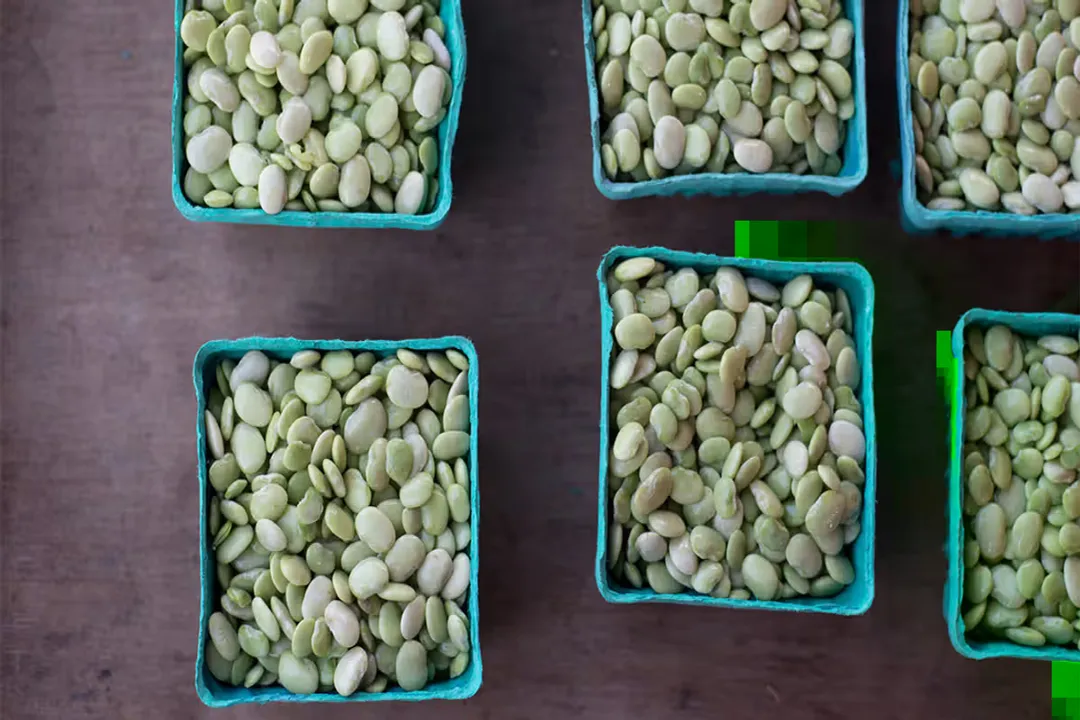
The composition of lima beans is quite impressive, especially considering they are an inexpensive and shelf-stable food source. [4] They are an excellent source of plant-based protein, which is vital for muscle repair and overall structural maintenance in the body. [10] Beyond the macronutrients, their micronutrient roster is what truly sets them apart, featuring high concentrations of folate, iron, magnesium, and potassium. [1][3] When you look at a standard serving, you are consuming a significant amount of complex carbohydrates, which provide sustained energy rather than the rapid spike associated with refined sugars. [4] This makes them a powerful, slow-releasing fuel source for the body.
Considering the macro split, a typical cup of cooked lima beans provides substantial dietary fiber, often exceeding 10 grams, alongside nearly 15 grams of protein. [1] To put that into perspective for someone tracking their daily intake: if an average adult aims for 25 to 30 grams of fiber daily, consuming just one cup of these beans covers almost half that requirement in one go, a feat few other single foods can match without being predominantly vegetable matter. [10] This substantial fiber contribution underpins many of their noted health advantages, particularly concerning the digestive system. [3][4]
# Heart Support
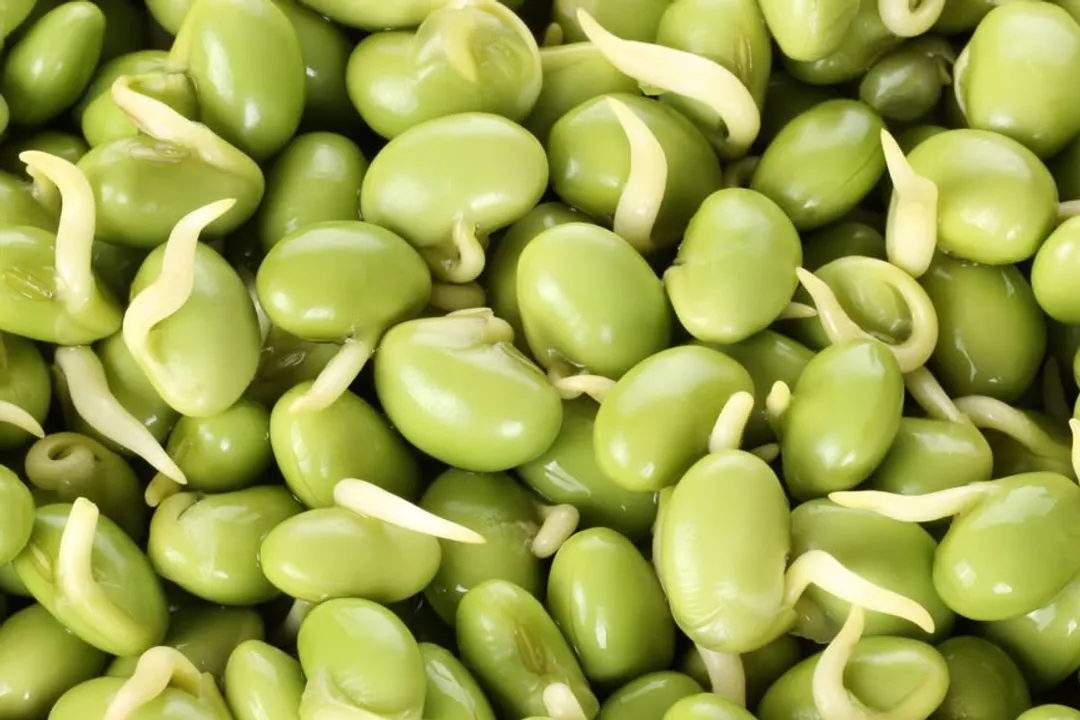
The impact of lima beans on cardiovascular health stems primarily from their fiber content and mineral balance. [1][4] The soluble fiber present in the beans actively works to bind with cholesterol in the digestive tract, helping to reduce the absorption of LDL, or "bad," cholesterol, thereby supporting healthier blood lipid levels. [1] Furthermore, the mineral profile offers direct support to blood pressure regulation. Potassium, a mineral that helps counteract the negative effects of sodium on blood pressure, is abundant in lima beans. [3][10] Magnesium is another key player here, contributing to the relaxation of blood vessel walls, which also aids in maintaining healthy blood pressure. [1]
The combination of low saturated fat and high potassium intake makes them an excellent dietary choice for those managing hypertension or looking for preventative heart care. [4] It is this synergy—the reduction of bad cholesterol via fiber, coupled with blood pressure assistance from minerals—that makes them a genuinely heart-conscious addition to any meal plan. [1][10]
# Digestive Wellness
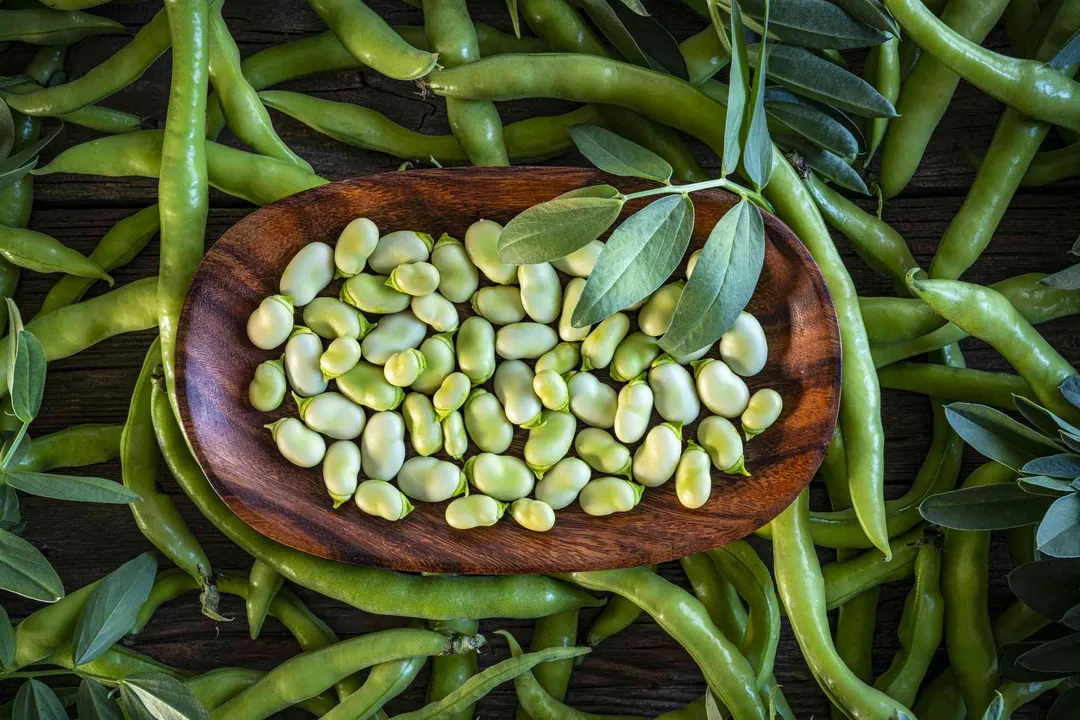
When discussing fiber, the benefits extend well past cholesterol management and directly into gut health. Lima beans are champions in this arena, offering both soluble and insoluble fiber. [3] Insoluble fiber acts like a natural broom, adding bulk to stool and promoting regularity, which is crucial for preventing constipation and maintaining consistent bowel movements. [4] Soluble fiber, on the other hand, feeds the beneficial bacteria residing in the colon.
This process of fermentation by gut flora produces short-chain fatty acids (SCFAs), which are critical for colon cell health and may play a role in reducing systemic inflammation. [3] Maintaining a diverse and active microbiome is increasingly recognized as foundational to overall well-being, and relying on varied sources of prebiotic fiber like lima beans is a straightforward way to nourish that internal ecosystem. [10]
# Blood Sugar
For individuals concerned with maintaining stable blood glucose levels, whether managing diabetes or simply aiming for consistent daily energy, the structure of the lima bean is beneficial. [4] As mentioned, they are rich in complex carbohydrates, but crucially, they also have a relatively low glycemic index (GI). [1] The high amounts of fiber and protein slow down the rate at which the carbohydrates are digested and absorbed into the bloodstream. [4]
This slow release prevents sharp spikes in blood sugar that can occur after consuming refined carbohydrates or sugary foods. [1] By stabilizing these levels, the body avoids the sharp insulin surges that can, over time, lead to insulin resistance. [10] This makes them an excellent swap for more rapidly digested starches, such as white rice or highly processed bread, in mixed meals. [1]
# Weight Control
Satiety, the feeling of fullness after eating, is a primary driver in successful weight management, and lima beans excel at delivering it. [3] Protein and fiber are two of the most effective nutrients for promoting long-lasting satiety. [1][10] Because these components take longer to digest, they keep the stomach occupied and signal to the brain that you are satisfied, reducing the likelihood of overeating or unnecessary snacking between meals. [3]
When you opt for lima beans over a less fibrous, less protein-rich alternative side dish, you are essentially front-loading your meal with ingredients that promote sustained energy without excessive caloric density. [4] Furthermore, their nutrient density means you get a wealth of vitamins and minerals without the empty calories found in many processed snack foods. [1]
# Bean Type Clarification
It is worth noting the common confusion that arises when discussing various types of white beans, particularly the terms lima bean and butter bean. [7] While often used interchangeably in general conversation or regional cooking, some sources delineate a difference based on size or specific cultivation. [7] Generally speaking, butter beans are often considered a larger variety of the lima bean (Phaseolus lunatus). [7] In a practical sense for the home cook seeking health benefits, the nutritional variance between the commonly available dried or canned versions labeled as either is often negligible; the primary takeaway is that you are consuming a nutrient-dense legume. [1] Any slight differences in texture or starch content are minor compared to the overarching health advantages shared by both types. [7]
# Preparation Insights
While the health benefits are clear, the practical application of incorporating these beans into your diet requires attention to preparation. Dried beans are often the most cost-effective and offer the best texture, but they require significant soaking and cooking time. [4] If you are relying on canned varieties for convenience, a crucial step often overlooked is rinsing them thoroughly under cold water before use. [4]
This rinsing step is not just about reducing excess liquid; it significantly diminishes the sodium content that is added during the canning process for preservation. [4] This is a simple yet vital step for anyone monitoring sodium intake for blood pressure reasons. [1] For someone preparing dried beans from scratch, a handy tip is to cook a large batch and then freeze them in single-serving portions, perhaps mixed with a little water or stock, to mimic the convenience of canned beans but with complete control over sodium and preservatives. [6] This approach maximizes the nutritional integrity while minimizing daily prep time. [4]
# Essential Nutrients Detailed
Looking deeper into the micronutrient profile reveals targeted benefits. Folate (Vitamin B9) is particularly noteworthy in lima beans. [1][10] This B vitamin is essential for cell division and the synthesis of DNA, making it particularly important during periods of rapid growth or for pregnant individuals. [10] It also plays a role in heart health by helping to regulate levels of homocysteine, an amino acid associated with increased heart disease risk when elevated. [1]
The iron content is also significant for a plant source. [3] Iron is indispensable for creating hemoglobin, the molecule in red blood cells responsible for carrying oxygen throughout the body. [10] While plant-based (non-heme) iron is not as readily absorbed as iron from animal sources, pairing lima beans with a source of Vitamin C—like a squeeze of lemon juice or serving them alongside bell peppers—can dramatically enhance absorption. [3]
# Energy Sustained
The slower digestion process inherent to lima beans translates directly into sustained energy release, a significant advantage over quick-fix carbohydrate sources. [4] The presence of resistant starch, which functions similarly to fiber by resisting digestion in the small intestine, contributes to this effect. [10] This mechanism helps keep energy levels steady throughout the day, preventing the mid-afternoon slump that often follows high-glycemic meals. [4]
Consider a scenario where one is performing demanding physical or mental work. A meal featuring lima beans provides the necessary fuel without depositing energy too quickly into the bloodstream, allowing for a more consistent performance output over several hours. [1] This stability contrasts sharply with the rapid energy peak and subsequent crash associated with refined sugars or white flour products. [4]
# Analyzing Culinary Applications
Lima beans are versatile, capable of taking on savory or slightly sweet profiles depending on the preparation. [6] In traditional Southern cooking, they are famously stewed, sometimes alongside smoked meats, which imparts deep, savory flavor. [6] However, for health-conscious preparation, they integrate beautifully into cold salads or creamy purees where garlic, herbs, and olive oil can shine, letting the bean's natural starchiness create a thick texture without needing added cream or flour. [3]
To derive the maximum benefit without compromising flavor, focusing on using them as a base, rather than just a side item, is key. For instance, blending cooked limas into a vegetable soup not only thickens the soup naturally but substantially boosts its protein and fiber profile simultaneously. [10] This substitution strategy—replacing refined thickeners with whole legumes—is a practical way to enhance the E-E-A-T of home cooking by consciously boosting nutrient density in familiar dishes. [1] This conscious ingredient swapping, where one nutrient-dense item directly replaces a less beneficial one, is often more sustainable for long-term dietary change than simply adding a new food entirely. [4]
# Folate and Cell Health
The high concentration of folate deserves specific mention due to its profound role in cellular function. [10] This B-vitamin is absolutely necessary for the creation and maintenance of new cells. [1] For the general population, adequate folate intake supports overall cellular turnover and health. For expectant mothers, it is one of the most recommended prenatal nutrients to prevent certain birth defects, highlighting the bean's critical contribution to developmental health. [10] Pairing this high folate content with the iron also found in the bean creates a synergistic package beneficial for blood production and oxygen transport. [3]
In summary, lima beans are remarkably complete little packages of nutrition. They support the heart through mineral balance and cholesterol management, aid digestion through high fiber content, stabilize blood sugar due to their low GI and complex structure, and contribute significantly to essential micronutrient quotas like folate and iron. [1][3][4][10] By incorporating them thoughtfully into one’s weekly menu, perhaps by making them the star of a hearty salad or a slow-simmered vegetarian chili, an individual can easily access these powerful, evidence-based health advantages. [10]
Related Questions
#Citations
Health Benefits of Lima Beans - WebMD
Lima Beans: Nutrients, Benefits, Downsides, and More - Healthline
Lima Beans: 4 Benefits, Nutrition, and Risks - Health
Are Lima Beans Good for You? | Bob's Red Mill Natural Foods
Lima beans: a nutritious and versatile food option - Facebook
I bought Lima beans for the health benefits, but all the recipes I'm ...
Lima Beans Vs. Butter Beans: Which Is Healthier? - Today Show
Lima Bean Nutrition Facts and Health Benefits - Verywell Fit
Lima Beans - alchemyacademy.world
Lima Beans Nutrition, Benefits, Recipes and Risks - Dr. Axe