Health Benefits of Gigante Bean
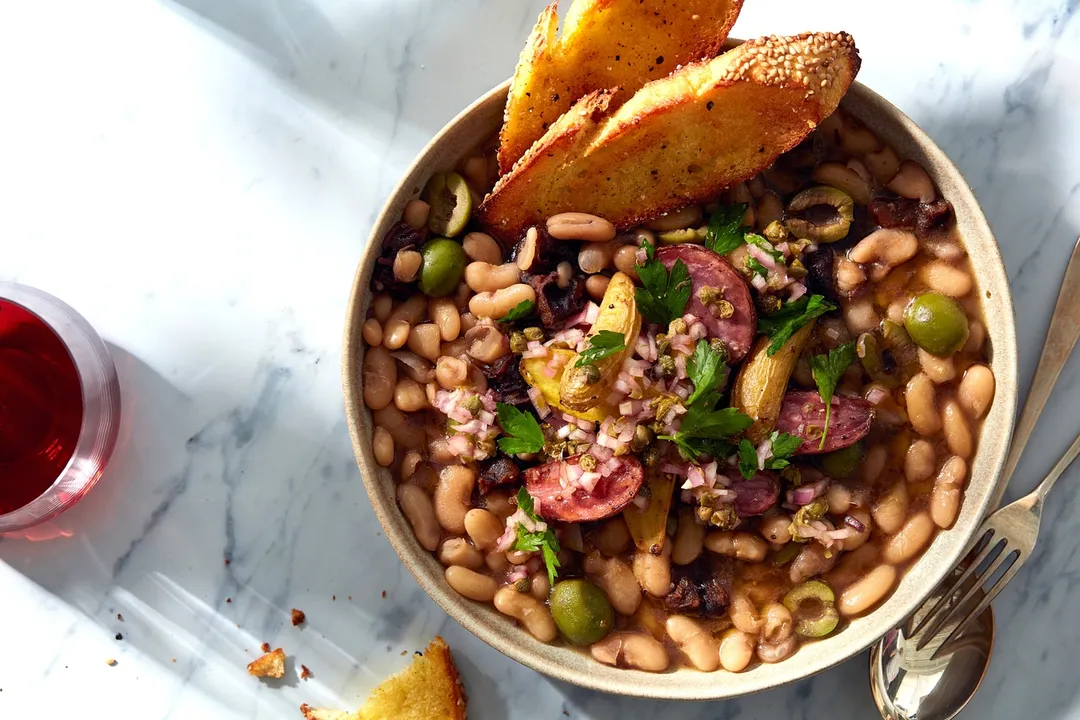
Gigante beans, originating from Greece and often referred to by their Greek name Gigantes, are not just an ingredient; they represent a substantial, satisfying staple in many cuisines. These are large, white beans known for their substantial size, which immediately sets them apart from smaller varieties. What really captures the attention of cooks and nutritionists alike is their unique texture—once cooked, they become incredibly tender, creamy, and boast a buttery mouthfeel that resists turning mushy. This desirable quality makes them a preferred choice when texture matters as much as substance.
# Size Comparison
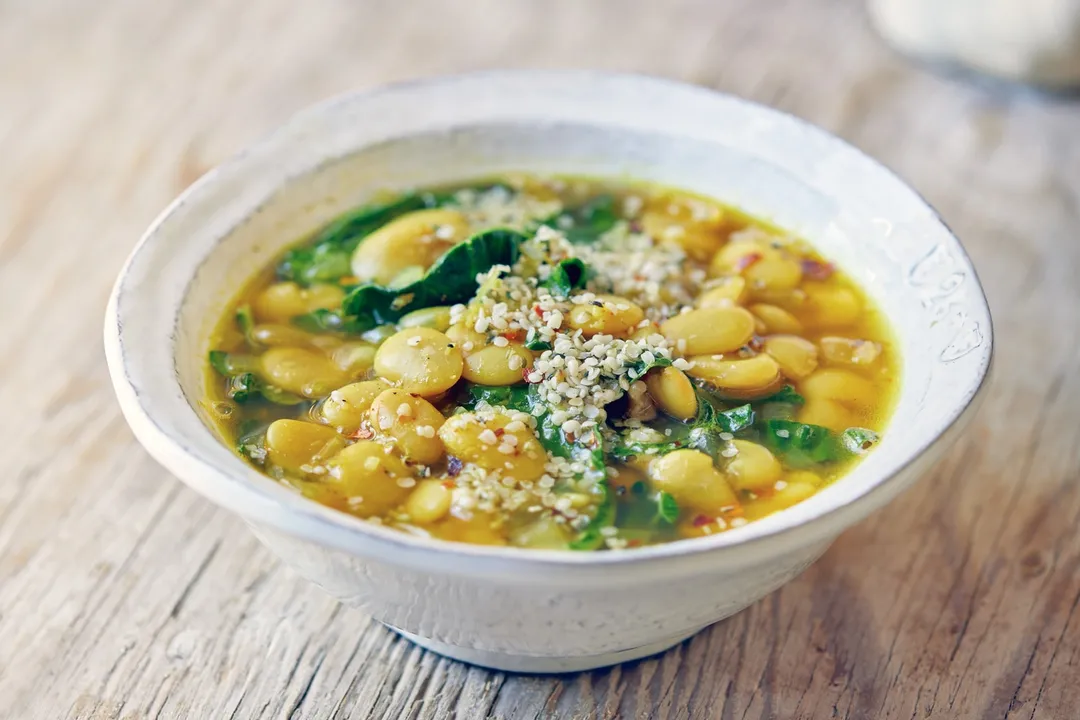
When discussing size, the Gigante bean is often immediately compared to its North American counterpart, the large lima bean, sometimes called butter beans. While they share a similar general size and pale coloration, a key distinction often emerges in their structure and cooking properties. Lima beans are sometimes described as having a flatter shape, whereas the Gigante tends to be more plump. In terms of raw nutritional data, a comparison between the two shows slight variations; for instance, in a typical serving, the Gigante bean might edge out the large lima bean slightly in protein content while having a comparable fat profile. Understanding these subtle differences helps home cooks choose the absolute best option for a specific preparation, though their general nutritional contributions are very similar.
# Nutritional Powerhouse
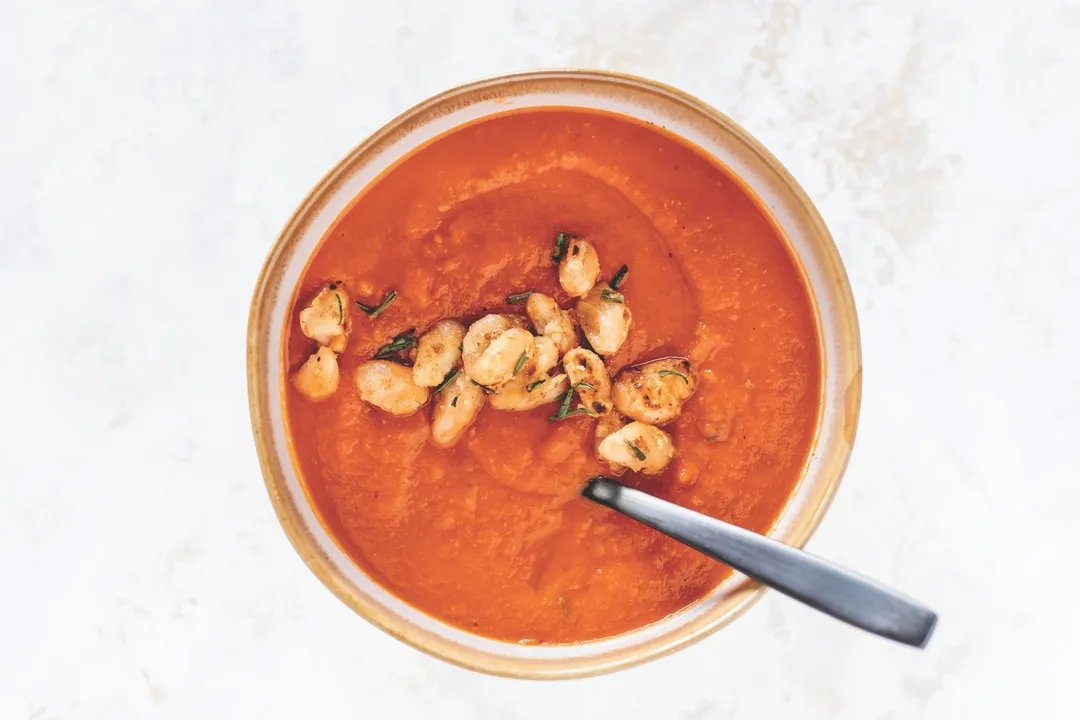
The nutritional makeup of Gigante beans establishes them as a valuable component of a health-conscious diet. Being legumes, they naturally sit at the intersection of complex carbohydrates, high fiber, and significant plant-based protein. A close look at their micronutrient contributions reveals notable levels of several essential minerals. They are a good source of potassium, important for blood pressure regulation, and contain significant amounts of magnesium, phosphorus, and iron. Furthermore, these beans supply important B vitamins, including folate and thiamin. Crucially, they are naturally low in fat.
Considering the macronutrient balance, a typical half-cup serving (cooked) provides a substantial amount of the day’s required fiber—often in the range of 6 to 8 grams, depending on preparation, which is a significant contribution from a single food item. If you are aiming to meet the recommended daily intake of fiber, which for many adults is around 25-30 grams, incorporating just one substantial serving of Gigantes into a main meal can cover nearly a quarter to a third of that requirement, making them incredibly efficient for digestive health.
| Nutrient (per serving estimate) | Primary Benefit | Relative Strength |
|---|---|---|
| Protein | Muscle support, Satiety | High for a vegetable source |
| Dietary Fiber | Digestive regularity | Excellent |
| Potassium | Blood pressure balance | Significant |
| Iron | Oxygen transport | Present |
| Folate | Cell growth | Good source |
# Digestive Wellness
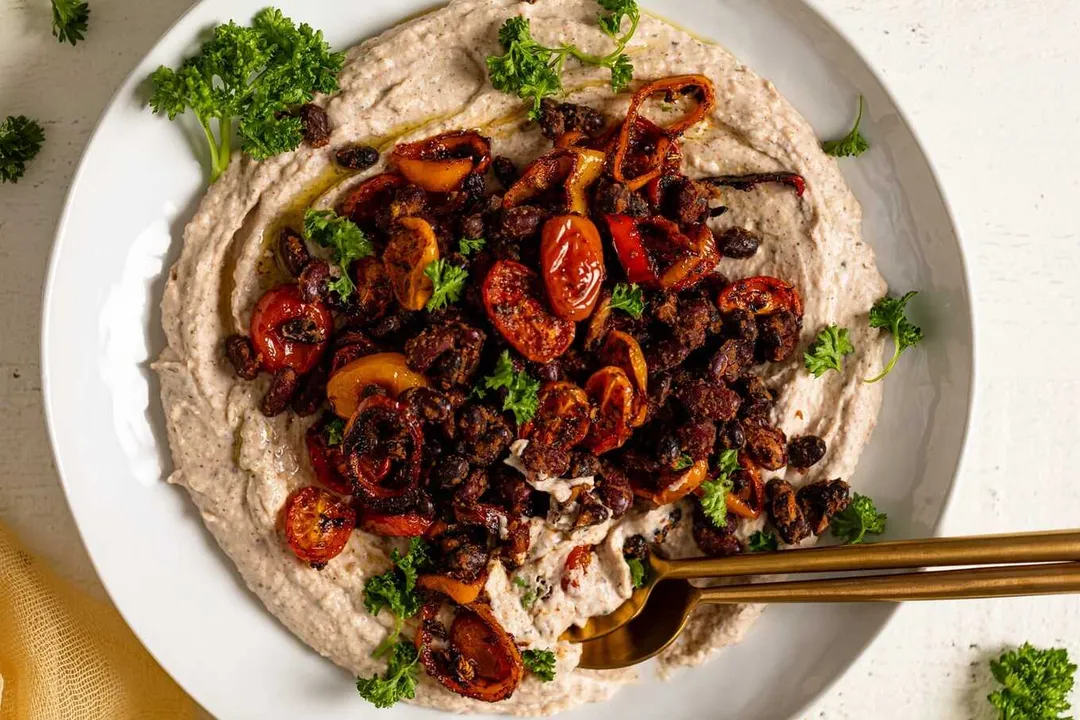
The high fiber content inherent in Gigante beans is perhaps their most direct health advantage. Fiber, which is essentially indigestible plant matter, performs several critical functions in the body. First, it adds bulk to stool, which aids in regular bowel movements and helps prevent constipation. Second, the presence of soluble fiber helps bind to dietary cholesterol, potentially assisting in lowering overall cholesterol levels. Finally, fiber plays a central role in promoting gut health by feeding beneficial gut bacteria. A flourishing microbiome, supported by consistent fiber intake from foods like these beans, is linked to a wide range of positive health outcomes.
# Cardiovascular Support
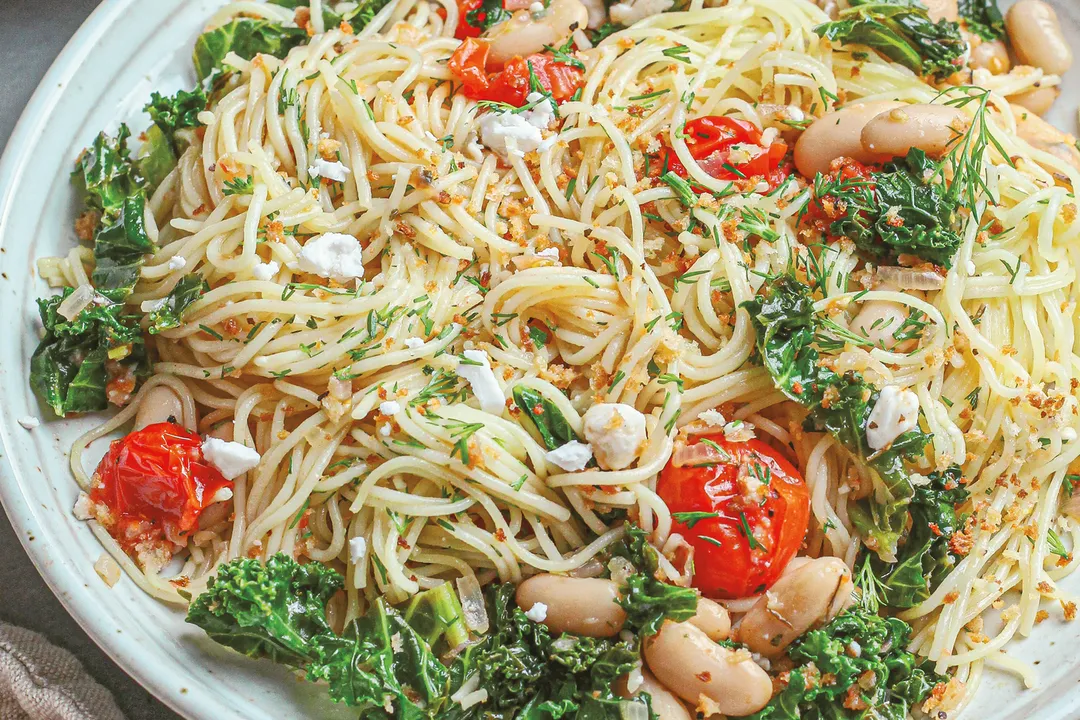
For anyone focused on heart health, incorporating beans regularly is a sound strategy. The collective nutritional profile of Gigantes—low saturated fat combined with high fiber and potassium—supports cardiovascular function. Fiber helps manage blood sugar by slowing down the absorption of glucose, which is critical for stable energy levels and reducing strain on the body's regulatory systems. Furthermore, beans generally have a low glycemic index (GI). While specific GI ratings for the Gigante bean in isolation might vary, its high fiber and protein density suggest it digests slowly, contributing to sustained feelings of fullness and stable blood sugar management. This slow digestion is a hallmark of foods that support long-term metabolic health.
# Culinary Textures and Uses
The characteristic texture of the Gigante bean dictates its culinary fame, particularly in Mediterranean cooking. They are not meant to be a firm, quick-cooking bean; rather, they shine when slow-cooked until they achieve that signature creamy interior. A classic preparation is the Greek Gigantes Plaki, where the beans are baked slowly in a rich, savory tomato sauce, often flavored with herbs like dill and parsley.
Beyond this classic preparation, their substantial size means they hold up well to marinating after cooking. For an effortless transition from a standard side to a flavor-packed appetizer or salad component, consider rinsing and draining canned varieties, or using well-cooked dry beans, and tossing them lightly with olive oil, red wine vinegar, garlic, and oregano. The key to maximizing their buttery texture, especially when cooking from scratch for dishes like Plaki, is patience; undercooked Gigantes remain hard and floury, while perfectly cooked ones melt slightly on the tongue. This textural payoff is the reward for the longer cooking time required for such a large legume.
# Integrating into Modern Diets
Moving away from traditional applications, it is worth noting how easily these beans fit into contemporary, time-conscious cooking routines, especially considering the general preference for quick weeknight meals. While a lengthy soak and simmer yields the best results, convenience is also available. Canned versions, when properly rinsed to remove excess sodium, are an excellent, fast alternative to maintain the nutritional benefits. If you are looking for a high-protein, low-fat substitute for meat in dishes like stews or chilis, the Gigante bean’s size and texture make it a natural fit, offering a chewiness that ground meat usually provides without the added saturated fats. Their mild flavor acts as a fantastic carrier for bolder spices, meaning a simple transformation from Greek staple to taco filling or curry base is straightforward, making them an exceptionally versatile tool in the plant-forward kitchen.
Related Questions
#Citations
Gigante Beans vs Large Lima Beans | Bob's Red Mill Natural Foods
Gigante Beans Are the Giant Greek Staple About to Become Your ...
Greek Gigante Beans {Pressure Cooker Recipe} - Being Nutritious
Gigantes beans Nutrition - SnapCalorie
Health Benefits of Lima Beans - WebMD
Beans may be the very best thing you can eat for your microbiome ...
Marinated gigante beans (Recipes and Nutritional information)
Why We Love Gigante Beans, the Creamiest, Most Satisfying ...