Health Benefits of Velvet Bean
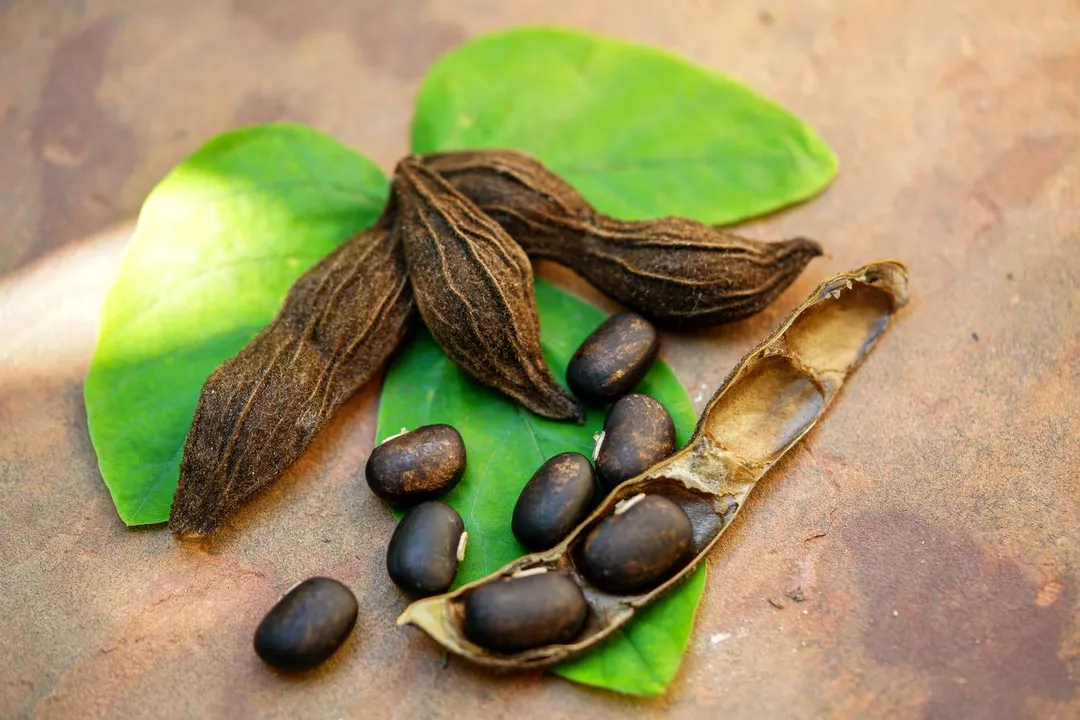
The Velvet Bean, scientifically known as Mucuna pruriens, is a tropical legume that has held a significant place in traditional Ayurvedic medicine for centuries. [2][5] Beyond its common name, this plant is also frequently called cowhage or monkey tamarind, and its seeds are particularly noted for their unique chemical composition. [3][4] The plant itself produces vibrant, often reddish-purple flowers and distinctive pods covered in fine, prickly hairs, which give the plant its "velvet" namesake. [6] While the raw bean pod is irritating due to these hairs, the processed seed extracts form the basis for many of its recognized health applications. [2][4] Understanding its benefits requires looking closely at the compounds within the seeds, which are potent and warrant careful consideration regarding their application. [7]
# Active Compounds

The interest in Mucuna pruriens primarily stems from its remarkable concentration of a naturally occurring amino acid called L-DOPA (levodopa). [2][3][7] L-DOPA is the direct precursor to the neurotransmitter dopamine. [2][7] Dopamine plays a critical role in many bodily functions, including motor control, motivation, pleasure, and hormone regulation. [3][7] The quantity of L-DOPA found in the seeds is quite high, sometimes representing between 3% and 9% of the dry weight of the seed, depending on the variety and growing conditions. [2][7] This high concentration is what drives much of the scientific and therapeutic investigation into the bean. [3]
Interestingly, while L-DOPA is the star, the bean also contains other bioactive compounds. Studies indicate the presence of tryptamine alkaloids, essential oils, proteins, and fatty acids. [1] The traditional preparation methods often focus on detoxifying the seeds to reduce unwanted compounds while maximizing the beneficial L-DOPA content. [2] It is worth noting that the efficacy of a supplement often correlates directly with the standardized L-DOPA content, meaning that two different Velvet Bean products might offer vastly different experiences based on how they were processed and concentrated. [7]
# Neurological Function
The connection between L-DOPA and the brain makes the Velvet Bean particularly relevant in discussions surrounding neurological health, especially concerning conditions related to dopamine deficiency. [3]
# Parkinson's Support
The most extensively studied application of Mucuna pruriens is its potential role in managing the symptoms of Parkinson's disease (PD). [3][7] PD is characterized by the progressive loss of dopamine-producing neurons in the brain, leading to motor symptoms like tremors, rigidity, and slowness of movement. [7] Because L-DOPA can cross the blood-brain barrier and convert into dopamine, it is the foundational medication used to treat PD. [3]
Research has indicated that Mucuna pruriens extract may be as effective as standard pharmaceutical L-DOPA preparations for improving motor function in individuals with PD. [3][7] A significant point of comparison noted in the literature is that the natural extract appears to have a slower onset of action but potentially a more sustained effect, which can sometimes lead to fewer of the "on-off" fluctuations experienced with synthetic L-DOPA. [7] However, a crucial differentiator is the presence of other natural compounds in the extract which may help prevent the peripheral breakdown of L-DOPA, potentially reducing side effects sometimes associated with the pure drug form. [3] Despite these promising parallels, it remains essential for individuals with PD to consult their neurologist, as self-treating with Mucuna instead of prescribed medication could interrupt established treatment protocols. [4]
# Cognitive Enhancement
Beyond treating specific disorders, the dopamine-boosting properties suggest potential benefits for general cognitive performance and mood regulation. [5] Dopamine is implicated in attention, focus, and the brain's reward pathways. [3] While direct evidence for non-PD cognitive enhancement is less dominant in the literature provided, the foundational biochemistry suggests a mechanism by which improved dopamine levels could support these functions. [7] For instance, maintaining healthy dopamine signaling is linked to better motivation and the ability to concentrate on complex tasks, which is something many people seek through dietary supplements. [5]
# Mood and Stress
The impact of Mucuna pruriens extends into the realm of emotional well-being, primarily through its influence on dopamine and related neurotransmitters. [5]
# Emotional Balance
Because dopamine is involved in feelings of pleasure and reward, optimizing its levels can positively affect mood. [3] Some research suggests that supplementation with Mucuna pruriens extracts can lead to improved subjective feelings of well-being and decreased negative mood states, likely due to the resulting increase in available dopamine. [5] Furthermore, by increasing dopamine, the bean may indirectly influence serotonin levels, another key mood regulator, offering a more balanced effect than supplements that target a single neurotransmitter pathway. [5]
# Adaptogenic Qualities
Velvet Bean is sometimes grouped with adaptogens, which are substances believed to help the body resist the damaging effects of stress and restore normal physiological functioning. [2] While many traditional adaptogens focus on the HPA axis (cortisol regulation), the stress-buffering effect of Mucuna may stem from its stabilization of neurotransmitter levels during periods of high physical or mental strain. [2] Think of it this way: when stress depletes your mental reserves, a substance that supports the building blocks of key brain chemicals, like L-DOPA does for dopamine, might help your system rebound faster than it otherwise would. [5]
# Male Fertility
One area where Mucuna pruriens shows consistent traditional and supportive modern evidence relates to male reproductive health. [5][8] This benefit is again strongly tied to its L-DOPA content.
# Sperm Quality
Studies have shown that supplementing with Mucuna pruriens can significantly improve several markers of male fertility. [5][8] Specifically, research points to increases in sperm count, motility (how well they swim), and overall sperm viability. [5] The mechanism is hypothesized to involve the reduction of prolactin and oxidative stress. [5][8] High prolactin levels are known to negatively affect testosterone production and sperm quality, and the dopamine precursor (L-DOPA) helps regulate and suppress this hormone. [5] Simultaneously, by acting as an antioxidant, the bean helps protect sperm cells from free radical damage, which is a common inhibitor of healthy reproduction. [5][8]
For someone looking to support reproductive health naturally, focusing on reducing stressors that impact dopamine—like chronic sleep deprivation or high anxiety—might synergize well with Mucuna supplementation, creating a stronger foundation for the L-DOPA to work effectively. [2] This dual action—hormonal regulation via dopamine and direct antioxidant protection—makes it a multifaceted supporter of male vitality. [5]

# General Wellness Effects
The benefits attributed to Velvet Bean extend across several other physiological systems, often linked back to its antioxidant and nutritional profile. [1][5]
# Blood Sugar Management
Evidence suggests that Mucuna pruriens may assist in maintaining healthy blood glucose levels. [5] The plant extracts have been shown to potentially lower blood sugar and improve insulin sensitivity. [5] This effect may be related to its ability to reduce oxidative stress, as chronic high blood sugar is often accompanied by elevated free radicals that damage tissues. [1] In traditional settings, consuming parts of the plant alongside meals might have been an intuitive way to manage post-meal sugar spikes, even if the exact biochemical pathway wasn't fully understood. [5]
# Anti-Inflammatory Properties
Like many botanicals rich in various phytochemicals, Velvet Bean exhibits anti-inflammatory effects. [1] Chronic, low-grade inflammation is implicated in numerous modern health issues, from cardiovascular concerns to joint discomfort. [1] While not marketed primarily as an anti-inflammatory agent, the presence of compounds that can modulate inflammatory pathways contributes to the plant’s overall health-promoting profile. [5]
# Digestive Health
In traditional systems, the seeds have also been employed for gut health. [2] While the raw, hairy pods are certainly not for consumption due to their physical irritation, prepared seed extracts may offer mild digestive support, often related to their ability to modulate gut motility indirectly through the nervous system or due to the presence of fiber and other constituents. [1]
# Safety and Precautions
Despite its natural origin and potential benefits, Mucuna pruriens is a potent substance, and its use requires caution, especially given its high concentration of L-DOPA. [4]
# Side Effects
The most common side effects are often gastrointestinal, including nausea, bloating, and stomach upset. [4] Some individuals might experience sleep disturbances or mild dizziness, particularly when starting the supplement or if the dosage is too high. [3] Because it influences dopamine, overuse or high sensitivity can potentially lead to increased involuntary movements or restlessness in some users. [7]
# Drug Interactions
The critical warning involves interactions with prescription medications, especially those that affect the central nervous system. [4] Anyone currently taking prescription L-DOPA for Parkinson's disease must only use Mucuna under strict medical supervision, as combining the two can lead to an overdose of dopamine precursors and severe adverse effects. [4][7] Similarly, medications for high blood pressure, diabetes, or depression may interact with the bean's biochemical effects. [4]
When considering supplementation, it is generally advisable to start with a very low dose to assess individual tolerance, regardless of the standardized amount listed on the label. A practical first step for a new user might be to trial the supplement only on days when daily stress levels are lower to better isolate any potential immediate side effects, rather than introducing it during a period of high demand when side effects might be misinterpreted as stress-related fatigue. [4] Always ensure the product is sourced from a reputable manufacturer who provides clear L-DOPA standardization information to gauge potency reliably. [7] The presence of the seed in traditional Ayurvedic pharmacopeia often involved specific detoxification steps, suggesting that modern extracts should also be viewed as concentrated, biologically active material rather than a simple food item. [2]
# Comparison to Synthetic Dopamine Precursors
The long-standing debate in clinical circles centers on the equivalence between the herbal extract and synthetic L-DOPA, such as carbidopa/levodopa combinations. [3][7] Synthetic forms are precisely dosed and often combined with an inhibitor (like carbidopa) that prevents L-DOPA from being converted to dopamine outside the brain, thus maximizing the amount that reaches the central nervous system and minimizing peripheral side effects. [7]
The natural extract's advantage is its complexity; it provides L-DOPA along with various other phytochemicals that might offer a protective or synergistic effect. [3] However, its primary disadvantage lies in variability; the L-DOPA content can fluctuate significantly based on harvest, region, and processing. [7] For a person managing a serious condition like PD, the predictability and precise control offered by pharmaceuticals are often preferred. For general wellness, such as mood support or fertility enhancement where a gentler, more sustained influence is desired, the slower-releasing natural source may be preferable, provided the user monitors their response closely. [2][5]
# Cultivation and Global Presence
Mucuna pruriens is a fast-growing climbing vine that thrives in warm, tropical climates. [2] It is cultivated in many parts of the world, including South America, Africa, and Asia. [2] In regions like Guyana, where it grows abundantly, it is a recognized local botanical, sometimes seen creeping over fences or structures, visually distinct with its distinctive velvet-covered pods. [6] Its adaptability means that sourcing is possible across a wide geographic area, though quality control remains paramount for supplemental use. [1] The sheer adaptability of the plant itself, able to thrive in various soil conditions, mirrors its adaptability in traditional medicine systems across different cultures. [2]
Related Questions
#Citations
The Magic Velvet Bean of Mucuna pruriens - PMC
Mucuna Pruriens Benefits & Uses - Ayurvedic Herb Guides
5 Mucuna Pruriens Benefits and Safety Risks
Velvet Bean
The 12 Benefits of Mucuna Pruriens
Any information on the velvet bean's health benefits?
Mucuna Pruriens benefits, dosage, and side effects
Mucuna Pruriens: 5 'Velvet Bean' Benefits for Disease & ...
6 Health Benefits Of Velvet Beans