Health Benefits of Runner Bean
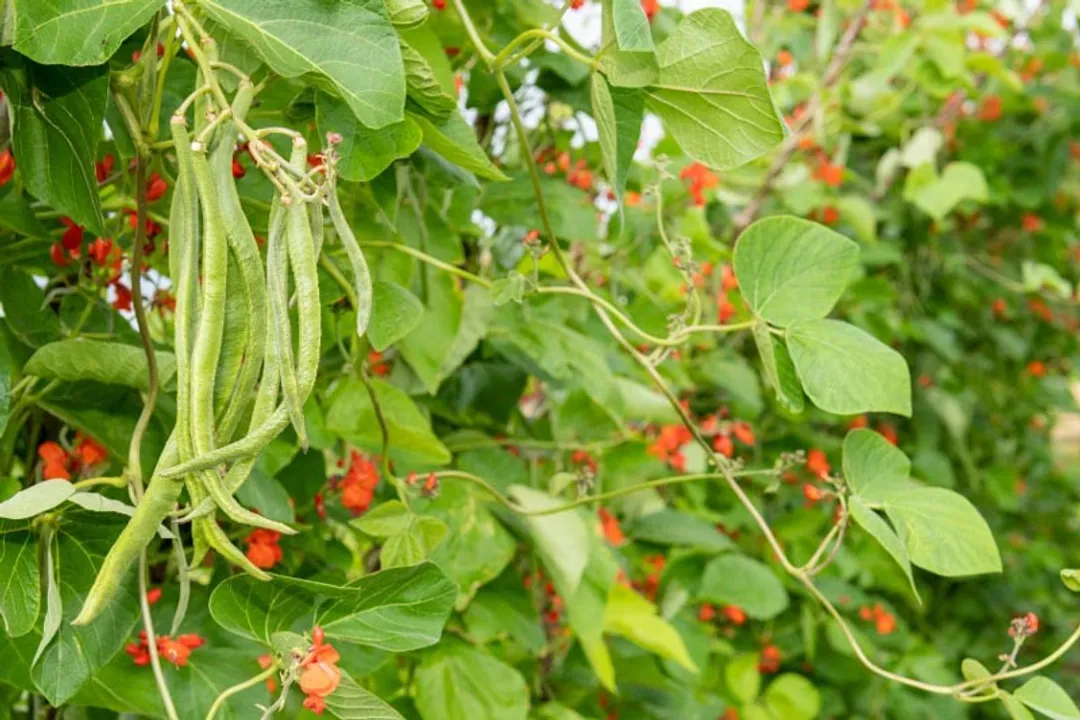
The vibrant, climbing nature of the runner bean, scientifically known as Phaseolus coccineus, offers more than just an attractive addition to the garden, as evidenced by its notable presence in various diets. [5][7] When considering vegetables that pack a meaningful nutritional punch without adding excessive calories, these legumes, often enjoyed as pods, stand out. [1][2] Understanding the composition of runner beans reveals why they deserve consistent inclusion in a balanced eating pattern.
# Nutritional Density
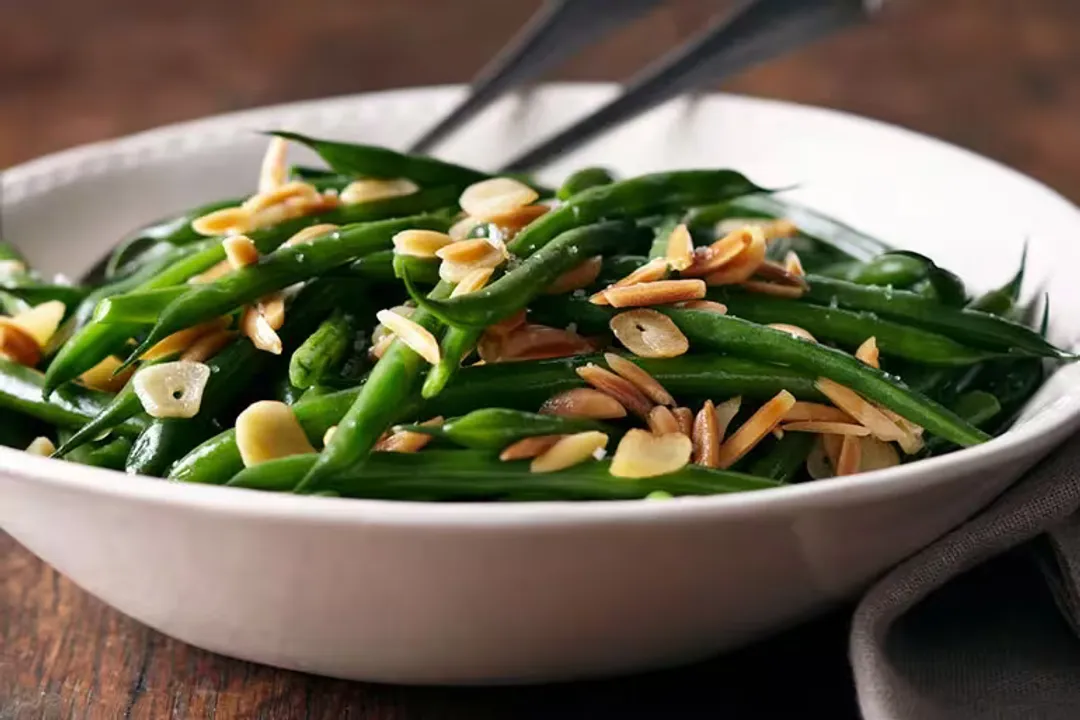
A primary appeal of runner beans lies in their favorable macronutrient profile. They are naturally low in both fat and calories, making them excellent additions for weight management or simply increasing vegetable intake without overloading on energy density. [1] However, their true strength comes from the micronutrient load they carry.
These beans provide significant amounts of several essential vitamins and minerals. [1] For instance, they are recognized as a decent source of Vitamin C, important for immune function, and Vitamin A, crucial for vision and cellular growth. [1] The mineral content is also noteworthy; runner beans contain Folate, necessary for proper cell division and the creation of genetic material, and Iron, vital for oxygen transport via red blood cells. [1]
Another key player is Vitamin K, which supports the body's ability to form blood clots correctly and plays a part in maintaining healthy bones. [1] They also supply Potassium, an electrolyte that helps manage fluid balance and blood pressure. [1] This array of specific vitamins and minerals, rather than just general "vitamins," highlights their targeted benefits. [1]
# Digestive Support
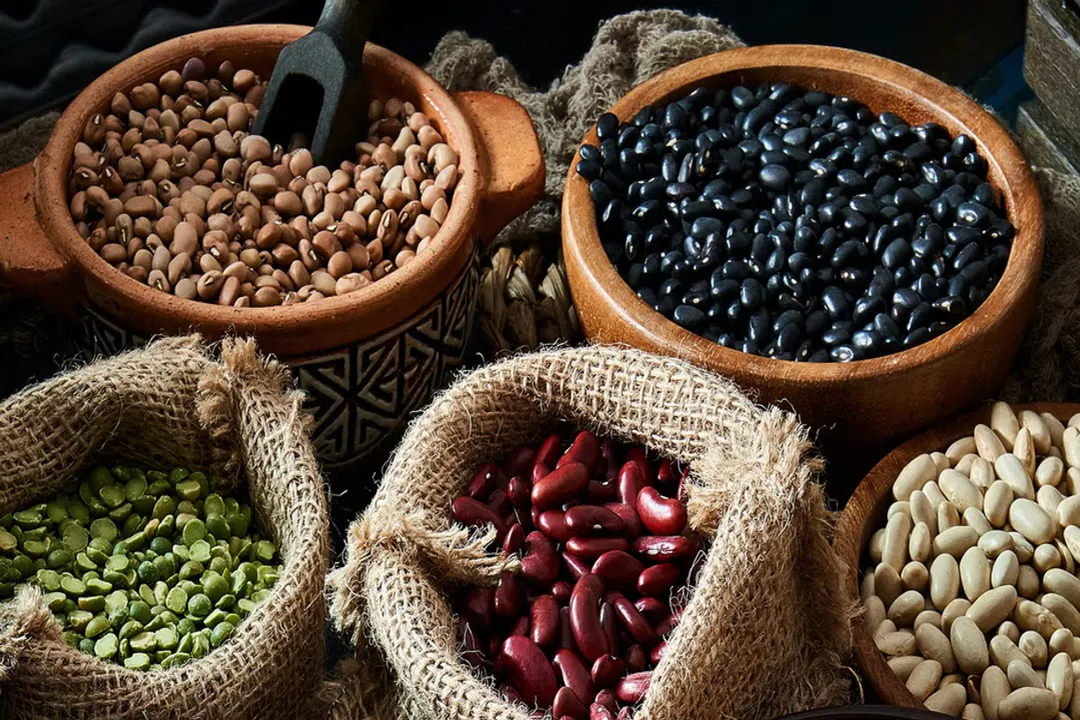
The importance of dietary fiber cannot be overstated, and runner beans contribute substantially to daily intake. [1][6] Fiber is critical for maintaining a healthy digestive tract, promoting regularity, and preventing issues like constipation. [6]
Beyond simple regularity, the fiber found in these beans—both soluble and insoluble—helps feed beneficial gut bacteria, contributing to a healthier microbiome overall. [1] Furthermore, for those aiming to control their weight, fiber promotes a feeling of fullness, or satiety, which can naturally lead to consuming fewer calories overall across the day. [1] While all beans offer fiber, the specific physical structure of the runner bean pod allows for easy integration of this beneficial component into meals without the need to rely solely on dried legumes.

# Blood Sugar Regulation
For individuals monitoring their carbohydrate intake or managing blood glucose levels, the glycemic index (GI) of foods is a crucial metric. [1] Runner beans fall into the category of foods with a low Glycemic Index. [1] This means that the carbohydrates they do contain are released into the bloodstream slowly, preventing sharp spikes in blood sugar levels after consumption. [1]
It is interesting to consider the difference between consuming the fresh pod versus a dried bean, even when both are low GI. Because the runner bean pod contains significant water and fiber structuring the starches, the rate of digestion might be inherently slower than in a dried, starchy legume counterpart, even before accounting for the lower overall carbohydrate density in the fresh vegetable form. [1] This slow, steady energy release is a hallmark of many nutritious vegetables and legumes. [1][6]
# Antioxidant Power
Health benefits are not only about vitamins and minerals; the presence of antioxidants is equally important for long-term cellular protection. [1] Antioxidants work to neutralize free radicals in the body, unstable molecules that can contribute to aging and the development of various chronic diseases. [1] Runner beans contain these protective compounds, contributing to a diet rich in disease-fighting substances. [1] While they might not be as famous as berries for their antioxidant capacity, their regular consumption contributes cumulatively to the body’s defensive stores.

# Bone and Blood Maintenance
The combination of nutrients in runner beans speaks directly to two core bodily systems: the skeletal system and the circulatory system. As noted, Vitamin K is integral to bone health, assisting in the regulation of calcium within the body. [1] Consistently pairing a good source of Vitamin K with other bone-supporting nutrients supports long-term skeletal strength. [1]
Simultaneously, the presence of Iron and Folate makes them supportive of healthy blood production. [1] While perhaps not a primary iron source compared to red meat, integrating them into a varied diet ensures a steady intake of these components necessary for preventing fatigue related to inadequate blood cell formation. [1]
# Practical Cooking Insights
Runner beans are generally available during the warmer months, often leading to abundant harvests for home gardeners. [4] They are typically cooked by steaming, boiling, or sautéing. [2][7] To maximize their health impact, cooking technique matters significantly.
Because they contain water-soluble vitamins like Vitamin C, prolonged boiling can leach these nutrients into the cooking water, which is then often discarded. [1] A simple technique to mitigate this loss while still ensuring the beans are tender is blanching—briefly immersing them in rapidly boiling water followed immediately by an ice bath. This process sets the bright green color (indicating less breakdown of chlorophyll and vitamins) and achieves a tender-crisp texture in just a few minutes. [2] For home cooks, aiming for that vibrant green hue is often a visual cue that you have preserved a higher concentration of heat-sensitive nutrients like Vitamin C compared to beans cooked until pale or mushy.
Another practical consideration involves preparation if you are sourcing them locally or growing them yourself. While the sources generally discuss the edible vegetable pods, remember that, like many legumes, the seeds inside the pods must be cooked thoroughly to deactivate certain naturally occurring lectins, which can cause digestive upset if consumed raw or undercooked. [2][7] Cooking them until tender ensures they are safe and easily digestible, allowing your body to access all the listed benefits effectively. They pair well with simple preparations involving herbs or light seasoning, allowing their inherent flavor and nutritional value to lead the dish. [2][7]
Related Questions
#Citations
Are There Health Benefits of Runner Beans? - WebMD
Runner beans Nutrition Facts - CheckYourFood
[PDF] Runner Beans | Nutrition Scotland
We have an abundance of Scarlet Runner Beans, did you know that ...
Phaseolus coccineus - Runner Beans - Gardenia.net
The Benefits of Beans Extend Beyond Filling You Up With Fiber
Runner Beans - Herbs2000.com
The Health Benefits of Green Beans
Beans may be the very best thing you can eat for your microbiome ...