Health Benefits of Cannellini Bean
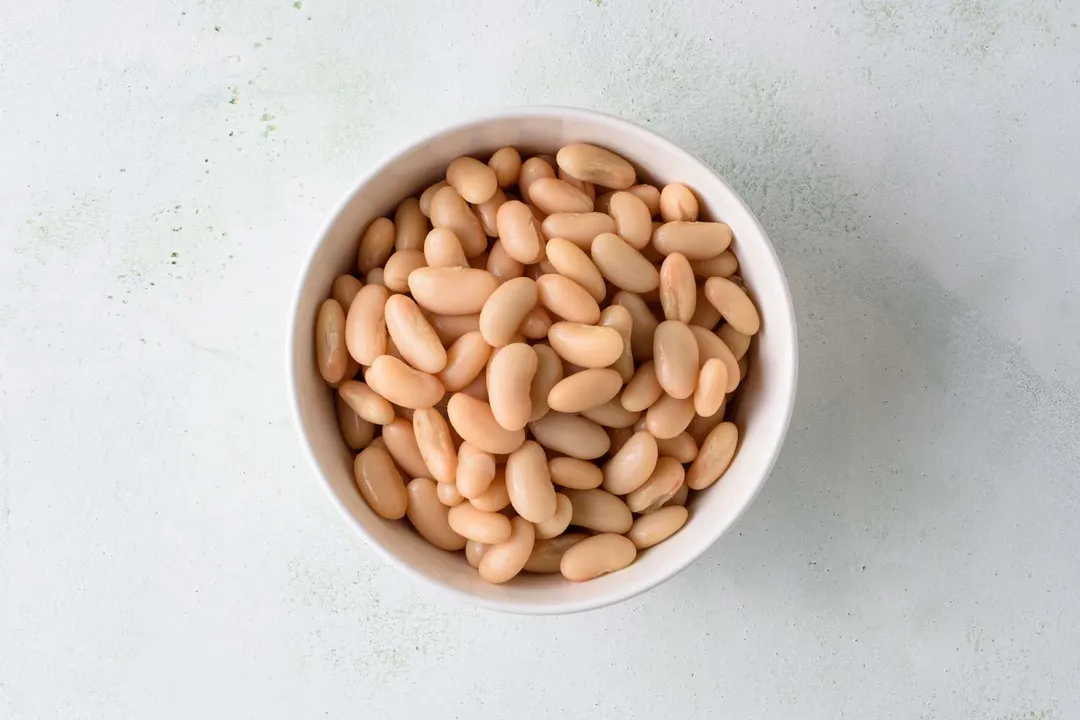
This creamy, oblong legume, often mistaken for just another pantry staple, is actually a powerhouse ingredient with deep roots in Mediterranean cooking. Cannellini beans, known by many names including white kidney beans or fasolia, hail originally from South America but became a celebrated component of Italian cuisine, so much so that residents of Tuscany earned the affectionate moniker "bean eaters". [1] Their popularity isn't just historical; it’s rooted in a profile that marries satisfying texture with impressive nutritional density. [2]
# Bean Identity

Though they share shelf space with other pale varieties like Navy and Great Northern beans, cannellinis possess distinct characteristics. [3] They are typically larger and have a meatier texture compared to Great Northern beans, which helps them retain their shape exceptionally well during cooking, making them superb when you want the bean to remain intact in a salad or side dish, unlike softer types. [1][4] When prepared, they offer a mild flavor with an earthy, nutty background. [2][3] This versatility allows them to soak up the flavors of herbs like rosemary and sage, or serve as a velvety base for dips and stews. [1]
# Nutrient Density
Peeling back the label reveals why these beans are so highly regarded by nutritionists and home cooks alike. Cannellini beans are celebrated for being low in fat while delivering significant fiber and protein. [1][4] To give a clearer picture of what a serving provides, let’s look at the numbers, understanding that values shift slightly between dried and canned measurements, and dry beans absorb water to become heavier. [1][4] A 1-cup serving of cooked white beans, for instance, can deliver around 17 grams of protein and 11 grams of fiber. [3][5] This single serving can supply nearly half of a woman's daily recommended fiber intake or about a third for a man. [5]
Beyond the macronutrients, cannellinis are mineral-rich. They stand out as excellent sources of copper, which plays a role in energy production and iron metabolism. [3][5] They are also packed with iron, essential for oxygen transport via hemoglobin, and magnesium, a mineral critical for over 300 enzymatic actions, including those related to bone health. [1][2][3] Furthermore, they provide substantial potassium, vital for fluid balance, and folate (a B vitamin important for amino acid production). [2][4]
When you compare the convenience of canned beans versus dried, remember that the canning process often introduces sodium. [4] A half-cup serving of canned beans might carry around 90mg of sodium, though this can be drastically reduced—by about 41%—simply by draining and rinsing them thoroughly. [4] Choosing dried beans allows for complete sodium control, though it requires pre-planning for soaking. [1] If you are mindful of hitting your protein goals while keeping caloric intake in check, consider this: swapping out a side of refined starch for a cup of cannellini beans not only delivers those 17 grams of protein but also provides the accompanying essential minerals and fiber without the added fat content found in many other protein sources. This efficiency in packing nutrients per calorie makes them an outstanding food choice for nutrient optimization.
# Weight Management Support
One of the most frequently highlighted benefits of incorporating cannellini beans into your diet relates to maintaining a healthy body weight. [3] This isn't simply due to their relatively low-calorie profile; it’s largely due to the high amounts of protein and fiber they contain. [1][3]
Both fiber and protein are recognized for their ability to promote satiety—the feeling of being full. [3] When you feel satisfied, you are less likely to snack unnecessarily or overeat at subsequent meals. [3] Specifically, the fiber in these beans forms a gel-like substance in the digestive tract, which slows down digestion and helps keep you feeling fuller for longer. [2]
Perhaps more uniquely, white beans have been studied for their role as alpha-amylase inhibitors. [1] These inhibitors essentially work by blocking the enzymes that break down carbohydrates quickly. [1] The result is a significant benefit for blood sugar management, as the body is prevented from rapidly absorbing carbohydrates, thus avoiding sharp blood sugar spikes after a meal. [1][4] Studies on extracts from white beans have shown reductions in Body Mass Index (BMI) and body fat while preserving lean muscle mass in participants. [1] Long-term population studies even suggest that regular legume consumption correlates with a lower likelihood of obesity. [3]
# Blood Sugar Regulation
The mechanism that aids in weight management—slowing carbohydrate absorption—directly translates into support for stable blood glucose levels. [1][4] For individuals managing Type 2 diabetes, incorporating legumes like cannellini beans into a low-glycemic index diet has been shown to help lower overall A1C levels. [4] This is partly due to the low glycemic load of cannellini beans, which is under 5, indicating minimal impact on immediate blood glucose. [4]
The fiber content is crucial here too, as adequate fiber intake is essential for disease prevention, including diabetes. [1] Soluble fiber, specifically, helps stabilize blood sugar by slowing down glucose release into the bloodstream. The amylase inhibitor effect observed in research further supports the bean’s effectiveness in regulating elevated levels of disaccharidase enzymes, which are responsible for breaking down sugars. [1]

# Heart Health Focus
The protective effects of cannellini beans extend to the cardiovascular system through multiple avenues. [4] Firstly, the high fiber content is strongly linked to a reduced risk of coronary heart disease across large analyses. [1] Soluble fiber contributes by binding to and assisting in the removal of LDL, or "bad" cholesterol, from the digestive tract. [3]
Secondly, the beans support healthy blood pressure due to their high potassium levels. [2][4] Potassium works to counteract the blood-pressure-raising effects of excess sodium in the diet, promoting healthier vessel function. Additionally, the presence of polyphenols—antioxidant compounds—helps guard against chronic issues by mitigating oxidative stress and inflammation, both key factors in the development of cardiovascular disease. [3][4] Research on the white bean extract also pointed toward a beneficial reduction in triglycerides and LDL cholesterol in test subjects. [1]
# Antioxidants and Cellular Defense
Cannellini beans, as part of the Phaseolus vulgaris group, carry a high load of antioxidants, particularly polyphenols. [1][3] These compounds are central to protecting your cells from the damaging effects of free radicals encountered through diet and the environment. [1] This defense mechanism is what positions them as potential cancer-fighting foods. [1]
While research specific to cannellini antioxidant content may be limited, their close relationship to navy beans suggests the presence of beneficial compounds like ferulic acid. [1] Ferulic acid has shown promising activity in laboratory settings, inducing apoptosis (cell death) in certain liver cancer cells, and also demonstrating an ability to inhibit the growth of some breast cancer cells. [1]
This cellular protection offers an external benefit as well: skin health. [1] Ferulic acid, when applied topically alongside Vitamins C and E, has been found to effectively double the protective capabilities of sunblock and significantly reduce skin cell death following UV ray exposure. [1]
# Digestive and Gut Function
The fiber in cannellini beans provides dual benefits for the digestive tract. [2] Insoluble fiber acts by adding bulk to stool, promoting regular, comfortable bathroom habits and helping waste move efficiently through the system. [2] Soluble fiber, on the other hand, forms a gel, slowing digestion and improving nutrient absorption while also acting as a prebiotic. [2] Prebiotics feed the beneficial bacteria in your large intestine, cultivating a healthy and balanced microbiome, which is increasingly recognized as essential for overall wellness and even immune function.
Interestingly, while historically people with conditions like Crohn's disease were advised to limit fiber, newer research indicates that plant-based dietary fiber, such as that found in cannellini beans, may actually play a beneficial role in treating the condition. [1] For those new to a high-fiber diet or with sensitive stomachs, introducing beans slowly is generally advisable to avoid temporary gas or discomfort. [2]
# Building Blocks and Immunity
The substantial plant protein found in cannellini beans is essential for numerous bodily processes, including supporting healthy muscle mass, nutrient transport, and hormone production. [3] Since they are a staple for many on plant-based diets, they serve as a valuable alternative to animal protein, though they lack one of the nine essential amino acids. [3] This is why pairing them, whether in the same meal or throughout the day, with grains like rice, corn, or wheat is recommended to create complementary proteins. [3] You gain the protein benefits alongside the advantages of the accompanying vitamins and minerals. [2]
Beyond structure, the beans contribute to bodily upkeep. Iron and potassium help keep the heart pumping and oxygen moving. [4] The magnesium content is key for healthy bone structure. [2] Furthermore, the presence of zinc in white beans is noteworthy, as this mineral is essential for regulating white blood cell production, thereby supporting a healthy immune response.
# Culinary Applications
Cannellini beans are exceptionally versatile. Because they hold their shape well, they shine in dishes where a defined bean structure is desired. [4] They are perfect for soups—think traditional pasta e fagioli or minestrone—or as a hearty addition to stews and chilis. [1]
For a simple preparation, sautéing canned or pre-soaked beans with olive oil, garlic, and herbs like sage or rosemary creates an excellent side dish. [1][2] If you enjoy classic baked beans, you can easily create a homemade, healthier version by simmering cannellini beans in a savory sauce made from tomatoes, onions, and your preferred spices. [1][2]
Beyond savory applications, their ability to mash easily opens doors to creative substitutions. [4] You can blend them into smooth dips, using tahini and lemon juice for a variation on hummus. In a more surprising turn, pureed cannellini beans have been successfully used in baking, replacing up to half of the shortening in desserts like brownies, adding fiber and protein without compromising texture. [1]
If you prefer to use dried beans, the best, creamiest results are achieved by soaking them overnight for at least 12 hours. [1] If time is short, boil them for about ten minutes, then let them sit covered off the heat for an hour. [1][3] Whether using dried or canned, remember to salt your beans after they are cooked to prevent the outer skins from toughening during the heating process. [1] By mastering the simple techniques of soaking and seasoning, you unlock an affordable, nutrient-dense food that can genuinely support numerous health objectives, from steady energy to cardiovascular strength. [5]
Related Questions
#Citations
Health Benefits Of Cannellini Beans
White Beans: Nutrition, Benefits, and More
Cannellini Beans Benefits, Nutrition Facts and How to Cook
Cannellini Bean Nutrition Facts and Health Benefits
The Top 4 Advantages of White Beans Revealed