Health Benefits of Urad Bean
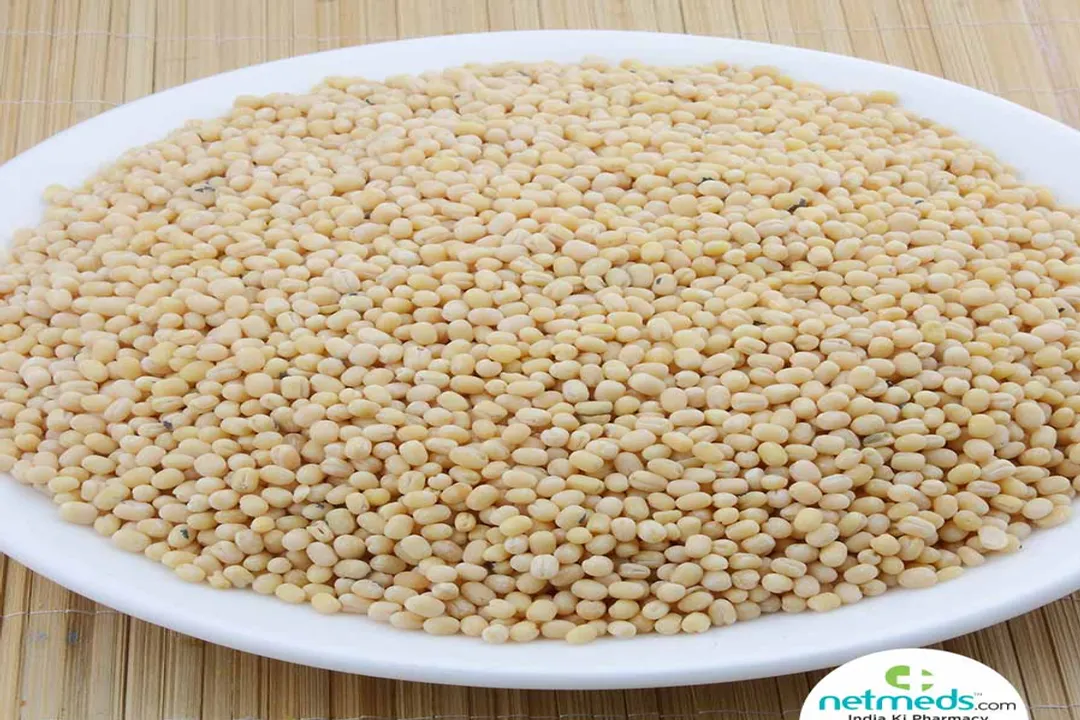
The humble urad bean, or black gram, holds a distinguished place across global cuisines, particularly in South Asia, where it moves beyond being a mere legume to an essential component of holistic wellness strategies. Often recognized in its split and de-skinned form as urad dal, this versatile pulse packs a significant nutritional punch that supports everything from daily energy needs to long-term metabolic health. [1][2] It is not just a base for famous dishes like dosa or idli; it is historically regarded in systems like Ayurveda as a powerhouse for building strength and vitality. [9] Understanding its spectrum of benefits requires looking closely at its rich matrix of proteins, fibers, and trace minerals, which contribute to its reputation as a food that nourishes deeply.
# Nutritional Density
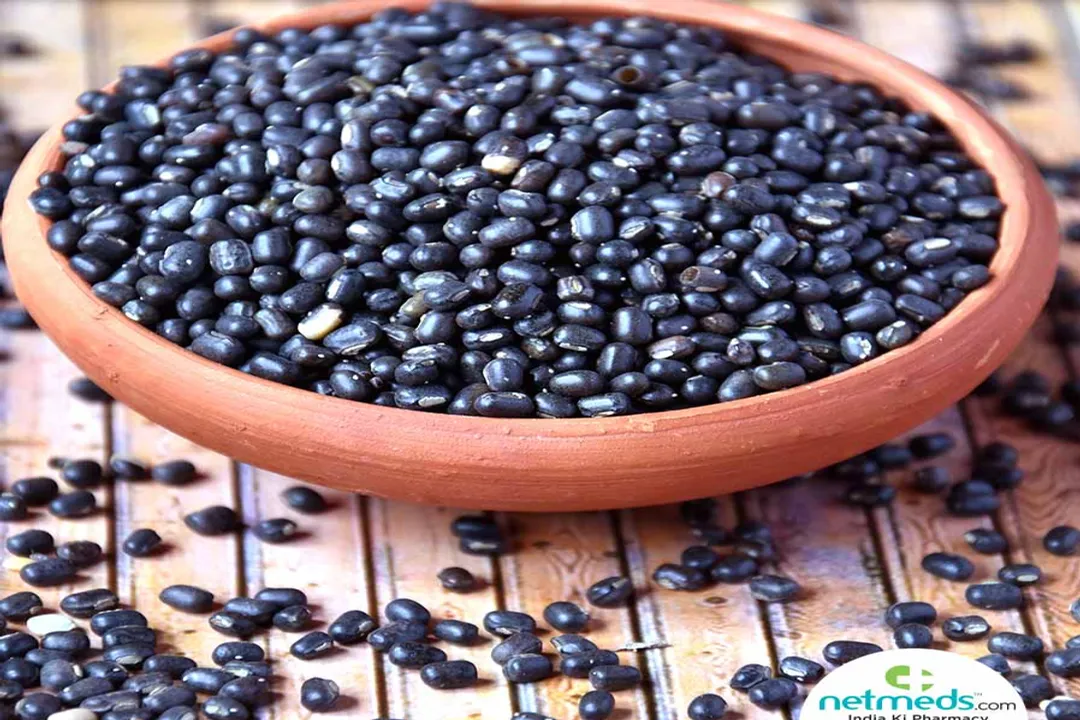
The nutritional profile of black gram distinguishes it from many other common lentils and beans. [7] It offers a high concentration of macronutrients, making it a favorite for vegetarian diets requiring substantial protein intake. [2] Specifically, urad dal is an excellent source of protein, which is fundamental for muscle repair and overall body maintenance. [1][5]
Beyond protein, its fiber content is noteworthy, contributing significantly to satiety and digestive regularity. [7] When examining its micronutrient array, urad beans stand out for their substantial mineral contributions. They are particularly rich in iron, essential for oxygen transport and preventing fatigue, as well as calcium, vital for bone health. [1][5] Furthermore, these pulses supply important electrolytes and cofactors, including magnesium and potassium, both critical for maintaining healthy blood pressure and nerve function. [2][5] The inclusion of various B vitamins also supports energy metabolism, ensuring the body efficiently converts food into usable energy. [1] While the whole black gram is nutritionally dense, it is worth noting that the husk, which is removed when preparing white urad dal, contains a significant portion of the total dietary fiber and certain phytochemicals. For those specifically targeting maximum roughage and nutrient delivery, preparing the whole bean, though taking longer to cook, might offer a slight edge over the refined, split version. [7]
# Digestive Support
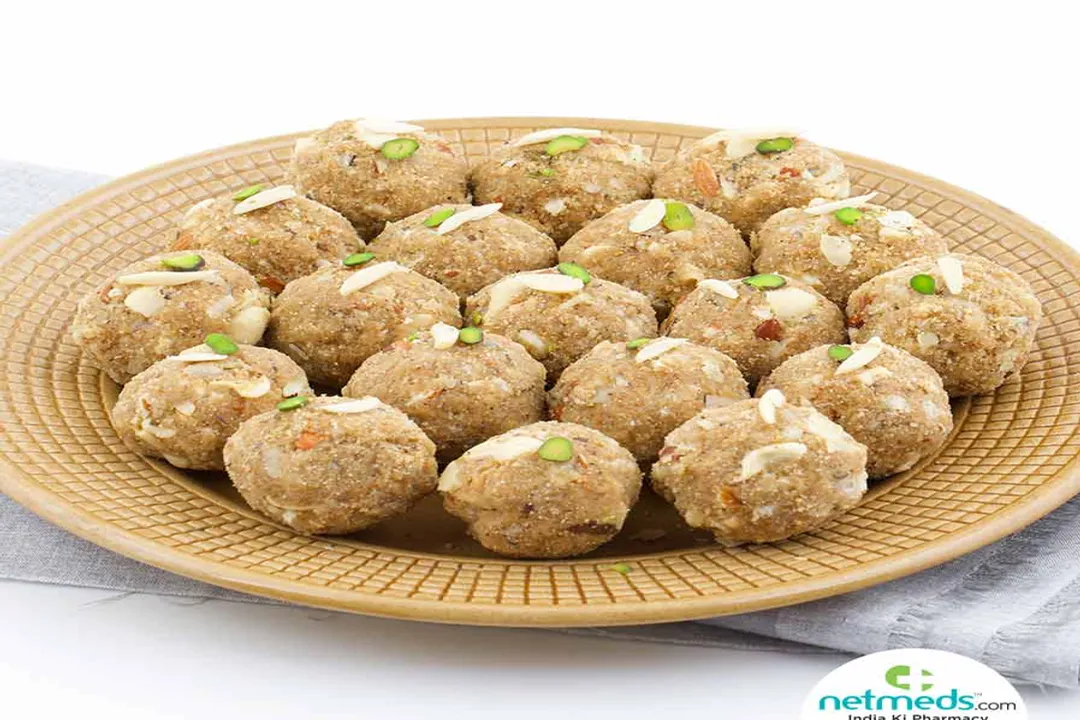
The high dietary fiber found in urad dal makes it a celebrated food for promoting a healthy digestive tract. [7] Fiber is critical because it adds bulk to stools, helping to regulate bowel movements and combat constipation. [1][2] By promoting regular transit time, it supports the overall function of the gut.
Furthermore, the complex carbohydrates and fibers act as prebiotics, feeding the beneficial bacteria in the colon. [7] A thriving gut microbiome is linked not just to better digestion but also to improved immunity and even mental well-being. However, because the bean is high in oligosaccharides (a type of complex sugar), individuals unused to high-fiber diets must introduce it gradually. [1] A practical way to manage the Vata-aggravating tendency often associated with beans—which can manifest as gas or bloating—is to ensure thorough soaking before cooking and to incorporate digestive aids like asafoetida (hing) or ginger into the preparation. This traditional culinary practice helps break down these complex sugars, making the nutrient benefits accessible without the typical digestive discomfort. [4][8]
# Heart Health
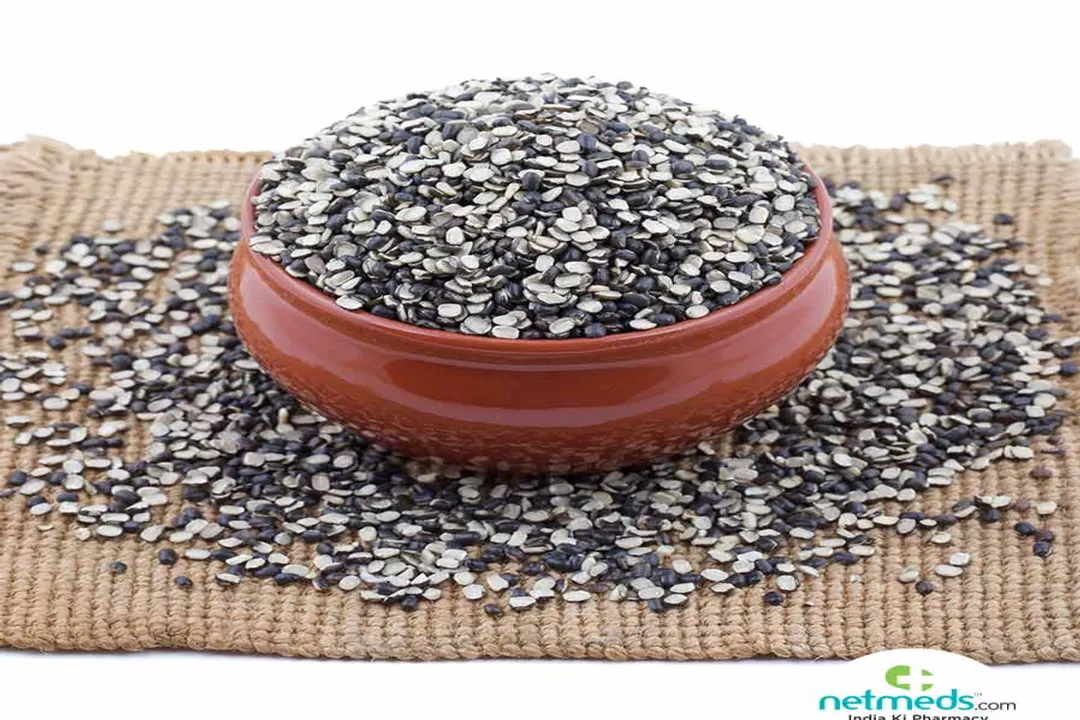
The components within urad beans present a compelling case for their role in cardiovascular maintenance. The combination of minerals like potassium and magnesium actively works to regulate blood pressure by balancing the body’s fluid levels and aiding blood vessel relaxation. [2][5]
Additionally, the bean’s nutritional makeup can influence cholesterol management. Studies suggest that the consumption of black gram can help in lowering levels of LDL, or "bad" cholesterol. [5] This effect is likely attributable to both the soluble fiber, which binds to cholesterol in the digestive tract, and the presence of beneficial polyunsaturated fats, which offer a healthier fat profile than saturated fats found in many other food sources. [2] Incorporating a regular serving of urad dal into a balanced diet, perhaps twice a week in place of less nutrient-dense starches, is an actionable step toward supporting long-term arterial health. [5]
# Ayurvedic Classification
In the ancient Indian system of medicine, Ayurveda, black gram is known by its Sanskrit name, Masha. [4][9] It is not viewed merely as food but as a potent medicinal herb when properly prepared. [4] Its energetic profile (Virya) is considered hot (Ushna), which means it tends to generate internal heat in the body. [4][9]
This hot quality makes it particularly effective at pacifying Vata dosha, which is associated with qualities like dryness, coldness, and instability. [4][8][9] By balancing Vata, Masha is believed to ground the nervous system and provide substantial strength. [9] Conversely, due to its heating nature, practitioners often advise caution for individuals with a high Pitta constitution or during periods of fever, as excessive consumption may aggravate these conditions. [4][8] Nevertheless, its status as a Rasayana, or rejuvenating tonic, remains firm, specifically recommended for those needing to build tissue strength and vitality. [9]

# Strength and Vitality
The reputation of urad bean as a tonic for physical power is strongly linked to its high protein and iron density. [4][9] For athletes, bodybuilders, or anyone recovering from illness, a readily available source of high-quality, plant-based protein is crucial for muscle anabolism and tissue regeneration. [5]
Moreover, the substantial iron content addresses one of the most common causes of lethargy: iron-deficiency anemia. [1] Consuming iron-rich foods like black gram, especially when paired with Vitamin C sources (like a squeeze of lemon juice over a finished preparation), significantly enhances the body's ability to absorb this essential mineral. [1] In Ayurvedic texts, Masha is often indicated for rebuilding strength (Bala) and treating conditions related to weakness or neurological strain, supporting the modern understanding of its role in sustained energy release through its complex carbohydrate structure. [4][9]
# Skin and Hair Care
The benefits of the urad bean are not confined to internal consumption; its historical use in topical applications showcases its comprehensive value. [5] Both the whole beans and the resulting flour are key components in traditional beauty preparations, such as Ubtan. [1]
When ground into a paste, the bean flour acts as a gentle exfoliant, removing dead skin cells without being overly abrasive. [5] This action helps to smooth the skin texture and can contribute to a clearer complexion by gently purifying the pores. [1] For hair care, pastes made from urad dal are sometimes used as natural conditioners or strengthening treatments. The mineral profile, especially the high calcium and iron content, is thought to support the health of the hair follicles, potentially aiding in reducing hair fall and promoting strength when applied externally. [5]
# Consumption Methods
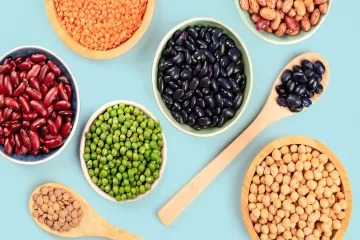
The versatility of the urad bean allows it to be incorporated into the diet in numerous appealing ways, ensuring that its benefits can be accessed regularly. [2] The most common preparations involve soaking the beans, which reduces cooking time and improves digestibility. [1]
Common preparation styles include:
- Whole Beans (Sabut Urad): Cooked whole, often in slow-simmered, rich curries like Dal Makhani, where the skin remains on, retaining maximum fiber and nutrients. [7]
- Split and Skinned (Dhuli Urad): The white split variety cooks quickly and is used in light dals, batters for idlis and dosas, and often incorporated into doughs for flatbreads. [2]
- Ground Paste: Used as a binding agent or thickener in soups and sauces, or applied externally for skincare. [5]
When preparing dishes, remember that the traditional medicinal aspect of balancing the bean's heating effect must sometimes be considered alongside modern nutritional goals. While a heavy, creamy Dal Makhani is satisfying, it might best be counterbalanced by cooling accompaniments like buttermilk or cucumber salad to mitigate its Ushna (heating) property, especially for those with sensitive digestion or high Pitta tendencies. [4][8]
# Considerations and Precautions
While urad bean offers considerable advantages, responsible consumption requires acknowledging potential drawbacks. The primary concern, as mentioned, relates to its high fiber and oligosaccharide content, which can lead to flatulence and abdominal discomfort if intake is suddenly increased or if the beans are not properly prepared. [1][2]
From an Ayurvedic viewpoint, excessive intake is discouraged during acute illness, such as fever (Jwara), or when the body is already experiencing an aggravation of the Pitta dosha, due to its inherent heating nature. [4][8] Furthermore, although it is rich in minerals like iron, urad beans also contain phytates (phytic acid), which can slightly inhibit the absorption of certain minerals like zinc and iron. [7] Soaking and sprouting the beans before cooking are simple methods that can significantly reduce phytate levels, thereby maximizing the bioavailability of the beneficial minerals you consume. [7] Balancing the meal with Vitamin C-rich ingredients naturally helps counteract any potential mineral binding effect, ensuring that the nutritional gains from this exceptional legume are fully realized.
Related Questions
#Citations
Urad Dal: Uses, Benefits, Side Effects, and More! - PharmEasy
Black Gram (Urad Dal) Benefits And Its Side Effects | Lybrate
Top 10 Unknown Urad Dal Health Benefits
Black Gram in Ayurveda | Benefits, Uses, Nutrition & Healing ...
Black Gram: Nutrition, Therapeutic Benefits, Uses For Skin And Hair
Benefits of black gram (urad dal) for health - Facebook
Urad dal benefits with Nutritional Value [2024] - Organic Positive
Urad Dal Benefits (Ayurveda Insights) - Joyful Belly
Black Gram: Ayurvedic Superfood for Strength & Vitality