Health Benefits of Fava Bean
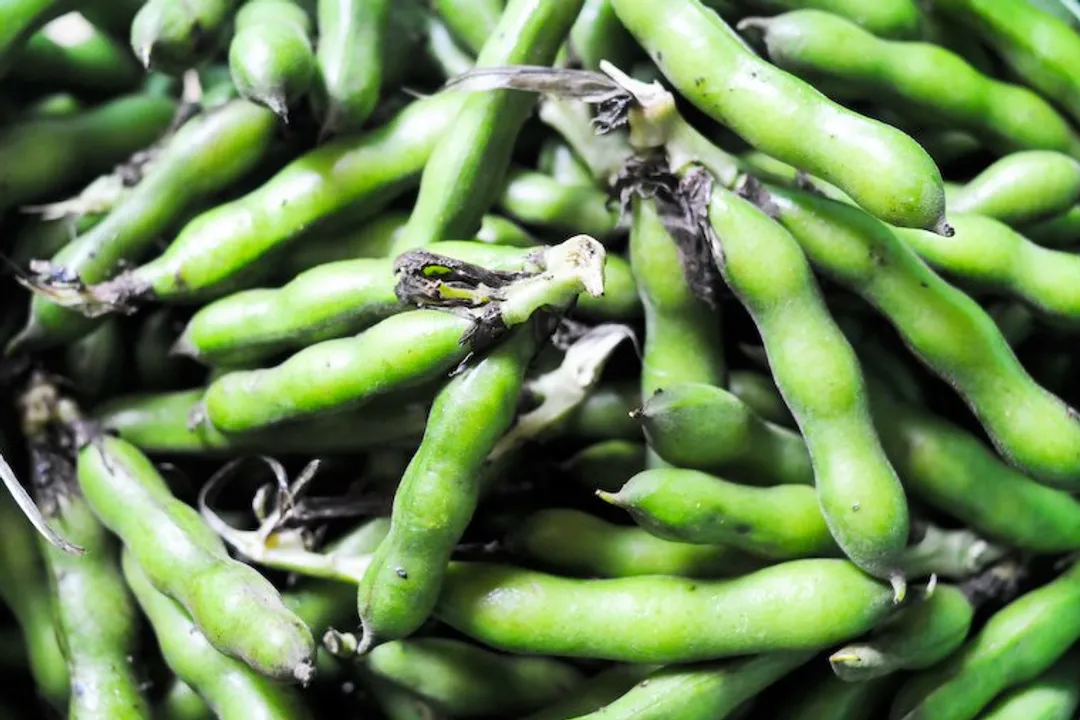
The humble fava bean, also known by its longer name, broad bean, stands as an often-overlooked powerhouse in the world of legumes. If your culinary experience with beans has been limited to kidney or black beans, giving the fava a chance is worthwhile, as it brings a distinct, earthy flavor and a remarkable profile of essential nutrients to the table. [8] Moving beyond its use in traditional Mediterranean and Middle Eastern dishes, understanding the depth of its nutritional contribution reveals why these beans deserve a more prominent spot in modern diets. They are packed with vitamins, minerals, and plant compounds that support overall wellness in ways that might surprise those unfamiliar with their benefits. [1]
# Nutrient Density Profile
The foundation of any food’s health advantage lies in its raw nutritional makeup, and fava beans deliver a substantial punch per serving. They are an excellent source of dietary fiber, which is vital for digestive regularity and satiety. [1][6] Beyond fiber, they offer impressive levels of several micronutrients. For instance, they are rich in folate (vitamin B9), a critical nutrient for cell division and DNA synthesis, making them particularly important during periods of rapid growth or cell turnover. [2][6]
Fava beans also contain significant amounts of essential minerals. They are a good source of manganese and copper, both of which play roles in enzymatic reactions throughout the body, including antioxidant defense systems. [1] Furthermore, they contribute meaningfully to daily intake of iron and magnesium. [1][2] For those seeking to balance their diet, a look at their macronutrient distribution shows a favorable ratio: they are relatively low in fat while providing a decent amount of complex carbohydrates alongside their protein content. [6]
To illustrate their comparative strength, consider a standardized serving:
| Nutrient Category | Fava Bean Contribution | Key Role |
|---|---|---|
| Fiber | High | Digestive Health, Satiety |
| Folate (Vitamin B9) | Very High | DNA Synthesis, Red Blood Cell Formation |
| Iron | Good Source | Oxygen Transport |
| Magnesium | Good Source | Muscle Function, Bone Health |
| Protein | Substantial | Tissue Repair, Satiety |
This nutrient blend suggests that integrating fava beans isn't just about adding another vegetable; it's about strategically boosting several key areas of bodily function simultaneously. [3]
# Digestive System Support
One of the most immediately recognizable benefits of regularly consuming fava beans stems from their high fiber content. [1][6] Fiber, which comes in both soluble and insoluble forms, is crucial for maintaining a healthy gut environment. The insoluble fiber acts as roughage, adding bulk to stool and helping to promote regular bowel movements, thereby preventing constipation. [1]
The soluble fiber fraction, however, offers a different but equally important benefit: it acts as a prebiotic, feeding the beneficial bacteria in your colon. [5] A thriving microbiome is increasingly linked to everything from improved mood to enhanced immune response. [5] When these beneficial bacteria ferment the fiber, they produce short-chain fatty acids (SCFAs) like butyrate, which serve as the primary energy source for the cells lining the colon. This interaction is a cornerstone of long-term digestive wellness. [5]
Thinking about this process practically, if you are transitioning to a higher-fiber diet, introducing fava beans gradually is advisable. Suddenly overloading your system with fiber, even from a healthy source like these beans, can lead to temporary digestive discomfort. A helpful starting point might be incorporating a quarter cup of cooked, peeled fava beans into a salad or stew a few times a week, allowing your system time to adjust to the increased load and start benefiting from the microbial shifts. [7]
# Cardiovascular Health Factors
The role of fava beans in supporting a healthy heart is multifaceted, drawing on their mineral content and impact on blood pressure regulation. [2] They are particularly noteworthy for their contribution of potassium and magnesium. [1][2]
Potassium is an electrolyte that works in opposition to sodium within the body; adequate intake helps manage fluid balance and promotes the relaxation of blood vessel walls, which directly contributes to lower, healthier blood pressure readings. [2] Magnesium is also a key player here, assisting in regulating blood pressure and maintaining a steady heart rhythm. [1][2]
Furthermore, the fiber discussed earlier plays a secondary cardiovascular role. Soluble fiber has been shown to bind with bile acids—which are made from cholesterol—in the digestive tract, leading to their excretion rather than their reabsorption. [1] Over time, this process encourages the body to pull more cholesterol from the bloodstream to create new bile acids, potentially leading to lower levels of LDL, or "bad," cholesterol. [1] While no single food is a cure-all for heart disease, a diet rich in beans like the fava, which offers this mineral trio alongside fiber, forms a strong foundation for long-term cardiovascular maintenance. [3]
# Supporting Blood Sugar Control
For individuals monitoring their carbohydrate intake or looking to prevent sharp spikes in blood sugar, fava beans present a fantastic food choice. Their impact is derived from the combination of high fiber and substantial protein content. [1][5]
When carbohydrates are consumed alone, they are often digested relatively quickly, leading to a faster rise in glucose levels. However, when those carbohydrates are paired with fiber and protein, the digestive process is naturally slowed down. [7] The fiber creates a physical barrier that slows the absorption of sugars into the bloodstream, while the protein requires more complex enzymatic action to break down. [1] This results in a much more gradual and sustained release of energy, preventing the characteristic crash that follows a high-glycemic spike. [5] This slower glycemic response is a significant benefit for metabolic health generally. [5]

# A Plant-Based Protein Powerhouse
One of the most compelling reasons to embrace fava beans, especially for those reducing meat consumption or adhering to vegetarian or vegan lifestyles, is their protein quality. [4] They are recognized as a valuable source of plant-based protein. [4][6] Protein is essential for building and repairing muscle tissue, producing hormones and enzymes, and ensuring overall structural integrity of the body. [2]
Fava beans are particularly rich in L-DOPA, a precursor to the neurotransmitter dopamine, which may have various functional roles, though research continues in this area. [5] From a structural standpoint, while they may not contain all nine essential amino acids in ideal ratios compared to animal proteins, they contribute significantly to daily needs. [4] For optimizing a plant-based diet, it is easy to pair fava beans with grains (like rice or wheat) later in the day to round out the essential amino acid profile, making them a versatile building block for complete protein intake. [4] For someone aiming for 100 grams of protein per day, a substantial serving of fava beans can contribute a meaningful portion, reducing reliance on more processed meat substitutes. [4]
# Iron and Red Blood Cell Health
Iron deficiency anemia remains a significant global health concern, and while meat sources often get the spotlight, plant sources like fava beans provide non-heme iron that is accessible to the body. [1][6] Iron is non-negotiable for the formation of hemoglobin, the protein in red blood cells responsible for transporting oxygen from the lungs to the rest of the body. [1] Ensuring adequate intake supports energy levels and cognitive function, as the brain requires a steady oxygen supply to operate optimally. [6]
It is worth noting that non-heme iron absorption can be enhanced by consuming it alongside a source of Vitamin C, such as a squeeze of lemon juice or a side of bell peppers when eating your fava beans. This simple culinary pairing can significantly increase the bioavailability of the iron present in the bean. [3]
# Unique Considerations and Preparation
While fava beans offer wide-ranging benefits, they carry a unique consideration related to a specific genetic condition. For individuals with a deficiency in the enzyme glucose-6-phosphate dehydrogenase (G6PD), consuming fava beans can trigger a condition known as favism, leading to the destruction of red blood cells (hemolysis). [5] This is a critical piece of knowledge for anyone whose family history includes this condition, and it highlights the importance of knowing one's own genetic markers when making significant dietary shifts. [5] For the vast majority of the population without this deficiency, however, the beans are safe and highly beneficial. [1]
Preparing these beans requires a bit more attention than, say, pouring a can of chickpeas into a salad. Fresh or dried fava beans usually need to be soaked, and often, the tough outer seed coat must be removed after an initial blanching or cooking process to reveal the tender, bright green inner bean. [3] While this extra step might deter some, this dual-layer casing is what holds much of the dense fiber and nutrients, and removing it results in a superior texture for many dishes. [3]
If you find the multi-step peeling process too time-consuming for weeknight meals, consider stocking up on high-quality, frozen, peeled fava beans when they are in season. They often require less prep work and maintain much of their texture, making them a fantastic pantry staple for quick additions to soups or for mashing into a healthy dip alternative to hummus. [8] This approach helps bridge the gap between wanting the health benefits and having the time for traditional preparation.
Fava beans, whether referred to as faba beans or broad beans, represent a significant food source rooted in ancient agricultural history yet entirely relevant to contemporary health goals. [4][9] From supporting cardiovascular function through mineral density to stabilizing blood sugar via fiber and protein pairing, their value extends across multiple physiological systems. [1][2] By understanding their unique composition and integrating them mindfully into one’s regular rotation, these versatile legumes provide a delicious and well-supported path toward better nutrition. [7]
Related Questions
#Citations
10 Impressive Health Benefits of Fava Beans - Healthline
Health Benefits of Fava Beans - WebMD
Fava Beans Nutrition: 7 Incredible Health Benefits - Hitchcock Farms
The Power of Faba Beans: A Sustainable Plant-Based Protein
Faba Bean: An Untapped Source of Quality Plant Proteins and ...
3 Fava Beans Benefits | Bob's Red Mill Natural Foods
Top 4 reasons to eat more fava beans | The Honest Bean Co
If you haven't tried fava beans before give them a try they ... - Facebook
The Benefits of Faba Beans - Huel