Health Benefits of Purple Radish
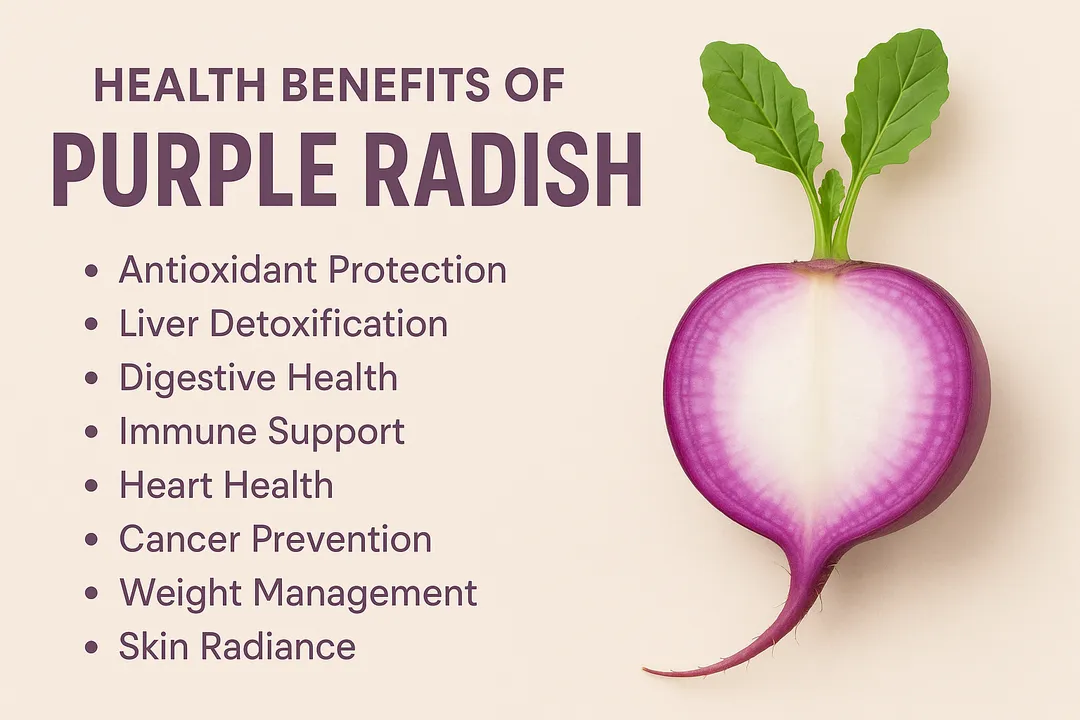
The vibrant hue of a purple radish hints at a powerful nutritional profile nestled within its crisp root. While many people associate radishes only with the small, sharp red varieties found garnishing salads, the deeper pigmentation found in purple radishes suggests an elevated presence of beneficial plant compounds waiting to be recognized. [1][9] Integrating these striking vegetables into your diet offers a spectrum of advantages, touching upon everything from circulatory wellness to digestive regularity, often making them a quiet powerhouse in the vegetable patch. [7][9]
# Intense Color
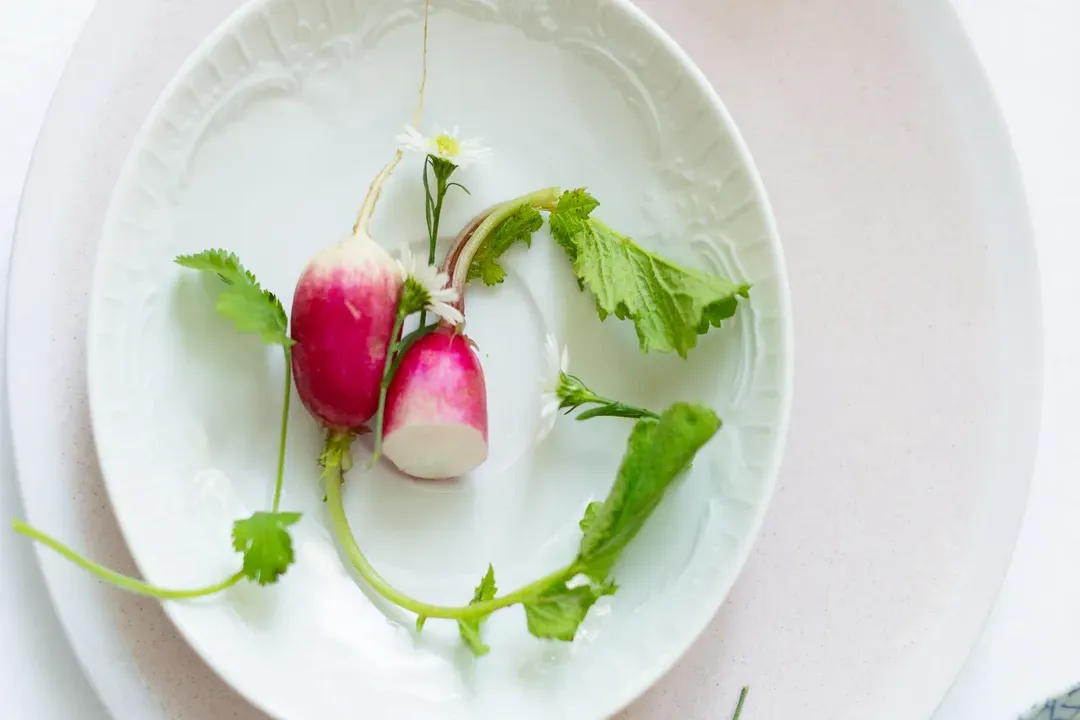
The most immediate characteristic of the purple radish is its striking color, which is not just for visual appeal on a plate. [1] This deep coloration is typically associated with higher levels of specific phytonutrients, particularly the anthocyanins that give many dark fruits and vegetables their famed health-promoting status. [9] While general radishes are known for being low in calories and high in water content, helping with hydration, the purple variety brings this added dimension of color-based nutrition to the forefront. [2] For instance, even smaller varieties of purple radish contribute significantly to the daily intake of essential vitamins, such as Vitamin C. [2][7]
# Key Nutrients
When we look closely at the nutritional makeup of radishes, whether they are the small purple globes or the larger purple daikon, certain components stand out. [1][5] They serve as a good source of Vitamin C, a critical nutrient for immune support and collagen synthesis. [2][7] Beyond Vitamin C, radishes supply minerals like potassium and calcium, which are important for maintaining fluid balance and bone structure. [3]
A defining feature across radish types, including the purple ones, is the presence of glucosinolates. [4][8] These sulfur-containing compounds are what give radishes their characteristic peppery bite. [4] When you chew or chop the radish, these compounds break down into more bioactive substances, notably isothiocyanates (ITCs). [4][8] This conversion is key to understanding many of the radish's purported health effects, as ITCs are widely studied for their protective qualities within the body. [4][8]

# Heart Health Support
The compounds found within radishes appear to offer notable benefits for the cardiovascular system. The presence of ITCs, derived from glucosinolates, has been specifically linked to anti-atherosclerotic benefits, suggesting a role in promoting healthy blood flow and vessel function. [4] Furthermore, the general radish profile includes potassium, which is known to assist in managing healthy blood pressure levels. [3] By providing essential vitamins and compounds that support circulation, incorporating these colorful roots can be a proactive step for long-term heart maintenance. [9]
# Digestive Wellness
For anyone seeking to keep their digestive system running smoothly, radishes are an excellent addition to the diet. [7][9] Their high water content aids in maintaining proper hydration, which is necessary for efficient digestion. [2] Radishes also contain dietary fiber, which adds bulk to stool and helps promote regularity. [7] This combination of water and fiber helps the digestive tract function as it should, potentially reducing issues related to sluggishness. [7] When considering the purple daikon specifically, its structure may even offer beneficial bulk that helps move things along the intestinal tract effectively. [3][5]
# Antioxidant Action
The brilliant purple color is a strong visual cue that signals a good supply of antioxidants. [9] Antioxidants are compounds that help combat oxidative stress caused by unstable molecules called free radicals in the body. [9] By neutralizing these radicals, antioxidants play a role in general cellular protection. Although specific studies on the exact ORAC score of the purple variety might be niche, the general consensus is that deeply pigmented vegetables offer potent protective qualities against cellular damage. [9]
# Skin Health and Weight Management
Radishes, being low in calories and high in water, fit well into dietary plans focused on weight management. [2][7] They offer volume and satisfying crunch without contributing significant caloric load. [7] Moreover, the high concentration of Vitamin C is integral to skin health, as it is necessary for the synthesis of collagen, the protein that gives skin its structure and elasticity. [2][6][7] Eating radishes, especially when raw, can contribute to maintaining skin vitality from the inside out. [6][7]

# Integrating Purple Radish into Daily Eating
Understanding the benefits is one thing; consistently incorporating them is another. Because the heat from cooking can degrade sensitive nutrients like Vitamin C and potentially alter the beneficial glucosinolate-to-ITC conversion pathway, consuming purple radishes raw maximizes their impact. [2][4]
Here is a suggestion for maximizing nutrient intake, especially in areas where year-round availability of specific purple root vegetables can fluctuate: for the best chance at absorbing the full spectrum of heat-sensitive compounds, aim to eat at least two servings of raw purple radish or purple daikon per week during their peak season. Outside of that window, consider using the radish greens or growing radish microgreens, which are also highly nutritious, packing concentrated amounts of Vitamin E, K, and C into a tiny package. [10] A simple way to start is slicing them thinly for a spicy addition to sandwiches or shredding them into slaws, mixing them with milder root vegetables to balance the peppery flavor. [1]
# Analyzing the Daikon Difference
It is worth noting the distinction between the common small purple radish and the larger purple daikon radish, as the latter often provides a different textural experience and may be utilized differently in cooking, even though they share core nutritional components. [5] While the small, round radish is often eaten raw for its sharp snap, the daikon is sometimes grated or pickled, which can affect nutrient availability. [3][5] For example, if you are focusing strictly on boosting ITC intake for cellular protection, consuming the daikon raw, perhaps finely grated into a salad dressing base, keeps those conversion enzymes active. [4] Conversely, if you are looking for mineral content like calcium, the difference between raw and lightly pickled may be less impactful. [3]
This difference in application leads to a useful consideration for daily nutrition: Think of the small purple radish as a flavor and nutrient booster—a garnish or sharp accent—while the purple daikon acts more as a vegetable base that can be incorporated in larger volumes, much like one would use a mild white radish, albeit with that added colorful antioxidant punch. [1][5] Recognizing this allows for more strategic meal planning based on whether you are aiming for a concentrated burst of flavor/ITCs or a higher volume of hydrating fiber and minerals.
# Considerations for Cooking
While raw consumption is often ideal for maximizing certain volatile compounds, cooking does not render purple radishes nutritionally void. [4] Cooking does reduce Vitamin C content, as it is water-soluble and sensitive to heat. [2] However, the glucosinolate content, the precursor to ITCs, tends to be more stable, though high heat for prolonged periods will still reduce them. [4][8] If you do decide to cook your purple radishes, opting for quick blanching or light sautéing over long simmering will help preserve more of the beneficial elements compared to stewing them for an hour. [4] The key takeaway is that incorporating them in various ways throughout the week ensures you benefit from their full profile over time. [9]
# Potent Microgreens
A less-discussed avenue for obtaining radish benefits is through microgreens, which include those cultivated from purple radish seeds. [10] These young seedlings are incredibly concentrated sources of vitamins and minerals compared to their mature root counterparts. [10] Radish microgreens specifically have been highlighted for their strong nutrient density, including significant amounts of Vitamin E, Vitamin K, and Vitamin C. [10] If garden space or time is limited, cultivating a small tray of these indoors provides an accessible, powerful way to include radish benefits year-round, regardless of the root's harvest season. [10] This approach bypasses the traditional root vegetable consumption method entirely while still tapping into the radish’s core nutritional strengths.
Related Questions
#Citations
Purple Radishes Information and Facts - Specialty Produce
Radish: Health Benefits, Nutrition and Medicinal Uses - WebMD
Daikon Radish: Types, Nutrition, Benefits, and Uses - Healthline
Roots and Heart: Anti-Atherosclerotic Benefits of Radish
[PDF] Purple Daikon | Sierra Harvest
The Detoxifying Benefits of Radishes | Vogue
10 Radish Health Benefits You Need to Know - Taste of Home
Deciphering the Nutraceutical Potential of Raphanus sativus—A ...
15 Health Benefits of Purple Radish
Radish Microgreens: The Superfood Chefs and Health Enthusiasts ...