Health Benefits of Purple Cabbage
The deep, vibrant hue of purple cabbage is an immediate visual clue that this vegetable is packing a serious nutritional punch. Far from being just a pretty addition to a slaw or a colourful garnish, this cruciferous member of the Brassica family, often called red cabbage, holds a wealth of compounds known to support various aspects of human health. [2][9] Its striking colour comes from the very compounds that make it a functional food, offering benefits that extend from cardiovascular protection to promoting a healthy gut environment. [1][3] While it shares many characteristics with its green cousins, the anthocyanins concentrated in its purple leaves give it a unique edge in the world of everyday nutrition. [1]
# Nutrient Profile
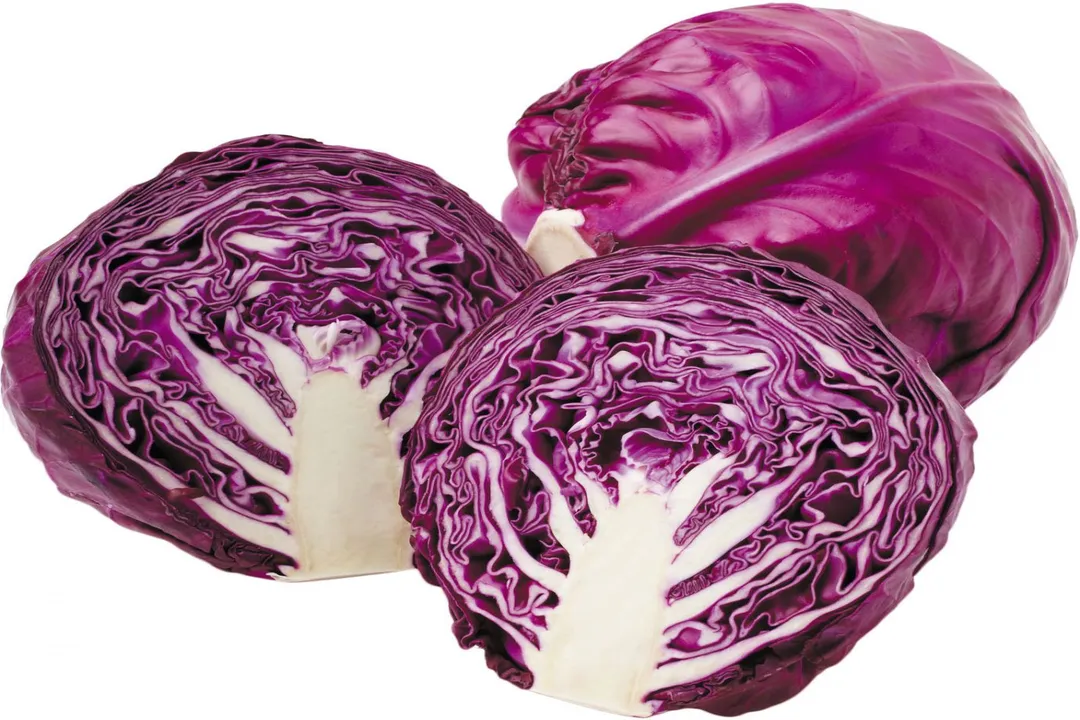
When we dissect the nutritional makeup of purple cabbage, it quickly becomes apparent why it earns its superfood status. [7] It is remarkably low in calories, making it an excellent food choice for volume eating, yet it supplies a high density of essential vitamins and minerals. [1] For instance, a one-cup serving, which weighs in at only about 89 grams, contains significant amounts of Vitamin C and Vitamin K. [1] Vitamin C is vital for immune function and collagen production, while Vitamin K is essential for proper blood clotting and bone health. [1] Furthermore, purple cabbage provides a respectable amount of Vitamin B6 and manganese. [1]
But the real star of the show, nutritionally speaking, is the pigmentation. These red-purple varieties contain higher levels of specific beneficial compounds compared to green cabbage, primarily due to the presence of anthocyanins. [1] Anthocyanins are the pigments responsible for the red, purple, and blue colours in fruits and vegetables, and they are powerful antioxidants. [1] The concentration of these specific flavonoids contributes significantly to the vegetable's reputation as a health booster. [1][5] The vegetable also contains a good source of dietary fiber, which is crucial for digestive regularity and satiety. [1][5]
# Antioxidant Power
The rich colour of purple cabbage is directly tied to its abundance of antioxidants, most notably the anthocyanins. [1] These are the same powerful antioxidants found in blueberries and blackberries, which means purple cabbage offers a cost-effective way to bring high-grade protection into your diet. [1] Antioxidants work by neutralizing unstable molecules called free radicals in the body, which, if left unchecked, can lead to oxidative stress and cellular damage, contributing to chronic diseases. [1]
Research suggests that the primary anthocyanin found in red cabbage is cyanidin. [1] This specific compound has been studied for its protective effects. In fact, purple cabbage contains a higher concentration of these specific antioxidants than white or green cabbage. [1] Considering that an average person might consume a small amount of cabbage weekly, consciously choosing the purple variety ensures a better return on the intake of these protective phytochemicals. If one were tracking their daily antioxidant intake, substituting a side of bland lettuce for a hearty portion of raw purple cabbage could represent a 50 to 100 milligram gain in total flavonoid intake, depending on the portion size, demonstrating a clear dietary optimization choice. [1]
# Heart Support
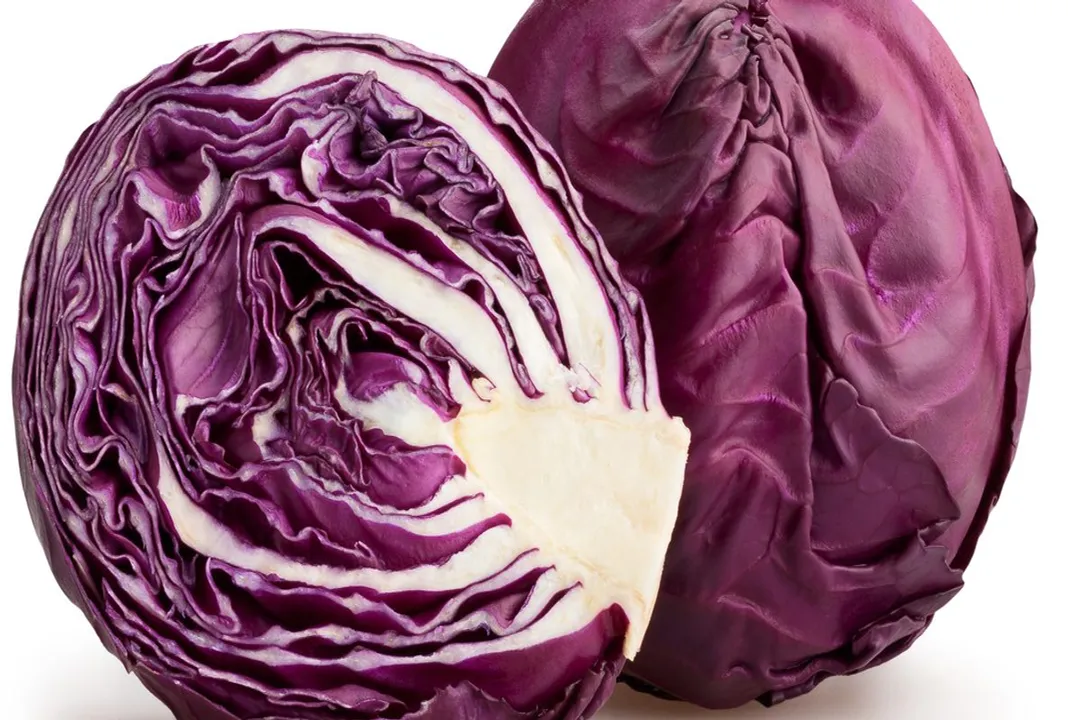
The compounds in purple cabbage appear to offer significant protection for the cardiovascular system through several mechanisms. [2][3] One key area is managing blood pressure. The high potassium content is beneficial, as potassium helps balance the negative effects of sodium, thereby aiding in blood pressure regulation. [1] Moreover, the strong antioxidant properties play a role in keeping blood vessels healthy and flexible. [2]
A significant factor in heart health often discussed in relation to cruciferous vegetables is their effect on cholesterol levels. Some studies indicate that consuming cabbage, particularly the red/purple type, may help lower LDL ("bad") cholesterol levels. [3] This is thought to be partly due to the fiber content binding with bile acids in the gut, forcing the body to use existing cholesterol to create more, thus reducing overall circulating cholesterol. [3] Furthermore, the anthocyanins themselves may help reduce inflammation within the arteries, a key driver of heart disease progression. [2]
# Digestive Health
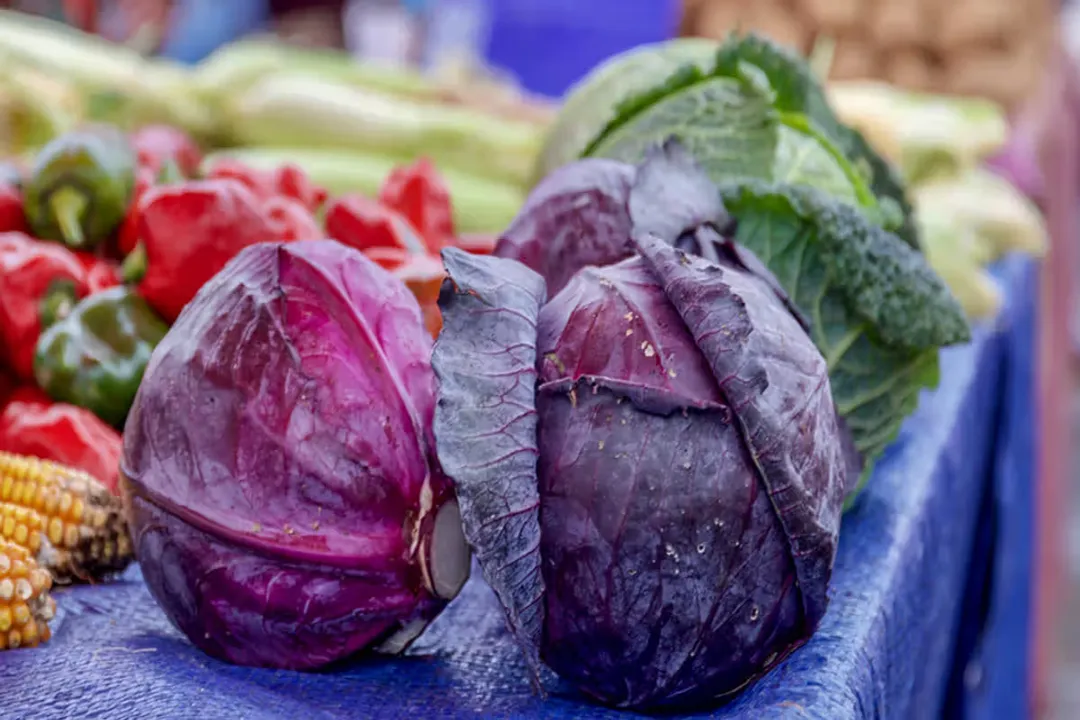
A cornerstone of good overall health begins in the gut, and purple cabbage is an excellent ally for digestive wellness. [5] Its fiber content is perhaps its most straightforward contribution here. [1] Dietary fiber, both soluble and insoluble, adds bulk to stool, promoting regular bowel movements and preventing constipation. [5] For those aiming to improve gut flora, cabbage acts as a good source of prebiotic material. Prebiotics are types of non-digestible fiber that feed the beneficial bacteria residing in the colon. [5]
When considering how to maximize these gut benefits, preparation matters significantly. While cooking is convenient, raw purple cabbage retains the maximum level of its beneficial enzymes and heat-sensitive vitamins like Vitamin C. [1] For instance, a quick, lightly dressed slaw retains the structure of the fiber better than a long-simmered stew, potentially offering a more immediate prebiotic effect before fermentation begins in the lower GI tract. Conversely, lightly fermented purple cabbage, like sauerkraut, concentrates beneficial probiotics alongside the original fiber content, offering a dual-action benefit that raw or cooked cabbage alone cannot match.
# Inflammation Control
Chronic, low-grade inflammation is now understood to be a root cause in many modern ailments. The compounds within purple cabbage work actively to mitigate this systemic stress. [2] The powerful antioxidant and anti-inflammatory actions of the anthocyanins, particularly cyanidin, are crucial here. [1]
These compounds help quench the chain reactions that lead to inflammatory responses in the body's tissues. [1] By reducing oxidative stress, the vegetable indirectly reduces the triggers for chronic inflammation. [2] For example, in contexts involving joint discomfort or general bodily soreness following strenuous activity, increasing dietary sources of these flavonoids can offer supportive relief simply by lowering the overall inflammatory load the body is managing. [3]
# Vision and Skin Protection
The health benefits of purple cabbage are not limited to internal organs; they visibly extend to the health of your eyes and skin, largely thanks to its Vitamin content. [1] The vegetable is a good source of Vitamin A, which is essential for good vision, particularly in low light conditions. [1]
More importantly, the pigments themselves may offer ocular protection. Anthocyanins are known to accumulate in the retina, where they can help protect the eyes from free radical damage induced by light exposure. [1] This protective capacity is valuable in the modern age of increased screen time. Similarly, for skin health, Vitamin C is vital as a cofactor in the synthesis of collagen, the structural protein that keeps skin firm and youthful. [1] The antioxidant action also guards skin cells against environmental damage and premature aging caused by free radicals. [1]
# Managing Blood Sugar
For individuals concerned with maintaining stable blood sugar levels, incorporating purple cabbage into the diet can be a smart strategy. [5] The vegetable is low in carbohydrates and high in fiber, which naturally helps slow down the absorption of sugar into the bloodstream after a meal. [1] This slower release prevents the sharp glucose spikes that can strain the body's insulin response over time. [5]
While the raw vegetable is clearly beneficial, specific preparations can enhance this effect. Studies focusing on cruciferous vegetables have sometimes noted that the sulfur-containing compounds (glucosinolates) present in cabbage may also play a role in glucose metabolism regulation, though the direct impact of purple cabbage specifically needs more focused study. [5] However, as a high-volume, low-glycemic food, it serves as an excellent staple for any meal aiming for blood sugar balance. [1]
# Culinary Applications and Preparation Nuances
Purple cabbage is incredibly versatile in the kitchen, yet the method of preparation dramatically influences the final nutritional profile and texture. [9] Raw preparations, such as grating it finely for slaws, salads, or as a crunchy topping for tacos, maximize the Vitamin C content and provide the most satisfying crunch. [1][9] The intense colour also makes it visually appealing in uncooked dishes. [9]
If cooking is preferred, it is wise to employ gentle methods. Light steaming or quick sautés retain more nutrients than boiling, where water-soluble vitamins can leach out into the cooking liquid. [1] For instance, steaming for just five minutes is far superior to boiling for twenty minutes in terms of nutrient retention. [1] If you choose to boil or braise it, making a soup or stew allows you to consume the cooking liquid, thereby reclaiming some of the leached vitamins and minerals. [1]
One practical tip for home cooks dealing with its strong colour is understanding its pH sensitivity. The vibrant purple colour is stable in acidic environments, such as when vinegar or lemon juice is added to a dressing or cooking liquid. [9] If the cabbage is cooked in neutral or alkaline water, it can turn an unappetizing blue or grayish colour, which, while not changing the nutritional value, certainly affects appeal. [9] Keeping the environment acidic maintains that desirable, deep purple shade.
# Comparison to Other Vegetables
While all cabbages offer value, comparing purple cabbage to common vegetables highlights its specific advantages. Compared to iceberg lettuce, purple cabbage is vastly superior in almost every metric, offering significantly more Vitamin C, Vitamin K, and anthocyanins for a similar caloric intake. [7] Even against slightly more nutrient-dense options like spinach, purple cabbage holds its own in Vitamin K and offers unique antioxidant compounds not found in leafy greens. [1]
Another useful comparison involves common fruits known for antioxidants. While a cup of raspberries offers a high dose of antioxidants, the overall cost per serving of raw purple cabbage is often significantly lower, making it an economically sustainable source of daily antioxidants. [1] For a household prioritizing budget alongside nutrition, consistently substituting a small portion of fruit snacks with a serving of this cruciferous vegetable can yield substantial long-term savings without compromising antioxidant diversity. [7] This economic efficiency is a key factor in ensuring long-term dietary adherence.
# Immune Function
Finally, the vegetable acts as a supporting player for the body's natural defenses. As mentioned, Vitamin C is a powerful immune system supporter, aiding in the production and function of white blood cells. [1] Given that a standard serving provides a significant percentage of the daily recommended intake of this vitamin, regularly including purple cabbage can contribute positively to maintaining robust immune defenses throughout the year. [1] The anti-inflammatory effects also support immune health by preventing the body from being constantly in a state of low-grade defense readiness, allowing the immune system to respond more effectively when actual threats arise. [2]
In summary, purple cabbage is much more than a simple salad component. Its deep colour signals a concentration of health-promoting compounds, particularly anthocyanins, which offer widespread protection against oxidative stress, support heart function, aid digestion through fiber, and contribute to maintaining healthy vision and skin. By understanding its nutritional profile and choosing preparation methods that respect its sensitive compounds, this colourful vegetable easily earns its place as an overlooked superfood staple in any balanced diet. [7]
#Videos
Purple (aka Red) vs Green Cabbage - Nutritional Benefits (A ...
Related Questions
#Citations
8 Impressive Benefits of Purple Cabbage - Healthline
Vegetable of the month: Red cabbage - Harvard Health
Health Benefits of Red Cabbage - WebMD
Purple (aka Red) vs Green Cabbage - Nutritional Benefits (A ...
8 Impressive Health Benefits of Purple Cabbage: Nutrition Facts
Nutritional Benefits of Purple Cabbage for Bone Health - Facebook
Cabbage and the Benefits of this Overlooked Superfood
Cabbage is a powerhouse vegetable offering so many health ...
Top 5 health benefits of red cabbage - BBC Good Food