Health Benefits of Cabbage
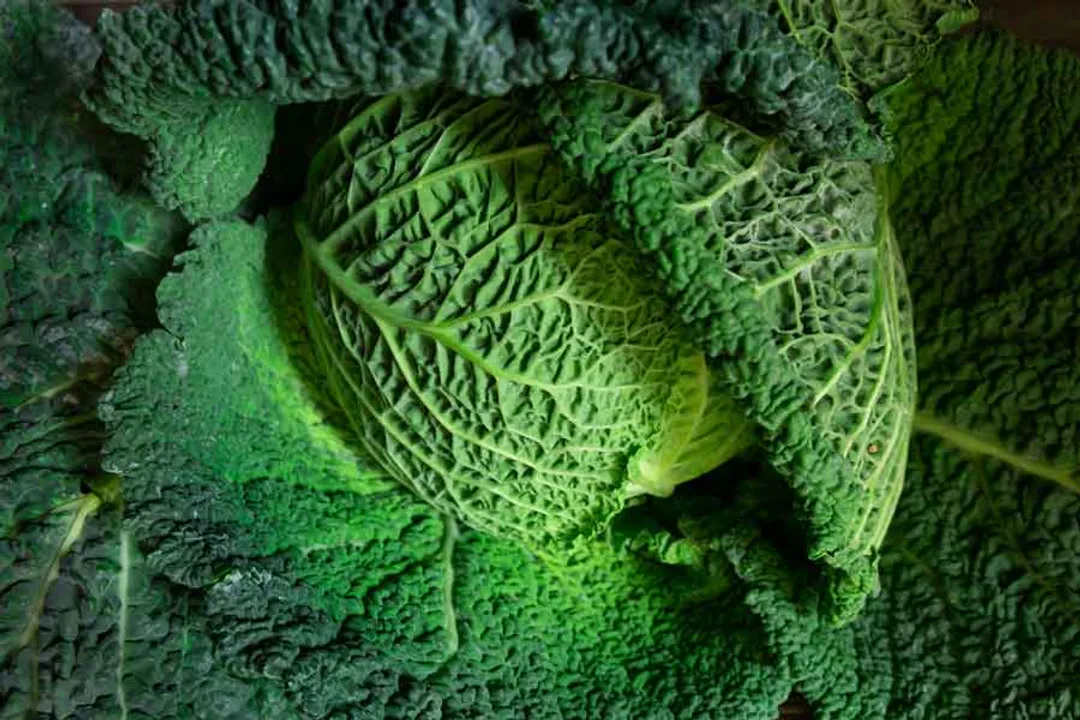
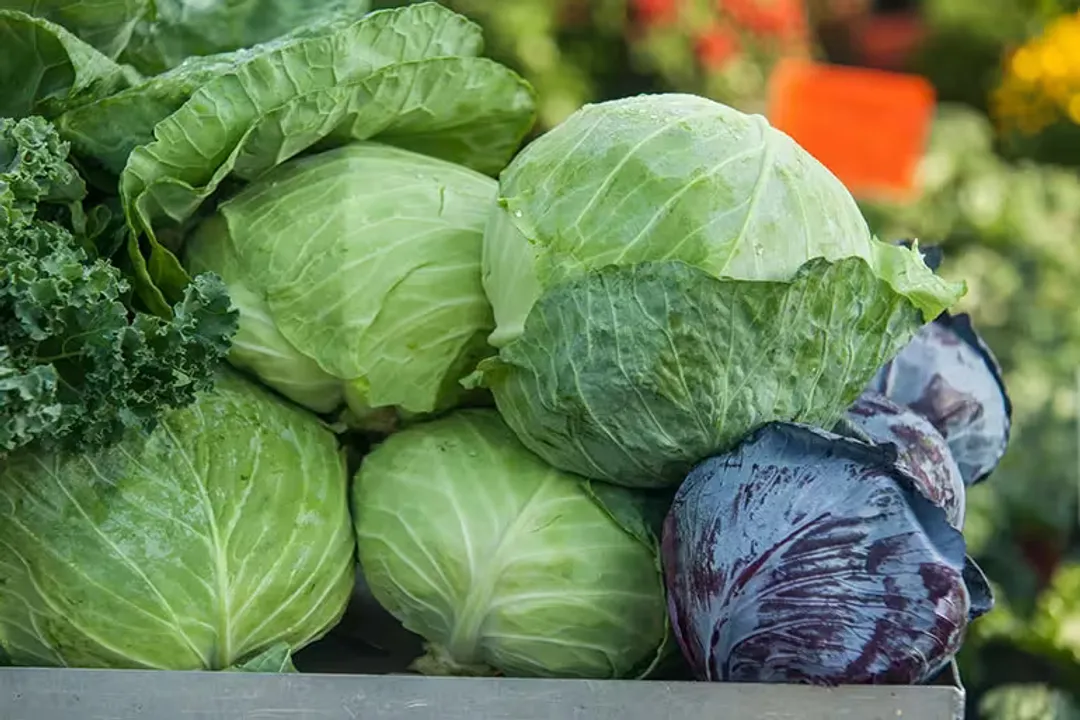
This humble, layered vegetable, often relegated to the side of the plate or the base of coleslaw, deserves far more recognition than it typically receives in the modern diet. Cabbage, available in vibrant green, deep purple-red, and crinkly Savoy varieties, packs an astonishing nutritional punch for a food that is remarkably low in calories. [4][8] It has long been a staple across various cultures, not just for its ability to store well, but for its perceived medicinal qualities, which modern science is now substantiating. [1] Recognizing cabbage as an often-overlooked superfood is the first step toward incorporating more of its extensive health advantages into your daily routine. [1]
# Core Nutrients

A primary appeal of cabbage lies in its dense concentration of essential vitamins and minerals relative to its caloric count. [4][8] This means you can consume a large volume of food for very few calories, which is a significant advantage for those managing their weight. [5][8]
The Vitamin C content is particularly noteworthy. Vitamin C is a well-known antioxidant that supports the immune system and is vital for the synthesis of collagen, which aids in wound healing and maintaining skin structure. [1][2][5] Cabbage provides a substantial amount of the recommended daily intake for this crucial vitamin. [4]
Equally important is Vitamin K, which is abundant in cabbage. [1][3][5] This fat-soluble vitamin plays an indispensable role in blood clotting mechanisms and is also necessary for bone health, helping the body direct calcium to the skeletal structure. [3][4] For those tracking their intake, a typical serving size of cabbage can often supply well over 100% of the daily requirement for Vitamin K. [4] Furthermore, cabbage is a good source of Folate (Vitamin B9), which is necessary for cell division and DNA formation. [4] It also offers minerals like Potassium, essential for maintaining proper fluid balance and blood pressure regulation. [2][4]
# Digestive Health
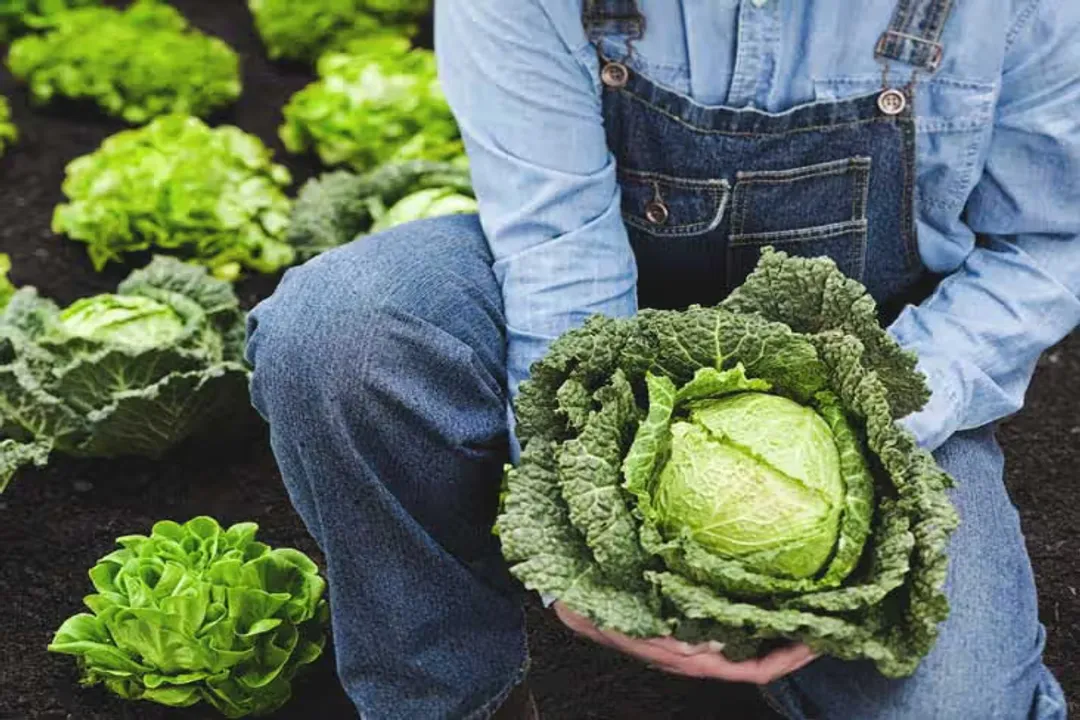
One of the most consistent benefits associated with cabbage consumption across multiple sources relates to the digestive tract. [1][5] This effect is largely attributed to its high fiber content. [1][5][9] Fiber, both soluble and insoluble, is foundational to a healthy gut environment. [5]
The fiber in cabbage helps regulate bowel movements, preventing constipation and promoting regularity. [5][9] Beyond simply moving things along, this fiber acts as a prebiotic, feeding the beneficial bacteria residing in the large intestine. [1] A thriving community of gut flora is linked to numerous health outcomes, from improved nutrient absorption to better immune function. [1] The low-calorie density, combined with high fiber, contributes to feelings of satiety, meaning cabbage can help manage appetite and curb overeating, supporting weight maintenance efforts. [5][8]
# Antioxidant Powerhouse
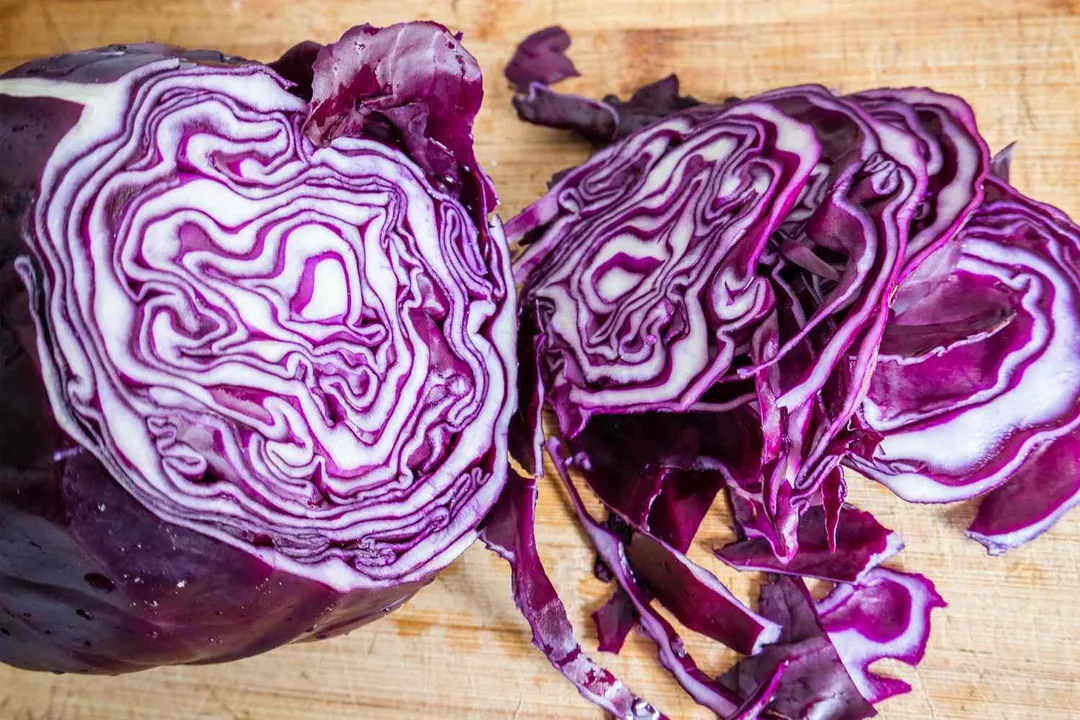
Cabbage, especially the red or purple variety, is loaded with protective compounds known as antioxidants. [1][2] Antioxidants work by neutralizing unstable molecules called free radicals in the body, which otherwise cause cellular damage that can lead to chronic diseases and aging. [1][2]
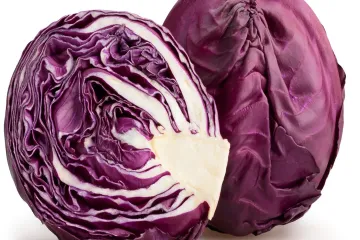
The deep color of red cabbage is the visual cue for its premium antioxidant status, deriving from pigments called anthocyanins. [2][3] These specific compounds are potent inflammation fighters. [2][3] Chronic inflammation is a silent driver behind many modern illnesses, making foods rich in anti-inflammatory agents highly valuable. [3]
Both green and red cabbage contain sulfur-containing compounds called glucosinolates. [1][5] When cabbage is chewed or chopped, these compounds convert into biologically active substances like sulforaphane. [1][5] Research has suggested that sulforaphane possesses significant cancer-fighting properties, encouraging detoxification pathways within the body. [1][5][9] While the general consensus is that cabbage supports overall health and disease reduction, it is important to remember that these are powerful food components, not direct cures. [9]
# Heart Benefits
The confluence of high fiber, anti-inflammatory compounds, and specific minerals positions cabbage as a food supportive of cardiovascular wellness. [2][5][9]
The fiber content plays a dual role here: it helps bind to cholesterol in the digestive system, aiding in its excretion, which can contribute to lower overall blood cholesterol levels. [2] Furthermore, the ability of cabbage to reduce systemic inflammation is beneficial, as chronic inflammation is a known contributor to arterial damage and heart disease risk. [2][5] In specific studies, compounds found within cabbage have been shown to potentially help manage blood pressure, another key metric for heart health. [2][3]

# Red Cabbage Versus Green
While all cabbages share the fundamental nutritional base—high in Vitamins K and C, and low in calories—the color difference signals a variation in phytochemical profiles. [2][3]
| Feature | Green Cabbage | Red/Purple Cabbage |
|---|---|---|
| Vitamins | Excellent source of C & K, good Folate [4] | Excellent source of C & K [3] |
| Key Antioxidant | Glucosinolates, Sulforaphane precursors [5] | Anthocyanins (responsible for deep color) [2][3] |
| Flavor/Texture | Milder, crisper when raw [4] | Slightly more peppery/earthy; softens when cooked [3] |
| Unique Benefit | Often used as a base for fermented foods like sauerkraut | High levels of specific anti-inflammatory anthocyanins [3] |
The presence of anthocyanins in red cabbage is significant because these are the same powerful pigments found in blueberries and grapes, which are widely studied for their protective effects. [2] Additionally, red cabbage contains the carotenoids lutein and zeaxanthin, which are compounds strongly associated with supporting good eye health and protecting against age-related macular degeneration. [3] This subtle but important difference means that rotating between colors offers a wider spectrum of protective phytonutrients. [2][3]
# Optimizing Consumption
How one prepares cabbage significantly impacts how much of its nutritional value is delivered to the body. [1] This is where simple culinary choices become powerful health decisions.
If your goal is to maximize the intake of glucosinolates—the precursors to the potent sulforaphane—it is best to consume the cabbage raw or only very lightly cooked. [1][5] The enzyme needed to convert glucosinolates into sulforaphane is sensitive to heat. [1] A great way to incorporate raw cabbage is by thinly shredding it for salads or slaws, perhaps dressed simply with lemon juice and a healthy oil. [1]
However, the picture is not entirely one-sided for raw consumption. High-heat cooking can degrade some water-soluble vitamins like Vitamin C. [4] But conversely, light steaming or quick stir-frying can actually improve the bioavailability of other components. For instance, gently cooking cabbage can make certain carotenoids more accessible for absorption by the body. [1] The key is finding the balance for your desired nutrient target. If you prefer cooked cabbage, aim for quick cooking methods—think blanching for five minutes rather than simmering for an hour—to minimize nutrient loss while maximizing digestibility. [4]
For example, consider making quick 'cabbage wraps' instead of traditional tortillas or bread. Take a large, blanched outer leaf of green cabbage and use it to wrap ground turkey or lentils seasoned with ginger and soy sauce. This method delivers the high fiber and Vitamin K of the cabbage leaf while keeping the cooking time minimal, preserving most of the heat-sensitive vitamins, offering a lower-carbohydrate alternative to grain wraps. [8]
Another interesting way to consider cabbage intake involves fermentation. Traditional methods for making sauerkraut or kimchi, which use cabbage as a base, introduce beneficial Lactobacillus bacteria. [1] This process doesn't just preserve the vegetable; it enhances its profile by adding probiotics, further fortifying its positive impact on the gut microbiome. [1]
# Metabolic Health
In the context of overall metabolic function—which encompasses blood sugar regulation, healthy lipid profiles, and energy processing—cabbage demonstrates strong supportive characteristics. [8] Its low calorie count combined with high water and fiber content creates a feeling of fullness without a heavy caloric load, directly aiding in weight management. [5][8] Maintaining a healthy weight is perhaps one of the most straightforward ways an individual can positively influence their metabolic health profile. [8] By displacing higher-calorie, lower-nutrient foods in the diet, cabbage naturally helps shift the balance toward better energy regulation and stable blood sugar levels, thanks to the slow release of energy from its fiber structure. [8]
# Skin and Bone Support
Beyond the major systems like the heart and gut, cabbage contributes to the structural integrity of the body. As mentioned, its high concentration of Vitamin K is critical for bone matrix health. [3][4] While calcium and Vitamin D often receive the spotlight, Vitamin K is necessary for activating the proteins that regulate where calcium ends up in the body. [3]
For the skin, the high Vitamin C acts as an internal moisturizer and protector. [1] Since Vitamin C is essential for collagen production, consuming adequate amounts supports the skin's structure, helping it maintain elasticity and heal from minor damage caused by environmental stressors. [1]
In summary, whether eaten raw in a crisp slaw, lightly steamed as a side dish, or fermented into a tangy kraut, cabbage is a nutritional powerhouse that deserves a permanent place in regular meal rotation due to its powerful combination of vitamins, fiber, and disease-fighting antioxidants. [1][2][5]
Related Questions
#Citations
Cabbage and the Benefits of this Overlooked Superfood
9 Impressive Health Benefits of Cabbage - Healthline
The Health Benefits of Red Cabbage, According to Dietitians
[PDF] Health Benefits of Cabbage
8 Health Benefits of Cabbage - Health Cleveland Clinic
8 ways cabbage is good for you. - YouTube
Is Cabbage Good for You? The Latest Research - NutritionFacts.org
Why Cabbage Is Amazing for Metabolic Health - EatingWell
Benefits of Cabbage - WebMD