Health Benefits of Savoy Cabbage
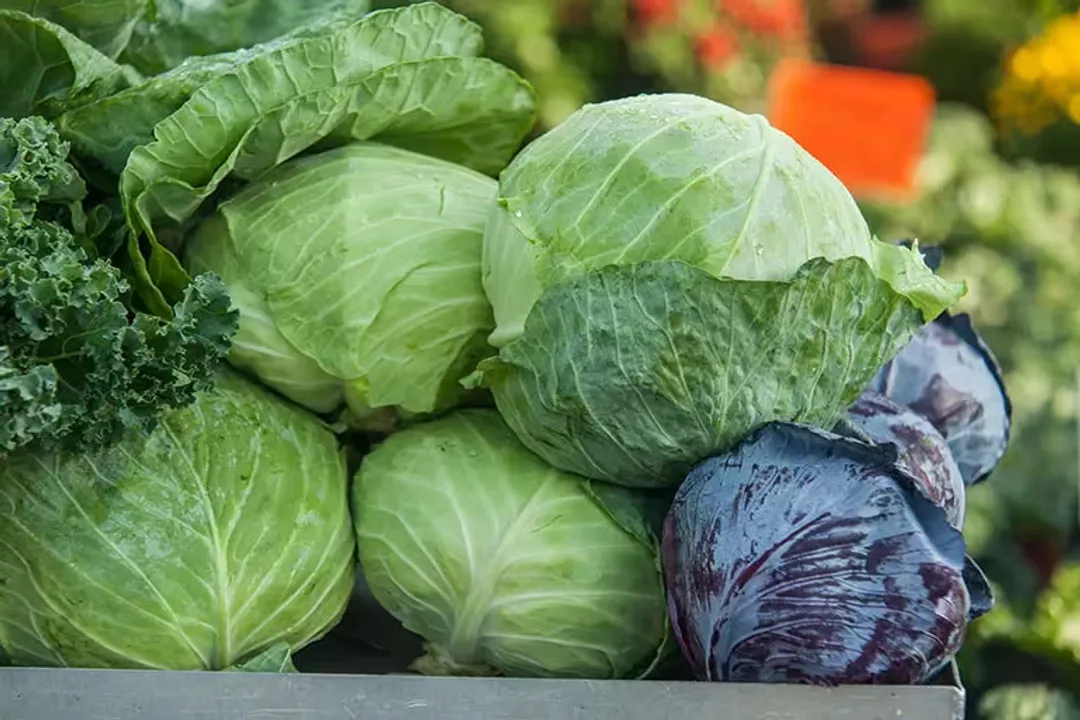
Savoy cabbage, with its distinctly crinkled, deep green leaves, often gets overlooked in favor of its smoother cousins, yet it packs a significant nutritional punch worthy of attention in any balanced diet. [4][5] This cruciferous vegetable belongs to the Brassica oleracea family, making it kin to broccoli, cauliflower, and kale, but it possesses a unique profile and texture that sets it apart in the kitchen. [5] While all cabbages are generally low in calories and high in beneficial compounds, understanding what makes the Savoy variety special can inspire new ways to incorporate this versatile green into regular meals. [3][9]
# Core Nutrients
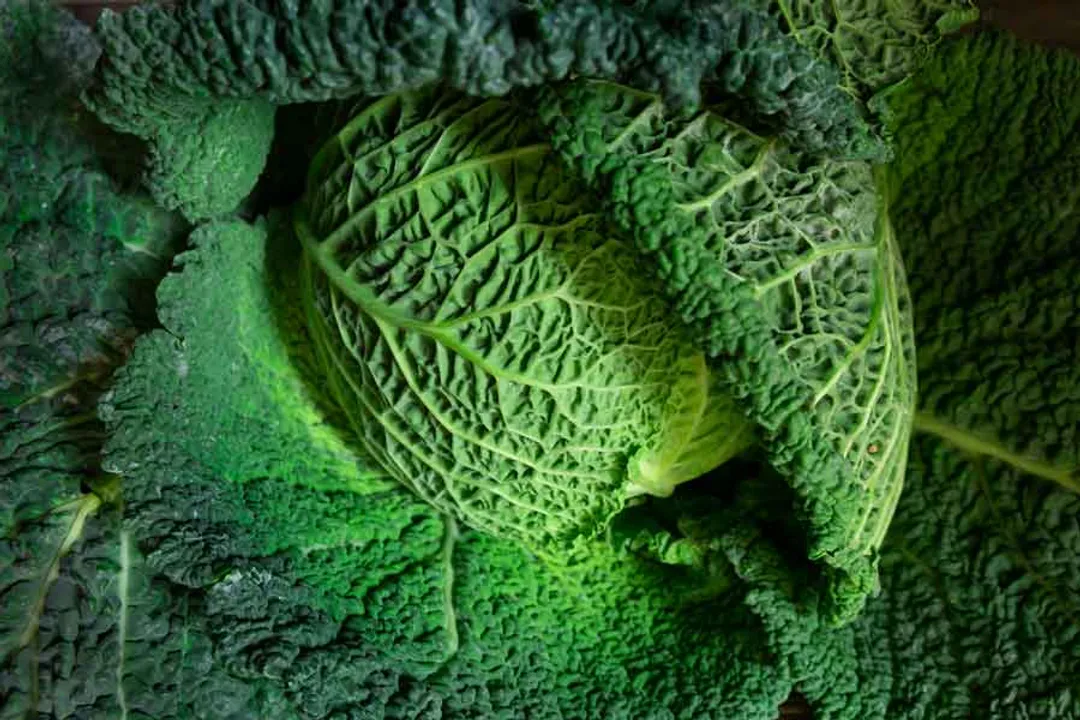
When breaking down the nutritional makeup of Savoy cabbage, it quickly becomes clear why this vegetable is celebrated as a health-boosting food. [1] It is particularly renowned for its high content of essential vitamins and minerals, all delivered in a very low-calorie package. [3] A standout feature is its impressive Vitamin C concentration, a vital nutrient for supporting the immune system and acting as a powerful antioxidant. [2][9] Furthermore, Savoy cabbage is an excellent source of Vitamin K, a nutrient crucial for proper blood clotting and maintaining strong bone health. [5]
Beyond these primary vitamins, Savoy cabbage also provides a healthy dose of Vitamin A, often slightly more than standard green cabbage, which supports vision and immune function. [6] Fiber is another key component, aiding in satiety and promoting regular digestive function. [2] It also contains various B vitamins, folate, and minerals like manganese and potassium. [5] The intensity of its green color, especially in the darker outer leaves, is a visual cue for the presence of protective plant compounds. [4]
# Gut Wellness
The role of cruciferous vegetables in digestive health is well-documented, and Savoy cabbage contributes significantly to this area primarily through its fiber content. [2] Fiber adds bulk to stools, which helps keep bowel movements regular and prevents constipation. [2] This roughage also acts as a prebiotic, feeding the beneficial bacteria in your gut microbiome, which is increasingly linked to overall health, mood, and immunity. [1][9]
Digestion also benefits from the sulfur-containing compounds inherent in all cabbages. [1] While these compounds are responsible for the vegetable's characteristic aroma when cooked, they are also metabolized into substances that support the body's natural detoxification processes. [1]
# Antioxidant Defense
The vibrant color of Savoy cabbage hints at its richness in antioxidants, which are compounds that help neutralize harmful free radicals in the body, thereby reducing oxidative stress. [1][2] This is a major pathway through which diet influences the long-term risk of chronic diseases. [2]
Savoy cabbage contains various flavonoids and other phytochemicals that possess anti-inflammatory properties. [1] For readers looking for specific compounds, the cabbage family is famous for its glucosinolates. [5] These sulfur-containing precursors are released when the cabbage is chewed or chopped, forming biologically active compounds like isothiocyanates, which have been studied for their protective effects against certain types of cancer. [5] While the benefits are widely discussed across the cabbage family, the particular balance in Savoy contributes to its overall defensive nutritional profile. [5]
# Comparative Nutrition Snapshot
While Savoy cabbage is excellent on its own, understanding how it stacks up against other common varieties can help inform purchasing decisions depending on specific dietary goals. [6] For instance, if your primary goal is maximizing Vitamin A intake through this vegetable group, Savoy might be a slightly better choice than standard green cabbage. [6] Conversely, some data suggests that common green cabbage can contain more Vitamin K per serving. [6]
To illustrate the slight differences in nutrient density based on comparative analysis, consider this approximate breakdown:
| Nutrient (per 100g raw) | Savoy Cabbage | Standard Green Cabbage |
|---|---|---|
| Vitamin C | High | Moderate |
| Vitamin A | Often higher | Moderate |
| Fiber | Similar | Similar |
| Texture | Crinkly, tender | Smooth, crisp |
This comparison highlights that choosing Savoy isn't about replacing all other cabbages, but rather about selecting a variant that offers a slightly different emphasis on micronutrients alongside its distinct culinary texture. [6] If you are trying to increase your intake of beta-carotene precursors, for example, selecting the more deeply pigmented Savoy leaves would be a worthwhile strategy. [6]
# Culinary Texture Advantage
One of the most immediate differences a home cook notices is the texture. Savoy cabbage is characterized by its heavily blistered, crinkled, and delicate leaves. [4][5] Unlike the dense, firm leaves of a traditional drumhead cabbage, which often require long cooking times to soften, Savoy leaves are far more tender. [5] They retain their shape well enough to wrap ingredients but break down more easily when sautéed or steamed. [5]
This structural characteristic provides an actionable opportunity in the kitchen: Savoy is arguably the superior choice for applications where you want the cabbage to integrate into the dish rather than remain a firm, structural component. [5] Consider using the leaves raw, very lightly massaged with oil and vinegar for a salad, as they offer a milder, slightly sweeter flavor profile that doesn't require extensive cooking to become palatable. [5] This tender quality means you can drastically reduce cooking time, preserving more heat-sensitive nutrients like Vitamin C compared to slow-braised preparations often required for tougher cabbage varieties.
# Maximizing Health Integration
To truly harness the benefits of Savoy cabbage, consider how preparation affects nutrient absorption. While cooking softens the texture and may slightly reduce some water-soluble vitamins like Vitamin C, cooking the leaves can actually make certain beneficial compounds more bioavailable. [1] For instance, the heat helps break down the cell walls, potentially releasing the glucosinolates more readily for conversion into active isothiocyanates. [5]
A practical approach involves pairing preparation with your primary nutritional goal. If immune support (Vitamin C) is the priority, quick steaming or eating it raw in slaws is ideal. [2] If focusing on maximizing the potential anti-cancer benefits related to glucosinolates, a gentle stir-fry or light steaming for a few minutes might be more beneficial, ensuring the cabbage remains vibrant green rather than turning olive-drab. [5] A simple method to retain nutrients while maximizing flavor is to blanch the leaves for just two minutes, then immediately shock them in ice water; this sets the color and tenderness, making them ready for stuffing or quick finishing with butter and herbs, a method that generally minimizes nutrient loss while delivering excellent texture. [8] The high water content in Savoy means it cooks quickly, which is a benefit in these flash-cooking scenarios. [5]
# Supporting Cardiovascular Function
The components found within Savoy cabbage also contribute to supporting a healthy cardiovascular system. [3] The high potassium content, while not always singled out as much as the vitamins, is important for maintaining healthy blood pressure levels, as potassium helps balance the negative effects of sodium. [5] Additionally, the presence of dietary fiber helps manage cholesterol levels by binding to it in the digestive tract, preventing excessive absorption. [2] While cabbage is not a singular solution for heart health, consistent consumption of high-fiber, low-sodium vegetables like Savoy cabbage forms a key dietary habit for long-term cardiovascular maintenance. [3]
Overall, Savoy cabbage delivers an accessible and affordable way to boost daily intake of vitamins K and C, fiber, and protective phytonutrients, making it a worthy addition to nearly any weekly meal plan. [1][2][5]
#Videos
Differences Between Medical And Health Benefits Of Savoy ...
Related Questions
#Citations
Cabbage and the Benefits of this Overlooked Superfood
9 Impressive Health Benefits of Cabbage - Healthline
8 Health Benefits of Cabbage - Health Cleveland Clinic
Three Benefits of Pointed Savoy Cabbage
Savoy cabbage: healthy and regional winter vegetable - CSS
Cabbage vs. Savoy cabbage — Health Impact and Nutrition ...
Let's Talk About Cabbage : r/EatCheapAndHealthy - Reddit
Differences Between Medical And Health Benefits Of Savoy ...
7 Potential Health Benefits of Cabbage