Health Benefits of Purple Cauliflower
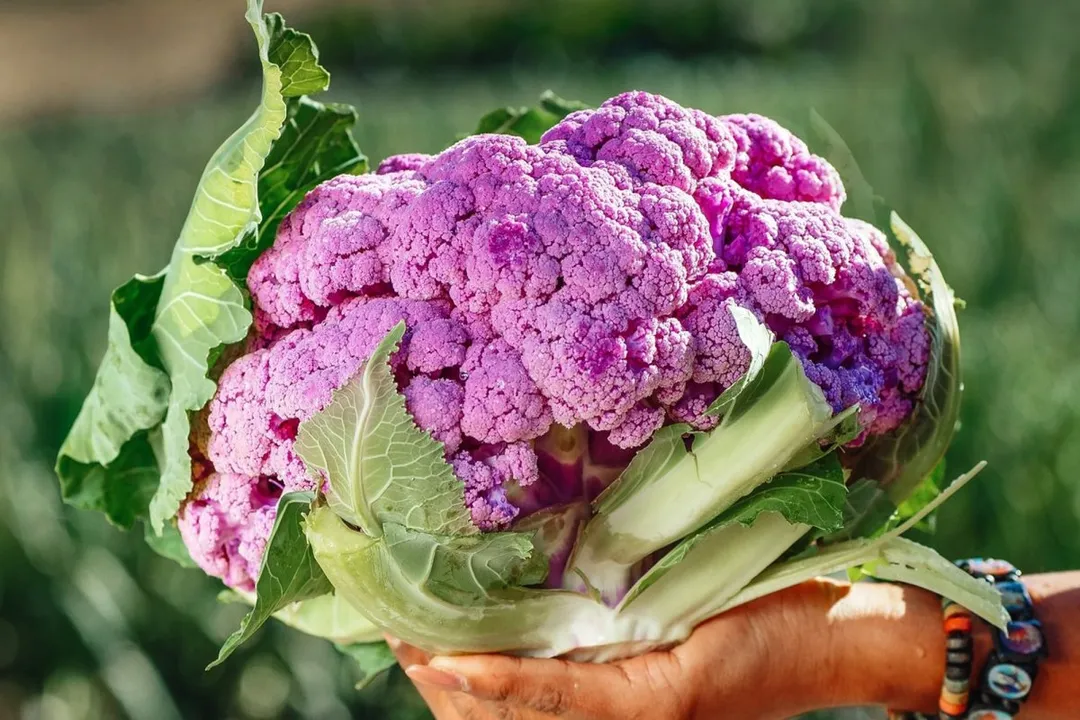
The first glimpse of purple cauliflower often sparks curiosity; it’s a vibrant vegetable that breaks the expected white or green mold, offering visual appeal long before it even reaches the plate. This striking hue, however, is far more than just a trick of the light or a result of genetic mutation; it signals a specific nutritional upgrade compared to its more common white cousin. Belonging to the Brassica family, the same lineage that includes familiar vegetables like broccoli, kale, and cabbage, purple cauliflower brings a specialized set of bioactive compounds to the table, making it a favorite among those looking to diversify their intake of health-promoting foods.
# Pigment Power
What fundamentally sets this variety apart is the intense violet color saturating its florets. This shade is entirely attributable to anthocyanins. Anthocyanins are a class of naturally occurring phytochemicals recognized as powerful pigments found across many blue and purple foods, such as red wine and blueberries. While white cauliflower offers its own benefits, it largely lacks this particular antioxidant group.
The presence of anthocyanins is where purple cauliflower earns its "superfood" nickname, as these compounds are heavily researched for their defensive capabilities. As potent antioxidants, they work to neutralize harmful molecules known as free radicals within the body, which otherwise contribute to cellular damage and potentially drive chronic conditions. Observational research has specifically linked diets rich in anthocyanin-containing produce to positive cardiovascular outcomes. Furthermore, studies suggest these pigments possess anti-cancer properties, potentially by inhibiting the growth of new blood vessels that tumors need to thrive, stopping cell proliferation, and encouraging cancer cell death. This chemical addition provides a compelling reason to actively seek out this colorful crucifer over standard white varieties, offering a different spectrum of plant-based protection.
# Basic Nutrition
Even without its unique purple compounds, cauliflower, in general, is a low-calorie, nutrient-dense vegetable, offering substantial nutritional returns for minimal caloric investment. A typical serving provides a solid foundation of essential vitamins and minerals that support overall bodily function.
For instance, cauliflower is an excellent source of Vitamin C. This is a critical nutrient for bolstering immune function and is necessary for the body to synthesize collagen, which is vital for maintaining the structure of skin, bones, and connective tissues. It also supplies important B vitamins, potassium, and choline.
Choline, in particular, plays several significant roles, including maintaining the structural integrity of cell membranes, supporting the metabolism of fats, and aiding in brain development and neurotransmitter production. Adequate choline intake has even been tentatively linked in some studies to a reduced risk of dementia and liver disease.
Like all Brassica vegetables, purple cauliflower contains glucosinolates. These sulfur-containing compounds are not active themselves until the vegetable is chewed or chopped, at which point they break down through the enzyme myrosinase into various biologically active derivatives, including isothiocyanates like sulforaphane. These derivatives are noted for their anti-inflammatory effects and their ability to support the body's natural cell defense and detoxification pathways. Sulforaphane, specifically, has been researched for its potential to help lower high blood pressure and improve arterial health, factors central to preventing heart disease.
Finally, the high dietary fiber content supports a healthy gut ecosystem by feeding beneficial bacteria, promoting regularity, and contributing to feelings of fullness, which assists in managing overall calorie intake.
# Processing Effects
A critical consideration when consuming any vegetable is how preparation methods alter its beneficial content. Scientific evaluations comparing different cooking techniques on purple cauliflower have provided clear data regarding nutrient preservation, particularly for the heat-sensitive anthocyanins and water-soluble vitamins.
Traditional cooking—boiling in a significant amount of water—proved to be the harshest method for preserving delicate compounds. Research showed that boiling caused substantial losses in Vitamin C (nearly 56%), total polyphenols (over 64%), and the signature anthocyanins (over 63%) compared to the raw vegetable. The antioxidant activity also saw a significant drop of about 40% with this method.
In contrast, using gentler methods showed marked advantages:
- Convection Steaming: This technique consistently resulted in lower losses across the board than boiling. For example, total polyphenol loss was significantly less when steamed compared to boiling. It was also noted that blanching—a quick pre-cooking step—did not significantly affect the content of thiocyanates or anthocyanins.
- Cooking in Little Water: For general preservation, steaming or cooking in a minimal amount of water is recommended, as cooking in a large volume of water favors the dispersion and loss of nutritional properties.
If you are preparing purple cauliflower specifically to consume its unique antioxidants, the cooking method becomes a vital decision point. While the primary goal of eating a varied diet means different preparations are acceptable, recognizing the difference in retention is key for maximizing the specific health return of the purple variety. To get the best of both worlds—flavor and color—try serving a portion raw or very lightly steamed in a salad or platter, while using the more heavily cooked portions for purees or blended soups where texture is more important than visual intensity. Furthermore, adding a bit of lemon juice at the end of cooking can sometimes help brighten and stabilize the remaining color due to mild acidity.
# Storage Science
The way we store purple cauliflower, especially when freezing it for later use, also impacts its final nutritional profile. A comparative study examined storing blanched florets in standard polyethylene (PE-LD) zipper bags versus using vacuum packaging.
The results indicated that even when frozen, compounds continued to degrade over time, but the type of packaging mattered significantly. Across both two and four months of storage, the reduction in Vitamin C, anthocyanins, total polyphenols, and overall antioxidant activity was consistently and statistically lower in the vacuum-packed samples compared to those stored in conventional zipper bags. This difference suggests that limiting oxygen exposure through vacuum sealing offers a tangible benefit in preserving the bioactive qualities of the cauliflower over the long term.
This scientific finding translates directly to consumer practice: If you purchase a batch of purple cauliflower when it is in season, or if you find a good sale, taking the extra step to properly blanch and then vacuum seal it for the freezer is an investment in preserving the valuable anthocyanins and vitamins you are paying for. For those who buy in bulk to support a plant-forward diet, this small extra effort in post-harvest treatment ensures that the cauliflower you eat months later retains more of its beneficial edge.
# Visual Appeal and Versatility
Beyond the laboratory data, purple cauliflower is celebrated in the kitchen for its aesthetic value, fitting perfectly into current food trends focused on visual impact. Chefs appreciate how its vibrant color makes simple presentations more appealing. This vegetable is highly versatile, much like its white counterpart, lending itself well to roasting, steaming, sautéing, or even being consumed raw in salads or dips. When roasted, the edges can crisp up nicely, and the color deepens, offering a dramatic presentation even as the pigments shift slightly. It can be mashed as a lower-carb alternative to potatoes, used as a colorful base for "rice," or incorporated into soups and creamy purees. Even in the most basic preparations, this vegetable provides an opportunity to easily eat the rainbow, diversifying the array of beneficial compounds you consume daily.
Related Questions
#Citations
Purple vs. White Cauliflower: Color, Benefits, Nutrition
How Purple Cauliflower Fights Cancer - Life Extension
Purple Cauliflower Benefits Nutrition Facts and Health Research
Purple Cauliflower: Vibrant, Nutritious, and Locally Grown - FreshFix
Purple cauliflower: benefits and properties of this garden variety
Health-Promoting Properties of Fresh and Processed Purple ... - MDPI
The Top 8 Health Benefits of Cauliflower - Healthline