Health Benefits of Cauliflower
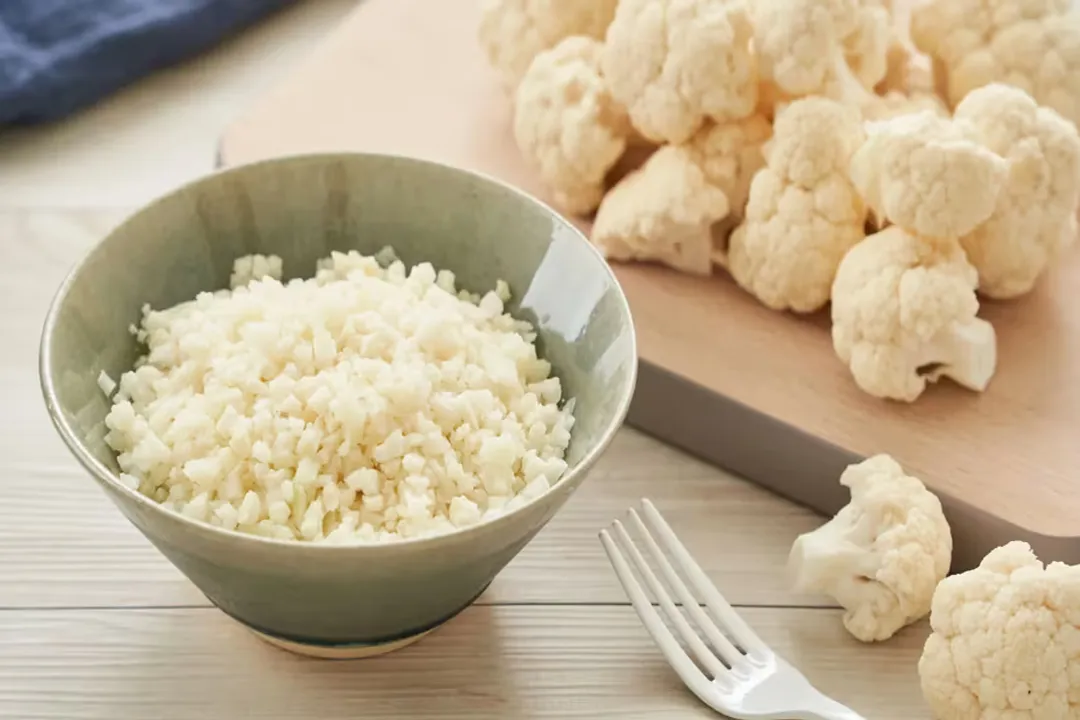
Cauliflower often sits quietly in the vegetable aisle, perhaps overshadowed by brighter greens, but this cruciferous champion deserves a spotlight for the sheer volume of nutritional value packed into its dense white florets. Moving past its reputation as a mere low-carb substitute, it offers a wide array of benefits that support everything from brain function to cellular defense. Recognizing its impressive nutrient density is the first step toward integrating this powerhouse into your regular meals. [1][3]
# High Vitamins

This vegetable is remarkably rich in several essential vitamins and minerals, despite being relatively low in calories. For instance, a single cup of raw cauliflower provides a substantial amount of your daily required Vitamin C, sometimes exceeding the amount found in a small orange. [1][6] Vitamin C is a powerful antioxidant vital for immune system function and collagen production. [1] Beyond that, cauliflower is an excellent source of Vitamin K, which plays a significant role in blood clotting and bone health. [2][3] You also gain important B vitamins, including folate, necessary for cell division and growth, making it particularly valuable during periods of rapid development. [1][6] In fact, one cup delivers roughly 15% of the recommended daily intake for both Vitamin C and Vitamin K. [3]
# Fighting Compounds
Cauliflower is loaded with beneficial compounds that actively work within the body, chiefly its array of antioxidants and phytochemicals. [1][5] As a member of the Brassica family, it contains glucosinolates, which the body breaks down into biologically active compounds like sulforaphane. [1][5] Research suggests these compounds offer strong anti-inflammatory effects and support the body’s natural detoxification processes. [5] Considering many modern diets are high in inflammatory triggers, incorporating regular servings of cruciferous vegetables like cauliflower can provide a consistent, gentle counterbalance to systemic stress. [5] The presence of these sulfur-containing compounds is a major reason why cauliflower is frequently studied for its potential protective qualities against chronic diseases. [1]

# Choline Memory
One of the lesser-known yet crucial nutrients cauliflower provides is choline. [1] Choline is an essential nutrient, similar to a B vitamin, that many people do not consume enough of. [4] This nutrient is indispensable for several bodily functions, particularly supporting the brain. [4] Choline is integral for maintaining cell structure and plays a key role in synthesizing acetylcholine, a neurotransmitter that governs muscle movement, memory, and other vital nervous system functions. [1] Ensuring adequate choline intake through foods like cauliflower can help support long-term cognitive health and efficient nerve signaling. [1][4]
# Digestive Support
The fibrous nature of cauliflower is a major contributor to its overall health profile. [4][6] Fiber is critical for maintaining a healthy digestive tract, aiding in regular bowel movements, and preventing constipation. [1][4] Furthermore, the fiber in cauliflower acts as a prebiotic, feeding the beneficial bacteria in your gut microbiome, which is increasingly recognized for its influence on mood and immunity. [1] While roasting or steaming softens the texture, it doesn't eliminate the fiber content, though the total amount can vary slightly based on preparation. [7] If you are looking to subtly increase your daily fiber without drastically changing your meal's flavor, consider chopping a half-cup of raw cauliflower finely and stirring it into a batch of homemade tuna or chicken salad; the texture integrates almost perfectly, adding about three grams of beneficial fiber that most people won't notice. [1]

# Low Calorie
For those focused on weight management, cauliflower shines due to its favorable macronutrient balance. [4] It is inherently low in calories and carbohydrates while being high in water and fiber, meaning you can eat larger portions without significantly increasing your caloric intake. [3][6] This high volume-to-calorie ratio contributes strongly to feelings of fullness and satiety, naturally reducing the likelihood of overeating later in the day. [4] This satiating effect is one reason it has become such a popular staple in low-carb cooking circles, often replacing higher-calorie ingredients. [3]
# Heart Support
A diet rich in certain vegetables is strongly linked to better heart outcomes, and cauliflower contributes meaningfully to this through its mineral and fiber composition. [2] The presence of potassium is noteworthy, as this mineral helps balance out excess sodium in the diet, which is essential for maintaining healthy blood pressure levels. [2][6] Paired with the cholesterol-lowering potential of its dietary fiber, regular consumption supports cardiovascular wellness. [2][9] While no single food is a cure-all, replacing refined starches with vegetables like cauliflower can create a measurable positive shift in one's overall dietary pattern. [3]
# Food Swaps
Cauliflower’s mild, slightly nutty flavor profile allows it to adapt remarkably well to different culinary roles, making it an exceptional tool for dietary modification. [7] Its ability to mimic the texture of higher-carb foods is perhaps its most famous modern application. [3] You can transform it into "rice" or "couscous" by pulsing it in a food processor, or mash it as a lighter alternative to potatoes. [3][7]
To illustrate the nutritional trade-off when making common swaps, consider this comparison based on approximately one cup serving size:
| Ingredient Substituted | Primary Nutrient Substituted (High Amount In) | Cauliflower Gain (Compared to Substitute) |
|---|---|---|
| White Rice (Cooked) | Starch/Carbohydrates | Significantly Lower Carbs, Higher Vitamin C & K [3][6] |
| White Potato (Mashed) | Starch/Calories | Lower Calories, Higher Fiber, More Folate [4][9] |
| Wheat Flour (in Crust) | Refined Grains/Gluten | Lower Calories, Higher Micronutrients [3] |
This adaptability means that incorporating cauliflower doesn't require a complete overhaul of favorite recipes; rather, it offers a simple substitution that enhances nutrient density without sacrificing the textural satisfaction of a meal. [7] Whether you steam it, roast it until caramelized, or eat it raw with hummus, its benefits remain readily accessible. [1][2]
#Videos
Nutritional Benefits of Cauliflower - YouTube
Related Questions
#Citations
The Top 8 Health Benefits of Cauliflower - Healthline
Cauliflower: Benefits and Why It's Healthy - Health Cleveland Clinic
Cauliflower: A versatile nutrition superstar - Mayo Clinic Health System
Cauliflower: Nutrition & Health Benefits - WebMD
The Health Benefits of Cauliflower - AANMC
What Happens to Your Body When You Eat Cauliflower Regularly
Top 8 health benefits of cauliflower - BBC Good Food
Nutritional Benefits of Cauliflower - YouTube
cauliflower | Health Topics - NutritionFacts.org