Health Benefits of Purple Corn
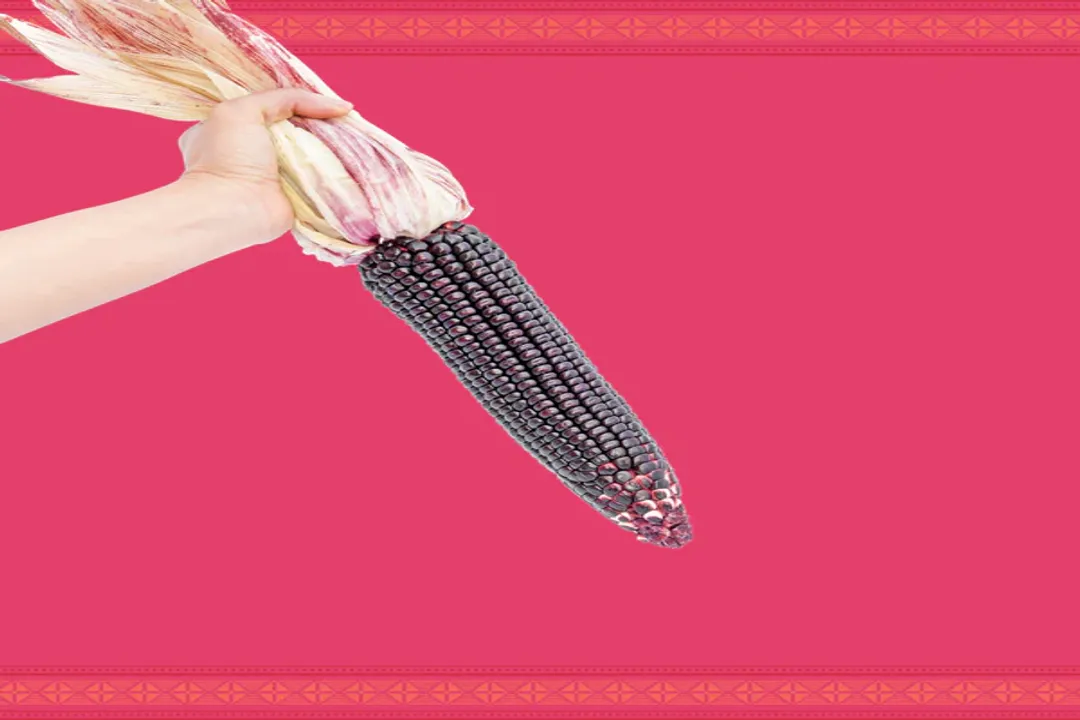
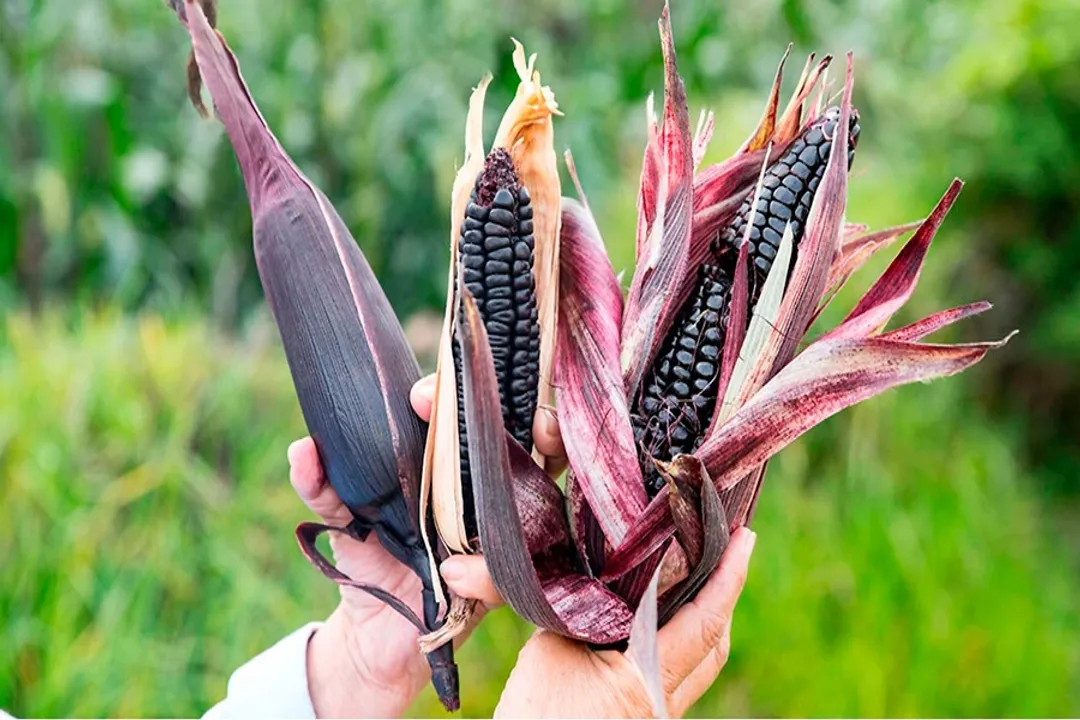
The deep, captivating hue of purple corn sets it apart immediately from its yellow and white cousins, hinting at a hidden powerhouse of nutrition largely attributable to its concentrated pigments. [4][5] Originating in the Andes Mountains, particularly Peru, this ancient grain has long been more than just a colorful addition to the dinner plate; it is a source of unique bioactive compounds that support health from the inside out. [1][4] While corn is typically associated with basic carbohydrates, the Zea mays variety responsible for this vibrant color carries an impressive profile of antioxidants that researchers are increasingly examining for their therapeutic potential. [7][9]
# Pigment Potency
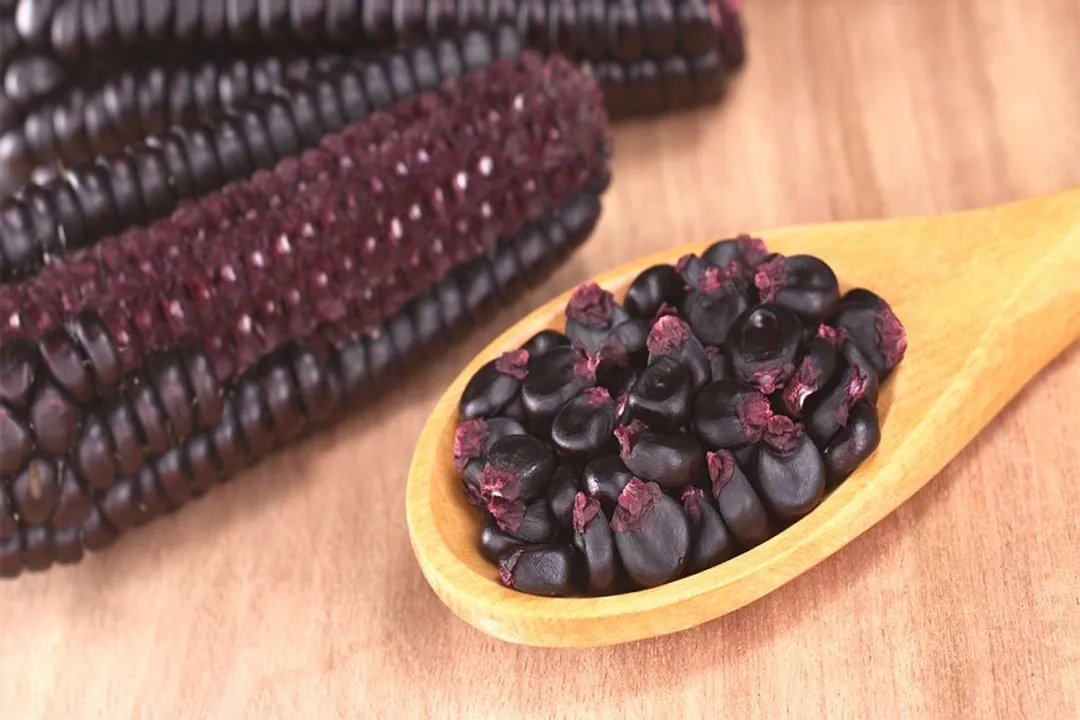
The striking color of purple corn is derived from anthocyanins, which are potent polyphenolic compounds also found in blueberries, grapes, and blackberries. [4][5] In fact, purple corn is widely recognized as one of the most concentrated natural sources of these compounds. [4] Anthocyanins function as powerful antioxidants, helping to neutralize free radicals within the body, which can otherwise cause cellular damage and contribute to aging and disease development. [4][5][7]
The type of anthocyanin found abundantly in purple corn is cyanidin-3-glucoside (C3G). [6][9] This specific compound is structurally different from the primary anthocyanin in many common berries, giving purple corn a unique profile of protective effects. [6] Studies suggest that the high concentration of C3G offers substantial antioxidant capacity, making the consumption of purple corn a direct route to boosting the body's internal defense mechanisms. [4]
When considering how to incorporate these benefits, it’s interesting to compare sourcing. While a bowl of fresh blueberries is a delightful way to get antioxidants, concentrated purple corn extracts often boast significantly higher measurable levels of these specific C3G compounds per serving of extract compared to the sheer volume of blueberries one would need to consume to match that concentration. [4] This difference highlights why purple corn is often singled out in supplement formulation, as it offers a highly efficient delivery method for this specific class of beneficial plant chemicals. [10]
# Blood Sugar
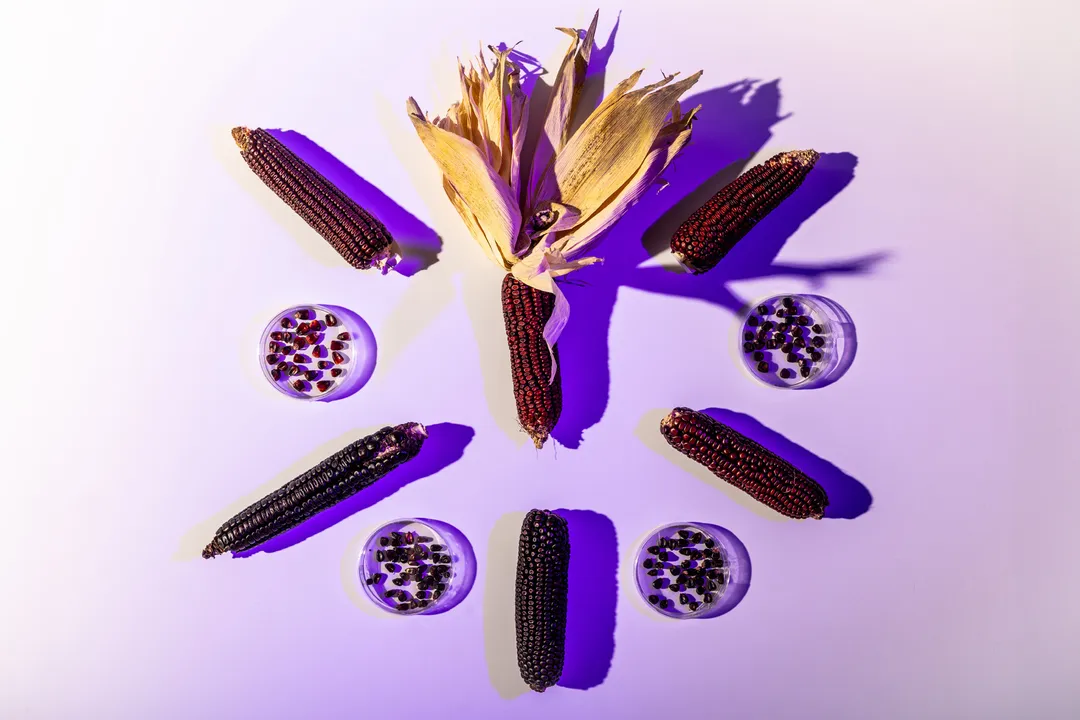
One of the most significant areas of research surrounding purple corn benefits relates to metabolic health, particularly in managing blood sugar levels. [9] Several studies point toward the ability of purple corn extracts, rich in C3G, to help regulate glucose metabolism. [2][9]
Research, including studies conducted at institutions like the University of Illinois, has demonstrated that the natural pigment found in this corn variety can actively combat the onset of diabetes. [9] The mechanism appears to involve interactions with glucose regulation pathways. For example, some findings suggest that purple corn compounds can help reduce hyperglycemia in diabetic rats by altering metabolic processes in the liver and kidneys. [2] Another study investigating the effects of purple corn extract on glucose levels indicated that it may help reduce blood glucose spikes after meals, pointing toward an anti-diabetic effect. [6]
It is important to recognize that while these findings are promising, they often involve concentrated extracts tested in laboratory or animal models. [2][6][9] However, the consistency of the evidence across different research settings points toward a genuine physiological effect mediated by the anthocyanins. [2] For general readers looking to support healthy blood sugar maintenance, integrating purple corn in its whole food or minimally processed form, rather than relying solely on these studied extracts, should be viewed as a complementary dietary choice. [7]
# Traditional Drinks
Long before modern science quantified its benefits, the Peruvian people recognized the value of maíz morado (purple corn) through centuries of culinary tradition. [4][10] The most famous preparation is Chicha Morada, a refreshing, non-alcoholic beverage deeply rooted in Peruvian culture. [3]
Preparing Chicha Morada typically involves boiling the dried purple corn cobs or kernels with pineapple rind, cinnamon sticks, and cloves, then sweetening the resulting deep purple liquid, often with sugar or pineapple juice. [3] The resulting drink is not only flavorful but also retains many of the beneficial compounds found in the raw grain, providing an accessible way for daily consumption. [5]
While Chicha Morada is the most well-known application, purple corn is also used to create mazamorra morada, a thick, gelatinous dessert that shares similar base ingredients but is cooked down further. [3] Additionally, in some regions, the grain itself is incorporated into savory dishes, though it is the beverages that carry the widest cultural and dietary exposure to its pigments. [4] This culinary heritage demonstrates that enjoying the health benefits doesn't necessarily require specialized supplements; sometimes, the best path is the one passed down through generations. [3]
# Systemic Effects
The advantages conferred by purple corn's phytochemical profile extend beyond glucose management and general antioxidant defense. The unique mix of anthocyanins appears to interact positively with various physiological systems throughout the body. [1][5]
One noted area of support is cardiovascular health. [1] Because anthocyanins are known to have anti-inflammatory properties, consuming them regularly may help support blood vessel function and overall circulatory well-being. [7] Furthermore, researchers have observed potential benefits related to ocular health. [1] The same compounds that give the corn its color are known to play a role in protecting the eyes, though specific studies on purple corn and vision maintenance require further dedicated investigation. [1]
Beyond these areas, the anti-inflammatory qualities associated with these pigments may also contribute to reducing systemic inflammation, which is a factor in numerous chronic conditions. [7] When considering how to integrate these benefits, it is worth noting that purple corn is available in several forms—as whole kernels, flour, extract powders, and capsules—allowing consumers to choose the format that best suits their dietary habits and goals. [1][10] For instance, someone looking for a specific daily dosage might opt for a standardized extract capsule, whereas a baker might prefer using purple corn flour in muffins or breads. [1]
# Incorporation Methods
Integrating purple corn into a regular diet can be approached simply, building upon existing culinary habits. If you have access to dried purple corn kernels, you can start by mimicking the base for Chicha Morada, perhaps reducing the added sugar significantly or substituting it entirely with natural sweeteners or drinking it unsweetened as a tea. [3] The kernels can also be ground into a flour for baking, which will impart a subtle purple tint and boost the nutritional profile of standard recipes like pancakes or tortillas. [1]
A practical tip for sourcing this ingredient, especially outside of Andean markets, is to look specifically for products labeling the main active component, such as cyanidin-3-glucoside, on the ingredient list if purchasing powders or extracts. [10] This verification helps ensure you are getting the part of the corn that holds the highest concentration of the beneficial compounds, rather than just a less pigmented corn derivative. [4] If you are incorporating it through supplements, treating them as a concentrated addition alongside a diet rich in varied fruits and vegetables, rather than a replacement for whole foods, generally aligns best with long-term health strategies. [7] Remember, consistency in dietary choices, even small ones like swapping a regular flour for purple corn flour occasionally, builds cumulative benefits over time. [5]
Related Questions
#Citations
Purple Corn Offers Benefits Inside and Out - USDA
Health Benefits of Purple Corn (Zea mays L.) Phenolic Compounds
What Is Chicha Morada? A Purple Corn Drink with Health Benefits
Purple corn: the most potent antioxidant is from Peru - Perú Info
Health Benefits of Purple Corn (Chicha) - Amazonas Foods
Beyond colors: The health benefits of maize anthocyanins
Power to the Purple... Corn! - Taste for Life magazine
Mizzou researchers discover surprising health benefits of purple corn
Natural pigment in purple corn fights diabetes, study shows
Why This Peruvian Ingredient An Essential Supplement | Brasa