Health Benefits of Corn
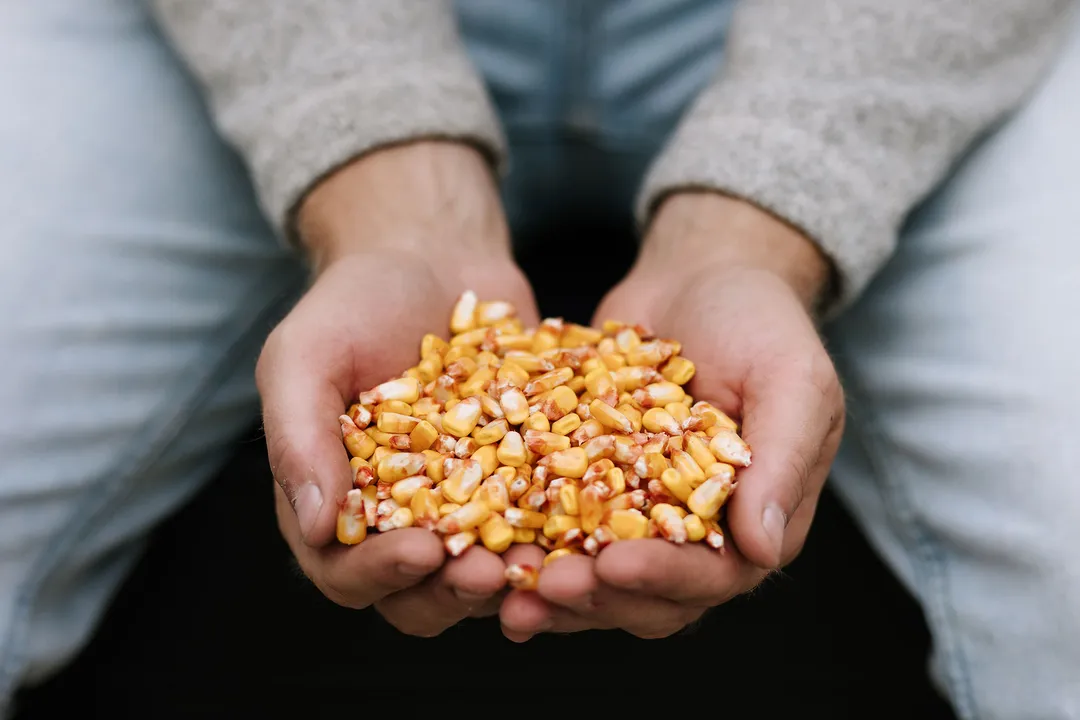
The humble kernel of corn, often associated with summer cookouts and simple comfort foods, is much more than just a starchy side dish. Cultivated from the wild grass teosinte by farmers in what is now Mexico about ten thousand years ago, this staple food, also known as maize, offers a surprising array of health benefits rooted in its unique nutritional makeup. [1] Whether you enjoy it fresh on the cob, popped, or as an ingredient in tortillas, understanding what the golden kernels deliver can help solidify their place in a balanced diet. [4][3] While corn can be classified as both a grain (when harvested dry and mature) and a vegetable (when harvested soft and juicy), focusing on whole-grain forms or fresh/frozen kernels often maximizes the intake of beneficial components. [1][5]
# Nutritional Profile

Corn, in its whole form, provides a good mix of macronutrients, vitamins, and minerals, though it is primarily known for its carbohydrate content. [3][8] A medium ear of sweet corn, for instance, typically contains around 87 to 100 calories, offering a decent amount of energy. [4][6]
The carbohydrate content, which makes up about 75% of its dry weight in the form of starch, is chiefly made up of complex carbohydrates that aid in providing sustained energy. [3][2] Sweet corn varieties are naturally higher in sugars, like sucrose, but despite this, they often rank low to medium on the Glycemic Index (GI), meaning they don't cause the rapid blood sugar spikes associated with high-GI foods. [3][6]
In terms of fat, corn is generally low-fat, with much of that fat being the beneficial polyunsaturated type. [4] Corn oil, derived from the corn germ, is particularly rich in linoleic acid, a polyunsaturated fatty acid, and contains phytosterols that may aid in lowering cholesterol absorption. [3][4]
Protein is present in smaller amounts, usually ranging from about 3% to 5% of the total content, with the main protein being zeins. [3][8] While corn is not a primary source of protein, it contributes to the overall daily intake. [7]
The mineral and vitamin profile is where corn shines as a source of supporting nutrients:
- B Vitamins: Corn provides several B vitamins, including folate (B9), niacin (B3), and B6. [2][8] These are vital for energy metabolism, red blood cell production, and overall brain and heart health. [2][9] Cooking corn with an alkaline solution, a process known as nixtamalization (used for making hominy), can improve the body's ability to absorb niacin. [3]
- Potassium: This mineral is essential for regulating the circulatory system, promoting healthy blood flow, and maintaining a strong heartbeat. [1][4] It also works as a vasodilator, helping to keep blood vessels relaxed, which can contribute to lower blood pressure. [9]
- Other Minerals: Corn contains notable amounts of phosphorus, magnesium, manganese, iron, and zinc. [1][4][7] Magnesium, for example, is critical as the bones store 50% to 60% of the body’s supply, supporting bone density and potentially reducing osteoporosis risk in postmenopausal women. [6]
When considering preparation methods, note that the nutritional composition can vary. For instance, yellow and white corn derive their color from phytonutrients, which carry antioxidants. Darker varieties, such as blue or purple corn, tend to carry higher levels of certain antioxidants like anthocyanins. [1][4]
# Antioxidants for Cellular Defense

Corn kernels are notable contributors of specific plant compounds that function as antioxidants, which combat the oxidative stress caused by free radicals—molecules linked to chronic inflammation and various diseases. [3][6]
# Vision Protection
The most recognized health contribution from corn relates directly to eye health, thanks to two carotenoid antioxidants: lutein and zeaxanthin. [1][9] These compounds are often found alongside Vitamin A precursors and accumulate in the retina of the eye. [3][6] Their presence is strongly linked to a reduced risk of developing cataracts and macular degeneration, two of the most common causes of visual impairment globally. [3][6] While levels are generally higher in yellow corn, it is important to consume these compounds regularly, as the body cannot synthesize them on its own. [6] For those concerned about their vision, integrating a regular serving of yellow corn is a simple dietary step, although human studies confirming the protective effect should always be considered alongside other comprehensive eye care measures. [1][3]
# Anti-Inflammatory Compounds
Beyond the carotenoids, corn contains other beneficial plant compounds, depending on the variety. [3] Purple corn, for instance, contains the antioxidant quercetin. [6] Research suggests that quercetin may possess neuroprotective qualities, possibly by reducing neuroinflammation in the brain, which could be relevant to conditions like Alzheimer’s and dementia. [1] Furthermore, quercetin has been studied for its potential role in treating prostatitis (inflammation of the prostate) in men and for its ability to induce apoptosis, the natural process by which the body eliminates malfunctioning cells that could otherwise become cancerous. [1][6]

# Gut Health and Fiber Content

Corn offers significant support for the digestive system primarily through its high fiber content, which includes both soluble and insoluble types. [4][9]
Insoluble fiber, which is the indigestible outer shell of the kernel, passes through the system relatively intact. [1][4] This bulk is essential for regulating bowel movements and preventing constipation. [4][6] It is common for people to notice undigested kernels in their stool; this is simply the cellulose shell passing through, indicating the fiber is doing its job, as the inner, nutritious part of the kernel has been broken down. [5]
The fiber also functions as a prebiotic, feeding the beneficial bacteria within the gut microbiome. [4][6] When these good bacteria ferment the fiber, they produce short-chain fatty acids (SCFAs). [5] These SCFAs are crucial for maintaining a healthy gut environment and may even play a role in lowering the risk of colorectal cancer. [5][6]
It's worth noting that corn also contains resistant starch, a particular type of insoluble fiber that is highly beneficial for gut health by acting as a prebiotic. [9]
While beneficial, introducing too much fiber too quickly, even from healthy sources like corn, can cause temporary digestive distress like gas or bloating, which is often a result of gut bacteria fermentation. [6] A helpful strategy when increasing fiber intake from any source is to ensure adequate water consumption, which aids in the smooth passage of the increased bulk through the intestines. [6]
# Grain vs. Vegetable: Practical Applications

The classification of corn—whether as a starchy vegetable or a cereal grain—affects how we often categorize it in our diet, but its utility remains broad. [1][5]
When viewed as a vegetable (fresh sweet corn), it integrates easily into side dishes and salads. [4] When treated as a grain (like dried kernels ground into cornmeal), it forms the basis for foundational foods like cornbread, tortillas, grits, and polenta. [1][3]
For readers managing blood sugar, such as those with diabetes, it is advised to consider corn primarily as a carbohydrate source, even when eaten fresh, and to monitor portion sizes accordingly. [4] However, the complex carb nature and fiber content help mitigate rapid blood sugar increases. [5]
For those avoiding gluten due to celiac disease or sensitivity, corn is a naturally gluten-free alternative, making cornmeal or whole kernels excellent substitutes for wheat-based products. [1][4][6] This freedom from gluten is a significant dietary benefit, provided that commercially prepared corn products, like certain cereals or processed goods, do not have gluten added during manufacturing. [6]
# Considerations and Potential Downsides
While corn offers many advantages, it is important to be mindful of potential issues related to preparation, contamination, and inherent compounds.
# Antinutrients and Preparation
Like many whole grains and legumes, whole corn contains phytic acid (phytate). [3] Phytic acid is an antinutrient that can bind to dietary minerals like iron and zinc, slightly impairing their absorption in the same meal. [1][3] While this is usually not a major concern for those eating a varied diet, methods like soaking, sprouting, or fermenting corn products can substantially reduce phytic acid levels, thereby increasing mineral bioavailability. [3][9] An interesting counterpoint is that phytic acid itself has been shown to have beneficial effects, so its consumption in moderate amounts is generally not discouraged. [3]
# Mycotoxin Contamination
A serious, though infrequent, risk involves contamination by fungi that produce toxic compounds called mycotoxins, such as fumonisins and aflatoxins. [1][3] Adverse health effects, including links to cancer and neural tube defects, have been primarily associated with the high consumption of contaminated corn in populations where it forms the core of the diet. [3] In developed nations, food safety regulations strictly monitor these toxins in the food supply. [3] Growers play a part in prevention; for example, studies have shown that extreme weather, like drought, can increase the risk of fungal contamination in crops. [3]
# Processing and Additives
The way corn is processed significantly dictates its health profile:
- High-Fructose Corn Syrup (HFCS): This sweetener, derived from field corn starch, is ubiquitous in processed foods and soft drinks. [4] While chemically it differs from table sugar, excessive intake of HFCS is linked to increased body fat, triglycerides, and associated conditions like metabolic syndrome. [3][6] Foods sweetened with HFCS are often nutrient-poor, lacking fiber and protein, which makes overconsumption easy. [4]
- Canned Corn Sodium: Canned sweet corn is convenient, but it can be considerably higher in sodium than fresh or frozen alternatives. [5][6] Too much sodium can contribute to high blood pressure and subsequent cardiovascular strain. [6] Actionable Tip: A simple, effective kitchen step to mitigate this is to thoroughly rinse canned corn under running water before use; this process can reduce the sodium content by approximately 40%. [6]
# Creative Integration and Culinary Tips
Corn’s versatility allows it to move beyond the barbecue grill and into diverse culinary roles. [4][8] To fully capitalize on its benefits while minimizing unhealthy additions, consider these approaches:
For grilling corn on the cob, skip the heavy butter and opt for seasoning blends: try a spritz of fresh lime juice, a drizzle of olive oil, or seasonings like smoked paprika or chili powder for intense flavor without excess saturated fat. [1][8] If you are enjoying popcorn, which is a whole grain snack, making it yourself via air-popping is superior to commercially prepared versions loaded with salt and fat. [4]
Consider incorporating corn into cold dishes for convenience and texture. A colorful Rainbow Corn Salad, combining kernels with black beans, tomatoes, avocado, and fresh herbs dressed with lime and olive oil, offers fiber, healthy fats, and variety. [4] This moves corn from a heavy side to a component in a nutrient-dense meal foundation.
Editor's Insight: While darker corn varieties (blue, purple) offer superior anthocyanin content, a practical way to boost the carotenoid intake from standard yellow corn is to pair it with a small amount of dietary fat, such as a teaspoon of olive oil or avocado oil. This fat facilitates the absorption of fat-soluble carotenoids like lutein and zeaxanthin, maximizing their benefit for eye health when eating a generally low-fat meal. [1][6]
For those seeking year-round nutrition, frozen corn is an excellent substitute for fresh, retaining high nutritional value. [2]
Overall, when consumed moderately, especially in its less-processed states, corn provides valuable fiber for digestion, antioxidants for vision and heart protection, and essential B vitamins, solidifying its role as a beneficial food ingredient rather than just a treat. [3][9]
Related Questions
#Citations
Health Benefits of Corn | Johns Hopkins Medicine
Corn 101: Nutrition Facts and Health Benefits - Healthline
Is Corn Good for You? - Health Cleveland Clinic
The Surprising Health Benefits of Corn | CT Orthopaedic Institute
Health Benefits of Corn: 7 Reasons It's Good for You
6 Essential Benefits of Canned Sweet Corn — and 2 Risks to Know
The Health Benefits of Corn by GYMGUYZ
Corn: Kinds, Nutrition, Benefits, Risks, & Preparation - WebMD
Six Surprising Health Benefits of Corn | Nebraska CornStalk