Health Benefits of Purple Majesty Potato
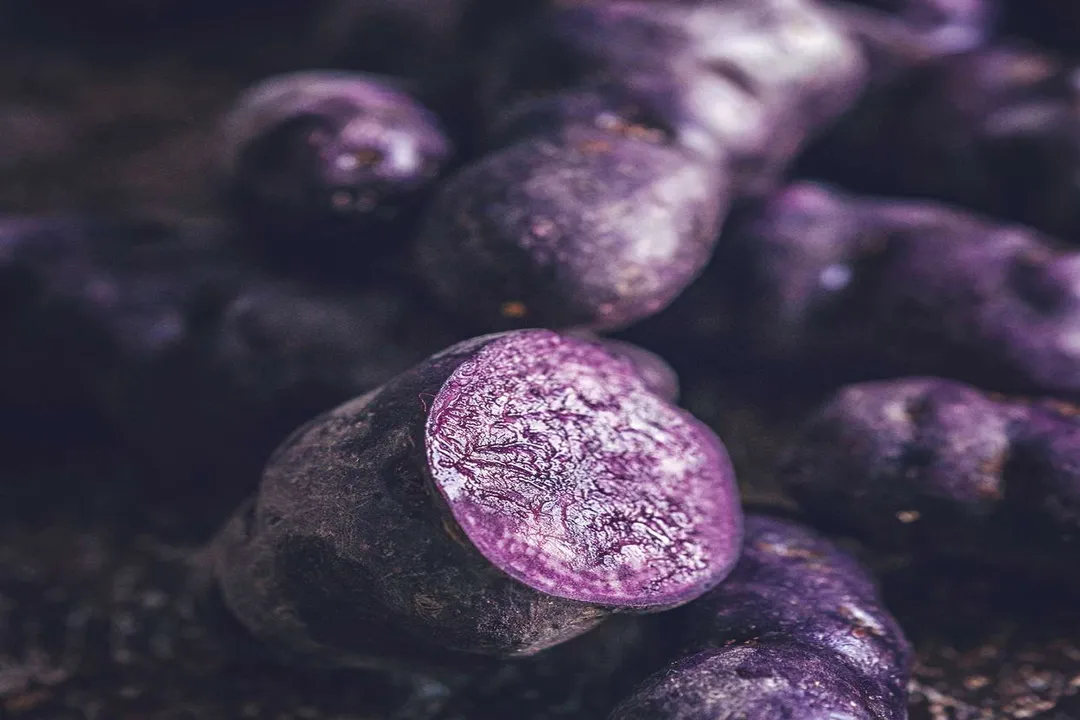
The humble potato, often relegated to the status of a simple, starchy side dish, conceals a vibrant secret beneath its skin. When we encounter the deep violet hue of the Purple Majesty potato or its close relatives, we are looking at a visual signal for potent, health-boosting compounds often missing in its white or yellow counterparts. [3][5] These aren't merely novelty vegetables; they represent a powerful, colorful addition to the daily diet, offering support for everything from cardiovascular function to metabolic balance. [2][4] Originating from the Andes region of South America, these tubers, which include varieties like Purple Majesty, Purple Viking, and Purple Peruvian, carry a denser nutritional package than standard spuds. [1][3]
# Color and Compounds

The striking blue-purple or violet color is the first indicator of superior nutritional value, derived primarily from anthocyanins. [2][6] Anthocyanins are potent antioxidants, the very pigments that give blueberries and blackberries their celebrated status. [3][5] Purple potatoes are known to possess two to three times the antioxidant activity compared to white or yellow potatoes. [3] However, the health story of the Purple Majesty doesn't end with color. These tubers are rich in a variety of phytonutrients that work synergistically to promote wellness. [1]
Beyond anthocyanins, purple potatoes are notable sources of other beneficial phytochemicals, including chlorogenic acid and various polyphenols like caffeic acid and scopolin. [1][3] Research focusing on the bioactive compounds in the Purple Majesty cultivar specifically highlights its potential to target several cardiometabolic risk factors. [4] This dense profile of pigments and acids sets the stage for the wide array of benefits observed in human and animal studies. [2][4]
# Metabolic Balancing Act
For many, potatoes come with a baggage of concerns regarding blood sugar spikes, yet purple potatoes offer a more favorable profile in this regard. [3] The Glycemic Index (GI) measures how quickly a food raises blood sugar, and studies indicate that purple potatoes register a lower GI (around 77) compared to yellow (81) or white potatoes (93). [3] This difference is hypothesized to stem from the polyphenol compounds that may slow down the absorption of starches in the intestines, thereby minimizing the blood sugar impact. [3]
This metabolic advantage was further examined in preclinical models. Research conducted on genetically obese mice demonstrated that replacing a standard diet with one consisting of Purple Majesty powder resulted in significant reversals of obesity-associated cardiometabolic risks. [4] Specifically, the consumption of Purple Majesty attenuated high levels of fat mass, decreased systemic inflammation, improved gut integrity, and enhanced overall gut health when compared to an isocaloric match diet. [4] Furthermore, in human subjects, the consumption of anthocyanin-rich purple potatoes was linked to a significantly lower level of 1,5-anhydroglucitol (1,5-AG) after eight weeks compared to a placebo group, suggesting a beneficial modulation of glucose regulation. [7]
When aiming to maximize the gut-health benefits derived from the starch component, preparation truly matters. While the general fiber content is commendable—a half-cup serving provides about 1.3 grams [1]—a specific component called resistant starch is crucial for nourishing the beneficial bacteria in the large intestine. [3] This resistant starch is maximized when potatoes are cooked and then allowed to cool before consumption, such as when preparing a chilled potato salad. [3] This contrasts with methods that might maximize antioxidant retention, leading to a fascinating choice for the health-conscious consumer: do you prioritize the powerful antioxidants retained best by microwaving, or the gut-fueling resistant starch activated by chilling? The highest overall nutritional yield might involve a hybrid approach—perhaps steaming or microwaving with the skin on, and incorporating them into a cold preparation to capture both benefits to the greatest extent possible.

# Heart Support System
The cardiovascular system stands to gain considerably from incorporating these vibrant tubers into the diet. [2] The inherent high potassium content found in all potatoes is a known mechanism for assisting with blood pressure regulation. [1][6] However, the extra antioxidants in purple varieties appear to amplify this effect. [6] A study focusing on individuals with hypertension found that consuming six to eight golf ball-sized purple potatoes twice daily for a month resulted in a reduction of both systolic and diastolic blood pressure by approximately 3.5% to 4.3%. [3][6]
The mechanism seems multifaceted. Beyond potassium, the polyphenolic antioxidants, particularly the anthocyanins, contribute by helping to relax and strengthen blood vessels. [3] In fact, some research suggests that these compounds work in a manner similar to certain blood pressure-lowering medications known as ACE inhibitors. [3] Furthermore, improved vascular function was noted in studies where subjects ate purple potatoes compared to white potatoes, which have negligible anthocyanins, showing a potential reduction in arterial stiffness—a major contributor to heart attack and stroke risk. [3] Another promising area is the role of chlorogenic acid, which has been identified in purple potatoes and shown in animal models to potentially delay the development of blood clots, a critical factor in preventing thrombosis. [1]
# Inflammation and Cellular Defense
Chronic, low-grade inflammation underlies numerous modern diseases, including heart disease, diabetes, and arthritis. [2] Purple potatoes offer a dietary defense line against this systemic issue. [2] The anthocyanins act as powerful antioxidants, directly combatting the cellular damage caused by oxidative stress. [1][2]
In human trials, daily consumption of purple potatoes has been shown to reduce the inflammatory marker fasting state C-reactive protein when compared to an equivalent amount of white potatoes consumed over six weeks. [2] The protective effects extend to specific organs; studies have shown that purple potato extract can positively impact inflammatory markers following a high-carbohydrate meal, even improving digestion four hours later. [2]
The impact of these compounds on cellular integrity is particularly compelling when we compare the potato family itself. While all potatoes offer essential vitamins and minerals, the darker-fleshed varieties are exceptional for their antioxidant load. [6] If we consider the broader landscape of deeply colored produce, we often default to thinking of small, dark berries as the pinnacle of anthocyanin intake. However, recognizing that a staple like the purple potato delivers these protective compounds alongside a significant base of essential minerals like potassium and Vitamin C (which berries may lack or offer in lower quantities relative to their carbohydrate load) reframes its role in a balanced diet. It is an accessible, staple source of powerful antioxidants that is often overlooked in favor of more expensive, less filling alternatives, making it a truly democratic source of cellular protection for the average household. [1][3][5]
The anti-cancer research, while largely preliminary and confined to laboratory settings, points toward exciting possibilities. Specific compounds within purple potatoes have been shown in in vitro and animal studies to slow the growth of colon cancer cells by targeting regulatory pathways and inhibiting dangerous byproducts. [2][3] Similar promising results have been documented regarding the suppression of bladder cancer cells by anthocyanins. [2] Though eating them is no substitute for conventional treatment, their regular inclusion supports a diet rich in compounds that actively work against cellular dysregulation. [3]
# Managing Stress and Mood
Perhaps one of the less-expected benefits emerging from recent trials involves mental well-being and stress management. [7] One notable randomized, double-blind, placebo-controlled study specifically used the Purple Majesty cultivar's relative, 'Shadow Queen,' which contains a high concentration of anthocyanins. [7] The 8-week intervention revealed that subjects consuming the anthocyanin-rich potato daily experienced significantly lower scores on measures of psychological stress response, irritability, and depression as assessed by the Brief Job-Stress Questionnaire (BJSQ) when compared to those eating the placebo potato. [7]
This finding aligns with broader research suggesting that anthocyanins and related flavonoids can exert positive effects on cognitive function and mood, potentially by improving blood flow or acting as anxiolytics, indexed by changes in brain wave activity. [7] While the study did not find a significant change in the primary outcome of mesenchymal stem cell count, the clear improvement in subjective mental complaints like irritability and depression suggests that the daily, food-based intake of these compounds offers a tangible benefit to those grappling with the daily pressures of modern life. [7] Even on a separate Visual Analog Scale (VAS) questionnaire, the stress score tended to show improvement in the test group over the placebo group, reinforcing the perceived calming effect. [7]
# Essential Nutrition Profile
While the vibrant pigments steal the spotlight, the underlying nutritional structure of the Purple Majesty potato is sound and comparable to common varieties like the Russet, but with the added antioxidant punch. [6] A half-cup serving (approximately 75 grams) of raw diced purple potatoes provides around 52.5 calories and 12 grams of carbohydrates. [1]
Crucially, they deliver necessary micronutrients that are often under-consumed:
- Potassium: A half-cup serving contains about 341 mg, equating to 10% of the Daily Value (DV). [1] This is significant, as potatoes generally offer more potassium than bananas. [3]
- Vitamin C: Essential for immunity and collagen production. [1][2]
- Vitamin B6: Important for numerous bodily functions, including brain health. [1]
- Minerals: They also supply copper, phosphorus, and manganese. [1]
A key point to remember for maximizing nutrient intake is the skin. [3] While the flesh contains more than half of the nutrients, the skin houses a significant portion of the beneficial fiber and minerals, so scrubbing well and leaving the skin on is the best practice for nutritional return. [3][6]
# Culinary Integration
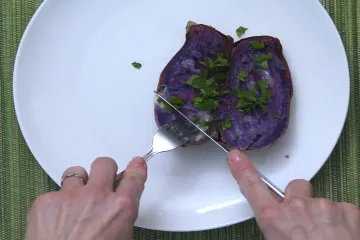
The Purple Majesty is delightfully versatile, fitting into nearly any recipe that calls for a standard white or yellow potato, though its flavor is often described as slightly nuttier and earthier. [1][6] They retain their shape well when boiled or roasted, making them excellent for salads or as roasted wedges, but they also mash up beautifully. [1][6]
To maximize the retention of antioxidants, studies suggest that gentler cooking methods like microwaving or boiling cause less nutrient loss compared to stir-frying or baking. [2] However, if maximizing that beneficial resistant starch is the goal, the path is clear: boil them until tender, drain, rinse in cold water, and serve chilled. [3] This preparation method, turning them into a cold salad base, ensures the resistant starch is fully available for gut fermentation, while still providing the overall nutritional matrix of the tuber. [3] Experimenting with simple seasonings like rosemary, olive oil, salt, and pepper allows the potato's natural flavor and color to shine through in dishes like roasted wedges or creamy mashed bowls. [1][5] By consciously choosing preparation methods, we can tune the potato's nutritional delivery to align with our current health priorities, whether that is acute antioxidant intake or long-term gut support.
Related Questions
#Citations
7 Surprising Benefits of Purple Potatoes - Healthline
Health Benefits of Purple Potatoes - EatingWell
Purple Majesty Potato Bioactive Compounds: Linking Nutrition to ...
Purple Potatoes Benefits, Nutrition, Recipes, Side Effects - Dr. Axe
Dig In: Purple Potatoes Have Vibrant Health Benefits
Purple potatoes rule! - Monroe Farmers Market
The Impact of Purple-Flesh Potato (Solanum tuberosum L.) cv ... - NIH