Health Benefits of Purple Carrot
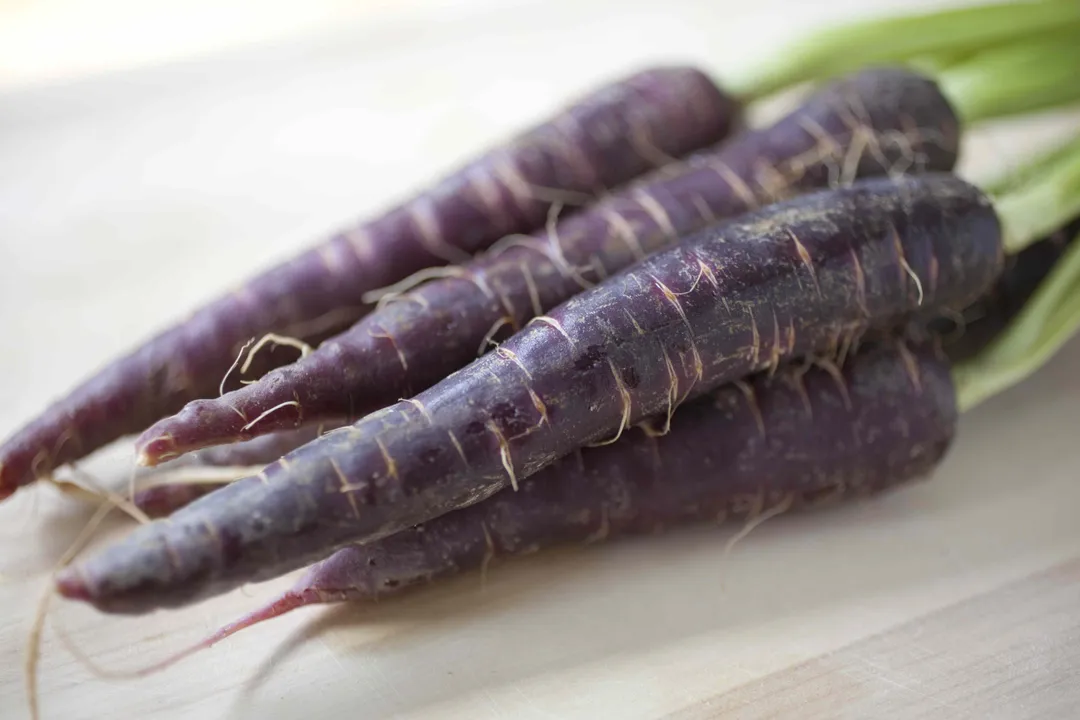
The deep, almost jewel-toned hue of the purple carrot immediately signals that this root vegetable is chemically different from its common orange counterpart, even though both share the fundamental structure of a crisp, sweet garden staple. This striking coloration is not just an aesthetic feature for chefs; it is the visible manifestation of significant health-promoting compounds that elevate the nutritional profile beyond what standard carrots typically offer. While all carrots, regardless of color, offer essential vitamins and fiber, the purple variety brings a specialized set of phytonutrients to the table, primarily thanks to the pigments that give it its name.
# Vivid Pigment

The defining characteristic separating purple carrots from orange, white, or yellow varieties is their concentration of anthocyanins. Anthocyanins are a group of flavonoids—powerful antioxidants—that give fruits and vegetables like blueberries, blackberries, and purple cabbage their brilliant color. When you look at a purple carrot, you are essentially seeing a high concentration of these specific phytonutrients embedded in the flesh. This concentration of anthocyanins is what makes them nutritionally unique among the common carrot types.
# Antioxidant Power
Because anthocyanins are potent antioxidants, consuming purple carrots directly contributes to the body’s defense system against damaging free radicals. Antioxidants work by neutralizing unstable molecules that can lead to cellular damage over time, which is a key factor in aging and the development of various chronic conditions. Research has shown that these compounds can play a protective role in the body due to their strong reducing capacity. While orange carrots are famous for beta-carotene, which converts to Vitamin A and supports vision, the purple carrot supplies this foundation plus the anthocyanin boost, offering a broader range of antioxidant protection.

# Cardiovascular Support
One of the most frequently cited health advantages linked to the increased antioxidant load in purple carrots relates to heart health. Studies suggest that the consumption of these vividly colored roots may contribute to lowering both blood pressure and cholesterol levels. Maintaining healthy blood pressure and lipid profiles is central to long-term cardiovascular wellness, and incorporating nutrient-dense foods like purple carrots is a sensible step in that direction. The mechanism is often tied back to the anti-inflammatory and antioxidant properties of the anthocyanins, which help keep blood vessels flexible and healthy.
# Digestive Health
Like their orange cousins, purple carrots are a good source of dietary fiber. Fiber is crucial for regulating the digestive tract, promoting satiety, and helping to maintain steady blood sugar levels. The presence of this fiber is one reason why regular consumption of root vegetables, including purple varieties, is associated with better weight management. Eating foods that keep you feeling full longer naturally aids in controlling overall caloric intake, supporting efforts to maintain a healthy weight.

# Vision Care
It would be a mistake to overlook the benefits inherited from the typical carrot family. Even though the purple pigment dominates the exterior and often bleeds into the core, purple carrots still possess significant amounts of the nutrients associated with orange carrots, notably beta-carotene. Beta-carotene is vital because the body converts it into Vitamin A, which is essential for good vision. Therefore, while you are benefiting from the unique anthocyanins, you are not sacrificing the well-known eye health support that carrots provide.
# Maximizing Anthocyanin Absorption
When cooking with purple carrots, understanding how the primary beneficial pigment behaves can significantly impact the final nutritional yield. Anthocyanins are notoriously sensitive to heat and can be water-soluble, meaning they leach out during prolonged boiling. If your primary goal is to maximize the intake of these powerful antioxidants, think speed and minimal water contact. A quick blanch or, even better, lightly roasting them until just tender preserves far more of the pigment than slow simmering in a stew would [editor's analysis]. Consider slicing them thinly and tossing them with a healthy oil like olive oil before roasting at a moderate temperature, perhaps around 400°F (204°C), for about 15-20 minutes, just until a slight char begins to form on the edges. This method respects the heat sensitivity while adding healthy fats, which can aid the absorption of fat-soluble vitamins also present in the carrot.

# Nutritional Spectrum
It is helpful to think of the purple carrot not as a replacement for the orange carrot, but as a complement that broadens the defensive arsenal available to your body [editor's analysis]. While orange carrots are rich in alpha- and beta-carotene, purple carrots feature anthocyanins, providing a different chemical pathway for cellular defense. This means when you mix colors on your plate—perhaps using purple carrots in a slaw and orange carrots in a soup—you are ensuring a wider array of phytochemicals are ingested. USDA researchers have dedicated efforts to developing these colorful varieties, recognizing that diversity in plant compounds leads to more comprehensive nutritional support. When looking at their composition, the vegetable offers a unique synergy: the carotenoids for Vitamin A and the anthocyanins for cardiovascular and general antioxidant defense.
# Preparation Diversity
The versatility of purple carrots extends beyond just roasting. They maintain their structure and color well when shaved raw into salads, adding visual appeal and a slight earthy sweetness. They can also be juiced, though remember that juicing removes much of the beneficial fiber content. For those looking for simple additions, adding chopped purple carrots to homemade vegetable stock or lightly steaming them for just a few minutes before serving them as a side dish are excellent starting points for regular consumption.
# Sources of Development
The existence of these brightly colored root vegetables is partly due to active agricultural research aimed at enhancing food quality and diversity. Scientists have worked to breed carrots that offer varied pigments, which, in turn, means varied nutrient profiles. This focus on colorful produce recognizes that different colors often signal different health advantages, moving beyond the traditional view of carrots as solely a Vitamin A source.
# Comparison Context
When comparing a purple carrot to an orange carrot, you are comparing two distinct antioxidant profiles based on their predominant pigments. The orange variety owes its color to carotenoids, while the purple variety is defined by anthocyanins. While both contribute beneficial compounds, the anthocyanin group found in purple carrots has specific documented effects on factors like blood pressure. Recognizing these differences allows a consumer to intentionally select produce to meet specific dietary goals, understanding that what you see—the color—is directly linked to the specialized chemistry within.
Related Questions
#Citations
Are Purple Carrots Healthier? Nutrition, Benefits, and Uses
What Happens to Your Body When You Eat Purple Carrots Regularly
New Carrots Offer Colorful Surprises--and Health Benefits
Delving into the Nutraceutical Benefits of Purple Carrot against ...
6 health benefits of purple carrots - Tata 1mg Capsules
Why Plant-Based - Purple Carrot
Are Carrots Good for You? 7 Benefits - Health Cleveland Clinic
Did You Know? purple carrots contain anthocyanins, powerful ...
Health-Promoting Effects, Phytochemical Constituents and ...
Purple Carrots are Filled with Antioxidants - WVU Extension