Health Benefits of Carrot

The humble carrot, often relegated to a side dish or a vehicle for dip, is far more than just a crunchy snack. This root vegetable, known globally for its vibrant orange hue, packs a serious nutritional punch, supporting everything from eyesight to cardiovascular function. [1][5] Its accessibility and versatility mean that tapping into these health advantages doesn't require complicated diets or expensive supplements; it simply requires keeping a bag of these tapered treasures in the crisper drawer. [3][5]
# Vision Brightness

The most famous association with carrots is, without question, their benefit to vision. This reputation is well-earned, primarily due to the high concentration of beta-carotene found in orange varieties. [1][8] Beta-carotene is a provitamin A carotenoid, meaning the body converts it into Vitamin A. [2][5] Vitamin A is absolutely essential for good eyesight, particularly for light-dark adaptation and maintaining the surface of the eye. [1][8] A deficiency in Vitamin A can lead to serious issues, including night blindness. [1]
While the legend that carrots grant perfect night vision stems from World War II British propaganda, the underlying nutritional truth is sound: consuming adequate Vitamin A supports optimal eye health. [6] Furthermore, carrots contain other crucial eye nutrients, such as lutein and zeaxanthin, which accumulate in the retina and macula, offering protection against damaging high-energy blue light and potentially reducing the risk of age-related macular degeneration (AMD). [1][5]
# Disease Defense
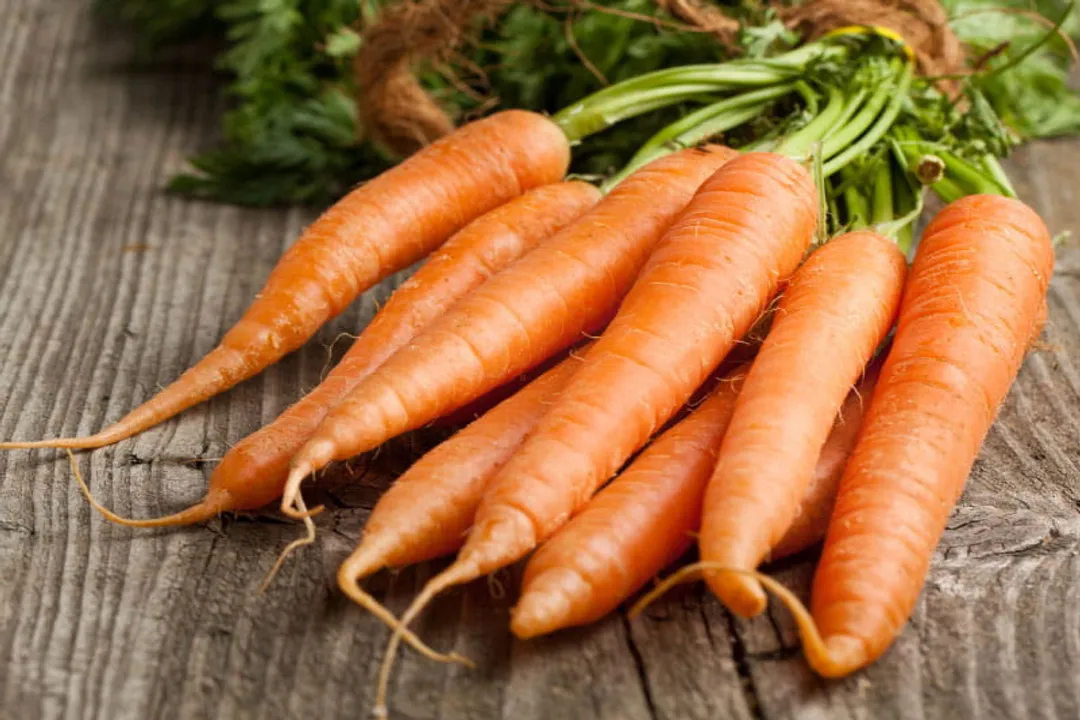
Carrots are loaded with antioxidants, which are compounds that neutralize harmful free radicals in the body, thereby helping to reduce cellular damage and chronic disease risk. [5][7] The diverse range of antioxidants present is impressive. [1] Beyond the beta-carotene that gives them their color, carrots contain polyacetylenes, which studies suggest may possess anti-cancer properties. [5]
It's worth noting that the type of protection can slightly vary depending on the carrot's color. While orange carrots are rich in carotenoids like beta-carotene, purple carrots contain anthocyanins, which are powerful antioxidants associated with brain health and anti-inflammatory effects. [4] Red carrots provide lycopene, the same beneficial compound found in tomatoes. [4] This variety means that incorporating different colors isn't just an aesthetic choice for your plate; it’s a strategy for accessing a broader spectrum of protective plant compounds. [4]

# Vascular Wellness
Maintaining a healthy heart and circulatory system benefits significantly from regular carrot consumption. [3][6] This is due to a few key components working together. First, carrots are a good source of potassium. [1][2] Potassium plays an important role in managing blood pressure by counteracting the effects of sodium, helping to relax blood vessel walls and keep circulation smooth. [6]
Secondly, the presence of dietary fiber, both soluble and insoluble, contributes to heart health by helping to manage cholesterol levels. [1][5] Soluble fiber can bind to cholesterol in the digestive tract, preventing its absorption, while the antioxidants work to reduce oxidative stress and inflammation within the arteries, both major factors in heart disease progression. [1][6]
# Weight Control
For individuals focused on maintaining a healthy weight or managing calorie intake, carrots are an excellent dietary addition. [2][5] They are naturally low in calories—a medium raw carrot typically contains fewer than 25 calories—while providing substantial bulk due to their high water and fiber content. [1][5] Fiber promotes feelings of fullness (satiety), which can naturally lead to consuming fewer calories overall throughout the day. [2][5]
If you are trying to replace a higher-calorie snack, consider grating carrots finely and mixing them into oatmeal or making them the base for vegetable-heavy salads. When you focus on the volume of food you eat rather than just the caloric density, high-fiber vegetables like carrots become indispensable tools for mindful eating. [1]

# Preparation Impact
How you prepare carrots significantly affects how many of their beneficial compounds your body can absorb. Beta-carotene, being fat-soluble, is much better absorbed when carrots are eaten with a source of fat. [2][5] This is a simple yet effective way to increase nutritional gain. For example, pairing raw carrots with a hummus dip or adding a drizzle of olive oil to roasted carrots dramatically improves the bioavailability of the carotenoids compared to eating them completely plain. [8]
However, the relationship between preparation and nutrition isn't always linear, which is an important point of nuance when planning meals. While cooking generally enhances the absorption of carotenoids, high-heat cooking methods that last a long time, like boiling, can sometimes cause certain water-soluble vitamins to leach into the cooking water. [2][5]
Here is a quick way to compare the nutrient goals versus preparation method:
| Goal Nutrient | Best Preparation Method | Reason |
|---|---|---|
| Carotenoids (Vitamin A) | Lightly Steamed or Sautéed | Heat breaks down tough cell walls, releasing fat-soluble compounds, especially when paired with fat. [2][5] |
| Water-Soluble Vitamins | Raw or Very Light Steaming | Minimizes leaching into water; preserves heat-sensitive nutrients. [1] |
| Fiber | All Forms | Fiber content remains largely intact whether raw or cooked. [5] |
For a practical application of combining fat and heat, try this approach: Lightly steam a batch of sliced carrots until just tender-crisp—about 5 to 7 minutes. Immediately toss them with a small amount of avocado oil and a pinch of salt. This combination maximizes the release of beta-carotene while retaining a pleasant texture, ensuring you get more nutritional "bang" from your cooking effort than simply boiling them until soft. [8]
# General Good Health
Carrots provide a nice foundation of other essential micronutrients that support overall bodily function. They contain a good amount of Vitamin K1, which is important for proper blood clotting and bone health. [1][2] Additionally, they offer trace amounts of B vitamins, like Vitamin B6, which helps the body convert food into energy. [1]
When you consider the density of nutrients packed into such a low-calorie package—from potassium for blood pressure balance to Vitamin K1 for clotting, and a vast array of antioxidants for cellular protection—the carrot truly stands out as a foundational component of a healthy diet. [7][1] They are a simple, inexpensive way to consistently boost your intake of protective, essential vitamins and minerals. [3]
Related Questions
#Citations
Carrots 101: Nutrition Facts and Health Benefits - Healthline
Carrots: Nutrition, Benefits, Risks, & Preparation - WebMD
8 Benefits of Carrots and How To Add Them to Your Diet - Health
Are Carrots Good for You? 7 Benefits - Health Cleveland Clinic
The Health Benefits of Carrots—and the Best Ways to Eat Them
What's up with carrots? Let's root out the truth
7 Health Benefits of Carrots You Should Know
Top 5 health benefits of carrots - BBC Good Food
Phytochemicals in Daucus carota and Their Health Benefits ...