To maximize the intake of heat-sensitive anthocyanins, what cooking approach is recommended over slow simmering?
Answer
A quick blanch or lightly roasting
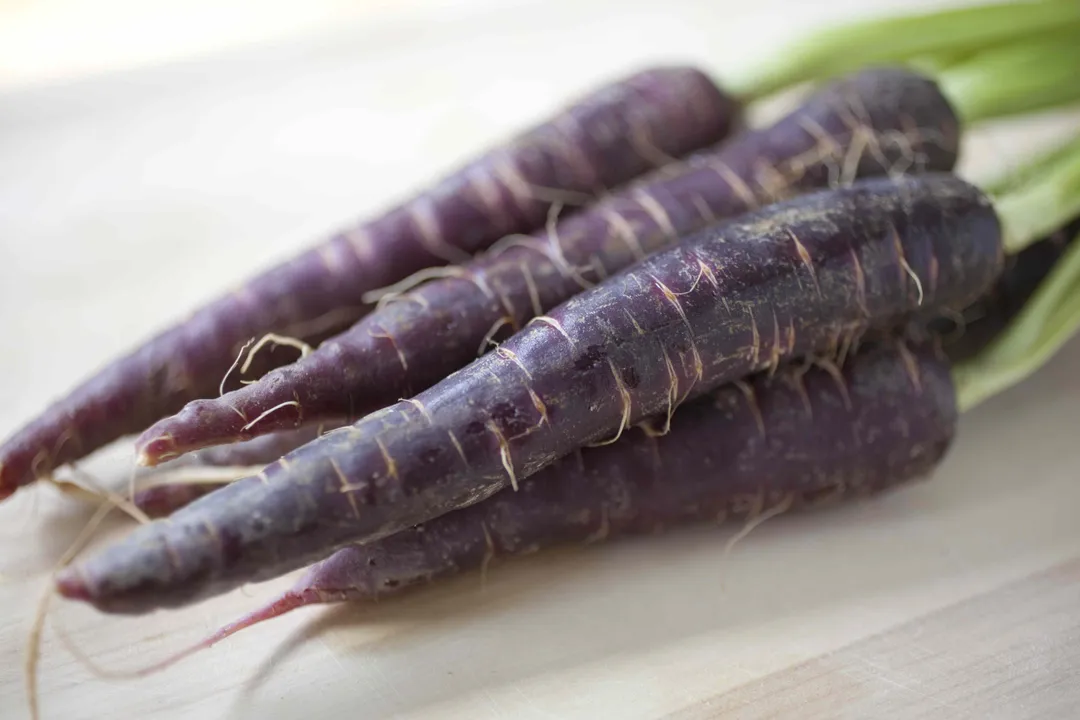
Anthocyanins, the key beneficial pigments in purple carrots, are chemically sensitive, being notoriously vulnerable to heat and water solubility, which causes them to leach out during extended cooking processes like slow simmering. To preserve the highest yield of these powerful antioxidants, cooking methods must prioritize speed and minimize contact with large amounts of water. A swift blanching process or, preferably, light roasting until the carrots are just tender is advised. Roasting is further enhanced when the carrots are tossed with a healthy oil, as this addition can assist in the absorption of other fat-soluble vitamins present within the vegetable structure.
Related Questions
What defining pigment separates purple carrots from orange, white, or yellow varieties?What specific cardiovascular benefits are linked to the anthocyanin load in purple carrots?Which essential component, crucial for digestive regulation and satiety, do purple carrots share with orange carrots?What nutrient, vital for vision care, do purple carrots still possess despite their dominant purple coloration?To maximize the intake of heat-sensitive anthocyanins, what cooking approach is recommended over slow simmering?Anthocyanins, the pigments defining purple carrots, belong to which broader group of powerful antioxidants?Why is consuming a mix of purple and orange carrots encouraged for comprehensive nutritional support?What nutritional drawback occurs when purple carrots are prepared using the juicing method?What characteristic of anthocyanins means they are prone to leaching out during prolonged boiling?What preparation temperature range and time estimate is provided for lightly roasting purple carrots to preserve pigment?