Anthocyanins, the pigments defining purple carrots, belong to which broader group of powerful antioxidants?
Answer
Flavonoids
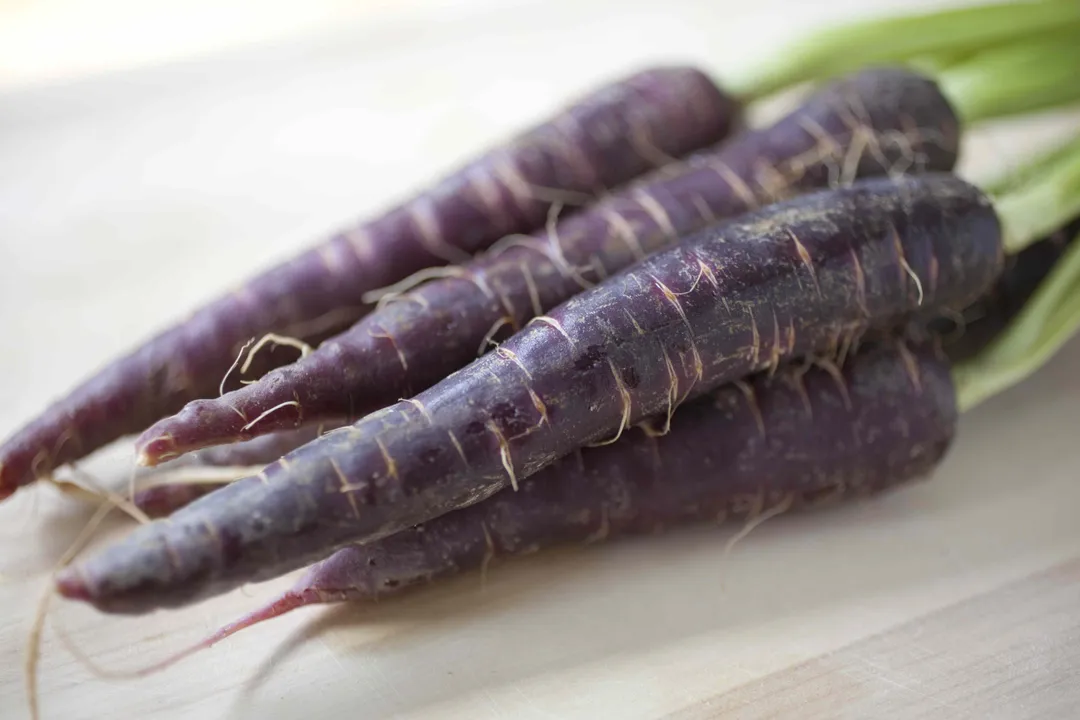
Anthocyanins are not a standalone class of compounds but are specifically identified as being a group within the broader category of flavonoids. Flavonoids are recognized widely in nutrition science for their potent antioxidant capabilities, which are responsible for the vibrant colors observed across various fruits and vegetables, such as blueberries and purple cabbage. Their presence in the purple carrot flesh indicates a high concentration of these phytonutrients, which are responsible for neutralizing damaging free radicals within the body, thereby offering substantial cellular protection that complements the foundational benefits derived from other carrot pigments.
Related Questions
What defining pigment separates purple carrots from orange, white, or yellow varieties?What specific cardiovascular benefits are linked to the anthocyanin load in purple carrots?Which essential component, crucial for digestive regulation and satiety, do purple carrots share with orange carrots?What nutrient, vital for vision care, do purple carrots still possess despite their dominant purple coloration?To maximize the intake of heat-sensitive anthocyanins, what cooking approach is recommended over slow simmering?Anthocyanins, the pigments defining purple carrots, belong to which broader group of powerful antioxidants?Why is consuming a mix of purple and orange carrots encouraged for comprehensive nutritional support?What nutritional drawback occurs when purple carrots are prepared using the juicing method?What characteristic of anthocyanins means they are prone to leaching out during prolonged boiling?What preparation temperature range and time estimate is provided for lightly roasting purple carrots to preserve pigment?