What natural compounds give darker, reddish-purple lettuce varieties their distinctive hue?
Answer
Anthocyanins
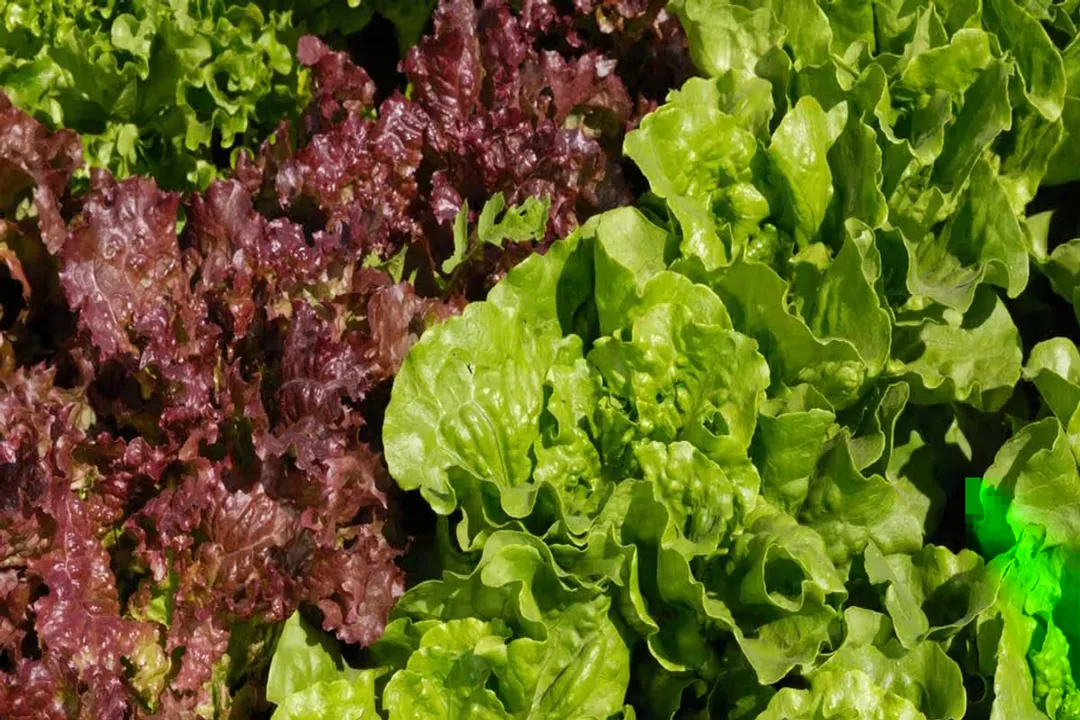
The characteristic vibrant purple or red coloration observed in certain lettuce cultivars is directly attributed to high concentrations of anthocyanins. These specific compounds are classified as natural antioxidants belonging to the broader flavonoid group. They are the chemical agents responsible for absorbing certain light wavelengths, resulting in the visible purple appearance. This pigment profile is what nutritionally differentiates these darker varieties from paler greens, which primarily rely on chlorophyll for their color. The presence of these anthocyanins signals a higher concentration of protective antioxidant compounds.
Related Questions
What natural compounds give darker, reddish-purple lettuce varieties their distinctive hue?What primary health benefits are associated with diets rich in anthocyanins found in red lettuce?What vital systemic functions rely on Vitamin K1 (phylloquinone) abundant in purple lettuce?How does processing lettuce into flour affect its phenolic content and antioxidant activity?Which specific carotenoid found in lettuce inhibits enzymes responsible for starch breakdown into glucose?What approximate percentage of water constitutes red leaf varieties of lettuce, contributing to their low-calorie nature?Which specific type of soluble fiber in lettuce actively works to reduce dietary cholesterol absorption in the gut?What anti-nutrient compound is absorbed by lettuce roots and can accumulate in higher concentrations in older leaves?What effect do specific glycosides isolated from lettuce show regarding nerve health in the brain cortex?What is the primary nutritional advantage purple lettuce offers over green types regarding phenolic compounds?