Health Benefits of Lettuce
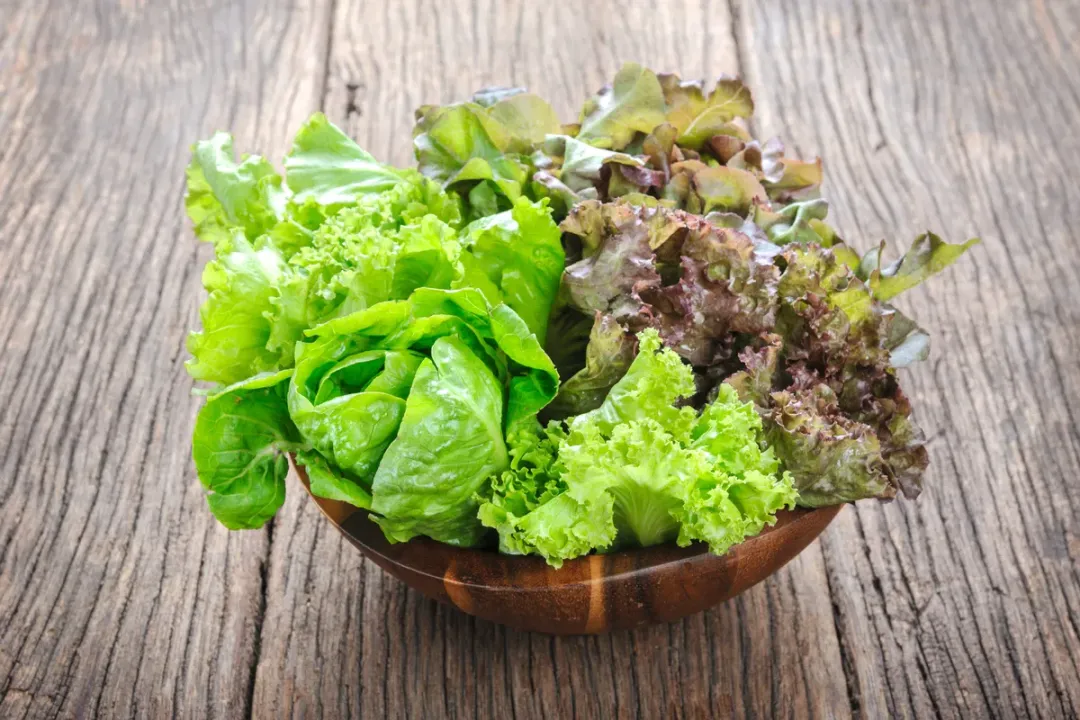
Lettuce, often relegated to the role of a simple, crunchy base for a salad, is far more than just a vehicle for dressing. This ubiquitous leafy green, scientifically known as Lactuca sativa L., actually carries a substantial payload of vitamins, minerals, and beneficial bioactive compounds that impact health from our vision down to our bones. [1][2] For millennia, dating back to ancient Egyptian cultivation, humans have recognized its value, though modern research continues to uncover the depth of its nutritional contributions. [2] What's immediately evident, regardless of the specific variety, is its remarkable composition: lettuce is overwhelmingly composed of water, often making up 94% to 95% of its total weight, which naturally makes it a low-calorie, hydrating choice. [2][4][7]
# Type Variation
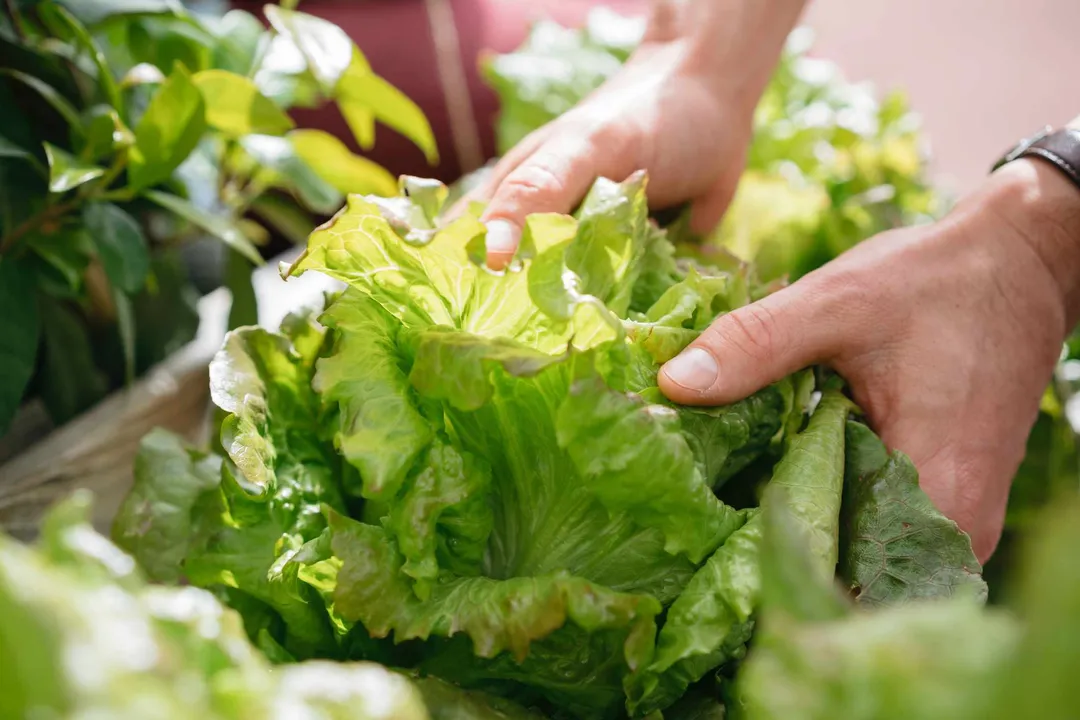
The world of lettuce is diverse, formally categorized into groups like Cos (Romaine), Butterhead, Crisphead (Iceberg), and Loose-Leaf. [1][3] These types differ significantly in texture, shape, and, crucially, their concentration of health-promoting elements. [1][2]
Crisphead, which includes the familiar Iceberg, forms a tight, dense head, giving its leaves a thick, crisp texture. [1][4] While it provides hydration and bulk, Iceberg is generally considered the least nutrient-dense variety compared to its counterparts. [3] Butterhead varieties, like Boston or Bibb lettuce, form a looser, small head with soft, buttery leaves. [2][4]
The Leaf lettuces, such as Red or Green Leaf, do not form a head, branching out loosely, making them more perishable during transport. [1][4] Romaine, or Cos, stands out with its oblong head composed of long, rigid, crunchy leaves, often noted for having a more apparent sweet flavor than other cultivars. [1][3][4]
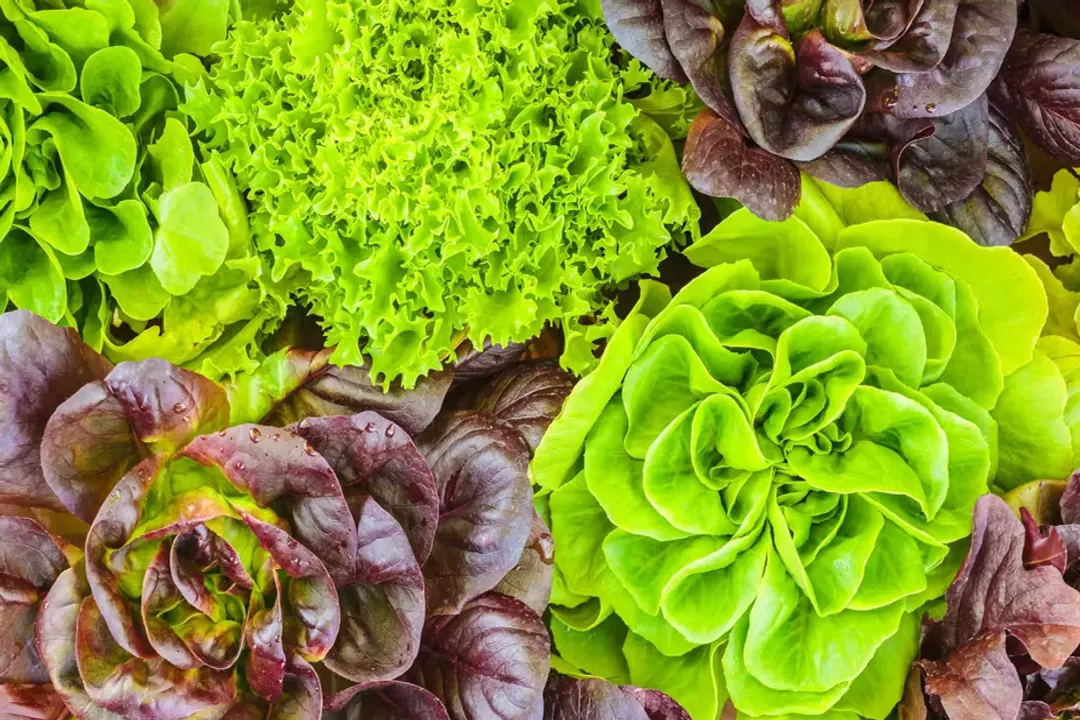
A key distinction lies between green and red varieties. Red leaf lettuce owes its coloring to anthocyanins, a type of flavonoid antioxidant. [1][7] Research suggests that red lettuce varieties often possess comparatively higher levels of phenolic compounds than green types, positioning them as a stronger dietary source of antioxidants. [1][4] However, it is important to note that nutrient composition is not always straightforward; while darker colors often signal greater nutritional power—with red and green leaf types outshining Iceberg in Vitamin A, K, and Lutein—studies on carotenoid content have sometimes shown conflicting results between red and green cultivars. [2][7]
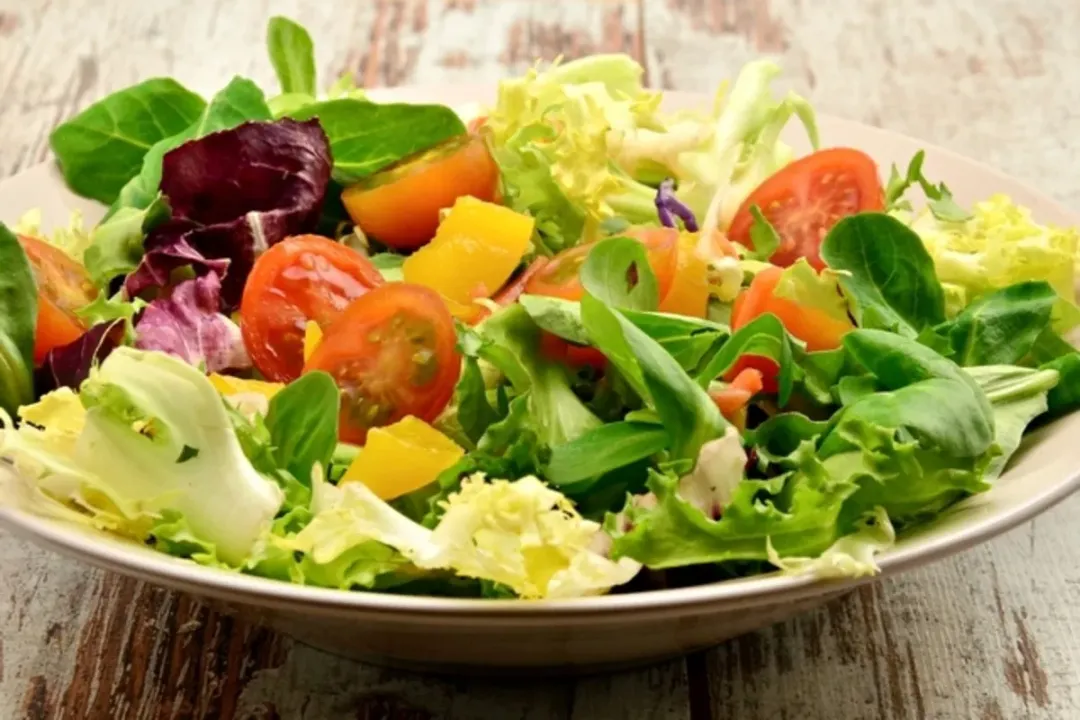
To maximize intake when building a meal, consider that lettuce types are not an all-or-nothing proposition. A constructive strategy is to mix varieties in a single serving, combining the high water and bulk of a crisphead with the antioxidant density of a red or dark green leaf lettuce, ensuring a wider spectrum of benefits in one sitting. [6]
# Vitamin Content
Lettuce acts as a significant source of several vital micronutrients, with the health benefits varying based on which specific variety is chosen. [3]
Vitamin K stands out as a nutrient found in high amounts across most common lettuces. [2][3] This fat-soluble vitamin is essential because the body requires it to activate proteins necessary for blood clotting and the construction and maintenance of strong bones. [2][7] For instance, a single cup of butterhead, loose leaf, or romaine can supply over 20% of the recommended daily value (DV) for Vitamin K, whereas Iceberg supplies slightly less, between 10% and 19%. [2] Adequate intake supports bone density and can lower fracture risk. [3][7]
Vitamin A, which the body derives from beta-carotene found in lettuce, is indispensable for a healthy immune system and good vision. [2][7] Romaine lettuce is particularly noted for its high Vitamin A content, providing about 82% of the DV per cup, while red leaf lettuce provides about 42% DV per cup. [3] This concentration is important for eye health, as Vitamin A helps prevent cataracts and may also slow age-related macular degeneration. [3][4]
Folate (Vitamin B9) is another crucial B vitamin found in lettuce, important for cell division and red blood cell production. [4][6] Romaine lettuce, specifically, has been reported to contain higher total folate levels than spinach in some comparisons. [1]
While lettuce also contains smaller, yet still beneficial, amounts of Vitamin C and minerals like iron and potassium, it generally should not be relied upon as a primary source for Vitamin C when compared to vegetables like cauliflower or broccoli. [1][3]

# Bioactive Compounds
Beyond standard vitamins and minerals, lettuce contributes to health through its array of bioactive phytochemicals, including polyphenols, carotenoids, and chlorophyll. [1][4]
# Phenolics and Antioxidants
Phenolic compounds are plant secondary metabolites that act as antioxidants, scavenging reactive oxygen species (ROS) which are linked to inflammation and senescence. [1] As mentioned, red lettuces generally contain higher levels of phenolics, including anthocyanins. [1][4] Lettuce contains various phenolic acids, such as chlorogenic acid and caffeic acid, and flavonoids like quercetin and kaempferol. [1] These compounds are heavily researched for their protective effects, including potential cardio-protective and anti-cancer properties. [1]
The antioxidant power is synergistic within the lettuce matrix itself; studies have shown that compounds like quercetin and -tocopherol can work together to inhibit polyphenol oxidase activity, suggesting a combination effect greater than the sum of its parts. [1] Furthermore, research indicates that the antioxidant activity, particularly the lipophilic kind, tends to increase dramatically from the stem toward the outermost leaves, suggesting these outer layers offer a higher concentration of protection against light exposure and oxidation. [1]
# Carotenoids and Chlorophyll
Carotenoids, which provide yellow-orange pigmentation, include -carotene and lutein. [1][2] Lutein, often called an "eye vitamin," specifically shields the eyes from sun damage. [2] Chlorophyll, the green pigment, is tied to the plant’s nitrogen content and is believed to possess anti-carcinogenic and anti-mutagenic properties due to its antioxidant capacity. [1] Interestingly, cultivars with open head structures, like Romaine, allow more light penetration, leading to potentially higher concentrations of light-dependent compounds like chlorophylls compared to closed-head types like Iceberg. [1]
# Systemic Support
The nutritional profile of lettuce supports several key physiological processes related to weight, hydration, and gut health.
# Hydration and Weight
With water comprising up to 95% of its mass, lettuce is an excellent tool for hydration. [2][3][7] This high water content, combined with its low caloric count (often fewer than 10 calories per cup), contributes significantly to satiety. [2][4][7] Findings suggest that integrating a small side salad before a main course can make individuals feel fuller, leading to a lower overall calorie intake during the meal, which aids in weight maintenance or loss. [2][5]
# Digestive Function
Lettuce is a source of dietary fiber. [1][4] Fiber, especially soluble types like pectin, can help manage lipid metabolism by reducing the absorption of cholesterol in the digestive tract. [1] Additionally, the combination of fiber and water helps add necessary bulk and moisture to stool, making lettuce a beneficial food for combating constipation. [4]
If you find some outer leaves are starting to look slightly past their prime—maybe a little limp or starting to brown at the edges—don't toss them immediately. These older leaves, having been more exposed to light, may even have concentrated antioxidant levels, and their slight degradation can actually release some beneficial compounds upon physical stress like cutting. [1] An actionable way to ensure you consume these potentially potent, less-than-perfect leaves is to blend them into smoothies or purée them into sauces, preventing food waste while capturing their nutritional value before they spoil. [1]

# Disease Defense
The antioxidant compounds in lettuce are implicated in protecting against numerous chronic conditions. Epidemiological studies frequently link the consumption of leafy greens to a lower incidence of diseases such as cancer and cardiovascular issues. [1]
# Heart Health
Lettuce consumption has been associated with a cardio-protective effect in animal models, potentially by improving cholesterol metabolism and plasma antioxidant ability. [1] Fiber aids this by reducing cholesterol absorption, while antioxidants like Vitamin E, C, and polyphenols defend the heart tissue against lipid peroxidation—a key step in atherosclerosis development. [1] Furthermore, the potassium and magnesium present support a healthy, relaxed heartbeat, and deficiencies in these minerals are linked to higher blood pressure and heart disease. [7]
# Anti-Cancer Potential
Lettuce contains nutrients like -carotene, Vitamin E, and folate, which have been associated with a lower risk of colorectal cancer in some observational research. [1] The polyphenols found in lettuce extracts have shown an ability to slow tumor growth in lab settings. [1] Certain studies on iodine-biofortified lettuce even showed that the resulting compounds could induce reactive oxygen species (ROS) in cancer cells, leading to programmed cell death. [1]
# Brain and Sleep
The presence of Vitamin K, lutein, and folate in leafy greens, including lettuce, has been linked to slowing cognitive decline associated with aging. [6] In fact, one study noted that people consuming more raw vegetables had lower rates of depression and higher life satisfaction, with lettuce ranking among the top raw foods linked to better mental health outcomes. [3] Additionally, while research is still needed on lettuce in its natural form, extracts from multiple types have been shown in studies to have a sleep-promoting effect. [3]
# Absorption Factors
Even the presence of beneficial compounds does not guarantee their effect; their bioavailability—the extent to which they reach the circulatory system—is critical. [1] The digestive process itself plays a large role. Phenolic compounds are often bound as esters or glycosides in their natural state, requiring hydrolysis by enzymes or the gut microbiota before they can be absorbed across intestinal membranes. [1]
Carotenoids, being fat-soluble, rely on the formation of mixed micelles within the digestive tract to be transported to the intestinal epithelium, making the presence of dietary fat important for their absorption. [1] This is why eating lettuce with a dressing or a source of fat (like nuts or seeds) is more effective than eating it plain from a bioavailability standpoint. [6] The varied pH environments from the mouth through the stomach and intestines also cause molecular transformations that affect the final chemical characteristics and activity of these compounds. [1]
# Risks and Safety
While the benefits are substantial, consumers must be aware of potential downsides related to both anti-nutrients and food safety.
# Anti-Nutrients
Lettuce contains compounds like nitrates, oxalates, tannins, and phytates, which can inhibit the absorption of certain micronutrients. [1] Nitrates are naturally present, transported via the xylem from the roots to the leaves, meaning older, larger leaves can accumulate higher concentrations than younger ones. [1] While nitrate is essential for the plant, excessive human intake is concerning, as it can potentially lead to carcinogenesis or infantile methemoglobinemia. [1][5]
Furthermore, lettuce contains alkaloids, which are natural bitter compounds. [1] In large doses, specific alkaloids like tropane alkaloids can cause physiological effects ranging from a rapid heartbeat to paralysis. [1] Tryptamine content in lettuce has also been found to be relatively high compared to other vegetables, and excessive ingestion could lead to severe symptoms. [1]
# Contamination Concerns
A practical consideration for all raw leafy greens is the risk of bacterial contamination. Outbreaks involving E. coli have been linked to lettuce, often stemming from agricultural runoff. [3] To mitigate this risk—and maximize the safety of enjoying lettuce raw—thorough washing is mandatory. [4] Beyond washing, safe food handling practices are essential: keep lettuce separate from raw meat, use dedicated cutting boards for vegetables, and refrigerate prepared salads promptly. [4]
Ultimately, lettuce provides a high-volume, low-calorie method to boost essential dietary components, particularly when opting for darker, more richly pigmented varieties. [2] The key to unlocking its wide array of potential cardio-protective, anti-diabetic, and anti-aging benefits lies in appreciating the nutrient differences between types and optimizing how they are consumed to ensure the bioactive load is successfully delivered to the body. [1]
Related Questions
#Citations
Lettuce: Health Benefits, Nutrients, Preparation, and More - WebMD
Is Lettuce Good for You? - Health Cleveland Clinic
5 Benefits of Lettuce—and Easy Ways To Add It to Your Diet - Health
10 Lettuce Benefits (plus Lettuce Types, Nutrition & Recipes)
Phytochemicals, Nutrition, Metabolism, Bioavailability, and Health ...
Lettuce Nutrition Facts | Nutrient Benefits of Leafy Greens
9 Health and Nutrition Benefits of Red Leaf Lettuce - Healthline
Lettuce | Health and Social Services