Health Benefits of Miner’s Lettuce

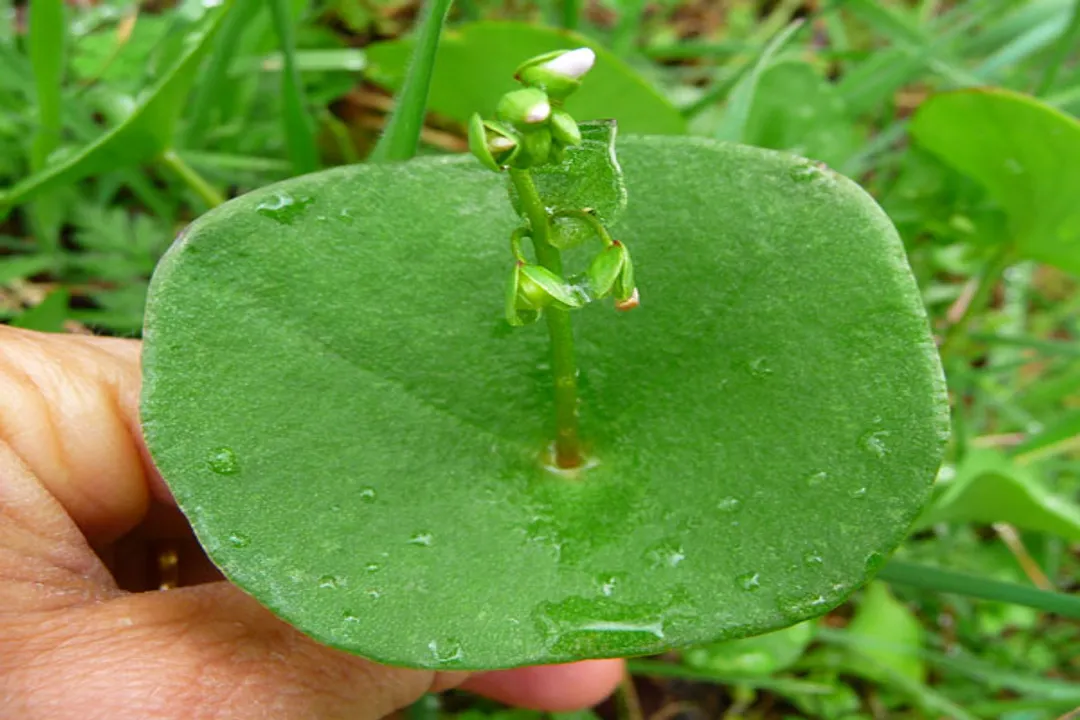
Miner's Lettuce, scientifically known as Claytonia perfoliata or Montia perfoliata, carries a name that immediately suggests a history tied to necessity and sustenance in rugged environments. [1][5] This unassuming green has been a welcome sight for foragers and gold rush participants alike, providing essential moisture and nutrition when little else was available. [9] Unlike typical lettuce varieties, this plant features a unique appearance, often recognized by its round, cup-shaped leaves with the flower stalk emerging right through the center, giving it a distinctive, almost saucer-like look. [2][4] While it’s known by several names, including winter purslane or spring beauty, its historical significance as a survival food for miners in the American West—who relied on it to ward off scurvy—is what solidified its common moniker. [1][5] Today, this resilient annual is appreciated not just for its heritage but for the gentle, refreshing taste it brings to modern tables and its collection of beneficial compounds. [4][7]
# Nutritional Density
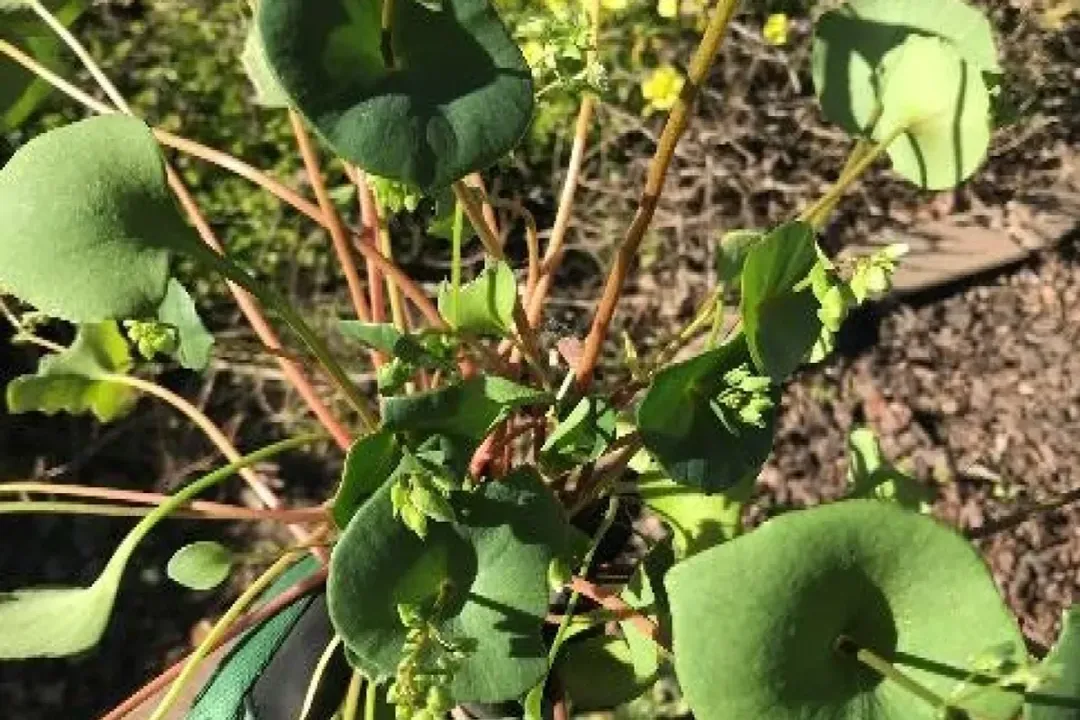
The primary reason this wild green earns its place in contemporary health discussions is its impressive nutrient profile, especially considering its mild flavor. [1][7] Historically, its ability to combat scurvy points directly to a high content of Vitamin C, a critical component for immune function and collagen synthesis. [5] Beyond this well-known benefit, Miner's Lettuce is also a source of Vitamin A, which is vital for vision and cell growth. [1][7]
When comparing its profile to more commonly cultivated greens, such as mature spinach, one finds interesting overlaps and distinctions. While both offer excellent sources of certain vitamins, Miner's Lettuce frequently shines in its Vitamin C concentration when harvested young, making it a surprisingly potent addition to a winter or early spring diet when citrus is less abundant. [9] It also contains meaningful amounts of iron, an essential mineral often sought in leafy greens. [1][5] Furthermore, the plant contains beneficial antioxidants, substances that help protect the body's cells from damage caused by free radicals. [5][7]
Here is a brief overview of key nutritional components often found in edible portions of Miner's Lettuce:
| Nutrient | Primary Function | Source Index |
|---|---|---|
| Vitamin C | Immune support, antioxidant | [1][5] |
| Vitamin A | Vision, cell regulation | [1][7] |
| Iron | Oxygen transport | [1][5] |
| Antioxidants | Cell protection | [5][7] |
This combination of vitamins means that consuming this plant offers broad support for the body’s foundational maintenance systems. [7]
# Digestive Health
The structure of Miner's Lettuce contributes positively to digestive wellness primarily through its fiber content. [5] While the fiber level might not rival that of dedicated high-fiber vegetables, its presence in a fresh, raw state supports regular bowel movements. [5][7] The gentle nature of the leaves means they are easy to digest, providing bulk without the harshness sometimes associated with tougher greens. [9]
For those managing dietary intake, incorporating a handful of raw Miner's Lettuce into a salad is a straightforward way to increase daily vegetable consumption without drastically altering the texture of a meal. [8] Considering that many edible wild greens can be slightly bitter or strongly flavored, the mild, slightly sweet, and succulent taste of Claytonia perfoliata makes it an excellent substitute for more assertive greens, encouraging consistent, daily intake of valuable roughage. [4]

# Skin and Tissue Support
The classic benefit of Vitamin C—preventing scurvy—is intrinsically linked to skin health, as this vitamin is crucial for the synthesis of collagen. [5] Collagen is the main structural protein in the body, fundamental for maintaining the integrity of skin, blood vessels, bones, and cartilage. [7] By supplying this necessary vitamin, Miner's Lettuce aids in the repair and maintenance of tissues throughout the body. [1]
An interesting point to consider when preparing this green is how its nutritional value interacts with preparation methods. Because Vitamin C is water-soluble and sensitive to heat, consuming the leaves raw or very lightly blanched ensures maximum retention of this crucial nutrient. [1] For instance, blending a small amount into a morning smoothie, even if the flavor is mild, ensures you are getting the full impact of the Vitamin C content, something that boiling or heavy sautéing might diminish significantly. [7] This contrasts with some other nutrients like Vitamin A, which are often better absorbed when the plant material is lightly cooked with a small amount of fat.
# Historical Context and Foraging Wisdom
The story of Miner's Lettuce is deeply intertwined with early American history, illustrating the deep expertise of individuals who understood botany out of necessity. [9] The gold miners of California, facing diets often lacking fresh produce during long stints in the field, relied on finding this plant growing in damp, shady areas during the cooler months. [3][5] This reliance wasn't sentimental; it was a direct survival strategy against diseases associated with vitamin deficiency. [1]
When foraging for Miner's Lettuce today, it is important to recognize its preferred growing conditions, which often provide clues to its location. [2] It tends to thrive in moist, shaded spots, frequently appearing as early as late winter or early spring, sometimes even persisting into early summer depending on the region and weather patterns. [2][8] For those interested in cultivating it, this preference for cooler, moist, shaded conditions remains true, making it a useful cool-season crop in home gardens. [8]
If you are identifying this plant in the wild, remember the characteristic structure: the leaves are nearly circular, and the tiny, often pale pinkish-white flowers sprout from the center of that disc. [2][4] Always exercise caution: while sources confirm Claytonia perfoliata is the edible variety, never consume any wild plant unless you are absolutely certain of its identification. [3][6] Cross-contamination with other, potentially toxic, species is a serious risk in any foraging situation. [6]
# Culinary Adaptability
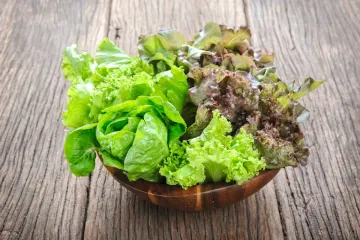
While its initial role was medicinal and survival-based, Miner's Lettuce has transitioned smoothly into contemporary cuisine due to its pleasing texture and mild flavor. [4] The taste is often described as subtle, slightly sweet, and very refreshing, lacking the bitterness found in many other wild or cultivated salad greens. [4][7]
The plant can be used in numerous ways:
- Raw in Salads: This is the most common and direct application, allowing the leaves and stems to retain their crispness. [4]
- Sandwich/Wrap Filler: Use it as a tender layer in place of standard lettuce, where its structure holds up reasonably well. [8]
- Lightly Cooked: While heat reduces Vitamin C, quick wilting in soups or stir-fries can soften the texture and is acceptable if you are prioritizing mineral intake or texture change over maximizing Vitamin C. [1]
- Pesto: For the more adventurous cook, blending it with nuts and oil can create a unique, lighter-tasting pesto, although pairing it with other herbs might be necessary to boost the overall flavor profile. [9]
Thinking about substituting it in recipes requires a small adjustment for texture. Because the leaves are succulent and hold water well, they won't wilt as quickly as delicate spring mix but won't have the crunch of iceberg lettuce. When using it in a slaw, a light massage with a small amount of lemon juice and salt can help soften the leaf structure just enough before mixing with other vegetables, improving overall mouthfeel without resorting to heat. [4]
# Growing and Sourcing
For those outside areas where Miner's Lettuce naturally occurs, or who prefer the certainty of home cultivation, growing it is generally straightforward. [8] As a cool-season annual, it prefers conditions that mimic its native habitat: cooler temperatures and some shade, especially during the warmer parts of the day. [2][8] Planting seeds in the late fall or very early spring can yield harvests before the summer heat causes the plant to bolt (go to seed). [2]
If direct sourcing is preferred, checking with local specialty grocers or farmers' markets during the late winter or early spring months might yield finds, as its commercial recognition grows. [4] However, because it is not a high-volume commercial crop like romaine or iceberg, availability can be sporadic and geographically dependent. [6] Its status as a seasonal wild green means that enjoying it is often tied to the specific calendar window when it naturally emerges. [9] Maintaining a consistent year-round intake might require growing it hydroponically or in a temperature-controlled environment, though its primary health advantages are best realized when eaten fresh during its natural season. [2]
# Safety and Interactions
While Miner's Lettuce is generally regarded as safe and beneficial when consumed as food, [1] any discussion of consuming wild-harvested edibles must include a note on safety and potential interactions. [6] As mentioned before, correct identification is paramount. [6] Beyond misidentification, the nutritional composition of certain wild plants can sometimes interact with medications or pre-existing conditions. [5]
For instance, due to its Vitamin K content (which aids in blood clotting), individuals taking blood-thinning medications like Warfarin should always consult their healthcare provider before making significant changes to their intake of green leafy vegetables, even beneficial ones like Miner's Lettuce. [5] While not explicitly listed as having severe interactions, the general rule for introducing any new, concentrated source of vitamins and minerals into a daily regimen is moderation and consultation if chronic health issues are present. [5][7] The dosage is usually tied to its consumption as a vegetable rather than a concentrated supplement, making severe issues rare, but awareness remains important for complete understanding. [5]
Related Questions
#Citations
Harvesting Miners Lettuce, A Wild Green Superfood
Herb Study: Miner's Lettuce (Winter Purslane) | Garden Notes
Miner's Lettuce, a Native Edible Plant with Nutritional Value, in ...
Miners Lettuce Information and Facts - Specialty Produce
Miners Lettuce Benefits: Uses, Dosage, Side Effects & Interactions
Miner's Lettuce: A Wild and Nutritious Green Delight
Miner's Lettuce - Healthier Steps
Why You Should Grow Miner's Lettuce - Growing with Nature
Munching through the Woods - Holistic Nutrition