What specific pigments give purple asparagus its characteristic hue?
Answer
Anthocyanins
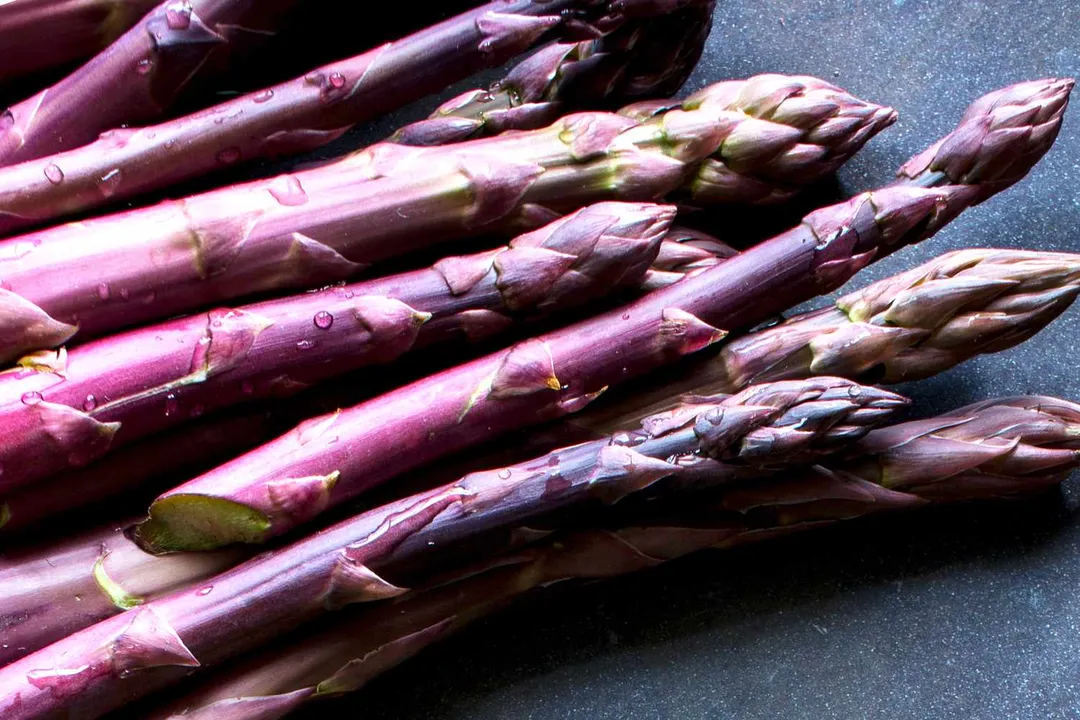
The vibrant purple tint observed in this asparagus variety is directly attributable to the presence of anthocyanins. These compounds are powerful pigments naturally occurring in plants, famously responsible for the rich coloration seen in foods such as blueberries, red cabbage, and grapes. Anthocyanins are classified within the larger family of flavonoids, which function critically as potent antioxidants within the human biological system. The concentration of these specific water-soluble pigments is the defining chemical feature that differentiates the nutritional profile of purple asparagus from its standard green counterpart.
Related Questions
What specific pigments give purple asparagus its characteristic hue?What nutritional trade-off correlates with the significantly sweeter taste profile of purple asparagus?Which cooking preparation methods are considered superior to boiling for retaining the valuable anthocyanins in purple asparagus?What is the role of olive oil when briefly roasting purple asparagus spears, according to nutrient absorption principles?What is the critical function of Folate (Vitamin B9) found significantly in asparagus, especially concerning fetal development?Which mineral found in asparagus helps in balancing sodium levels to support cardiovascular health?What characteristic shared across all colors of asparagus is intrinsically linked to its natural diuretic effect?When selecting purple asparagus at the market, what visual quality serves as a practical indicator of higher anthocyanin content?What is the recommended storage practice for purple asparagus spears to maintain their crispness and minimize moisture loss?What key benefit does Vitamin K provide, for which asparagus spears are noted to be rich?When consuming purple asparagus raw in a grain bowl, what inherent quality of the vegetable enhances the dish's overall profile?