Health Benefits of Asparagus
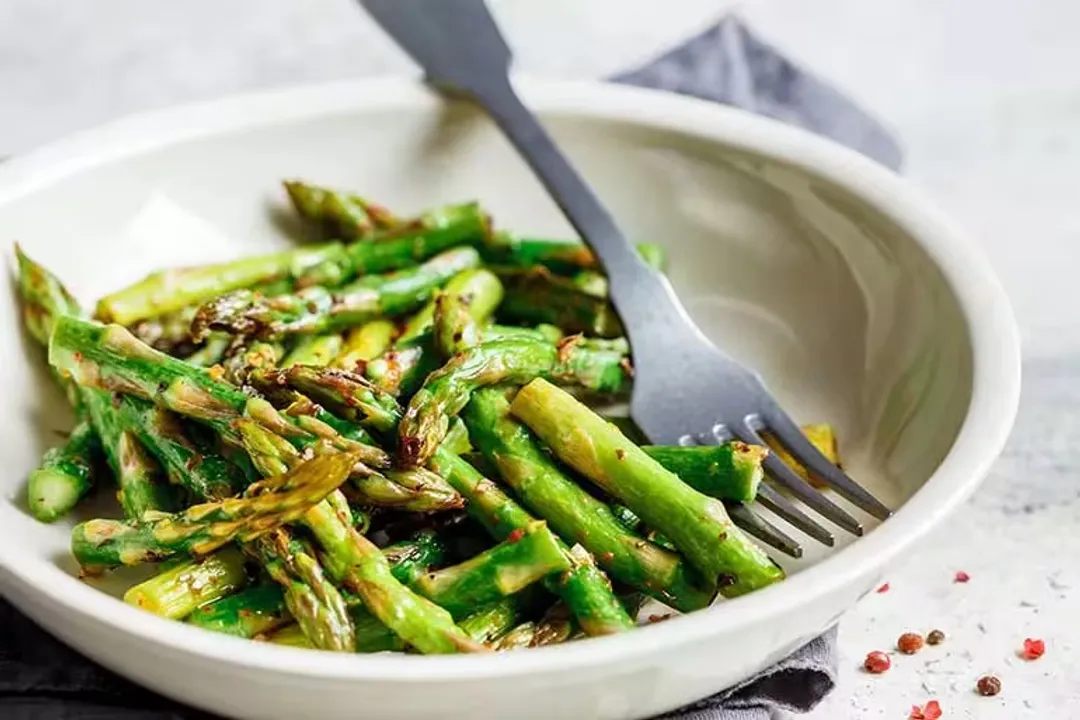
The arrival of asparagus, often called the “king of vegetables,” signals a rewarding addition to the table, offering far more than just its distinct, delicate flavor. This perennial spear vegetable, which comes in popular green, milder white, and pigment-rich purple varieties, has been cultivated for millennia, with ancient Egyptians, Greeks, and Romans all recognizing its value. Today, modern nutrition science continues to unpack why this low-calorie staple deserves a prominent place in our diets, revealing a powerful profile of vitamins, minerals, and unique bioactive compounds.
# Nutrient Density Low Calorie
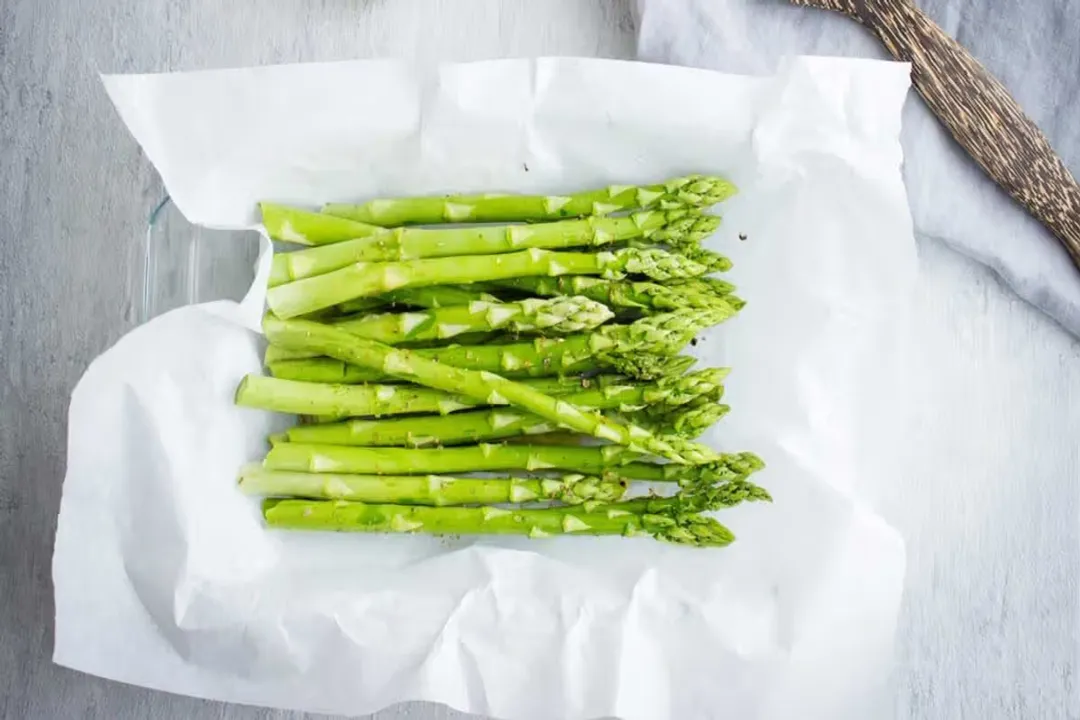
Asparagus is remarkably light on calories yet packed with essential nutrients, making it a highly efficient food choice. For instance, a standard cup of raw asparagus contains roughly 27 calories, while a half-cup serving of the cooked vegetable hovers around 20 calories. Given that raw asparagus is composed of about 93.5% water, this concentration of nutrients within its relatively low volume is significant.
The nutritional scorecard for asparagus reveals several key strengths. It is an excellent source of Vitamin K, crucial for both healthy blood coagulation and bone maintenance. Furthermore, it is exceptionally high in folate (Vitamin B9). A serving of just 10 cooked shoots can supply nearly half of the recommended daily intake for folate. It also provides substantial amounts of Vitamins A and C, alongside Vitamin E, which contributes to immune system support.
Beyond vitamins, asparagus delivers minerals vital for cardiovascular function, including potassium. It also contains notable amounts of iron, copper, magnesium, and selenium. When assessing its value against other common greens, asparagus stands out in specific areas; for example, it contains slightly more fiber, magnesium, and selenium than broccoli, though broccoli may be higher in Vitamin C.
# Digestive Support Fiber
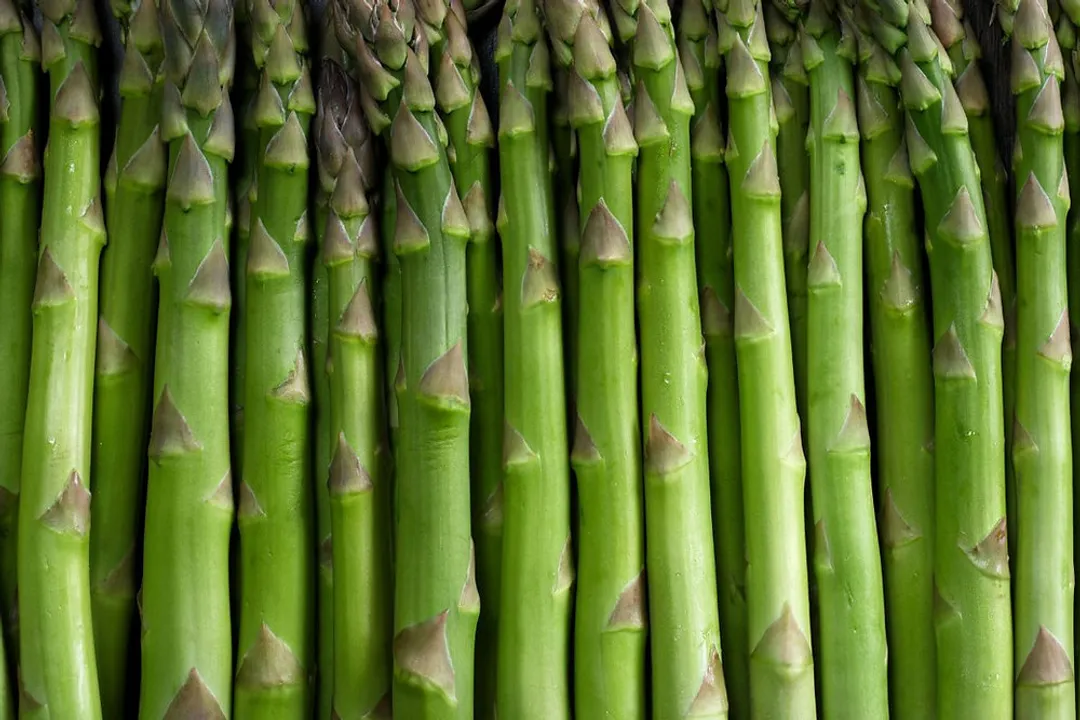
The dietary fiber content in asparagus is a cornerstone of its benefits for gut health. A half-cup portion can provide nearly 2 grams of fiber, contributing meaningfully to the daily recommended intake of roughly 20 grams in European guidelines. Asparagus offers a mix of both soluble and insoluble fiber. The insoluble type acts as a bulking agent, helping stools pass more easily and supporting regularity, which can help ward off chronic constipation.
More specifically, asparagus contains inulin, a type of soluble fiber recognized as a prebiotic. Prebiotics are non-digestible carbohydrates that selectively feed beneficial bacteria, such as Lactobacillus and Bifidobacteria, within the gut microbiome. By promoting a healthier balance of these good microbes, asparagus aids in comfortable digestion and can help reduce excessive gas production. While animal studies hint at a laxative effect, the established role of its fiber and inulin content strongly supports overall digestive maintenance.
If we consider the entire plant, the density of fiber is even more striking; spear by-products—parts often discarded—show total dietary fiber values nearly double that of the edible portion. This observation highlights that even when consuming the edible spears, you are getting a concentrated dose of gut-supporting material relative to the vegetable's high water content.

# Powerful Antioxidants Cell Defense

Asparagus is celebrated for its high concentration of antioxidants, compounds essential for neutralizing cell-damaging free radicals and mitigating oxidative stress, which is linked to aging and chronic disease. Its antioxidant capacity is well-documented; one analysis placed asparagus seventh among 34 fruits and vegetables tested for its ability to scavenge free radicals.
The antioxidant strength comes from several sources. It contains beneficial flavonoids such as quercetin, isorhamnetin, and kaempferol. Furthermore, the spears are a source of glutathione, an antioxidant utilized by nearly every cell in the body. Purple asparagus is particularly notable because its vibrant hue comes from anthocyanins, pigments that also possess potent antioxidant effects, potentially benefiting heart health.
The specific phytochemical makeup can slightly shift based on color. For example, green asparagus extracts show high concentrations of rutin, a key flavonoid, whereas white asparagus typically contains lower amounts. In studies examining various extracts, researchers noted that different chemical extractions demonstrated high reducing power, suggesting that the way these compounds are accessed can influence their observed activity.
# Cardiovascular Health Blood Pressure
The vegetable supports the cardiovascular system through several nutritional mechanisms, primarily involving its folate and potassium levels. The presence of folate is significant because it helps manage levels of homocysteine, an amino acid whose high concentrations are associated with an increased risk of heart disease.
The potassium content aids in blood pressure regulation. Potassium works by helping the body excrete excess sodium—a primary contributor to elevated blood pressure—and by helping to relax the tension in blood vessel walls. In animal models, a diet rich in asparagus was shown to lower blood pressure and also decrease the activity of the angiotensin-converting enzyme (ACE). Since ACE narrows blood vessels, naturally reducing its activity is analogous to the effect of prescription ACE inhibitor medications, although this requires further study in humans.

# Folic Acid Pregnancy Planning
Asparagus is an exceptional source of folic acid (Vitamin B9), making it a highly recommended food for those planning for or currently experiencing pregnancy. Folic acid is indispensable for synthesizing new cells and forming DNA. For a developing fetus, adequate folate is critical for preventing severe neural tube defects, such as spina bifida, in the brain and spine. A modest intake of four spears can deliver approximately 22% of the daily recommended folic acid intake for non-pregnant adults. A review noted that women who supplemented with folic acid prior to conception saw a reduced likelihood of having a premature birth.
This highlights a practical application for this vegetable. Given the importance of building up folate stores before conception, incorporating asparagus into regular meals during pre-conception planning provides a reliable, natural source of this essential B vitamin.
# Unique Compounds Chemical Signatures
Asparagus possesses unique chemical signatures that contribute both to its taste and its biological activity. One of the most notable is asparagusic acid, a sulfur-containing compound that gives asparagus its characteristic, pungent odor when metabolized by the human body. This acid features a distinct 1,2-dithiolane ring system. Other sulfur-containing compounds, such as asparaptine, have been detected in the spears and have shown the capacity to inhibit angiotensin-converting enzyme (ACE) in vitro.
The vegetable is also rich in various saponins, like protodioscin, which contributes to its bitter flavor. These saponins have been studied extensively for potential health properties, including anti-tumor and hypolipidemic effects observed in laboratory settings.
# Liver Protection Hangover Aid
Though often counterintuitive when feeling unwell, asparagus may offer benefits for those recovering from alcohol consumption. Research utilizing cell cultures has suggested that the combination of minerals and amino acids found in asparagus extract can help decrease the unpleasant sensations associated with a hangover. More importantly, studies indicate that compounds within asparagus may help protect liver cells from the toxic effects associated with alcohol breakdown. Interestingly, this protective action may involve the fern-like tips, a part of the plant frequently trimmed off before cooking, suggesting that using the whole spear could maximize potential benefits.
# Comparing Color Variations
The three primary colors of asparagus—green, white, and purple—are derived from how the spear develops. Green shoots grow exposed to light, while white ones are grown buried in soil to block photosynthesis. This difference in development affects their chemical composition.
- Green: The most commonly consumed variety in the U.S., it has a somewhat grassier flavor.
- White: Generally reported as having a milder and more delicate taste, sometimes with a touch more bitterness.
- Purple: This color signals the presence of anthocyanins, which are powerful pigments that also function as antioxidants. Purple asparagus tends to exhibit stronger antioxidant properties than its green or white counterparts.
# Considerations for Consumption and Preparation
While the research on asparagus frequently points to promising activities like anti-diabetic, anti-cancer, and antimicrobial effects, it is essential to note that many of these compelling observations are currently limited to in vitro (test tube) studies or animal models like rats and mice. Clinical evidence in humans remains an area for future investigation.
When preparing this nutritious vegetable, a few considerations can enhance both flavor and nutrient uptake. Steaming is frequently cited as one of the healthiest cooking methods because it helps preserve the majority of the nutrient content, unlike methods where water-soluble vitamins might leach out into the cooking liquid. Conversely, gentle heating methods, like roasting or sautéing, can sometimes increase the antioxidant properties of asparagus. Since Vitamin E is fat-soluble, pairing asparagus with a healthy fat source, such as a drizzle of olive oil during roasting, can improve your body's ability to absorb this important antioxidant.
Finally, for anyone taking anticoagulant medications like warfarin, moderation is advised. Because asparagus is an excellent source of Vitamin K, which is necessary for clotting factors, high consumption could potentially interfere with the effectiveness of these blood thinners. Always consult with a healthcare professional regarding dietary changes when managing prescription medications.
Related Questions
#Citations
Top 7 Health Benefits of Asparagus - Healthline
9 Health Benefits of Asparagus - Nutrition
[PDF] The Health Benefits of Asparagus
A Review of the Pro-Health Activity of Asparagus officinalis L. and Its ...
Health Benefits, Foraging and 20 Ways to Use Asparagus In Cooking
The Healthy, Sexy Side of Asparagus - Michigan Farm Fun
Is Asparagus Good for You? - Health Cleveland Clinic
10 health benefits of asparagus nutritionists talk about - Vinmec