Health Benefits of Black Radish
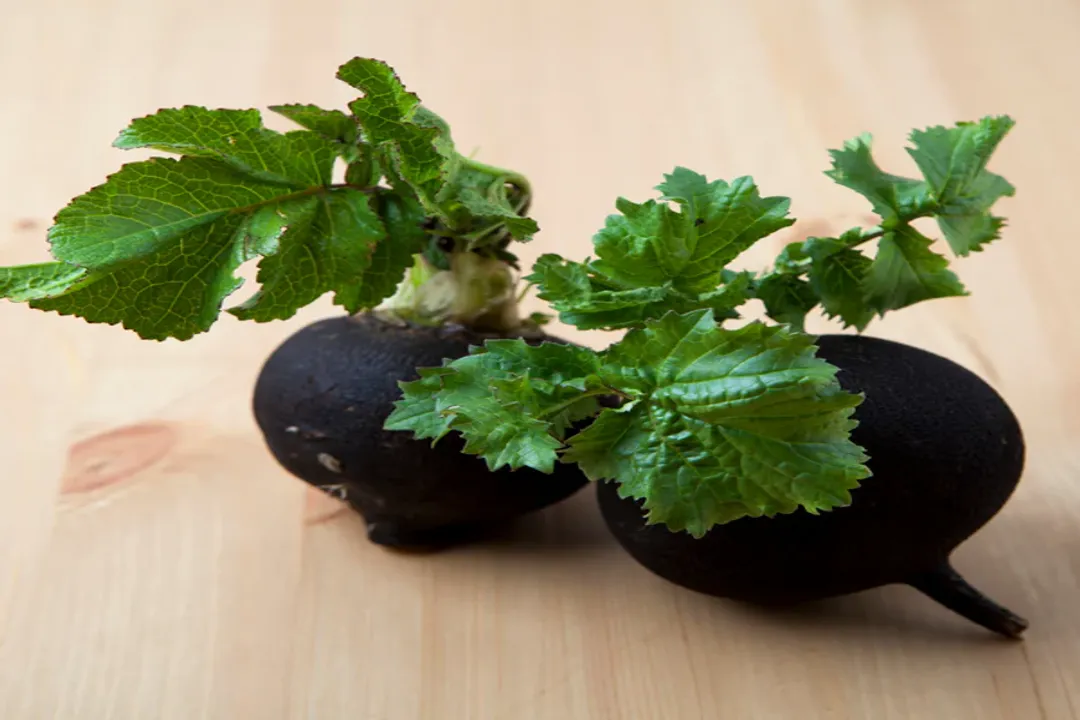
The Spanish Black Radish, or Raphanus sativus var. niger, is far more than just a sharp-tasting root vegetable; it represents a venerable tradition in natural health practices that spans centuries. [1][4] While modern pantries often favor the milder, crisp pink or red varieties, this dark-skinned cousin holds a special place in historical herbalism, frequently cited for its potent effects, especially concerning the respiratory system. [1][5] Its robust flavor profile often hints at the concentrated compounds held within its black exterior, making it a subject of interest for those seeking vegetable-based remedies. [3][6] The practice of incorporating this vegetable into wellness routines is hardly new, as it has been recognized across various cultures as a powerful ally, particularly during the colder months when immune and respiratory concerns become more prevalent. [1][5]
# Historical Roots
The long-standing application of black radish roots the vegetable firmly in the realm of traditional medicine, suggesting a long history of observed efficacy. [4][5] It has been referenced in historical texts as a common remedy, particularly in European folk medicine, where it was valued for its ability to address congestion and support internal cleansing processes. [1][3] Compared to its brighter cousins, the black variety, sometimes referred to as the winter radish, was specifically chosen for these therapeutic applications, perhaps due to its stronger flavor intensity implying greater potency. [5] It’s worth noting that while many modern sources focus on its culinary versatility today—sometimes eaten raw or grated—its historical documentation leans heavily toward its use as a medicinal preparation. [1][7]
# Nutritional Profile

The perceived medicinal strength of the black radish is underpinned by a notable nutritional composition. [3] It is particularly renowned for its significant Vitamin C content, a well-established antioxidant that contributes to overall well-being and immune function. [1][5] Beyond Vitamin C, the root supplies a good range of essential minerals necessary for various bodily functions. [1]
Key nutritional components often cited include:
- Vitamins: Primarily Vitamin C. [5]
- Minerals: Potassium, magnesium, calcium, phosphorus, and iron are present in varying amounts. [3]
- Active Compounds: The radish contains glucosinolates, which are sulfur-containing compounds that give cruciferous vegetables their characteristic pungent taste and are often studied for their biological activities. [3][5]
When comparing this to a common household staple like an orange, a single serving of black radish might offer a surprisingly high percentage of the recommended daily intake of Vitamin C, emphasizing its role as a nutrient-dense food, not just a flavor enhancer. [1] The presence of these sulfur compounds is particularly relevant when discussing its traditional applications for clearing phlegm, suggesting a direct chemical interaction that aids in expectoration. [5]
# Respiratory Relief
Perhaps the most consistently documented benefit of consuming black radish is its application in managing respiratory complaints, such as coughs, colds, and bronchitis. [1][3][6] It is often highlighted for its mucolytic properties—the ability to thin and clear mucus and phlegm from the respiratory tract. [3][5]
The traditional preparation often involves macerating the radish, frequently by grating it and mixing it with honey. [1][5] This combination is not merely for palatability; the honey offers its own soothing properties for the throat, while the radish extracts are thought to work systemically or topically on the throat lining to break up congestion. [5] This dual-action approach, using the radish's active principles alongside a natural demulcent like honey, is a classic example of synergistic herbal pairing. [1]
It’s an interesting point of difference: while many common root vegetables offer general vitamin support, the black radish is singled out specifically for its targeted action on the lungs and airways, positioning it almost as a natural expectorant. [6] For someone experiencing persistent chest congestion, incorporating this root, perhaps in a syrup form prepared over several hours, might offer noticeable relief due to the nature of its sulfurous components. [5]
# Digestive Support
The impact of black radish extends deeply into the digestive tract, where its constituents are believed to offer several advantages. [1][3] Its fiber content contributes positively to digestive regularity. [3] More significantly, it is often noted for stimulating the production of digestive juices and bile. [1][5]
This stimulation of bile flow is crucial because bile is essential for the proper digestion and absorption of fats, and its movement can help keep the entire digestive transit system functioning smoothly. [3] Furthermore, some traditional uses position black radish as a general detoxifying agent or diuretic, aiding the body in eliminating waste products. [1][5] When consuming a dense meal, the sharpness of the black radish, eaten raw with a simple dressing perhaps of a light oil and a touch of vinegar, may help the stomach process the food more efficiently by encouraging the release of these necessary digestive aids. [7]
# Liver Function
Related to its role in stimulating bile production is the traditional association between black radish and the health of the liver and gallbladder. [1][3][5] The liver is the body's primary detoxification organ, and by encouraging the flow of bile—which carries processed toxins out of the body—the root is thought to support this vital organ's workload. [3]
In historical contexts, regular, moderate consumption was sometimes recommended not just for acute illness but as a tonic to maintain liver vitality. [1] While modern science often focuses on specific plant compounds, the collective wisdom points to the black radish as a vegetable that encourages the flow and cleansing action related to these essential abdominal organs. [5] It is important to distinguish this supportive, flow-encouraging action from treatments for severe gallbladder disease, as the radish serves as a nutritional and functional promoter rather than a pharmaceutical intervention. [3]
# Potency Comparison
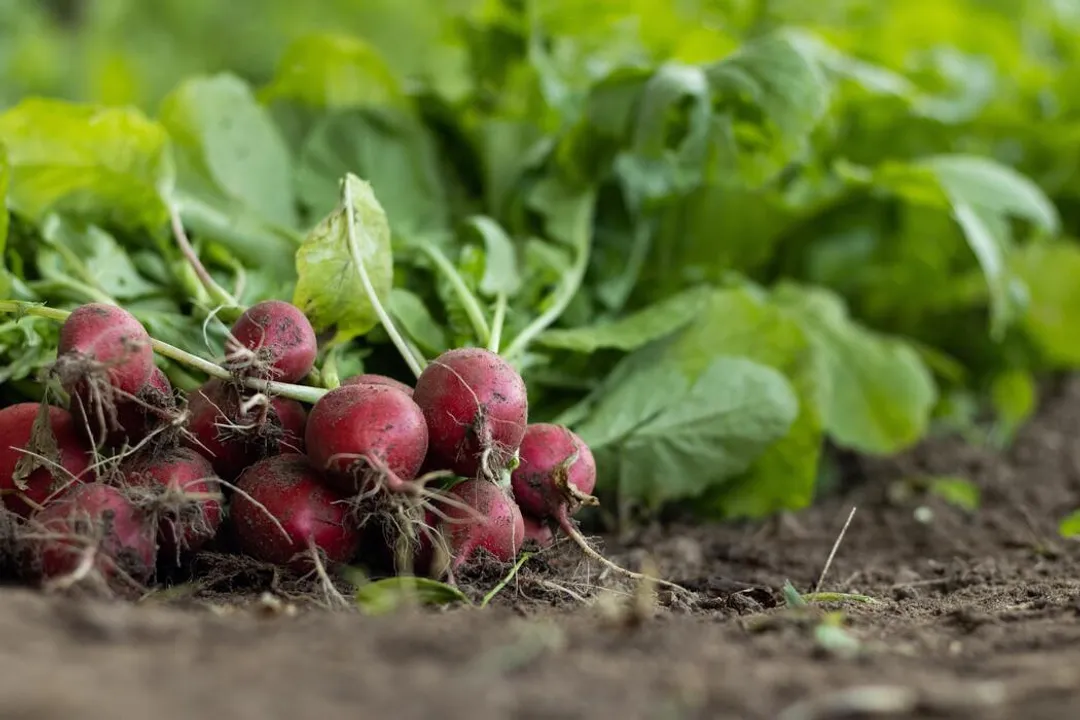
A practical consideration for anyone looking to incorporate black radish is understanding the difference in intensity among radish varieties. The black radish is significantly more pungent than the common white or red varieties. [5][7] This difference in flavor intensity often correlates with a higher concentration of the beneficial, sulfur-containing compounds like glucosinolates. [3]
If a person were to substitute a standard red radish in a traditional recipe calling for the black variety, they would likely achieve a milder taste but potentially a less pronounced effect regarding expectoration or digestive stimulation. Therefore, when seeking the specific historical benefits associated with R. sativus var. niger, the correct, potent variety is necessary. [5] This is especially true if the goal is to create a very strong, concentrated syrup, where the pungency of the black variety is paramount to the final product's character. [1]
# Preparation Advice
Incorporating this potent root requires some forethought, as its strong flavor can be off-putting if not managed correctly. [7] For respiratory relief, the classic method of grating and mixing with honey remains the gold standard. [1][5] A simple process involves layering grated radish with honey in a jar, allowing it to sit for several hours or overnight; the natural moisture from the radish, combined with the honey, will create a liquid syrup at the bottom of the jar, which can then be consumed by the spoonful. [5]
For culinary uses where the flavor needs to be slightly moderated while retaining nutritional benefits, using it raw but in very thin shavings or fine gratings in salads works well. [7] Another tactic to temper the heat is to lightly soak the grated radish in cold water or a mild saltwater brine for about ten minutes before draining thoroughly; this process leaches out some of the harsh sulfur compounds while retaining much of the core nutrient profile and structure. [7] This small preparatory step, which isn't always mentioned in the simplest recipe guides, can be the difference between a tolerable addition to a meal and an overwhelming one, offering a practical middle ground for daily consumption. [7]
# Phytonutrients and Active Agents
The interest in black radish in more advanced natural health contexts centers on its glucosinolates. [3] These are precursors to isothiocyanates, which are formed when the plant cell structure is broken down, for example, through chewing or grating. [3] These isothiocyanates are the compounds often studied for their potential influence on various cellular health markers. [3][5]
The way the plant is processed directly influences the availability of these agents. For instance, consuming the radish raw—as in grating for a salad or syrup—maximizes the enzyme activity needed to convert glucosinolates into their active forms. [3] Conversely, extensive cooking would likely diminish these volatile compounds, changing the root from a potent remedy to a milder, standard vegetable. [5] This highlights that for therapeutic effect, the preparation method is almost as important as the vegetable itself. [3]
# Beyond the Root
While the root is the primary focus, other parts of the black radish plant can also have relevance. The greens, or tops, are edible and share some of the cruciferous characteristics, though they are generally milder than the root. [6][9] These greens can be treated similarly to other leafy greens, such as spinach or kale, perhaps lightly steamed or sautéed. [9] Incorporating the greens offers another avenue to consume the beneficial vitamins and minerals present in the entire plant, maximizing the vegetable's contribution to the diet. [1]
In summary, the black radish stands out not just for its dramatic appearance but for its historical reputation as a potent aid, particularly for respiratory and digestive functions, rooted in its rich Vitamin C and glucosinolate content. [1][3][5] Understanding its traditional uses alongside modern preparation techniques allows for a respectful and effective integration of this powerful, dark vegetable into one's wellness routine. [7]
Related Questions
#Citations
Spanish Black Radish: What is Old is New Again - WholisticMatters
Black Radish: Supporting Digestive Health with Bitters | Gaia Herbs
Black Radish : benefits, origin, sources, properties - Therascience
An open label pilot study to evaluate the efficacy of Spanish black ...
Benefits of Black Radish: Improved Digestion - Superdiet
5 Cool Facts About Black Radishes - Rise Gardens
Power of Black Radish: Detox, Liver & Immune Support - Sage Green
Spanish Black Radish | Standard Process
Black radishes | Louis Bonduelle Foundation