Health Benefits of Black Bean
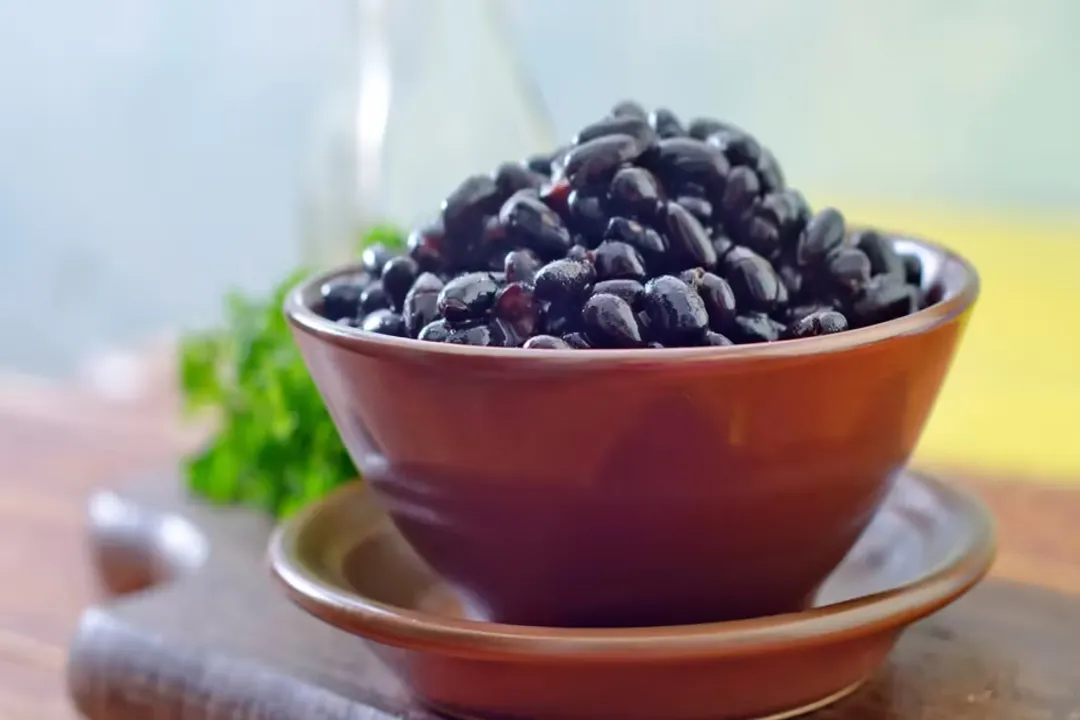
Black beans stand out in the pantry, not just for their dark, earthy color but for the sheer concentration of beneficial compounds packed into their small hulls. These legumes are often celebrated as staples in various global diets, earning the title of "nature's perfect food" in some contexts due to their excellent balance of macronutrients and micronutrients. [10] Understanding what makes them so impactful reveals why they deserve a more prominent place in daily eating habits, extending far beyond simple side dishes.
# Protein Fiber Synergy
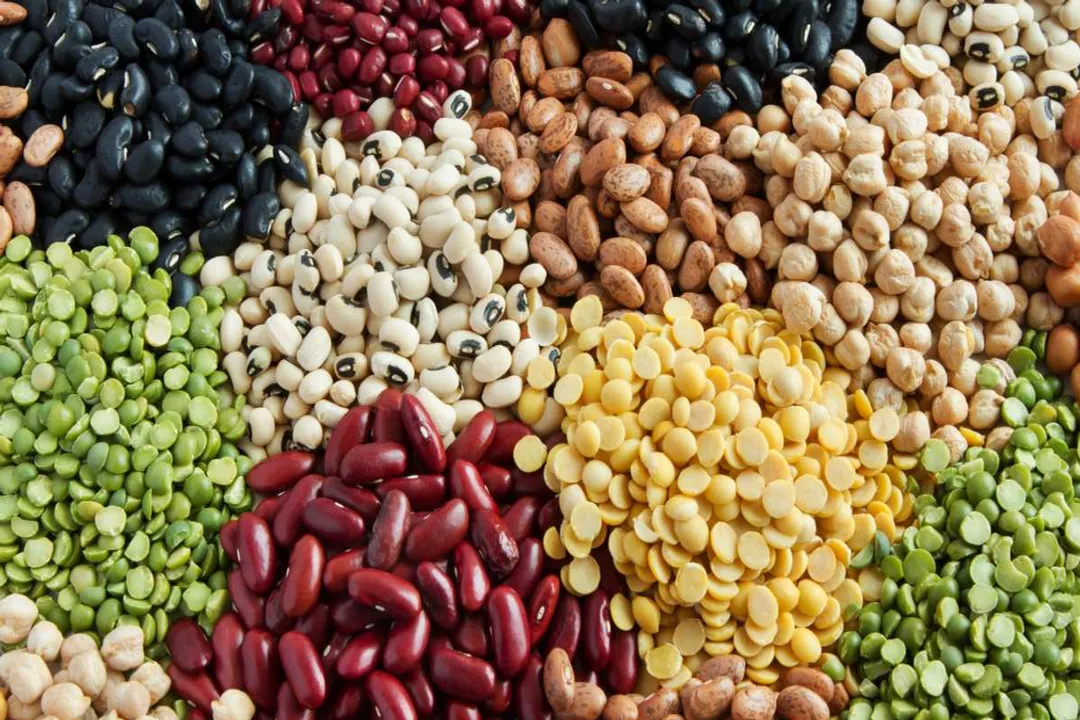
The nutritional profile of black beans immediately signals their value through high levels of both protein and dietary fiber. [2][6] This dual presence is critical for overall metabolic health. The protein content provides essential building blocks for the body, while the significant fiber load—which can approach 15 grams per cup in some preparations—offers substantial digestive benefits. [3][6]
When you consume a food rich in both macronutrients, the impact on energy stability is noticeable. The combination slows digestion, which helps keep you feeling full for longer, a key factor in successful weight management. [2][8] Think about a typical lunch: swapping a refined grain component for a scoop of black beans often means your body has to work harder and longer to break down the meal, leading to sustained energy rather than a quick spike and crash. [8] This feeling of satiety is why many nutritionists point to beans as an excellent tool for controlling appetite throughout the afternoon. [4][5]
# Cardiac Support System
One of the most frequently cited advantages of incorporating black beans into the diet relates directly to cardiovascular wellness. The fiber present in these beans assists in lowering LDL, or "bad," cholesterol levels. [2][6] Furthermore, the mineral composition directly supports healthy blood pressure regulation. [1]
Black beans deliver a powerful punch of potassium. [1][3][4][5][6][7] Potassium is an electrolyte essential for balancing the negative effects of sodium by helping to relax blood vessel walls, thereby easing blood pressure. [1] If we consider a standard serving of cooked black beans, the potassium contribution can be quite significant, often rivaling that of a banana, but delivered alongside a much higher dose of fiber. [2][4] This nutrient synergy—fiber cleaning up cholesterol while potassium manages pressure—makes them a compound ally for heart health. [1][3]
# Sugar Management
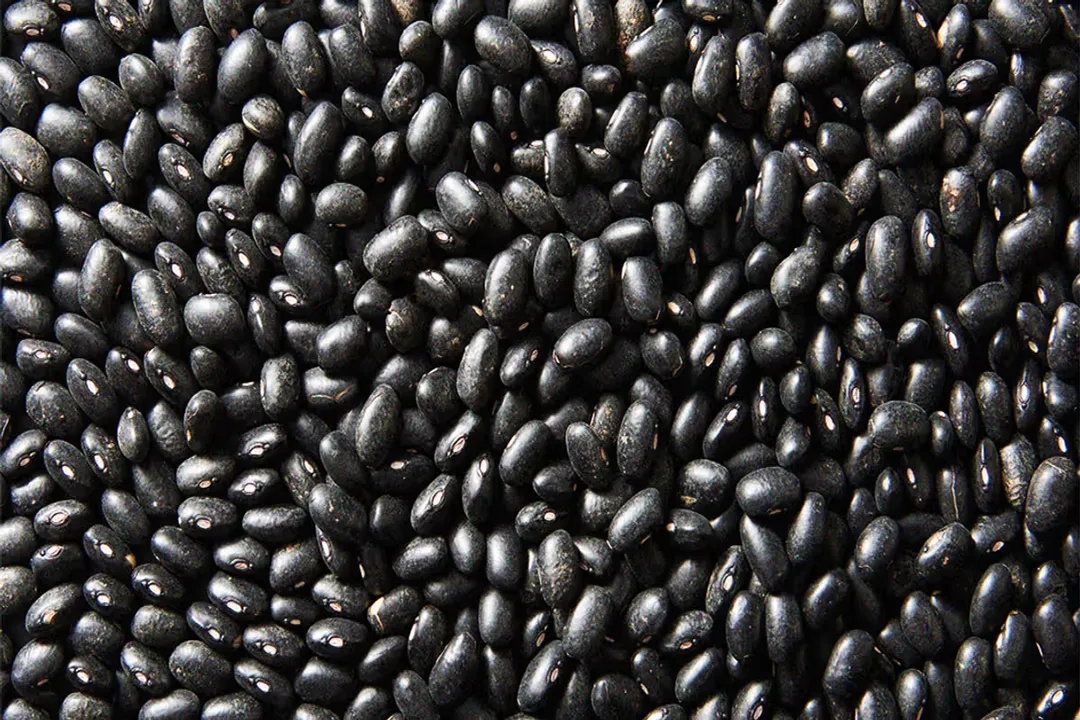
For individuals focused on maintaining stable blood glucose levels, black beans are an exceptional food choice. They are recognized for their low Glycemic Index (GI), meaning they cause a slow, steady rise in blood sugar rather than a sharp spike. [8]
This stable release is a direct result of the high fiber and protein matrix surrounding the carbohydrates within the bean structure. [8] When eaten, this matrix must be slowly dismantled by digestive enzymes. If you are tracking food impacts, compare the effect of eating white bread versus eating a bowl of chili containing black beans; the protein and fiber actively buffer the carbohydrate impact of the other ingredients in the meal. [1][8] This characteristic is particularly beneficial for those managing diabetes or simply trying to avoid the energy dips associated with post-meal sugar surges. [2][4]
# Digestive Benefits
The significant fiber content is perhaps the most well-known digestive aid provided by black beans. [3][6] Fiber acts in two primary ways: it adds bulk to stool, promoting regularity and preventing constipation, and it feeds beneficial gut bacteria. [3]
These bacteria ferment the fiber, producing short-chain fatty acids (SCFAs) that nourish the colon lining and contribute to overall gut health. While the presence of compounds that cause gas is sometimes a drawback, the long-term benefits of supporting a healthy microbiome often outweigh this temporary discomfort, especially as the body adapts to increased fiber intake. [3]
# Mineral Wealth
Beyond the major macronutrients, black beans are dense with essential micronutrients that are frequently deficient in modern Western diets. A breakdown of key minerals reveals why they are so highly regarded by nutritionists. [1][3][6]
| Mineral | Key Role(s) |
|---|---|
| Folate (B9) | Crucial for cell division and DNA formation [1][4] |
| Iron | Essential for oxygen transport via red blood cells [4][10] |
| Magnesium | Involved in hundreds of bodily enzyme reactions [1][3] |
| Manganese | Important for metabolism and bone development [3][6] |
The presence of iron is noteworthy, particularly for those who limit meat intake. [10] However, it is important to remember that the iron in beans is non-heme iron, which is less readily absorbed than the heme iron found in animal products. [4] To maximize this benefit, a simple preparation technique can drastically improve absorption: always pair your black beans with a source of Vitamin C, such as bell peppers, tomatoes, or a squeeze of fresh lime juice in your dressing. [4] This simple act of combining ingredients enhances the bioavailability of the bean's iron significantly, turning a good source into a great one. [1]
# Antioxidant Power
The dark color of black beans is a visual indicator of their high concentration of protective compounds called antioxidants. [3][6] Specifically, they contain flavonoids, including anthocyanins, which are responsible for the dark pigmentation. [3][6] These compounds work to neutralize free radicals in the body, thereby reducing oxidative stress that can contribute to chronic disease development. [3][9]
Research highlights specific compounds like kaempferol and quercetin found in black beans. [3] Furthermore, studies suggest that the overall profile of phenolic compounds within black beans contributes to notable anti-inflammatory properties, which may play a role in reducing the risk of certain chronic ailments, including some cancers. [9] While eating a single serving won't eliminate disease risk, consistently adding food sources rich in these protective phytochemicals builds long-term cellular defense. [6]
# Incorporation Strategies
Translating the nutritional data into daily practice is where the real value emerges. Because of their versatility, integrating black beans requires minimal effort once you adopt a few simple methods.
For those relying on canned varieties for convenience, a crucial, non-negotiable step is rinsing them thoroughly under cold water before use. [2] Canned beans are often preserved in a liquid high in sodium. Rinsing can significantly reduce the sodium load, which directly supports the blood pressure benefits already discussed. [1][2] If you are cooking dried beans, soaking them overnight and discarding the water before cooking also helps reduce hard-to-digest oligosaccharides, which minimizes the potential for digestive upset. [3]
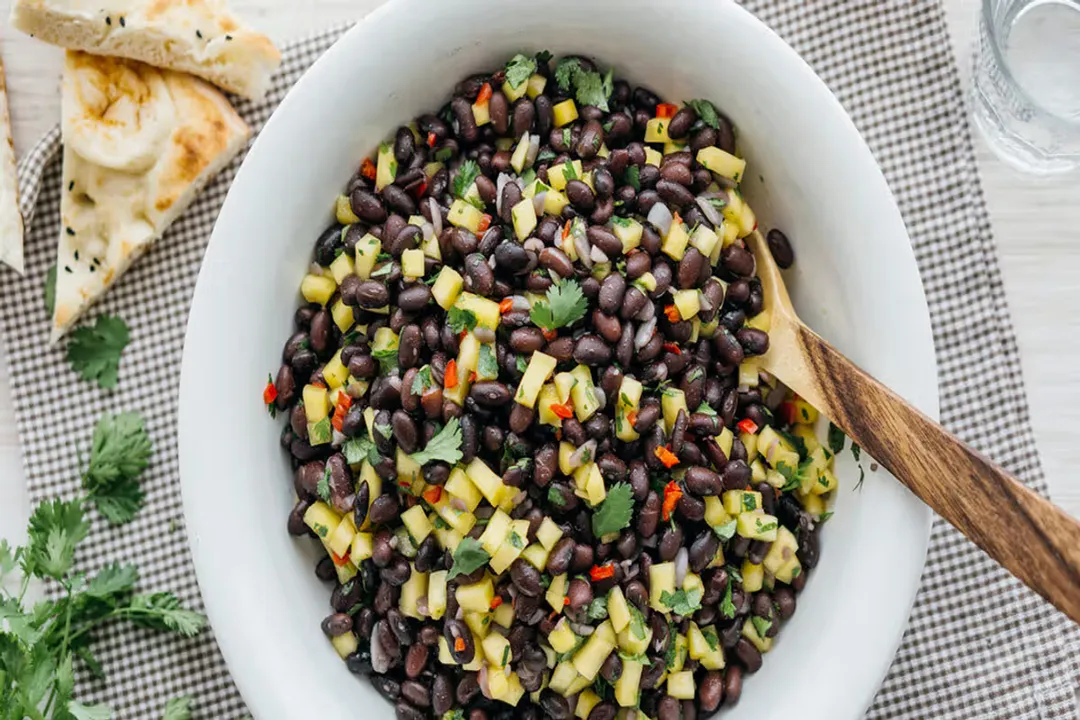
Instead of viewing beans only as a separate side dish, consider them a functional swap in favorite recipes. For example, substituting half the ground meat in tacos or sloppy joes with mashed or whole black beans cuts down on saturated fat while boosting fiber and protein intake substantially. [5] This is an easy way to benefit from the satiety factor without drastically altering familiar flavor profiles. [8] A small, practical measure: try replacing the croutons on your salad with roasted, spiced black beans for a crunchier, more nutrient-dense topping that adds substance to the meal. [7]
Related Questions
#Citations
The benefits of black beans - Primary Care in Rochester and Kasson
4 Impressive Benefits of Black Beans
Black beans: Health benefits, facts, and research
Black Beans: Health Benefits, Nutrients, Preparation, and More
Health Benefits of Eating Black Beans - Magic Kitchen
Are Black Beans Healthy? Nutrition, Benefits, and More - Healthline
The Health Benefits of Black Beans - WellBean
Benefits of Black Beans: A Superfood to Include in Your Diet - Signos
Black Beans, Fiber, and Antioxidant Capacity Pilot Study - NIH
Why beans are nature's perfect food | UCLA Health