Health Benefits of Black-Eyed Pea
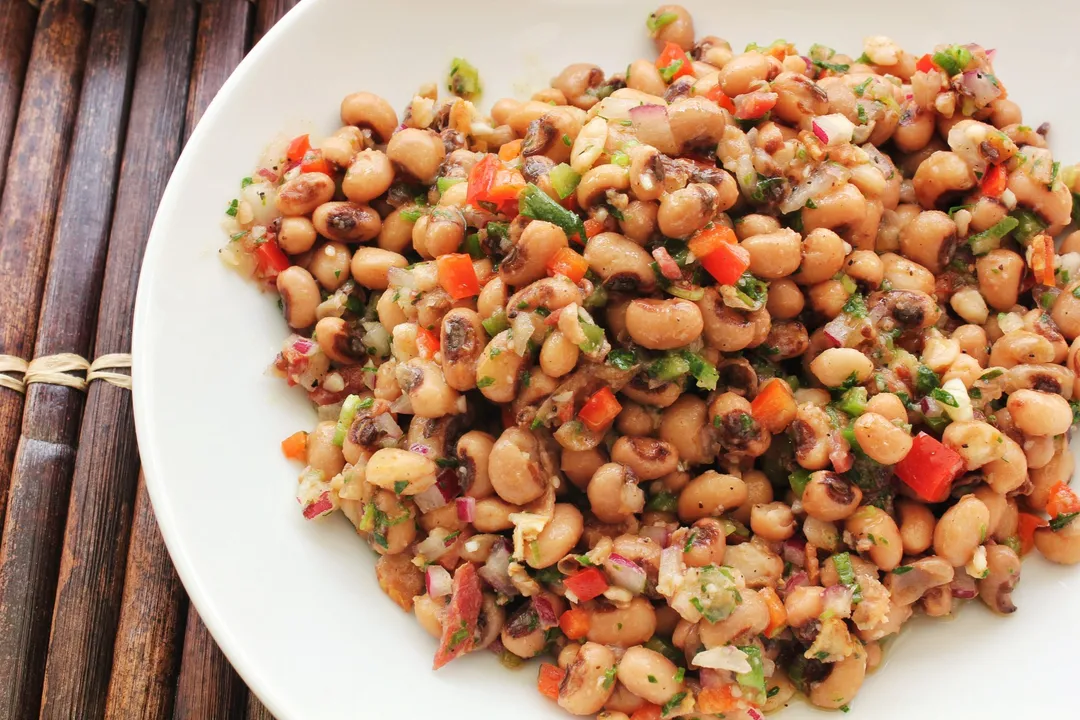
Black-eyed peas, scientifically known as Vigna unguiculata, are a humble legume with a nutritional profile that punches well above its weight class in the world of healthy eating. Often starring in traditional dishes, especially those marking the New Year for good fortune, their real gift to your body lies within their small, creamy white structure punctuated by a dark spot. [7][9] These pulses offer a wealth of vitamins, minerals, and macronutrients that support long-term wellness, making them an excellent addition to almost any diet. [1][5]
# Macronutrient Power
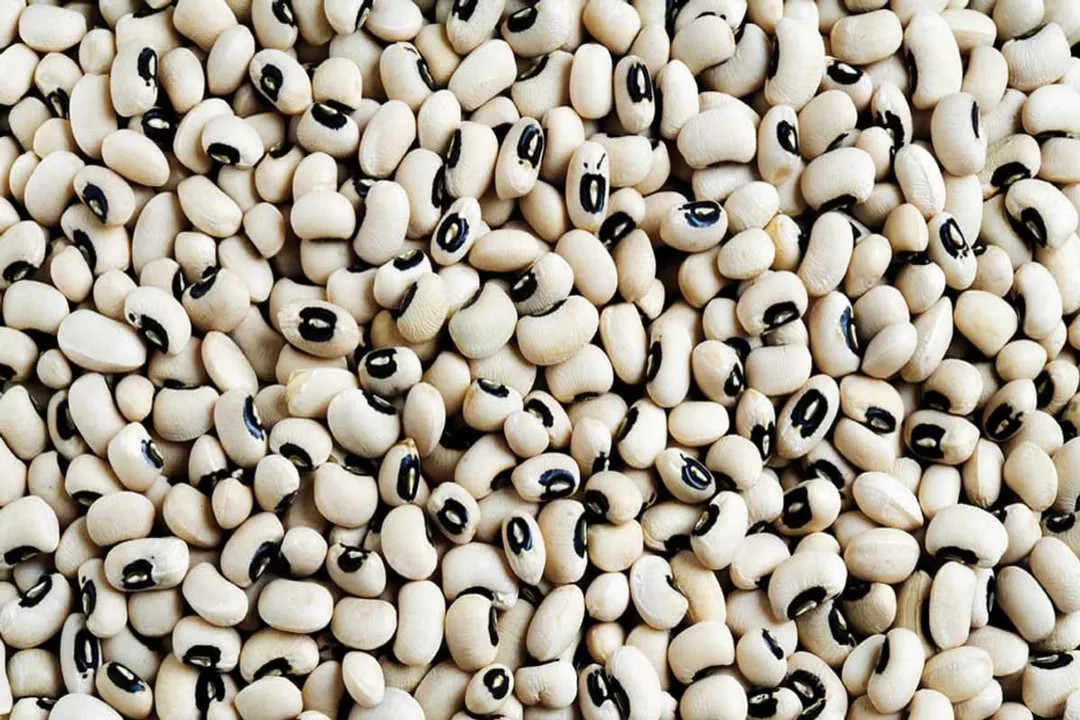
The foundation of the black-eyed pea’s health appeal rests on its excellent macronutrient composition, particularly its combination of protein and fiber. [2][5] A standard serving delivers a substantial amount of both, which is vital for satiety and muscle maintenance. [1] For individuals looking to reduce meat consumption or adopt a plant-forward lifestyle, understanding this balance is key. Consider that one cup of cooked black-eyed peas provides roughly 13 grams of protein and about 15 grams of fiber. [2][5] To put that into perspective for meal planning, this protein contribution is significant for a non-animal source, offering sustained energy release throughout the day, especially when combined with the slow-digesting fiber. [1][5] This dual presence helps stabilize energy levels, preventing the sharp spikes and crashes associated with refined carbohydrates. [5]
# Digestive Health

The remarkable fiber content in black-eyed peas is a major player in promoting a healthy digestive system. [1] Fiber acts as a prebiotic, feeding the beneficial bacteria in your gut microbiome, which is increasingly linked to overall health, from immunity to mood regulation. [4][5] Furthermore, the fiber content, both soluble and insoluble, aids in promoting regular bowel movements and preventing constipation. [1][5] Soluble fiber, in particular, absorbs water and forms a gel-like substance in the digestive tract. [5] This gel also helps regulate the absorption of sugars and fats, which ties directly into other systemic benefits like cholesterol management. [5]

# Heart Support
For cardiovascular wellness, incorporating legumes like black-eyed peas into your weekly rotation is a wise move. [1][5] The high levels of dietary fiber actively work to reduce levels of low-density lipoprotein (LDL) cholesterol, often called the "bad" cholesterol, by binding to it in the digestive system and facilitating its removal from the body. [1][5] Beyond fiber, these peas are rich in essential minerals that support healthy blood pressure regulation. [5] They contain significant amounts of potassium and magnesium. [1][5] Potassium helps to counterbalance the effects of sodium, a common factor in elevated blood pressure, making these peas a heart-friendly choice. [5] Additionally, they contain virtually no cholesterol and are low in fat, which is another advantage for those monitoring their cardiovascular risk factors. [1][5]
# Micronutrient Density
While the macronutrients provide energy and bulk, the micronutrient profile of black-eyed peas offers specialized support for various bodily functions. [5] They are an exceptional source of certain vitamins and minerals essential for processes that occur daily.
# Folate Power
One of the standout features is their high concentration of folate (Vitamin B9). [1][5] Folate is absolutely necessary for the production and maintenance of new cells, making it particularly important during periods of rapid growth, such as pregnancy, but also crucial for everyone else. [5] It plays a vital role in the synthesis of DNA and RNA. [5] Deficiency in folate can lead to problems like anemia and potential birth defects if adequate levels are not maintained, underscoring the importance of this nutrient. [1][5]
# Iron and Red Cells
Black-eyed peas also serve as a good source of iron. [1][5] Iron is the primary component of hemoglobin, the protein in red blood cells responsible for transporting oxygen from the lungs to the rest of the body. [5] Ensuring adequate iron intake helps prevent iron-deficiency anemia, which manifests as fatigue and weakness. [1][5] Here is an actionable suggestion for maximizing this benefit: because the iron found in plant sources (non-heme iron) is not as readily absorbed as that from meat, try pairing your black-eyed pea dish with a source of Vitamin C. Adding fresh tomatoes, bell peppers, or a squeeze of lemon juice to your meal can significantly boost the body’s ability to absorb that iron content. [5] This simple culinary pairing dramatically increases the nutritional efficacy of the meal itself. [5]
# Antioxidant Action
These beans also contain various antioxidants, including polyphenols and flavonoids, which help combat oxidative stress in the body. [4] Oxidative stress, caused by an imbalance of free radicals, is implicated in aging and chronic disease development. [4] While not as high in specific antioxidants as berries, their general antioxidant contribution complements a diet rich in colorful fruits and vegetables. [4]
# Blood Sugar Regulation
For managing blood glucose levels, black-eyed peas present a favorable profile due to their low glycemic index (GI) and high fiber content. [1][2][5] Foods with a low GI cause a slow, steady rise in blood sugar rather than a rapid surge. [5] The combination of protein and fiber slows down the digestion process, which in turn moderates the rate at which glucose enters the bloodstream. [2][5] This characteristic makes them a preferred carbohydrate choice for individuals managing diabetes or those seeking stable energy throughout the day. [1][5]
# Weight Management Support
Achieving and maintaining a healthy weight often comes down to managing hunger signals effectively, and this is where the high protein and fiber matrix of black-eyed peas shines. [1] Foods that promote satiety—the feeling of fullness—are extremely helpful for controlling overall calorie intake. [1] Because these two components take longer to digest, you feel satisfied for longer periods after eating them, reducing the likelihood of unnecessary snacking between meals. [1] An interesting point of comparison is how this density works; for someone accustomed to eating a larger volume of lower-fiber food for the same feeling of fullness, swapping in a serving of black-eyed peas means consuming fewer overall calories while feeling equally, if not more, satisfied. [3]
# Cultural Significance and Culinary Application
While the health benefits are chemical, the context in which we eat black-eyed peas often ties into cultural practices. [7] In the American South, consuming black-eyed peas on New Year's Day, often alongside greens and pork, is a long-standing tradition believed to bring prosperity for the coming year. [7] This tradition ensures that this nutrient-dense food enters the diet at the start of the year, setting a positive tone nutritionally as well as symbolically. [7]
Beyond tradition, they are incredibly versatile in the kitchen. [10] They form the base of popular dishes like Hoppin' John. [7] They can be mashed into vegetarian patties, added to soups and stews for body, or simply cooked plainly and seasoned with herbs and spices. [1][10] When substituting black-eyed peas for less nutritious starches in a meal—for instance, swapping them for white rice in a side dish—you are instantly upgrading the fiber, protein, and micronutrient density of that entire plate. [3] Properly cooked, they have a soft, creamy texture that readily absorbs surrounding flavors. [10]
# Preparation Considerations
Even the healthiest foods require mindful preparation. Black-eyed peas, like other legumes, contain compounds that can cause digestive upset in some people, primarily due to their oligosaccharide content, which can lead to gas and bloating when not properly digested. [1] To mitigate this, simple preparation techniques are highly effective. Soaking the dried peas before cooking is a recommended first step, as this process helps to reduce these gas-producing carbohydrates. [1] Rinsing the soaking water thoroughly before cooking further helps in this regard. [1] Cooking them until they are tender ensures that the starches are fully broken down, making them easier for the human digestive system to process. [1]
# Mineral Profile Beyond Iron
The mineral content extends past just potassium and iron, providing a solid spectrum of necessary electrolytes and cofactors for enzyme function. [5] They supply good amounts of phosphorus, which works with calcium to build strong bones and teeth, and is critical for energy production at the cellular level (ATP). [5] Additionally, they offer zinc, important for immune function and wound healing, and magnesium, which is involved in hundreds of bodily enzymatic reactions, including muscle and nerve function. [5] When you compare the overall mineral density to, say, refined white rice or white pasta, the black-eyed pea offers a significantly more substantial micronutrient return for the same caloric base. [3]
# Potential Downsides and Moderation
While the benefits are numerous, it is important to consume black-eyed peas as part of a balanced diet and recognize potential sensitivity. [1] For individuals with existing digestive sensitivities, the high fiber load can be challenging initially. [1] If you are new to regularly eating legumes, introducing them gradually—perhaps starting with half a serving size—allows your digestive system time to adjust to the increased fiber intake, minimizing discomfort. [1] Furthermore, if purchasing canned versions, it is always wise to rinse them well under running water, as this helps wash away excess sodium that might have been added during the canning process. [3]
In summary, black-eyed peas are a nutritional powerhouse. They offer substantial plant-based protein, significant dietary fiber for gut and heart health, essential B vitamins like folate, and critical minerals like iron and potassium. [1][2][5] Their low glycemic impact and satisfying nature make them an intelligent food choice for blood sugar management and weight control. [2][5] By integrating them thoughtfully into your meals—remembering simple steps like pairing them with Vitamin C for enhanced iron absorption—you gain access to benefits that support nearly every major system in the body. [5]
#Videos
Black Eyed Peas: The Superfood Hiding in Your Kitchen - YouTube
Related Questions
#Citations
Black-Eyed Peas: Health Benefits and Nutrition - WebMD
Black-Eyed Peas (Cowpeas): Nutrition Facts and Benefits - Healthline
Are Black-Eyed Peas Good for You? - Consumer Reports
Black-Eyed Pea Nutrition, Benefits and How to Cook - Dr. Axe
Black-eyed peas: Nutrition, benefits, and how to eat them
Nutritional benefits of black-eyed peas for good luck - Facebook
Health Benefits of Collards & Black-eyed Peas | WakeMed Voices Blog
Black Eyed Peas: The Superfood Hiding in Your Kitchen - YouTube
5 Amazing Reasons Why Your Body Needs More Black Eyed Peas
Black-Eyed Beans: A Culinary and Nutritional Discovery