Health Benefits of Black Salsify
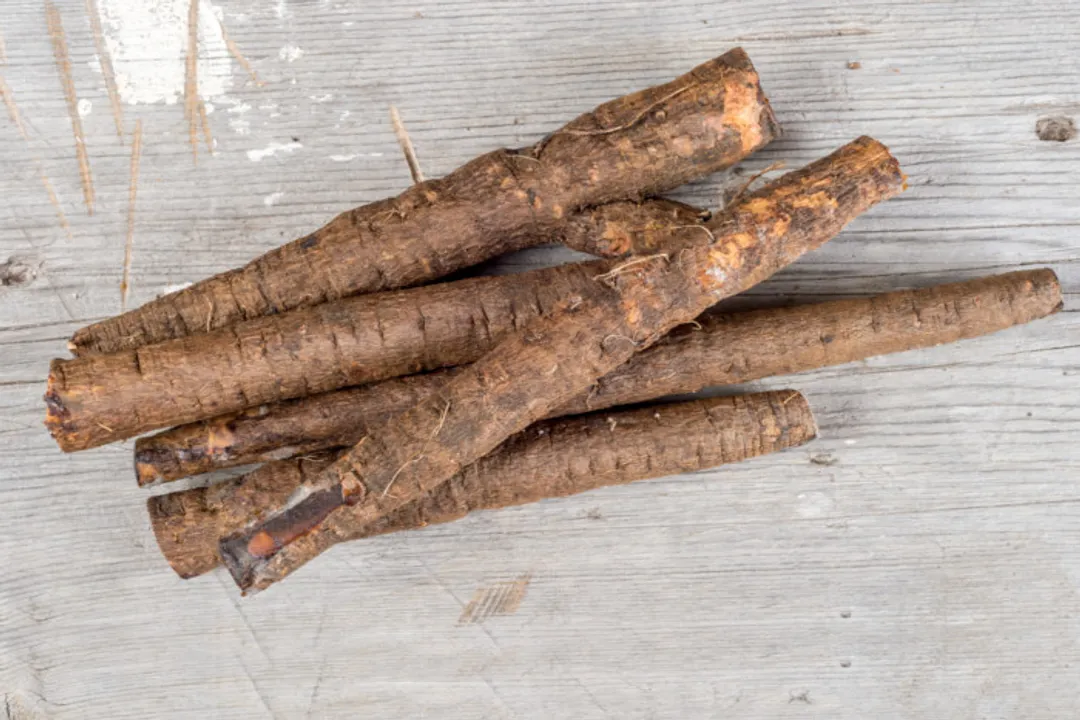
The unassuming root vegetable known as black salsify, often shrouded in culinary history, presents a surprisingly potent package of nutritional advantages for the modern diet. While it may not grace every supermarket aisle with the frequency of a carrot or potato, this tuber—scientifically known as —carries a lineage of use stretching back to the Middle Ages when it was regarded not just as food, but as a natural remedy. For those seeking to diversify their intake of functional foods, understanding the specific benefits locked beneath its dark, unassuming skin is worthwhile.
# The Oyster Root
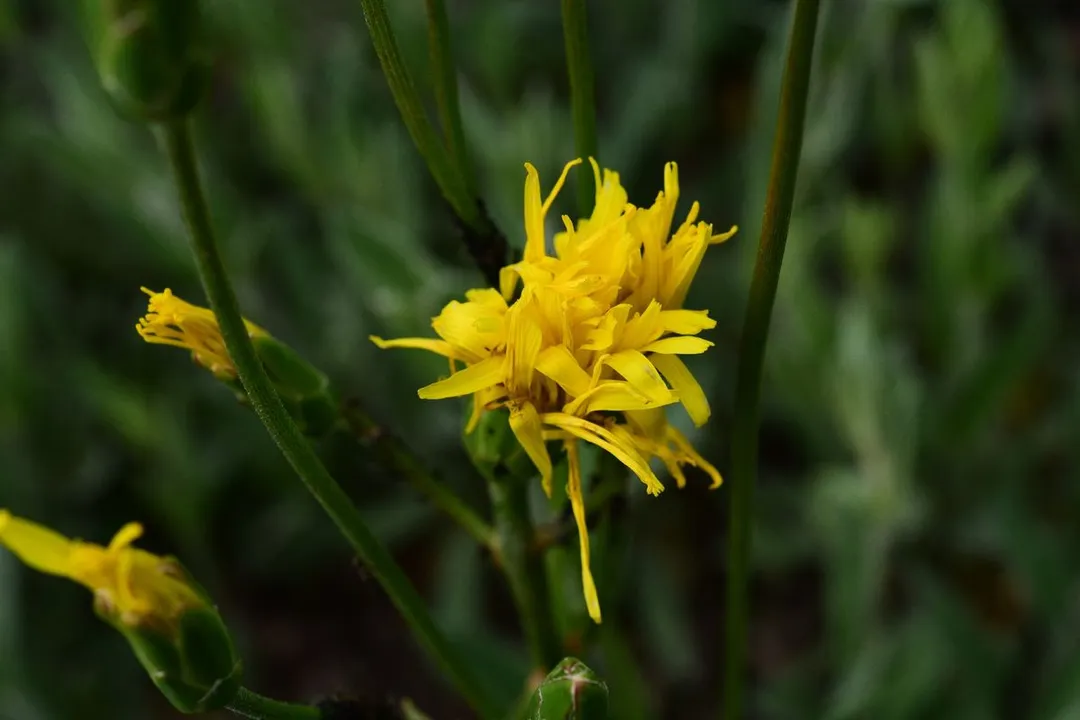
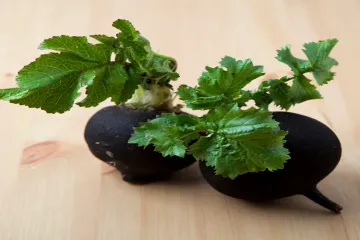
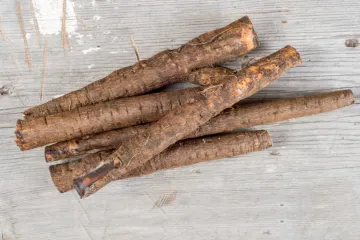
Black salsify shares its lineage with dandelions and daisies, falling under the sprawling Asteraceae plant family. It is frequently referenced by several evocative aliases, including Spanish Salsify, Serpent Root, Viper’s Grass, and perhaps most famously, the "vegetable oyster," owing to its subtle, delicate flavor profile often described as mildly nutty, slightly sweet, and reminiscent of shellfish. This root is distinct from the white salsify variety, typically possessing a black exterior skin that contrasts with the creamy, white flesh beneath.
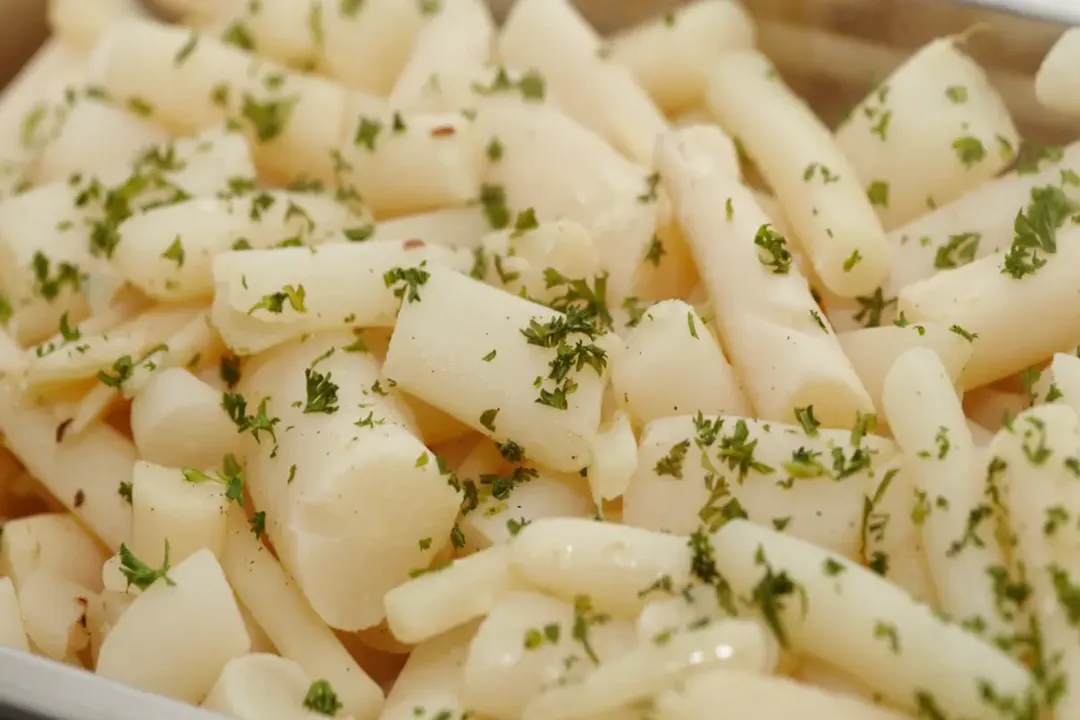
The preparation process is unique, requiring the removal of the tough, inedible black skin. This skin harbors a sticky, milky sap residue that can stain the hands, a factor that has historically kept it from widespread popularity. Yet, once peeled, the flesh begins to brown rapidly, similar to an avocado, necessitating immediate submergence in acidic water to maintain its pristine appearance. Beyond the root, the leaves of the salsify plant are also noted as edible, capable of being sautéed in olive oil or added to soups and quiches, offering an anti-waste culinary opportunity.
# Digestive Powerhouse
The most frequently cited and scientifically supported advantage of consuming salsify centers on its profound positive impact on the digestive system. This is largely due to its impressive fiber content, especially the presence of inulin. Inulin is a specialized type of soluble fiber categorized as a prebiotic.
This prebiotic fiber acts as a specific fuel source for the population of beneficial bacteria residing in the large intestine, such as Bifidobacteria. By nourishing these good microbes, salsify consumption is associated with enhanced gut microbiome diversity. This flourishing internal ecosystem contributes significantly to overall digestive wellness, potentially easing discomforts like bloating and constipation, and helping to maintain a healthy gut barrier function. In fact, it is sometimes praised as an "intestinal broom" that cleanses the system gently enough for most people to tolerate, even children over 15 months. The fermentation of inulin within the colon also yields short-chain fatty acids (SCFAs), such as butyrate, which is known to support healthy colon cells.
# Metabolic Balance

Beyond simple regularity, the fiber profile of salsify contributes meaningfully to metabolic regulation. Foods rich in fiber, like this root, promote a feeling of satiety. This increased fullness can naturally lead to reduced overall caloric intake, assisting in weight management efforts.
Crucially, salsify possesses a low Glycaemic Index (GI). The inulin content plays a role here too, as it helps moderate the rate at which glucose is absorbed into the bloodstream from the intestine. This slower absorption prevents sharp, immediate spikes in postprandial blood glucose levels, an essential mechanism for individuals managing or seeking to prevent Type 2 diabetes and metabolic syndrome. In essence, it provides necessary carbohydrates for daily energy without the metabolic shockwave associated with high-GI starches.
When considering how to incorporate this into a routine aimed at metabolic health, one might pause to appreciate that a 100g serving carries a modest energy count, often cited between 50 to 82 kilocalories. For such a low caloric investment, the yield of prebiotic inulin and essential minerals like potassium is quite high, suggesting a superior nutritional return on investment compared to many other commonly consumed root vegetables, provided one can manage the necessary pre-cooking preparation steps.
# Heart Vessel Support

Cardiovascular health benefits are strongly linked to salsify's mineral composition, particularly its potassium levels. Potassium works in opposition to sodium; by helping to maintain the proper equilibrium of these two electrolytes, it encourages the relaxation of blood vessels. This vasodilation reduces the strain placed upon the cardiovascular system, consequently aiding in the control of blood pressure and potentially lowering the risk factors for hypertension, strokes, and heart attacks.
Furthermore, the soluble fiber present in salsify contributes by actively participating in cholesterol management. This fiber binds with bile acids in the intestinal tract. Since bile acids are manufactured from cholesterol, encouraging their excretion effectively reduces the amount of new cholesterol the body needs to process, thereby helping to lower overall LDL cholesterol levels and mitigate the development of atherosclerosis.
# Essential Bone Matrix
For structural integrity throughout life, the right balance of minerals is non-negotiable, and salsify supplies several key components. It contains measurable amounts of calcium, magnesium, and phosphorus—all foundational to bone mineral density and skeletal strength. Magnesium, for instance, is vital for the process of bone mineralization.
What makes salsify particularly effective in this area is a synergistic effect: the very inulin that aids gut health simultaneously functions to enhance the body’s ability to absorb calcium. This improved uptake means that the calcium consumed is more likely to be deposited where it is needed, helping to maintain strong bones and reduce the risk of conditions like osteoporosis as one ages.
# Defense Compounds
The protective qualities of black salsify extend into its chemical profile, rich with compounds that fight cellular damage. It is an excellent source of antioxidants, specifically polyphenols and flavonoids. These active components neutralize harmful free radicals, mitigating oxidative stress—a key driver behind the progression of various chronic conditions, including diabetes, heart disease, and certain neurodegenerative disorders.
This antioxidant capacity also translates to anti-inflammatory action. Polyphenols found within the root have been observed to help modulate inflammatory pathways, potentially reducing the output of pro-inflammatory cytokines, which could offer some protection against inflammatory conditions like rheumatoid arthritis or Inflammatory Bowel Disease (IBD). More specifically, research has identified polyacetylene antioxidants within black salsify, such as Falcarindiol, Falcarinol, Methyl-falcarindiol, and Panaxydiol. These specific compounds have been linked in epidemiological studies to a reduced risk of certain cancers, including those of the prostate, colon, breast, and ovaries.
# Circulation and Complexion
The benefits of this root mineralize throughout the body, reaching the surface through improved blood flow and cellular renewal. Salsify provides notable amounts of iron and copper. Both minerals are essential building blocks for the creation of red blood cells (RBCs), meaning adequate intake supports better overall circulation. Improved blood flow ensures more oxygen is delivered to vital areas, including the scalp's hair follicle beds, which is thought to stimulate hair growth and potentially reduce premature hair loss. Moreover, copper specifically is credited with maintaining deep hair color and slowing the onset of graying. To support the structures that hold the hair, the presence of Vitamin C assists in synthesizing collagen, further strengthening the hair follicles.
The skin also receives support through various mechanisms. High water content aids in maintaining essential skin hydration, helping to stave off dryness and flakiness. Furthermore, the combination of antioxidants and minerals accelerates skin cell regeneration, which can aid in the healing of scars and promote a more consistent skin tone. The presence of Zinc alongside Vitamin C is also noted for its role in regulating sebum production, which can potentially reduce inflammation and breakouts associated with acne. In a historical context, allantoin, an active ingredient found in black salsify, has been specifically applied in ointments for its ability to accelerate cell renewal and disinfect wounds.
# Kitchen Wisdom Handling
Successfully incorporating black salsify into your routine requires respecting its nature, especially regarding preparation and storage. As noted, the peeling process is messy due to the sticky residue, and discarding the tough skin can lead to significant yield loss.
To streamline this often-overlooked step, consider this preparation sequence: first, wash the roots well. If you prefer to peel first, work under running water or submerge the roots in water mixed with a drop of vinegar or lemon juice to mitigate browning. An alternative method, which some cooks suggest makes peeling easier, is to blanch the root briefly in boiling water before starting to peel. After peeling, a quick dip in lemon water will preserve the creamy white flesh.
When purchasing, look for firm roots; thinner ones might seem easier to manage, but given the waste from peeling, selecting roots of similar thickness will ensure more even cooking times when you boil, roast, or sauté them. For storage, black salsify prefers cold, dark conditions with high humidity, potentially lasting up to 44 days in a standard refrigerator drawer, though specialized humidity control can extend this duration significantly, sometimes over 100 days.
# Nutrient Profiles
Salsify is generally considered a nutrient-dense vegetable, offering a variety of vitamins and minerals that support numerous bodily systems.
A typical 100-gram serving of raw salsify provides a foundational base of key nutrients, though figures can vary slightly between analyses:
| Nutrient | Approximate Value (per 100g raw) | Key Function Highlighted |
|---|---|---|
| Energy | 82 kcal | Low-calorie profile |
| Dietary Fiber | 3.3 g | Digestive regulation |
| Potassium | ~380 mg | Blood pressure support |
| Vitamin C | ~8 mg | Immune function |
| Iron | ~0.7 mg | Red blood cell formation |
| Magnesium | ~23 mg | Bone health |
| Folate (B9) | ~26-49 µg | Cellular processes |
The vegetable also contributes Vitamin A, Vitamin E, Thiamin, Riboflavin, Pantothenic acid, Copper, Zinc, Manganese, and Phosphorus to the diet. This wide spectrum of micronutrients contributes to its overall capability to help the body function effectively across multiple organ systems. Historically, due to its contents, it was even employed as a purported antidote for snake bites.
From digestive regularity driven by inulin to cardiovascular support from potassium and robust antioxidant defense, black salsify proves to be far more than just a historical curiosity. Integrating this unique root, with careful attention to its peeling and storage needs, offers a concentrated source of prebiotics and essential minerals that support the gut, heart, and skeletal structure alike.
Related Questions
#Citations
What Are the Health Benefits of Salsify? - WebMD
5 Wonderful Benefits of Salsify - Organic Facts
Black salsify – healthy nutritional values in a dark skin - Liebherr
Salsify | Louis Bonduelle Foundation
Black Salsify | John Vena Inc.
Health Benefits, Uses, And Indian Recipe Of This Root Tuber
Health Benefits of Salsify - The Joint Chiropractic
What Are The Health Benefits Of Salsify? - Dale Pinnock
Discover the Astonishing Benefits of Black salsify for Health and ...