Health Benefits of Salsify
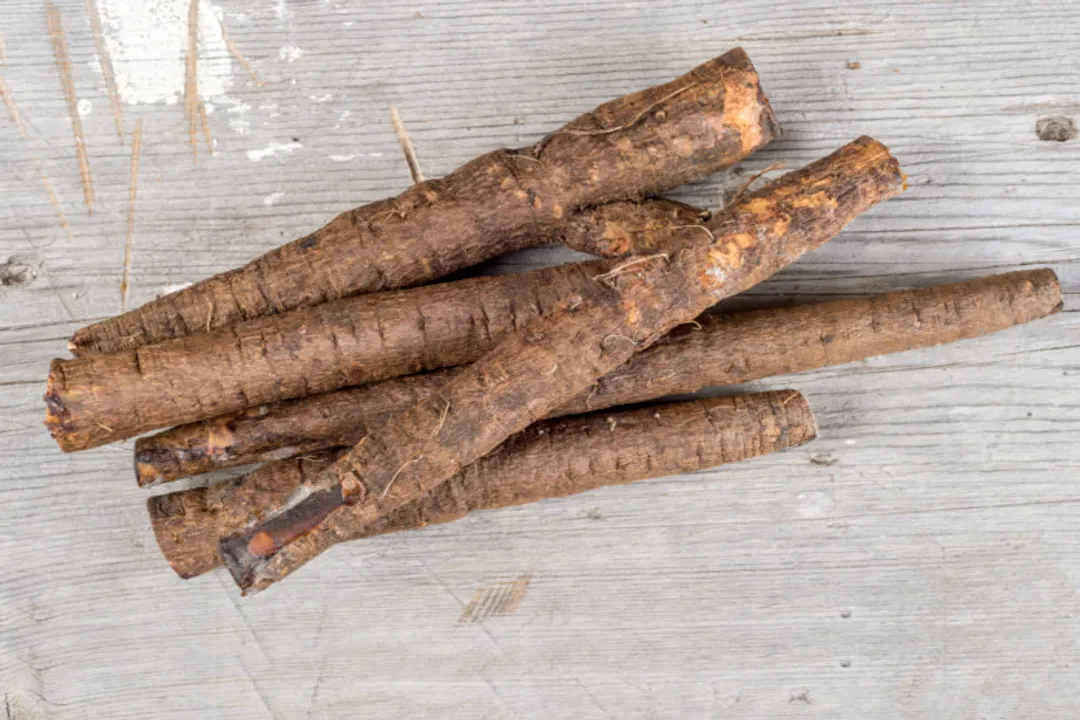
Salsify, often affectionately nicknamed the oyster plant or vegetable oyster, presents itself as a somewhat overlooked root vegetable, yet it possesses a history rich with both culinary acclaim and significant health potential. [2][4][6] Belonging to the Asteraceae family, which also includes familiar plants like sunflowers, [2][4] this tuber is primarily cultivated in cooler climates, establishing itself as a valuable crop during the winter months. [2] Its physical appearance can vary; while some varieties present with white roots, others can be black or even purple, depending on the specific type, though they generally share a mild, nutty, and slightly sweet flavor profile with an intriguing hint of shellfish. [2][3][8]
# Varieties Origins

The world of salsify includes several recognized types, with Black Salsify (Scorzonera hispanica) often gaining favor in European markets, sometimes being noted as less fibrous and more flavorful than its counterparts. [7][8] Another type mentioned is the White Salsify traditional variety. [2] In North America, Yellow Salsify (Tragopogon dubius) is also present, which shares many uses with the cultivated varieties. [9] Historically, salsify roots trace their origins back to the Mediterranean region, gaining particular popularity in countries like France, Germany, and Belgium during the 18th and 19th centuries. [2][4][7] Although less common globally than staples like carrots, its cultivation demands well-drained soil and temperate zones. [2][4][8] A distinct characteristic noted in the wilder yellow variety is its daily cycle of opening and closing its bright yellow blooms before late afternoon. [9]
# Nutrient Profile
To truly appreciate salsify's health contributions, one must look closely at its composition. Salsify is categorized as a nutrient-dense vegetable, providing a substantial return for its relatively low-calorie count—around 82 kcal per 100 grams of the raw root. [5][7][8] While low in fat (about 0.2g per 100g), [5] it offers a respectable amount of protein (around 3.3g per 100g). [3][5] The primary components driving its health claims are its significant dietary fiber content and its array of essential vitamins and minerals. [3][5][8]
A 100-gram serving typically delivers about 3.3 grams of total dietary fiber, which accounts for nearly 20% of the recommended daily intake for some individuals. [3][5][6] Crucially, much of this fiber comes in the form of inulin. [3][5][8] Beyond fiber, salsify is rich in vital minerals: Potassium is notable, providing around 380mg in a 100g serving (approximately 11% of the RDI). [3][5] It also supplies significant levels of Phosphorus (75mg), Calcium (44-60mg), Manganese (0.27mg), Magnesium (23mg), Iron (0.7mg), and Copper. [3][5][8] In the vitamin department, it contributes Vitamin C (about 8mg, or 13% of the RDA) and various B-complex vitamins including Folate, Vitamin B6, Thiamin, and Riboflavin. [3][5][8] When comparing this profile to starchy alternatives like potatoes, salsify provides a notable concentration of minerals and inulin for a similar energy yield, making it a more functional carbohydrate source for daily energy needs. [8][9]
# Gut Health
One of the most celebrated aspects of salsify consumption centers on its profound positive impact on the digestive system. [5][6] Salsify is frequently lauded as an “intestinal broom” because its high fiber content, both soluble and insoluble, effectively promotes regular bowel movements and can ease discomfort associated with slow digestion or constipation. [5][6][7]
The real powerhouse here is inulin, a type of soluble fiber classified as a prebiotic. [5][6][7] Inulin is not digested by human enzymes; instead, it serves as a preferred fuel source for beneficial gut bacteria, notably Bifidobacteria and Lactobacilli. [5][6] By selectively feeding these good microbes, salsify aids in fostering a diverse and robust gut microbiome. [5][9] This flourishing community of bacteria is essential for numerous bodily functions, including enhancing the efficiency of nutrient absorption, supporting the gut barrier function, and even modulating immune responses. [3][5] Furthermore, the bacterial fermentation of inulin produces beneficial Short-Chain Fatty Acids (SCFAs) such as butyrate, which is vital for maintaining healthy colon cells and reducing inflammation within the digestive tract. [5]
# Vascular Function
The root tuber offers considerable support for the cardiovascular system, largely due to its mineral balance. Salsify is recognized for its high concentration of potassium relative to its low sodium content. [3][5][6] This balance is key to blood pressure management, as adequate potassium helps counteract the hypertensive effects of sodium, allowing the kidneys to maintain equilibrium and function properly. [5][6] By promoting this balance, salsify can help relax blood vessels, thereby reducing the overall strain on the cardiovascular system and potentially lowering the risk factors for serious events like heart attacks and strokes. [3][5] Moreover, the soluble fiber found in salsify contributes to heart health by potentially lowering LDL (bad) cholesterol levels. This occurs as the fiber binds to bile acids in the intestine, prompting their excretion and consequently reducing the amount of cholesterol absorbed into the bloodstream. [5] The increased blood flow stimulated by vasodilation, as a secondary effect of potassium's action, has even been suggested to boost blood flow to the brain, positively affecting cognitive ability. [3]
# Skeletal Strength
Maintaining strong skeletal integrity throughout life is a major health goal, and salsify delivers several key building blocks for bone health. [3][5][6] The vegetable contains essential minerals necessary for bone structure and density, including calcium, phosphorus, and magnesium. [3][5] Magnesium is directly involved in bone mineralization, while phosphorus is integral to maintaining structural integrity. [5]
However, the benefit extends beyond simply providing these minerals. The presence of inulin plays an additional positive role here, as studies indicate that this prebiotic fiber can actually enhance the body’s ability to absorb calcium from the diet. [5][9] This synergistic effect—providing the mineral and improving its uptake—positions salsify as a valuable dietary component for preventing age-related conditions such as osteoporosis and maintaining strong joints, especially as one ages. [3][5][9]
# Immune Boost
Salsify’s ability to bolster the body's defenses stems from a combination of its nutrient profile, particularly its effect on the gut and its direct vitamin content. [5] A significant source of Vitamin C, salsify aids immunity by stimulating the production of white blood cells, which are the frontline agents in fighting off bacteria, fungi, and viruses. [4] Furthermore, Vitamin C acts as a powerful, water-soluble antioxidant, protecting cells from the oxidative damage inflicted by harmful free radicals. [8]
This immune support is also deeply connected to the gut. Since a large portion of the immune system resides within the digestive tract, the inulin content in salsify directly contributes by supporting the growth and activity of beneficial gut flora. [5] A well-balanced gut microbiome is known to promote immune tolerance and reduce systemic inflammation, thereby enhancing overall immune resilience against potential pathogens. [5]

# Anti-Inflammatory
Beyond immune system function, salsify demonstrates general anti-inflammatory and antioxidant capabilities throughout the body. [5] The vegetable is a source of polyphenols and flavonoids, natural compounds recognized for their ability to neutralize unstable molecules known as free radicals. [5] This process directly combats oxidative stress, which is an underlying factor in the development and progression of many chronic conditions, including diabetes and cardiovascular disease. [5] The specific action of polyphenols involves modulating various inflammatory pathways, which can lead to a decrease in the production of pro-inflammatory substances. [5] This regulatory effect suggests a protective role against inflammatory conditions like rheumatoid arthritis or inflammatory bowel disease (IBD). [5]
# Follicle Support
For those seeking vitality in their hair, salsify offers support through its contributions to circulation and tissue health. [4][6] The presence of iron and copper is key, as both minerals are essential cofactors in the production of healthy red blood cells. [3][4] Increased red blood cell count means improved oxygen delivery throughout the body, including vital areas like the hair follicle beds. [3][4] Enhanced blood flow to the scalp can stimulate healthy hair growth and potentially slow down age-related thinning or loss. [4][6] Additionally, the Vitamin C in salsify is required for the synthesis of collagen, a protein that strengthens the structure of hair follicles, promoting overall hair resilience. [4] Copper, specifically, has also been associated with maintaining deep hair color and reducing the onset of premature graying. [4]
# Disease Prevention
The protective elements within salsify roots extend into the realm of long-term disease risk reduction, particularly regarding certain cancers. [4][8] Salsify belongs to a class of vegetables that contain polyacetylene antioxidants. [8] Specific compounds identified in salsify include falcarindiol, falcarinol, panaxydiol, and methyl-falcarindiol. [4][8] Research suggests these compounds possess anti-cancer properties that may offer protection against malignancies such as colon, breast, prostate, and ovarian cancers. [4][8] As mentioned previously, the SCFA butyrate, produced when inulin is broken down in the colon, also plays a role by potentially inhibiting tumor growth in the colon cells. [5]
# Kitchen Handling
Incorporating this root into your kitchen repertoire requires a small procedural step, given its appearance. Salsify roots are typically elongated and covered in a dark, tough skin that is generally deemed inedible. [2][4][8] Before cooking, the roots must be scrubbed and then carefully peeled with a paring knife to reveal the delicate white flesh underneath. [2][4][8]
Here is a point where care is needed: once peeled, the flesh oxidizes quite rapidly, turning brown when exposed to air. [2][4] To combat this, one should immediately place the peeled pieces into water acidified with lemon juice or vinegar until ready for cooking. [2][4] When preparing, remember that overcooking can render the tender flesh mushy, so brief cooking times are often preferred for roasting, steaming, or boiling. [8] If you are seeking the most intense, authentic oyster flavor, fresh roots are superior, as canned or prepared versions often lack that intensity. [8]
If you are new to handling this vegetable, consider this practical approach: instead of peeling the root raw, try boiling it first—this can sometimes make the tough outer skin easier to slip off, potentially reducing the effort of manual peeling while still requiring a subsequent rinse in acidulated water to maintain the bright white color. [7]
# Digestive Concerns
While salsify is celebrated for boosting digestion, it is important for some individuals to approach consumption mindfully. Because it is so rich in inulin, a powerful prebiotic fiber, excessive intake—or introduction to a system unaccustomed to high fiber—can lead to gastrointestinal side effects. [8] These may manifest as bloating, abdominal discomfort, excess gas, or diarrhea. [8] Furthermore, as a member of the Apiaceae family (which includes carrots), salsify carries a potential risk for individuals who suffer from known allergies to related taproots, possibly triggering reactions like contact dermatitis or Oral Allergy Syndrome (OAS). [8] In the case of very young children, it is generally recommended to wait until they are at least 15 months old before introducing salsify, as it may be difficult for their immature systems to process. [7]
# Metabolic Regulation
Salsify supports metabolic function not just through its fiber content but also through its impact on blood sugar management. [5] The vegetable boasts a low Glycemic Index (GI). [8] The presence of inulin contributes significantly to this benefit by effectively slowing down the rate at which glucose is absorbed into the bloodstream from the intestine. [5][8] This slow, steady release prevents the sharp spikes in blood glucose levels that often follow the consumption of high-GI foods, thereby avoiding subsequent energy crashes and mood swings associated with high sugar intake. [5][8] By promoting this stable energy supply and increasing satiety—the feeling of fullness—salsify also aids in overall weight management efforts. [5][6] It is worth noting that manganese, a mineral present in salsify, is also crucial for enzymes that control energy metabolism and thyroid function, adding another layer to its metabolic support profile.
# Skin Health
The benefits of this root extend to topical care and internal hydration, promoting smoother, healthier-looking skin. [2] Salsify contains a high percentage of water, which contributes directly to maintaining overall skin hydration, helping to mitigate dryness and flakiness, which in turn can make the skin appear smoother and help in combating early signs of aging. [2] Internally, the combination of essential minerals and antioxidants supports the skin’s natural restorative processes. [2] Specifically, Zinc and Vitamin C work together to help regulate the skin's sebum production, manage inflammation, and accelerate the regeneration of skin cells, which may aid in the healing of scars and promote a more uniform skin tone, potentially easing acne-related issues. [2]
Related Questions
#Citations
What Are the Health Benefits of Salsify? - WebMD
5 Wonderful Benefits of Salsify - Organic Facts
What Are The Health Benefits Of Salsify? - Dale Pinnock
Health Benefits, Uses, And Indian Recipe Of This Root Tuber
Health Benefits of Salsify - The Joint Chiropractic
Salsify | Louis Bonduelle Foundation
Salsify (vegetable oyster) Nutrition facts and Health benefits
Yellow Salsify in the US - Eat The Planet
7 Health Benefits Of Salsify - DoveMed