Health Benefits of Split Pea
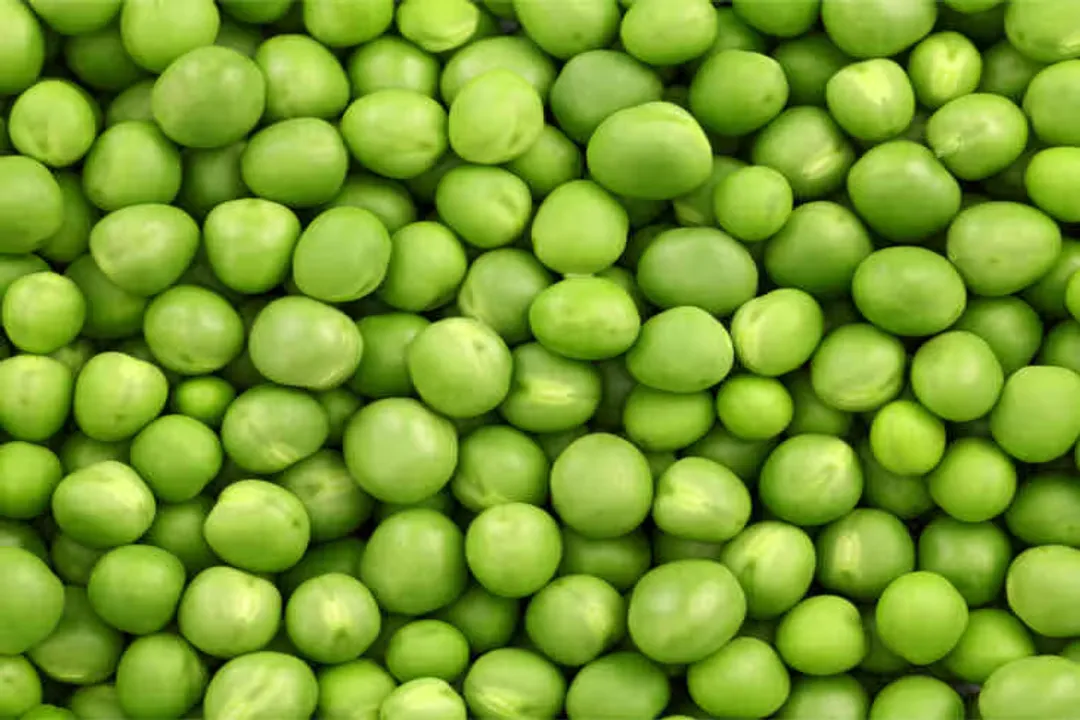
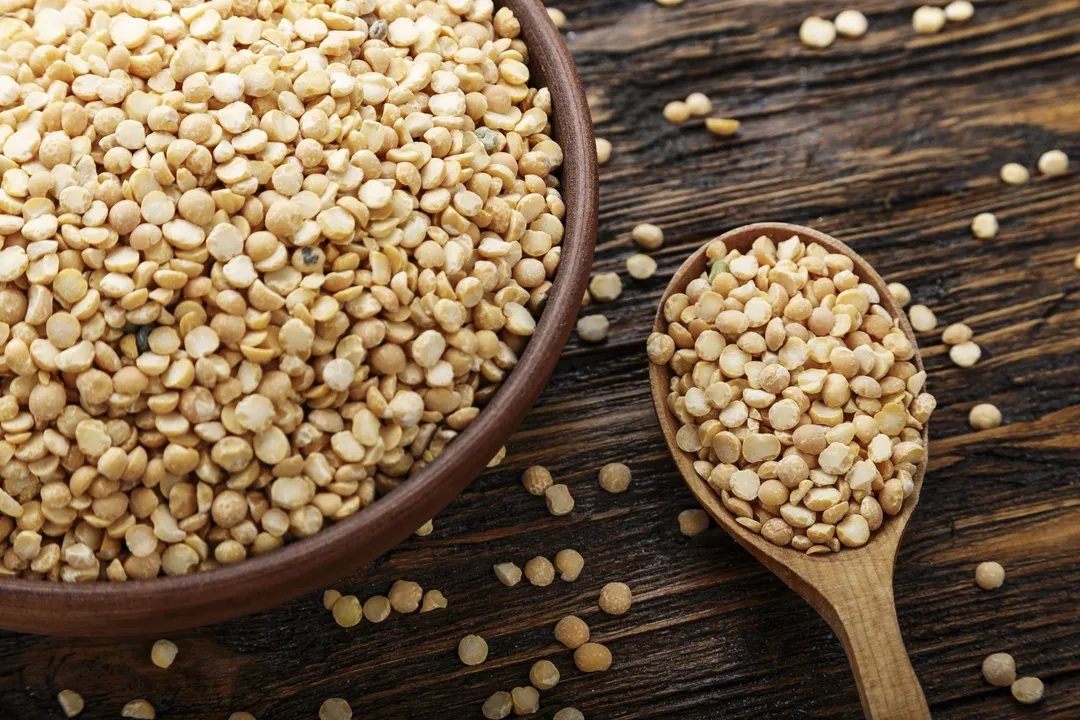
Split peas, often overlooked in favor of trendier legumes, are humble yet incredibly potent sources of nutrition. These dried legumes, which are essentially the dried, peeled seeds of the Pisum sativum plant, are typically categorized as either green or yellow, though their fundamental health contributions remain remarkably consistent. [1][5][9] For centuries, they have served as an affordable, dependable staple food across numerous cultures, providing substantial amounts of essential nutrients that support everything from heart function to digestive regularity. [5][7]
# Nutritional Powerhouse
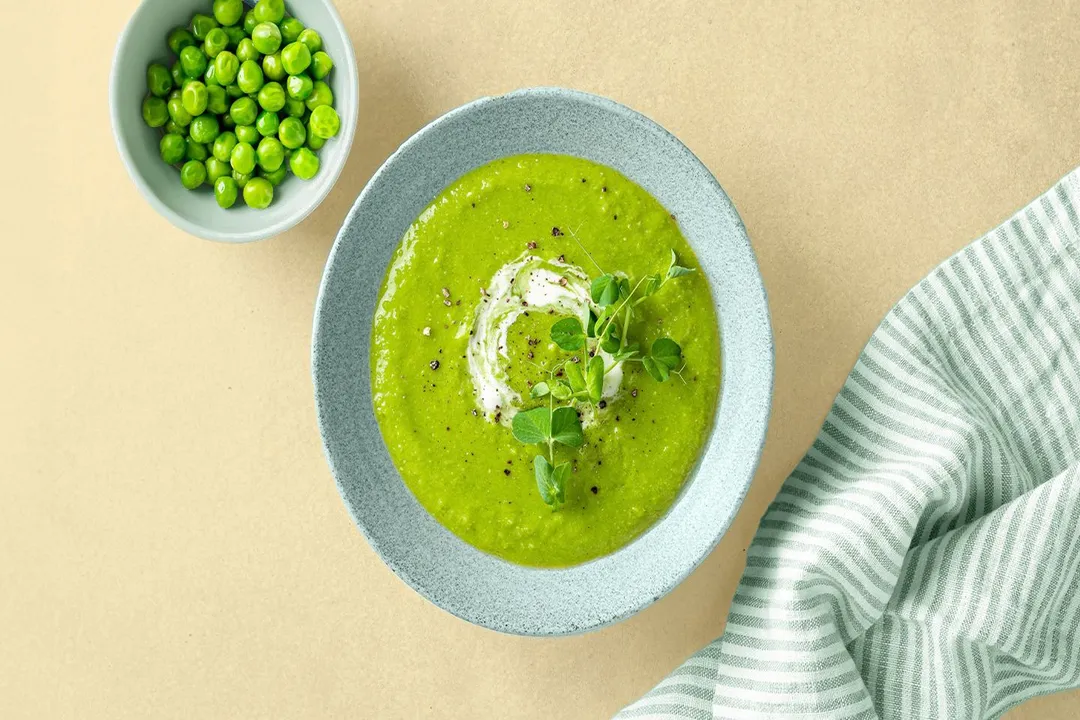
The core strength of the split pea lies in its macronutrient profile, which is characterized by high fiber and plant-based protein, while remaining notably low in fat and sodium. [5][6] A single serving packs a significant micronutrient punch. For instance, they are an excellent source of several vital minerals and vitamins necessary for daily bodily processes. [1][2]
# Mineral Content
Manganese is particularly abundant in split peas, an essential trace mineral that plays a role in metabolism, bone formation, and antioxidant defenses. [1] Furthermore, they deliver considerable amounts of iron, which is crucial for oxygen transport in the blood, and potassium, which is central to maintaining healthy blood pressure levels. [1][6] Magnesium and phosphorus also feature prominently, supporting nerve function, energy production, and bone structure. [1] When considering building a budget-friendly pantry, the density of these minerals is unmatched by many other dry goods. [7]
# Vitamins and Folate
Split peas stand out for their B-vitamin content, especially thiamin (Vitamin B1). [1] Thiamin is instrumental in converting food into usable energy, a foundational process that impacts every cell in the body. [1] Equally important is the high concentration of folate (Vitamin B9), which is vital for proper cell division, DNA synthesis, and is especially critical during periods of rapid growth or for pregnant individuals. [1] While green split peas are highly regarded for these components, yellow split peas also contribute significant Vitamin A and Vitamin C, offering a slightly different spectrum of micronutrients depending on the variety chosen. [9]
# Heart Health Support
The combination of nutrients found in split peas offers direct, measurable benefits for cardiovascular wellness, primarily through their impact on cholesterol and blood pressure regulation. [1][4]
# Cholesterol Reduction
The high dietary fiber content is perhaps the most celebrated cardiac benefit. [1][4] Split peas contain both soluble and insoluble fiber. [1] The soluble fiber component acts like a sponge in the digestive tract, binding with cholesterol particles—specifically low-density lipoprotein (), often termed "bad" cholesterol—and ushering them out of the body before they can be absorbed. [1][4] Reducing levels is a primary goal in reducing the risk factors associated with heart disease. [1]
# Blood Pressure Management
In tandem with their fiber action, the significant potassium content in split peas directly opposes the effects of sodium, helping to relax blood vessel walls and maintain healthy blood pressure parameters. [6] This dual mechanism—lowering and supporting optimal blood pressure—makes incorporating these legumes a proactive dietary step for heart protection. [1] It’s worth noting that because they are naturally low in sodium, preparing them without excessive added salt keeps this benefit intact. [5]
# Digestive Wellness
The impact of split peas on the gastrointestinal system is profound, largely thanks to their robust fiber matrix. [1][4] This isn't just about regularity; it involves supporting the entire gut ecosystem.
# Fiber Quantity and Type
A single cup of cooked split peas can provide a substantial portion of the daily recommended fiber intake. [1] The insoluble fiber adds bulk to stools, promoting regular bowel movements and helping to prevent constipation. [4] Conversely, the soluble fiber acts as a prebiotic, serving as food for the beneficial bacteria residing in the colon. [1] This selective feeding of helpful microbes helps maintain a balanced and diverse gut microbiome, which is increasingly recognized as foundational to overall health, extending far beyond simple digestion. [4]
# Gut Protection
The creation of short-chain fatty acids () through the fermentation of this fiber by gut bacteria offers protective effects for the colon lining. [4] When we choose a staple like split peas over highly refined starches, we are actively feeding our gut in a way that supports long-term intestinal health and potentially reduces inflammation. [4] This prebiotic function is a key reason why dietary inclusion of legumes is often recommended by nutritionists focused on long-term digestive maintenance.
# Blood Sugar Stability
For anyone concerned with maintaining stable energy levels or managing blood glucose, split peas offer an excellent, low-impact carbohydrate choice. [1][4]
# Low Glycemic Load
Split peas have a low glycemic index (). [1] This means that when consumed, the carbohydrates they contain are released slowly into the bloodstream, preventing the sharp spikes in blood sugar that can lead to energy crashes and long-term insulin resistance. [4] This effect is due to the combination of high fiber and high protein content, both of which slow down the rate at which the stomach empties and the subsequent absorption of sugar. [1][4] This characteristic makes them a superior choice compared to many refined grain products when seeking sustained energy release throughout the day.
# Weight Management Aid
The satiety factor provided by split peas is a major advantage for those looking to maintain or achieve a healthy body weight. [1]
# Satiety Factor
Protein and fiber are the two macronutrients known best for promoting fullness. [4] Split peas deliver heavily on both counts. A meal incorporating them tends to leave an individual feeling satisfied for longer periods, naturally reducing the likelihood of overeating or excessive snacking between meals. [1] Given that they are also low in calories relative to the volume they provide when cooked, they offer high nutritional return for a low caloric cost. [1] This density of beneficial elements without excessive energy intake is a hallmark of truly beneficial weight management foods.
# Culinary Comparison and Application
While often discussed as a single entity, understanding the slight differences between green and yellow varieties, and how they function in the kitchen, adds depth to their practical appeal. [9]
# Green Versus Yellow
Green split peas are essentially dried, hulled, and split green field peas. [9] They are the variety most commonly found in Western markets and are traditional in classic dishes like thick, hearty split pea soup. [5][10] Yellow split peas, on the other hand, are often made from different, usually yellow-seeded, varieties of peas. [9] In Indian cuisine, the yellow variety, known as chana dal or similar preparations, is fundamental to making dal—a creamy, spiced lentil stew. [9] While the nutritional core remains similar, the color difference often signals a slightly different background in culinary tradition and perhaps minor variations in micronutrient presentation, as noted with the Vitamin A/C mention for yellow peas. [9]
# Preparing the Perfect Pot
One practical consideration when using split peas, which is less common with canned beans, is the preparation method. While some sources note they do not always require pre-soaking, soaking can be beneficial for two reasons: reducing cooking time significantly and potentially improving digestibility for sensitive individuals. [2]
If you are aiming for a creamy, fully broken-down texture, such as for a smooth soup or dip, simmering longer is key, and adding a pinch of baking soda can help the skins break down faster. [2] However, if you prefer the peas to retain some of their shape, a shorter cook time or skipping the baking soda is advisable. [2]
For optimal nutrient utilization in a home kitchen, consider this approach: for standard soup, a 4-hour soak, followed by a 45-minute simmer works well. If you are short on time, the no-soak method still yields great results, though it might require an extra 15-20 minutes of boiling time to reach the desired tenderness. [2]
This adaptability, allowing the pea to move seamlessly from a coarse, rustic texture in a European soup to a finely blended purée in an Asian preparation, underscores its versatility. [9][10]
# Beyond Soup
While pea soup is synonymous with split peas, expanding their use unlocks even more dietary benefits. Thinking about the cost-efficiency of this staple is insightful. When comparing the price per gram of protein or per 100 grams of fiber against many common meat or grain sources, split peas often come out ahead, offering a significant nutritional return for a minimal financial investment. [5][7] This makes them a cornerstone ingredient for anyone aiming to maximize nutrition on a tight budget.
# Alternative Culinary Uses
Instead of always reaching for rice or pasta as a base, consider using cooked, mashed split peas as a thickener or base for stews, providing a fiber and protein boost that grains lack. [5] They can be incorporated into veggie burgers, adding binding structure and density while boosting the protein content far beyond what most flours can offer. [6] For a quick snack or appetizer, blending cooked yellow peas with lemon juice, garlic, and olive oil creates a vibrant dip, similar to hummus but using a different legume profile entirely. [9] They also lend themselves well to being blended into purees to replace some of the higher-fat ingredients in casseroles or baked goods, acting as a binder and moisture retainer. [6]
# Antioxidant Profile
In addition to the well-known vitamins and minerals, split peas contain various phytonutrients and antioxidants, such as isoflavones. [4] These compounds are plant-based chemicals that help protect the body’s cells from damage caused by free radicals, which contributes to overall disease prevention. [4] While perhaps not as frequently highlighted as the fiber content, this defensive chemical layer adds another dimension to their health credentials, supporting long-term cellular vitality. [4]
# Building a Better Meal
When integrating split peas into a meal, pairing them with certain ingredients can further enhance their health profile. For example, because they contain iron, pairing them with a source of Vitamin C—like tomatoes, bell peppers, or a squeeze of lemon juice—can significantly increase the non-heme iron's bioavailability, meaning your body can absorb and use that iron more effectively. [1] This simple, intentional pairing is an actionable step that transforms a good source of iron into a great one. [1] The natural richness of iron in split peas, combined with the high folate, makes them an excellent component for promoting healthy blood cell formation when paired thoughtfully with Vitamin C sources. [1]
Split peas stand as a testament to the power of simple, minimally processed foods. Their dense profile of fiber, protein, folate, and key minerals provides clear advantages for cardiovascular health, digestive function, and blood sugar management, all while being remarkably budget-friendly and adaptable across diverse culinary traditions. [1][4][5][6]
Related Questions
#Citations
Split Peas Nutrition Facts and Health Benefits - Verywell Fit
[PDF] Health Benefits of Split Peas - Coos County Friends of Public Health
The Power of Split Peas - Harmony House Foods
split peas | Health Topics - NutritionFacts.org
Split peas: origins, varieties and health impacts | Bonduelle...
What Are the Health Benefits of Pea Soup? - Everyday Health
Split Peas | Greater Chicago Food Depository
Why Green Peas are Healthy and Nutritious - Healthline
Yellow Peas: The Amazing Superfood Ingredient - Natural Health
Rustic Split Pea - Organic Soup Kitchen