Health Benefits of Pea

Peas, the small, spherical legumes often found frozen or canned in kitchens around the world, hold a surprisingly dense package of nutritional advantages that extend far beyond being a simple side dish. [1][2] While frequently associated with childhood meals, these members of the Pisum sativum family are genuine nutritional powerhouses, offering significant benefits for digestion, heart function, and overall well-being due to their unique composition of macro and micronutrients. [3][4][5] Their impressive profile makes them a food worth paying closer attention to, especially for those looking to boost plant-based intake without compromising on essential building blocks like protein. [6][7]
# Plant Protein
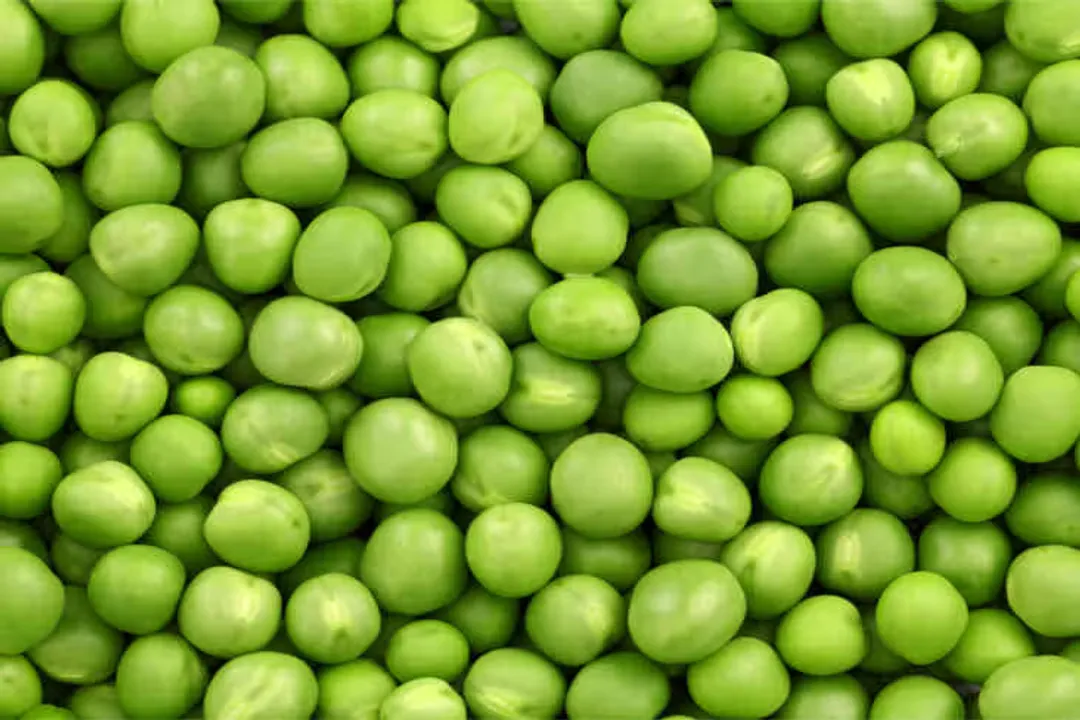
For individuals reducing their meat consumption or seeking convenient vegetarian protein sources, green peas stand out prominently. [6][7] They offer a substantial amount of this vital macronutrient, which is essential for muscle maintenance, enzyme production, and numerous bodily processes. [6] Depending on the specific variety and preparation, peas can contain a notable percentage of protein relative to their caloric content. [3] Comparing them to other common vegetables, peas deliver significantly more protein per serving, making them a far more effective contributor to daily protein targets. [7] This protein quality is often a topic of interest, and while legumes are sometimes noted for lacking specific amino acids compared to animal sources, combining peas with grains throughout the day helps achieve a complete amino acid profile. [8]
# Dietary Fiber

The fiber content in peas is another area where they truly shine, contributing significantly to gut health and metabolic balance. [1][5] Peas provide both soluble and insoluble types of fiber, each serving a distinct, yet complementary, purpose in the digestive tract. [4][5] Insoluble fiber aids in promoting regularity and adding bulk to stools, helping to prevent constipation. [4] Soluble fiber, conversely, forms a gel-like substance in the gut, which plays a role in moderating blood sugar levels and potentially binding to cholesterol for removal. [1][5] A typical cup of cooked green peas can contribute a meaningful fraction of the recommended daily fiber intake for adults. [4] Considering that many modern diets fall short on fiber, consciously adding a serving of peas can significantly close that gap; for example, if an average adult needs around 25-30 grams of fiber daily, a single cup of peas might contribute nearly one-third of that total, a substantial boost derived from a low-fat vegetable. [1]
# Blood Sugar Control
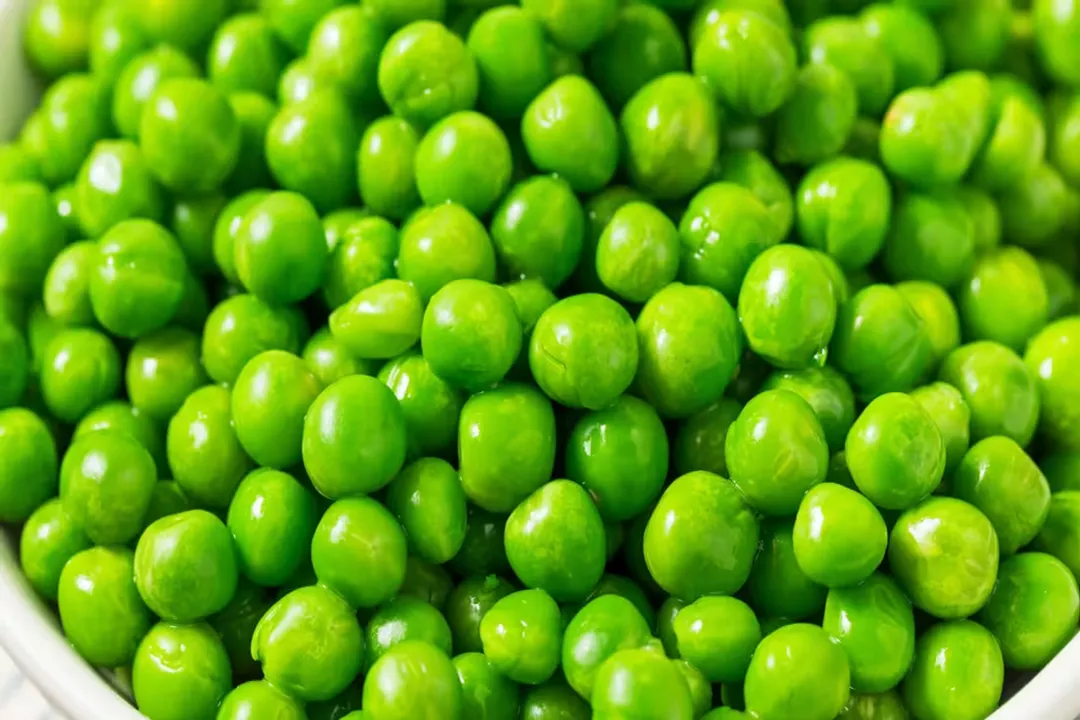
The combination of high fiber and moderate protein levels in peas contributes directly to their beneficial effect on blood sugar regulation. [1][5] Foods that are high in fiber and protein tend to be digested more slowly, which results in a gentler, more gradual rise in blood glucose levels after eating, rather than a sharp spike. [5] This characteristic positions peas as a smart choice for individuals monitoring their carbohydrate intake or those managing pre-diabetes or type 2 diabetes. [1] The presence of certain starches, which are slowly digested, also helps maintain stable energy release throughout the mid-morning or afternoon, offering sustained energy rather than a quick crash. [5]
# Heart Health
Maintaining a healthy cardiovascular system benefits considerably from incorporating peas into the regular diet, primarily through their impact on cholesterol and blood pressure management. [1][5] The soluble fiber previously mentioned acts as a kind of internal cleaner, helping to trap and eliminate dietary cholesterol before it is absorbed into the bloodstream. [1] Furthermore, peas are a source of essential minerals that are well-known regulators of blood pressure, such as potassium and magnesium. [3] While the emphasis is often placed on lowering sodium, ensuring adequate intake of these balancing minerals is equally important for maintaining healthy blood pressure readings. [3] Including legumes like peas regularly is a strategy supported by dietary guidelines aimed at long-term heart strength. [5]
# Micronutrient Density
Beyond the macronutrients, peas deliver a spectrum of necessary vitamins and minerals in relatively small packages. [3][7] They are particularly noted for their high concentration of Vitamin K, which is critical for blood clotting and plays a role in bone health. [3] Furthermore, peas provide significant amounts of Vitamin C, an important antioxidant that supports immune function, as well as several B vitamins, including folate, which is vital for cell division and DNA synthesis. [3][7]
# Key Minerals
Among the minerals present, manganese is often highlighted, as it is necessary for enzyme function and metabolism. [3] Iron and phosphorus are also present, contributing to energy production and bone structure, respectively. [3] When evaluating the nutritional density, it is helpful to consider that frozen or lightly cooked peas often retain these heat-sensitive vitamins better than vegetables that are heavily processed or boiled for extended periods. [7] For instance, a quick blanch or steaming preserves far more Vitamin C than long boiling, where water-soluble vitamins can leach out significantly. [7]
# Antioxidant Power
Peas contain various bioactive compounds that function as antioxidants, helping the body combat oxidative stress caused by free radicals. [5][9] These protective substances include flavonoids and phenolic acids. [5] While many people turn to berries for antioxidants, pulses like peas offer a different and valuable array of these compounds. [9] For example, the presence of coumestrol, a type of phytoestrogen, is notable in legumes and has been studied for its potential anti-cancer effects, though more research is continuously needed in this area. [5] These compounds contribute to the overall anti-inflammatory environment the body seeks to maintain for long-term health. [9]
# Digestive Wellness
The benefits for the gut extend beyond just fiber-induced regularity. [4] Peas contain carbohydrates that act as prebiotics, meaning they feed the beneficial bacteria residing in the colon. [10] A thriving population of good gut flora is linked to better nutrient absorption, improved immune response, and even positive impacts on mood regulation. [10] When these prebiotic fibers are fermented by gut bacteria, they produce short-chain fatty acids (SCFAs), which are crucial for maintaining the integrity of the intestinal lining. [10] This symbiotic relationship between the pea fiber and the gut microbiome underscores why regularly consuming these legumes supports overall digestive wellness, not just transit time. [4]
# Weight Management
For those focused on managing their weight, the satiety factor provided by peas is a major advantage. [6] Protein and fiber are the two nutrients most strongly associated with making you feel full for longer periods. [6] By promoting satiety, peas can naturally reduce the likelihood of overeating or snacking between meals. [6] Because they offer a high volume of nutrients for a relatively low caloric count, swapping out a less nutrient-dense carbohydrate source for a serving of peas in a meal can increase satisfaction without significantly adding calories, aiding in creating a sustainable calorie deficit. [3]
# Pea Soup Considerations
When prepared thoughtfully, dishes like pea soup can concentrate these benefits, but preparation methods matter significantly. [4] Traditional split pea soup, for example, is extremely high in fiber and protein, making it an incredibly satiating and budget-friendly meal. [4] However, one must be mindful of what is added to the soup base. While ham hocks or bacon might add flavor, they drastically increase the sodium and saturated fat content, potentially offsetting the inherent health advantages of the peas themselves. [4] A healthier preparation often involves simmering split peas with vegetable stock, herbs, and perhaps a lean protein source, ensuring the final product remains a heart-healthy option packed with vegetable nutrients. [4] When preparing homemade pea soup, consider using a hand blender to make it creamy instead of adding excessive amounts of heavy cream; this technique incorporates the pea solids directly, maximizing the fiber and nutrient load while keeping the texture pleasingly thick. [4]
# Comparison Across Forms
Peas are available fresh, frozen, canned, or dried (like split peas). [7] The nutritional profile remains largely intact across most forms, with some minor variations worth noting. [7] Fresh peas are excellent but are less common year-round and have a shorter shelf life. [7] Frozen peas are often considered the gold standard for retaining nutrient levels because they are typically picked and flash-frozen at peak ripeness, locking in vitamins like Vitamin C and folate, sometimes surpassing the levels found in fresh produce that has spent days in transit. [7] Canned peas, while convenient, often contain added sodium unless labeled otherwise, and the canning process can reduce some water-soluble vitamins. [7] Dried split peas are excellent for fiber and protein but require longer cooking times, which can affect some heat-sensitive vitamins, although the hardy minerals and structural fiber remain largely unaffected. [4][7] Understanding these slight differences allows for informed purchasing based on convenience versus peak nutrient retention goals. [7]
# Phytic Acid Context
As a legume, peas contain phytic acid, which is a compound that can bind to minerals like iron and zinc, potentially reducing their absorption—a concept known as an anti-nutrient. [8] However, traditional preparation methods effectively mitigate this concern. [8] Soaking dried peas before cooking, or using methods like sprouting, significantly breaks down phytic acid, thereby enhancing the bioavailability of the minerals within the pea. [8] Boiling or cooking, standard for most pea preparations, also reduces phytic acid levels. [8] This means that for the average consumer preparing peas via standard cooking techniques, the mineral content remains highly accessible and beneficial. [8]
# Summary of Contributions
To summarize the broad impact of incorporating peas: they support satiety and weight management through protein and fiber; they actively contribute to heart health by influencing cholesterol and blood pressure via specific minerals and soluble fiber; they stabilize blood glucose due to their slow digestion rate; and they provide a rich source of various essential vitamins and protective antioxidants. [1][3][5][7] Their accessibility and versatility, spanning from simple steamed vegetables to the base of a hearty soup, make them an easy addition to almost any dietary pattern. [4][7]
Related Questions
#Citations
Are Peas Good for You? 7 Benefits of Peas - Health Cleveland Clinic
Health Benefits of Peas - WebMD
Why Green Peas are Healthy and Nutritious - Healthline
What Are the Health Benefits of Pea Soup? - Everyday Health
Recent advances in the health benefits of pea protein (Pisum sativum)
Nutritional composition and health benefits of peas—a bibliometric ...
Top 10 health benefits of peas - BBC Good Food
Potential health benefits of garden pea seeds and pods: A review
Review of the health benefits of peas (Pisum sativum L.)
What Happens to Your Body When You Eat Peas Regularly