Health Benefits of Radish
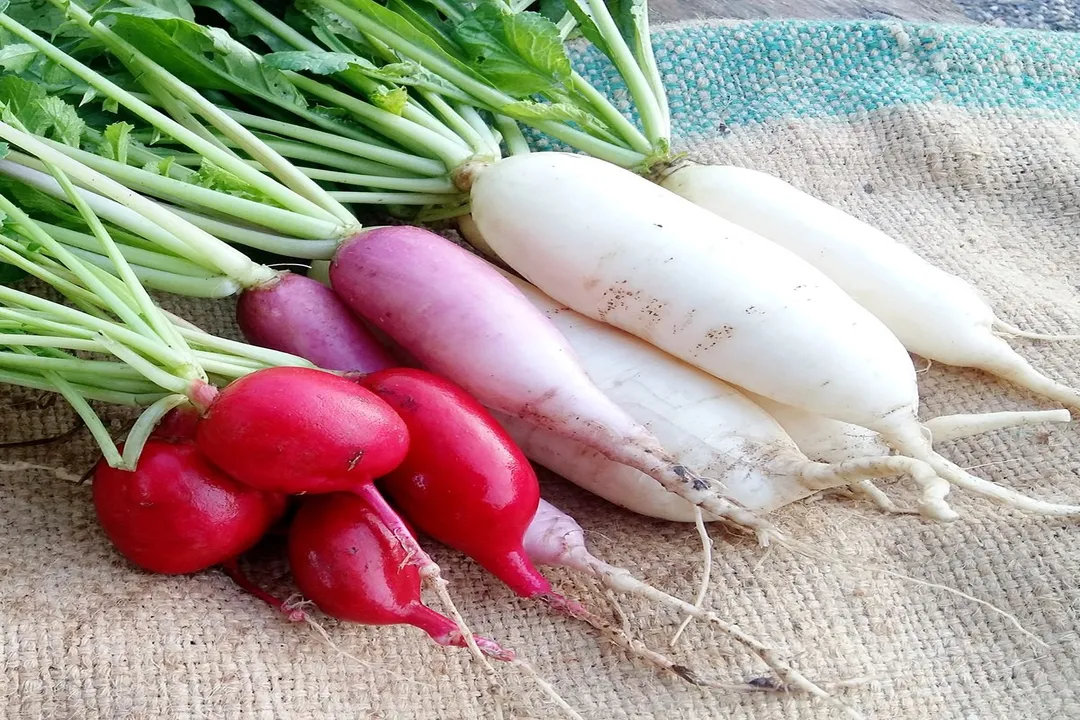
Radishes are small, unassuming root vegetables, often recognized only by their sharp bite in a fresh salad, yet they carry a surprising load of health advantages. Belonging to the Brassica family—sharing ancestry with broccoli, kale, and cabbage—these crunchy orbs, which can range from bright red globes to elongated black or purple varieties, have been part of traditional medicine systems for millennia, including Ayurveda and Traditional Chinese Medicine, where they were historically used to address issues like fever and inflammation. [1][3] While modern clinical trials on humans are still catching up, centuries of folk remedy application combined with contemporary lab research suggest that incorporating even a small serving of radishes into your daily intake can yield significant benefits for overall wellness. [1]
# Calorie Crunch
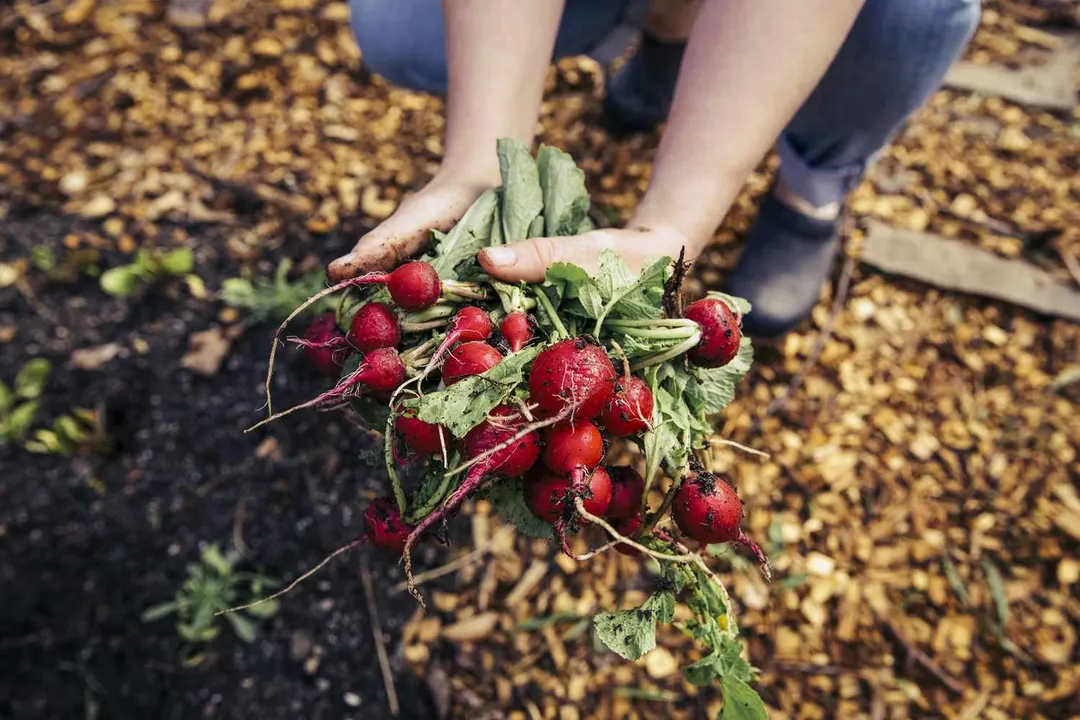
One of the most immediate appeals of the radish is its remarkable nutritional density relative to its caloric load. A modest half-cup serving of sliced, raw radish typically clocks in at only about 9 to 12 calories. [2][3] They are almost devoid of fat and contain very few carbohydrates and sugars, making them an excellent choice for weight management or for those monitoring sugar intake. [1][3] Furthermore, they possess a low glycemic index, meaning they are unlikely to cause rapid spikes in blood sugar levels. [3]
This minimal caloric package is packed with micronutrients. Radishes stand out as a strong source of Vitamin C; that same half-cup serving can provide roughly 10 to 15 percent of your recommended daily allowance. [2][4] Vitamin C is an important antioxidant that helps the body ward off damage from free radicals, which are implicated in aging and disease. [1] Beyond this key vitamin, radishes supply a decent array of other essential compounds, including potassium, calcium, magnesium, folate, and phosphorus. [2]
When looking closely at the nutritional makeup, it becomes clear that the root itself is only part of the story. Consider this comparison based on available data points, focusing on a typical 1/2 cup serving of the root versus the known benefits of the leaves:
| Component | Root (Approx. 1/2 Cup Sliced, Raw) | Leaves (General Comparison) |
|---|---|---|
| Calories | ~9–12 kcal | Lower (though specific half-cup data is less common) |
| Vitamin C | ~10–15% RDA | Higher than the root [3] |
| Protein | ~0.35–0.4 g | Higher than the root [3] |
| Fiber | 1 gram | Significant source; may be higher than root [1][3] |
This analysis highlights a practical way to maximize your return on investment when you purchase a bunch of radishes: nearly every part is usable. For instance, if you are looking for an immediate boost of nutrients like Vitamin C or protein without adding many calories, focusing on the greens might offer a slight edge over just consuming the root bulb. [3]
# Cancer Defense
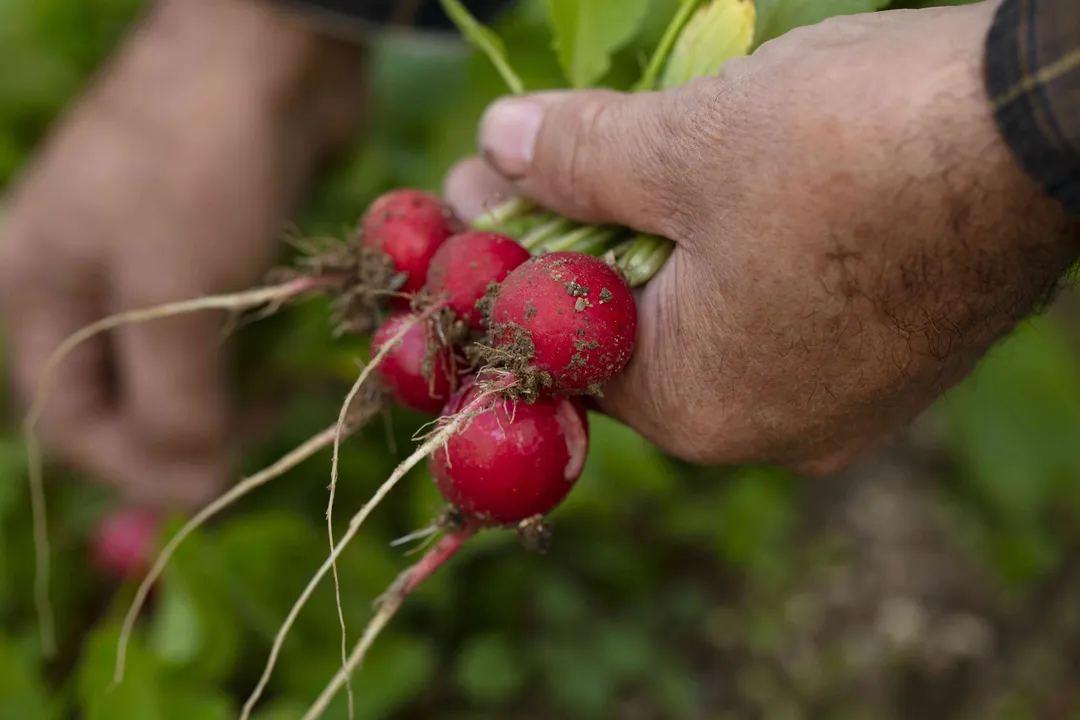
Radishes are members of the cruciferous vegetable group, a class well-known for containing protective plant compounds. [2][4] Specifically, radishes house sulfur-containing substances like glucosinolate and isothiocyanate. [2][3] When these compounds interact with water—which happens as we digest them—they convert into active agents that may help the body neutralize cancer-causing substances and potentially block tumor formation. [1][4] Research has indicated that extracts from radish roots contain various isothiocyanates that induced programmed cell death in certain cancer cell lines in vitro. [1] Furthermore, these antioxidants are suggested to offer protective benefits against several cancer types, including those affecting the prostate, breast, colon, and liver. [3] The spicy flavor common to radishes often correlates directly with the presence of these beneficial chemical compounds. [2]
# Gut Movement
The importance of roughage cannot be overstated when discussing digestive health, and radishes deliver on this front. A standard half-cup serving provides about 1 gram of dietary fiber. [1] Fiber adds bulk to the stool, which is necessary for preventing constipation and ensuring smooth waste passage through the intestines. [1][4] Adequate fiber intake is also generally associated with better management of blood sugar and cholesterol levels. [1]
Interestingly, the benefits extend beyond the root's fiber content. Studies involving animals have suggested that radish juice might offer direct protection to the stomach lining, potentially helping to prevent gastric ulcers by reinforcing the mucosal barrier that shields the stomach and intestines from toxins and harmful microorganisms. [1] This concept of internal protection is further supported by modern findings related to the radish greens. Research indicates that polysaccharides found specifically in radish greens exhibit prebiotic effects, meaning they feed beneficial gut bacteria, which is a key component of a healthy digestive ecosystem and may even play a role in obesity management. [2][5]
# Heart Vessels
A healthy cardiovascular system relies heavily on maintaining proper blood pressure, and radishes contain several components that support this effort. [3] The combination of potassium and Vitamin C in radishes is known to assist in blood pressure regulation. [3][4] The leaves, in particular, have been studied for their effect on hemodynamics; one animal study pointed to an extract from the radish leaves lowering both blood pressure and heart rate. [2][3] Additionally, radishes are recognized as a source of natural nitrates, which are known to aid in improving blood flow. [3]
One fascinating finding centers on a specific alkaloid called trigonelline, which appears to be particularly concentrated in the giant Sakurajima daikon variety. [2] In a study involving healthy human volunteers, trigonelline was shown to have positive effects on blood vessel health, suggesting a direct mechanism for supporting cardiovascular function beyond just generalized mineral intake. [2] Supporting blood vessel integrity is also linked to the collagen production that Vitamin C aids in, further cementing the radish's place in a heart-conscious diet. [1][4]
# Leaf Power
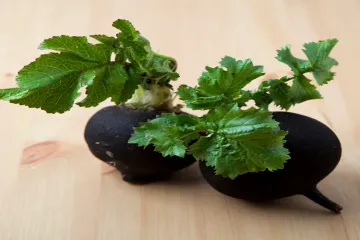
In many Western culinary traditions, the greens that sprout from the top of the radish bulb are quickly clipped and discarded, perhaps seen as tough or bitter. However, bypassing the greens means missing out on a substantial nutritional payload. [3] As noted when comparing nutrient profiles, the leaves often contain higher concentrations of key elements than the roots themselves, including protein, calcium, and antioxidants, in addition to Vitamin C. [3]
If you are concerned about blood health, the iron content in radish leaves makes them a helpful addition for those managing or preventing anemia. [3] Furthermore, the leaves are versatile in the kitchen. They can be treated much like other robust greens—sautéed with garlic, tossed raw into a salad for extra texture, or even blended into a vibrant pesto. [3][5] Considering the ecological aspect of minimizing food waste alongside the enhanced nutrition, treating the greens as a primary ingredient rather than a byproduct is a sensible approach.
For those accustomed to throwing the tops away, a good starting point for integrating them is employing the Two-Part Harvest Strategy for optimum flavor and storage. When you purchase or harvest a bunch, immediately separate the greens from the roots. The roots, which should be washed and stored in a plastic bag with a damp paper towel, can keep fresh in the refrigerator for up to two weeks. [3] The greens, however, should be used within two or three days, or wilted slightly if you plan to sauté them immediately, as they lose moisture and vitality quickly compared to the root. [3] This strategy ensures you enjoy the fresh, peppery snap of the root raw, while immediately processing the leaves into a cooked side dish or pesto before they decline.
# Fungal Fight
Radishes possess natural defenses against certain fungal organisms, thanks in part to an antifungal protein known as RsAFP2. [1][3] This protein has been shown in laboratory settings (in vitro) to successfully induce cell death in Candida albicans, the fungus responsible for common ailments like oral thrush and vaginal yeast infections. [1][3] One analysis even suggested that white radish essential oil demonstrated superior effectiveness against C. albicans compared to the common antifungal drug itraconazole in a test tube environment. [2] It is critical to note that while these findings are encouraging demonstrations of the radish's natural potency, they have primarily been observed outside of a living human system, meaning direct self-treatment based on these studies is not advisable. [1][2]
In a different type of microbial defense, radish extract has been investigated for its ability to counter zearalenone (ZEN), a toxic mycotoxin that can contaminate corn and animal feed. [1] Studies in mice demonstrated that radish extract could improve the animals' antioxidant status when they were exposed to ZEN, suggesting the vegetable may offer a safe way to mitigate the negative effects of this toxin. [1]
# Prudent Limits
While radishes offer many positives, moderation is advised, as with any potent food. For most people, sticking to about a half-cup serving daily is a safe guideline. [2][3] There are specific populations who should exercise caution or consult a healthcare provider first.
Since radishes may stimulate bile production, individuals diagnosed with gallstones should seek medical approval before consuming them in larger amounts. [1] Due to their potential to help lower blood sugar, consuming excessive amounts could theoretically cause blood sugar to drop too low (hypoglycemia) in individuals who already have normal or low levels. [2] Similarly, because radishes act as a mild diuretic, overconsumption could lead to dehydration. [2]
Concerns about thyroid function have been raised based on an older animal study suggesting chronic, high intake could interfere with hormone production. [1][2] While newer research may offer different perspectives, individuals with pre-existing thyroid conditions should approach heavy consumption mindfully. [1] Finally, those who are pregnant are generally advised to avoid raw radishes and other raw sprouts due to the risk of bacterial contamination, such as Listeria, which washing cannot eliminate. [2]
# Kitchen Uses
The peppery nature of most radishes, particularly the common red globe variety, mellows considerably when cooked. Roasting, grilling, or sautéing radishes with aromatics like olive oil and garlic transforms them into a sweeter, softer side dish, taking away some of that initial sharp bite. [1][3] If you prefer the crunch, slicing them thin for sandwiches, tacos, or grain bowls provides a welcome, zesty texture. [1] Pickling is another excellent preservation and flavor-altering method, allowing you to store them for up to a year. [3] Whether you are using them as a simple crudité with a yogurt dip or incorporating daikon into traditional Korean kimchi, radishes offer a quick, low-calorie way to inject flavor and nutrients into your meal. [1][3]
Related Questions
#Citations
Radish: Health Benefits, Nutrition and Medicinal Uses - WebMD
8 Health Benefits of Radishes
10 Radish Health Benefits You Need to Know - Taste of Home
Are Radishes Good for You? - Healthline
4 Top Radish Health Benefits - Nutrition