Health Benefits of Orange Tomato
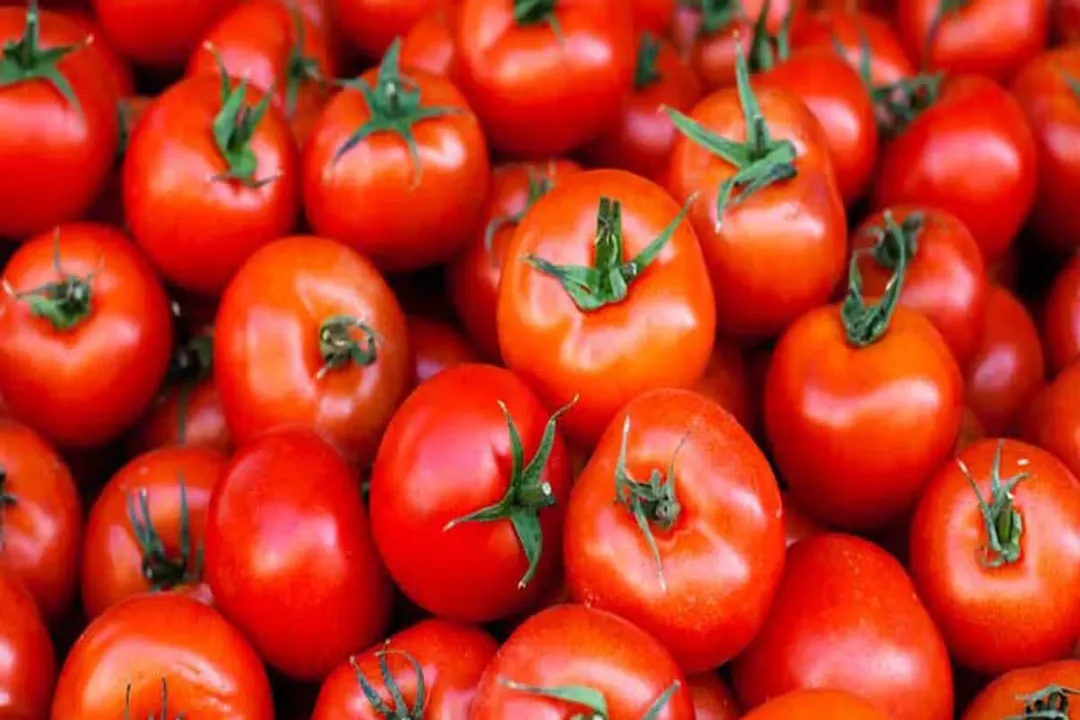
The vibrant spectrum of the garden offers more than just aesthetic appeal; it presents a choice between distinct nutritional profiles, especially when considering the humble tomato. While the deep, fire-engine red variety has long dominated our plates and perceptions of tomato health, a quieter contender, the orange tomato, is making a compelling case for attention. [1][3] This fruit, ranging from soft apricot hues to deep sunset shades, is packing a punch that challenges the traditional nutritional hierarchy, offering unique benefits derived from its specific carotenoid makeup. [1][6]
# Nutritional Makeup
Tomatoes, regardless of their final color, are excellent sources of essential nutrients, contributing significantly to daily intake goals for vitamins and minerals. [4][7] They are known for supplying potassium, an electrolyte crucial for regulating blood pressure, and magnesium, which supports muscle and nerve function. [4] Furthermore, they offer good amounts of Vitamin K and folate. [7]
However, the orange varieties often stand out due to their specific balance of fat-soluble vitamins. They are particularly rich in Vitamin A, which the body derives from the beta-carotene they contain. [2][5] This beta-carotene content is a significant marker, as it is a precursor to Vitamin A, essential for maintaining healthy vision and supporting immune function. [5]
| Key Nutrient | Orange Tomato Benefit (Source Focus) | General Tomato Benefit |
|---|---|---|
| Lycopene | Can sometimes exceed red varieties [3] | Powerful antioxidant, linked to prostate health [1][8] |
| Beta-Carotene | High concentration [2] | Converted to Vitamin A for vision and immunity [5] |
| Vitamin C | Present in good amounts [4][7] | Immune support and collagen production [7] |
| Acidity | Often lower [2] | Affects taste and digestive comfort |
# Antioxidant Density
The most frequently discussed aspect of tomato health revolves around its antioxidant load, primarily dominated by the carotenoid lycopene. Lycopene is famous for its role in combating oxidative stress and has been studied extensively for its protective effects against certain chronic diseases, notably prostate cancer and cardiovascular issues. [8]
For decades, the deep red tomato was considered the undisputed champion of lycopene delivery. [3] However, recent research has introduced nuance to this narrative. Some studies have indicated that certain orange tomato varieties actually possess higher total lycopene content than their deeply pigmented red counterparts. [3] This is a fascinating divergence, suggesting that color alone is an imperfect metric for judging antioxidant strength in this fruit family. [6] While red tomatoes are excellent sources, the specific chemical composition in some orange strains positions them as equally, if not more, potent sources of this critical compound. [3]
Beyond lycopene, the shift in color reflects a difference in the dominant carotenoids present. Orange tomatoes often feature a higher concentration of beta-carotene compared to red tomatoes, which are dominated by lycopene. [2] Both are powerful antioxidants, but beta-carotene is metabolized into Vitamin A, offering a distinct supportive role for eye health that complements lycopene's cell-protective properties. [5] When considering a tomato for its antioxidant profile, a diverse intake across the color spectrum, including orange, ensures a broader array of beneficial phytochemicals enters the system. [1]

# Cardiovascular Support
The combined action of the vitamins, minerals, and antioxidants found in tomatoes contributes meaningfully to heart health. [5][7] The presence of potassium helps manage blood pressure by balancing the negative effects of sodium. [4][7] Simultaneously, the potent antioxidant activity, driven by compounds like lycopene and beta-carotene, works to protect the cardiovascular system by reducing inflammation and preventing the oxidation of LDL cholesterol—a key step in the development of arterial plaque. [8]
For those looking to integrate more heart-protective foods, the orange tomato provides a delicious, accessible vehicle for these compounds. [5] Its inclusion in daily meals, whether raw or lightly cooked, supports these systemic benefits. [7]
# Flavor and Acidity Profile
Moving from internal benefits to the simple pleasure of eating, the orange tomato often wins points for its taste profile, particularly for those sensitive to the sharpness of standard red varieties. [2] Many home gardeners and chefs note that orange tomatoes tend to be lower in acid content compared to their red cousins. [2][9]
This lower acidity translates to a perception of greater sweetness, making them particularly appealing for raw consumption. [2] If you find yourself reaching for tomatoes in salads, sandwiches, or as simple fresh snacks but are put off by a lingering tang, seeking out an heirloom or hybrid orange variety might solve that culinary dilemma. [2][9] This difference in flavor isn't just anecdotal; it’s a direct result of the underlying chemistry that determines which carotenoids dominate the fruit as it ripens. Choosing an orange tomato specifically for raw applications, where high heat doesn't mellow the acidity, is a practical strategy for maximizing enjoyment and consistent consumption. [2]

# Maximizing Health Intake
Integrating orange tomatoes into a regular diet is straightforward, though understanding their potential strengths can guide better purchasing or growing decisions. [9] Since lycopene absorption is enhanced by cooking with a small amount of fat—think a drizzle of olive oil in a warm sauce or when roasting—the health benefits of the lycopene in both red and orange varieties are best realized when heat is applied. [7][8]
However, the beta-carotene, being fat-soluble, also benefits from this preparation method, meaning that lightly sautéing or roasting your orange tomatoes alongside a healthy fat source can dramatically improve the bioavailability of their Vitamin A precursors. [5]
For a practical example, consider preparing a simple bruschetta topping. While red tomatoes are traditional, using chopped orange tomatoes with a little avocado oil (rich in monounsaturated fats) on toasted whole-grain bread provides a meal rich in Vitamin C, Vitamin A precursors, and healthy fats, all hitting several key dietary markers in one bite. [4][7] This combination moves beyond just eating the fruit to strategically pairing it to unlock its full spectrum of benefits. [5]
When growing your own, varieties like 'Jubilee' or 'Kellogg's Breakfast' are often cited by gardeners, showcasing that the health benefits are available directly from the vine, sometimes bypassing long-distance shipping that can degrade nutrient content. [9] When shopping, look for firm, richly colored fruit, as ripeness strongly correlates with peak antioxidant levels. [3] A slightly softer feel usually indicates peak flavor and nutrition, especially in these sweeter, lower-acid types. [2]
Related Questions
#Citations
Orange tomatoes pack bigger antioxidant punch - Reuters
Why Orange Tomatoes Are Good - Plow Maker Farms
Orange Tomatoes Top Deep Reds In Recent Lycopene-Content ...
Calories in Orange tomatoes - CheckYourFood
Health Benefits of Red and Orange Vegetables - WebMD
Orange tomatoes better for you? - NBC News
Tomatoes 101: Nutrition Facts and Health Benefits - Healthline
Tomatoes: An Extensive Review of the Associated Health Impacts of ...
Which Tomatoes Are the Healthiest to Grow? - Safer Brand