Health Benefits of Fiorentino Tomato
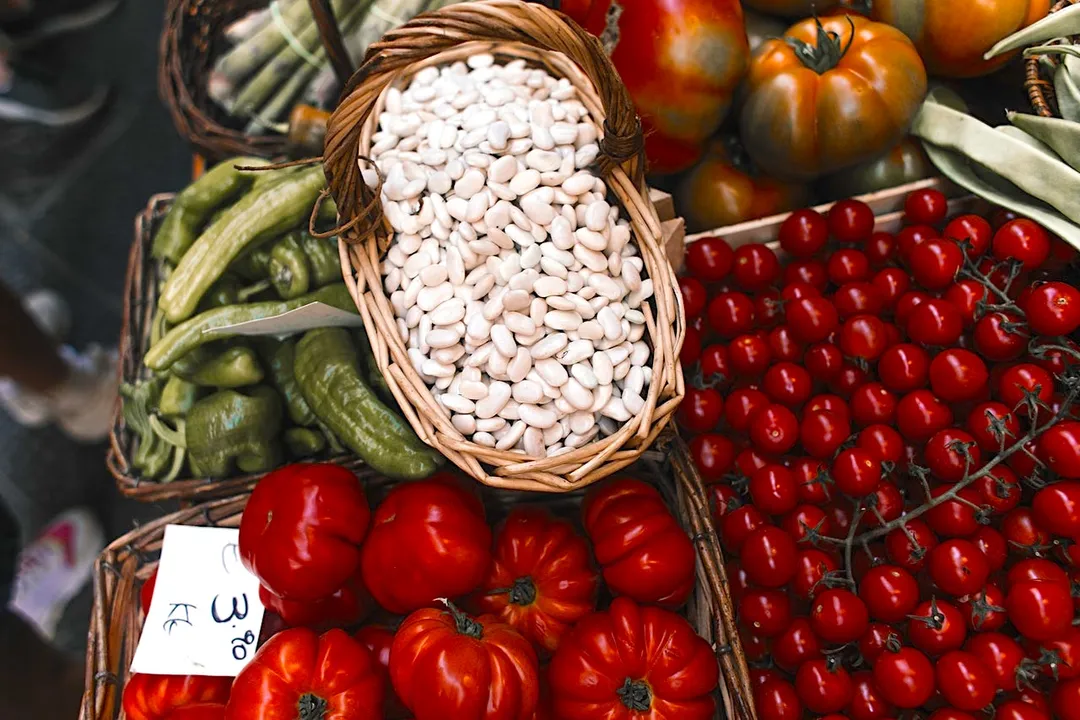
The Costoluto Fiorentino tomato is more than just an ingredient; it is a living piece of Italian agricultural history, bringing a unique texture and flavor profile to the table that hybrids often struggle to match. When delving into the benefits of incorporating this specific heirloom into one's diet, we discover a dual advantage: the inherent nutritional wealth found in all high-quality tomatoes, amplified by the careful cultivation and harvesting practices associated with time-tested varieties like this one from Florence. Understanding its characteristics—its flattened, deeply ribbed exterior and its meaty interior—gives us clues as to how best to reap its rewards.
# Heirloom Character
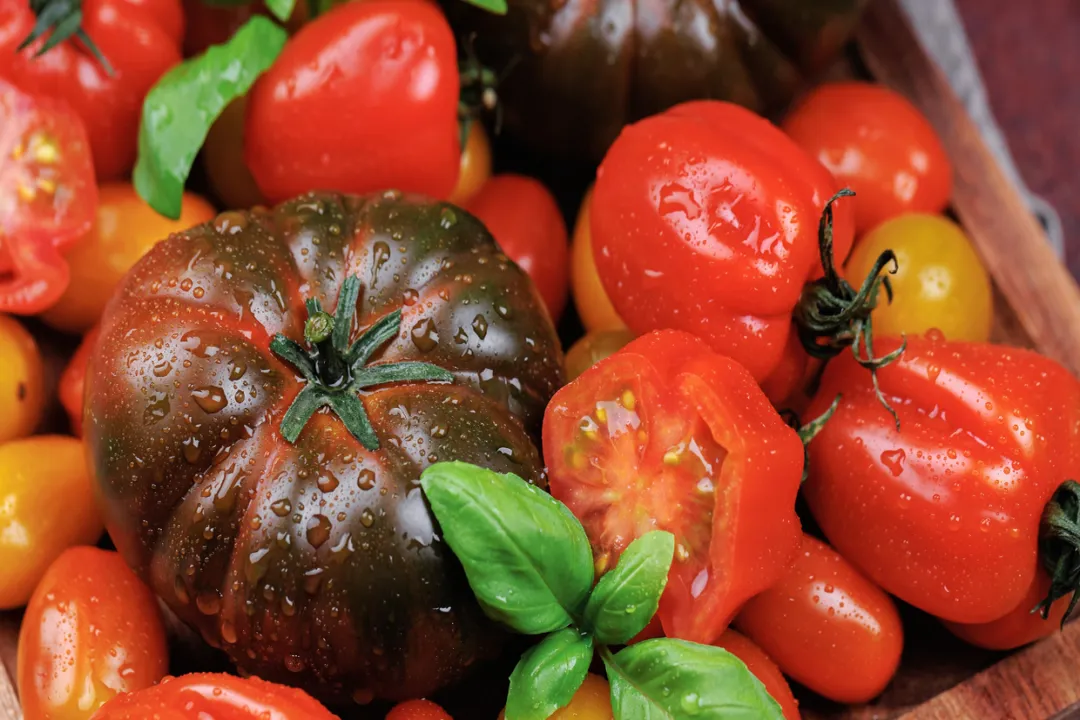
The very name Costoluto in Italian translates to "ribbed," immediately setting expectations for the Fiorentino's distinctive, often asymmetrical, appearance. This variety is categorized as an heirloom beefsteak, a description that speaks volumes about its density and quality. Beefsteak tomatoes are characterized by being meaty, possessing a significant amount of flesh relative to their seed cavities. While the Costoluto Fiorentino tends to be slightly smaller and less sweet than its cousin, the Costoluto Genovese, it delivers an intense taste that shines brightest when treated with respect.
Heirloom varieties, by definition, have been preserved through generations, often predating World War II, and they are open-pollinated, meaning gardeners can save the seeds and grow a nearly identical plant the following season. This historical preservation process is inherently linked to flavor selection, rather than traits optimized for commercial handling or long-distance transport. Commercial varieties are often bred for thick skins, disease resistance, and uniform appearance, sometimes at the expense of taste complexity. In contrast, heirlooms like the Fiorentino often have thinner skins, which contributes significantly to their superior texture, avoiding that undesirable waxy or plastic mouthfeel common in lesser tomatoes. Because they are grown for immediate consumption rather than sitting on shelves or enduring long truck rides, they are typically allowed to ripen fully on the vine, which is crucial for developing their full spectrum of nutrients.
# Lycopene Powerhouse
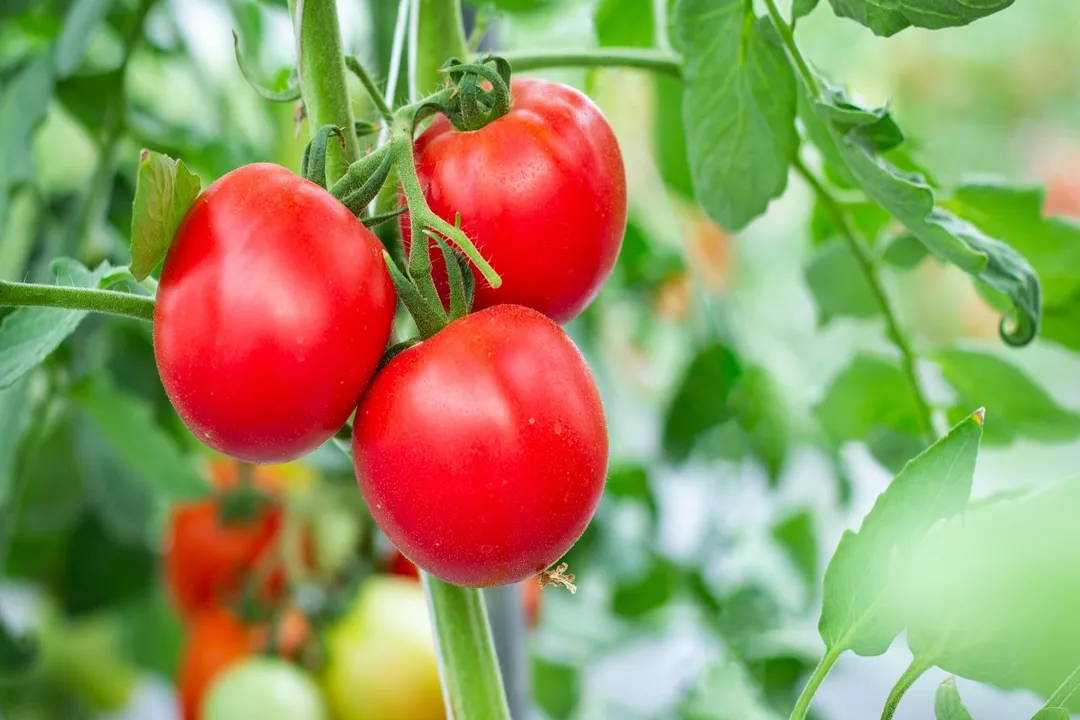
The primary nutritional star within the tomato family is lycopene, the carotenoid pigment responsible for that brilliant red hue. This compound is not merely a coloring agent; it is a potent antioxidant that actively protects human cells from damage inflicted by unstable molecules known as free radicals. The defensive nature of lycopene extends to protecting the tomato itself from the sun's ultraviolet rays, a protective mechanism mirrored within our own biology.
The health implications of sufficient lycopene intake are substantial, particularly concerning chronic diseases. Observational studies consistently suggest links between higher tomato consumption—including concentrated products—and a reduced incidence of certain cancers, specifically prostate, lung, and stomach cancers. Furthermore, research indicates that high concentrations of carotenoids, which include lycopene, may offer protection against breast cancer in women.
When we consider the Costoluto Fiorentino, its ideal culinary application directly supports the bioavailability of lycopene. While fresh tomatoes provide excellent nutrition, cooking tomatoes—especially when they are slow-roasted or turned into a rich sauce, as the Fiorentino excels at—actually enhances the body's ability to absorb and utilize lycopene.
Lycopene is also a significant factor in cardiovascular wellness. Clinical evidence points toward its role in potentially lowering levels of LDL, or "bad" cholesterol, while also helping to regulate blood pressure. By easing inflammation and protecting the delicate inner lining of blood vessels, regular lycopene consumption contributes to maintaining healthy circulation and may decrease the risk of debilitating events like strokes.
# Beyond Red Pigment Essential Vitamins and Minerals
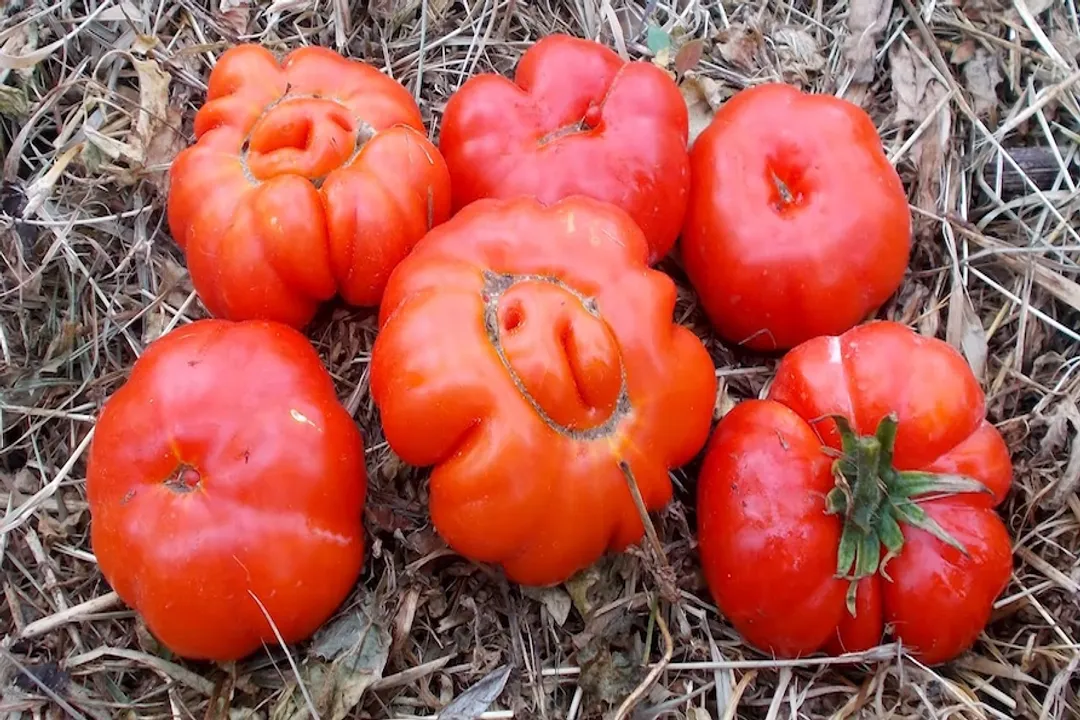
While lycopene captures the spotlight, the Fiorentino tomato is a well-rounded source of essential micronutrients vital for daily function. A medium tomato provides notable amounts of several key players:
# Cardiovascular Support
Tomatoes are a good source of potassium, a mineral that plays an important role in balancing fluids and maintaining healthy blood pressure levels, which is a known protective factor against heart disease. Coupled with folate (Vitamin B9), which is necessary for proper cell function and tissue growth, the tomato supports overall circulatory health. Some research even links the consumption of tomato products to a decreased risk of blood clotting, another factor in cardiovascular defense.
# Immunity and Repair
Vitamin C is abundant in tomatoes, making them allies for the immune system. This essential nutrient is not only an antioxidant itself but is also critical for the production of collagen. Collagen is the scaffolding protein that keeps skin firm, youthful, and aids in the repair of damaged tissues. By boosting collagen, the dietary inclusion of Fiorentino tomatoes supports skin integrity from the inside out.
# Vision and Bone Density
The carotenoids lutein and zeaxanthin are present in tomatoes and perform a protective function specifically for the eyes. They act as internal shields against damaging blue light emitted from digital screens and even the sun’s UV rays. Over the long term, this support is believed to help stave off age-related macular degeneration, a leading cause of vision loss in many regions. Furthermore, Vitamin A, derived from beta-carotene in the tomato, is foundational for good vision.
For structural health, tomatoes offer a synergistic combination of Vitamin K1 and calcium. Vitamin K is crucial because it aids in proper blood clotting and significantly contributes to increasing bone mineral density. When combined with calcium, this duo helps maintain overall skeletal strength and may play a role in preventing conditions like osteoporosis.
# The Art of Bioavailability Pairing

A crucial aspect of maximizing the health advantages of the Fiorentino is understanding how we consume it, a point where this Italian heirloom truly shines due to its preparation style. Nutrients are only beneficial if the body can process them, and tomatoes require specific partners to unlock their full potential.
The absorption of lycopene, for instance, is significantly enhanced—studies suggest by up to four times—when consumed alongside a source of dietary fat. This is why traditional Italian servings, such as a Caprese salad featuring fresh Fiorentino slices drizzled with extra virgin olive oil or paired with mozzarella cheese, are not just delicious; they represent an intentional, nutritionally optimized pairing. The fat acts as a carrier, increasing the compound’s uptake into the body.
Simultaneously, the heat treatment recommended for the Costoluto Fiorentino offers a different kind of benefit. Cooking breaks down the tomato's tough cell walls, releasing the bound lycopene, making it more readily available than in raw form.
| Preparation Method | Primary Nutrient Boost/Effect | Absorption Helper Needed | Primary Culinary Use |
|---|---|---|---|
| Raw Slice (e.g., Sandwich) | High Vitamin C, fresh flavor | Fat (e.g., Olive Oil) | Slicing, Salads |
| Slow-Roasted/Sauce (Fiorentino Specialty) | Maximized Lycopene availability | Fat (e.g., cooking oil) | Rich Sauces, Preserves |
# Cultivation and Quality Over Convenience
The Fiorentino's status as an heirloom invites a consideration of its provenance versus conventionally grown produce. Heirlooms prioritize flavor and genetic diversity; they are time-tested because they delivered exceptional taste, not because they survived mechanical harvesting. The genetic selection process for heirlooms focuses on desirable traits like juiciness and specific flavor characteristics, often resulting in thinner skins that are more fragile. The trade-off, as noted by gardeners, is that these desirable traits sometimes come with increased susceptibility to issues like cracking or blossom end rot when growing conditions are less than perfect, a common challenge when babying an heirloom variety.
This inherent vulnerability represents a deliberate choice: sacrificing the uniformity and hardiness of hybrids for unparalleled flavor and, potentially, a richer tapestry of nutrients accumulated through natural, sun-ripened growth. When a farmer or home gardener chooses the Costoluto Fiorentino, they are choosing a food item whose purpose is sensory enjoyment and historical preservation, not shelf stability. This commitment to vine-ripening ensures that nutrients, which can degrade during long commercial shipping processes, are at their peak when the tomato reaches the plate.
An interesting point to consider is how the deep, complex flavor profile—often associated with older varieties that maintain higher levels of acidity alongside sweetness—might affect overall dietary compliance. Many people find that a more flavorful tomato reduces the need to compensate by adding excessive salt or sugar in recipes, such as store-bought sauces or ketchups, which often contain high amounts of those additives. By savoring the natural depth of a Fiorentino sauce, one is naturally steering toward a lower sodium and lower sugar intake within that meal structure.
# Actionable Integration of Fiorentino Benefits
To genuinely incorporate the Costoluto Fiorentino into a health-conscious routine, it is wise to employ a strategy that utilizes both its fresh slicing qualities and its cooking potential. You do not have to choose one method over the other; in fact, using both maximizes your nutrient capture.
Here is a practical guideline for seasonal utilization:
- The Raw Dose: During peak season, slice thick pieces of raw Fiorentino for sandwiches or light appetizers. Always pair this with a small source of healthy fat—a few shavings of quality Parmesan cheese or a drizzle of unheated, flavorful olive oil—to immediately boost lycopene and fat-soluble vitamin uptake. The high Vitamin C content supports immediate immune function and skin repair when eaten fresh.
- The Cooked Concentrate: Reserve the majority of your harvest for slow roasting or simmering into a rich passata or sauce, which is the Fiorentino’s destiny. This cooking process increases lycopene bioavailability significantly. When making the sauce, ensure you are using a quality oil during the cooking stage, which further aids absorption and provides heart-healthy monounsaturated fats.
- The Daily Density Check: Given that tomatoes are low in calories (around 18 per 100 grams) and primarily water (about 95%), you can consume substantial volumes without impacting caloric intake drastically, allowing for higher concentrations of minerals like potassium and folate necessary for blood pressure regulation. Aim to have a tomato serving—raw or cooked—at least once daily to maintain consistent intake of these protective compounds.
By appreciating the Costoluto Fiorentino not just as a specialty item but as a highly nutritious food, you honor the gardening tradition that preserved it. Its dense flesh and intensely developed flavor make it a superior vehicle for delivering foundational nutrients like lycopene, potassium, and Vitamins A, C, and K, contributing positively to cardiovascular, cellular, and skeletal health.
Related Questions
#Citations
costoluto fiorentino-tomato - Territorial Seed
The Health Benefits of Tomatoes - WebMD
The Benefits of Heirloom Tomatoes? - Growing Fruit
Tomatoes: A Red Guide to the Varieties That Make Italian Cuisine ...
Tomatoes 101: Nutrition Facts and Health Benefits - Healthline
6 Reasons to Eat More Tomatoes | St. Vincent's Medical Center
Costoluto Genovese & Costoluto Fiorentino | Wow Italian Food