Health Benefits of German Butterball Potato

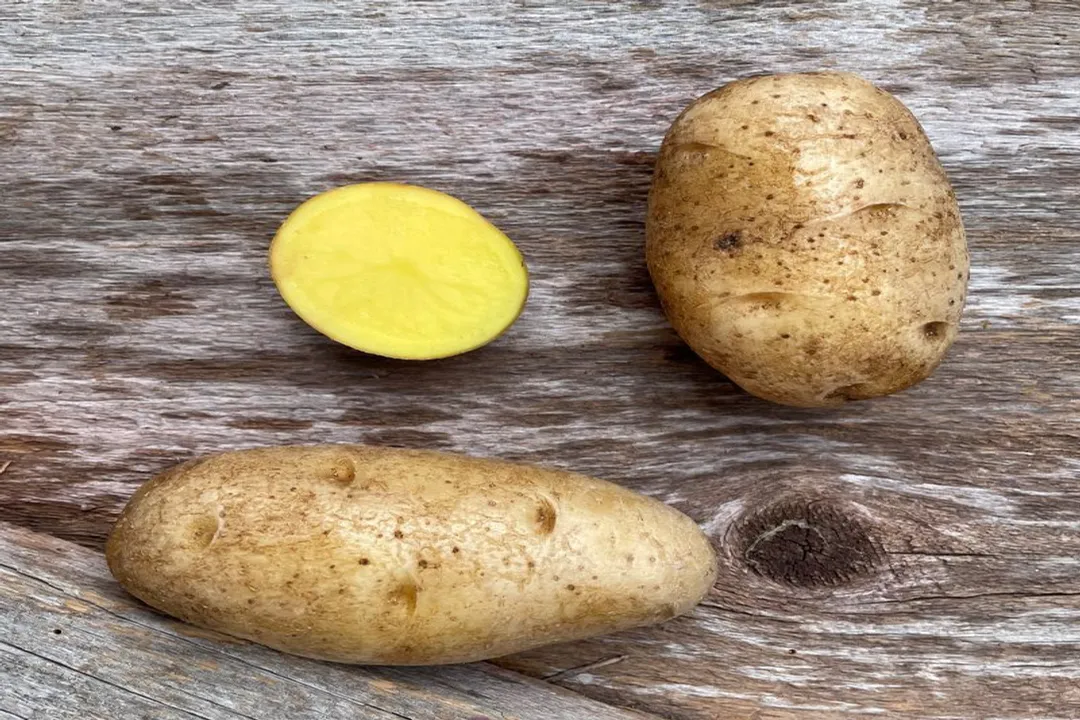
The German Butterball potato has earned its place in gardens and kitchens not just for its reliable harvest, but for a creamy texture that many home cooks seek out when preparing favorite dishes. This particular heirloom variety stands out in the vast world of Solanum tuberosum with its distinct appeal, promising an earthy, buttery, and slightly nutty flavor profile when cooked. Before diving into how this spud fits into a health-conscious diet, it’s worth noting its physical traits: a smooth exterior with yellow or tan skin, shallow eyes, and pure white flesh. As a late-season heirloom, it is also known for keeping well in storage, a practical benefit for any home pantry.
# Variety Traits
The German Butterball is classified as an heirloom, a designation that often implies a connection to older farming traditions and unique flavor characteristics compared to modern hybrids. Its desirable characteristics make it an excellent all-purpose potato. Sources consistently point to its suitability for boiling, mashing, and baking, suggesting a starch content that breaks down nicely without becoming overly dry. Even the casual fry enthusiast notes that its texture lends itself perfectly to that preparation method.
# Essential Nutrients
Potatoes, including this specific yellow-skinned variety, form a surprisingly dense source of several key micronutrients essential for bodily function. They are naturally free of both fat and sodium, making them an easy addition to many dietary patterns. When looking at the mineral content, the potato shines, offering significant amounts of Potassium. In fact, a single serving can provide more potassium than a banana, a fruit often highlighted specifically for that mineral.
Beyond minerals, potatoes are powerhouses for certain B vitamins and Vitamin C. They provide a good measure of Vitamin B6, which is important for protein metabolism and red blood cell formation, and are well-regarded for their Vitamin C content, which supports immune function. While many people turn to citrus for Vitamin C, the potato offers a substantial, readily available source. Furthermore, beyond the well-known vitamins and minerals, these tubers contain beneficial compounds such as flavonoids and carotenoids, which function as antioxidants within the body.
# Fiber and Gut Health
One area where potatoes frequently get overlooked is their contribution to dietary fiber, much of which resides in the skin. Consuming the German Butterball with its skin left intact significantly boosts the fiber intake from that serving. However, the fiber story has an interesting layer when considering cooking and cooling. When potatoes are cooked and then allowed to cool, some of their starch transforms into Resistant Starch. This is a functional carbohydrate that resists digestion in the small intestine, behaving much like soluble fiber. This resistant starch then travels to the large intestine where it feeds beneficial gut bacteria, effectively acting as a prebiotic. This process can support digestive health and influence blood sugar regulation post-meal.
# Preparation Methods Versus Benefits
The inherent nutritional value of the German Butterball potato can be significantly altered by how it is prepared. While boiling and mashing are excellent ways to enjoy the creamy texture of this variety and retain much of its nutritional profile—especially if the cooking water is utilized in the mash—deep-frying introduces high levels of fat. This drastically changes the final macronutrient composition, moving it away from the naturally fat-free status it holds when baked or boiled.
If the goal is to maximize the prebiotic benefits mentioned above, the sequence of cooking matters greatly. To achieve a higher concentration of resistant starch, one must cook the German Butterballs until tender and then chill them completely before reheating them gently or eating them cold. For instance, making a German Butterball potato salad, prepared with a light vinaigrette rather than a heavy mayonnaise dressing, would be a prime example of capturing both the texture and the prebiotic advantages in one serving.
It is also important to remember that consuming large quantities rapidly, or eating them when they are still very hot and freshly processed (like thinly sliced chips), can lead to faster glucose absorption. Therefore, managing portion size and preparation method is the key practical step a reader can take to ensure the health benefits of this heirloom outweigh any potential blood sugar impact.
# Storage Quality and Nutrient Retention
Since the German Butterball is a late-season variety prized for its ability to store well, understanding storage conditions is important for maintaining both culinary quality and nutrient density. Potatoes are living organisms, and improper storage impacts their composition. When potatoes are exposed to light, or kept in warm environments, their starches can begin converting to simple sugars, which affects flavor and texture. For the home grower or consumer who purchases a large bag of these superior keepers, the best practice involves keeping them in a cool, dark, and well-ventilated space, such as a root cellar or a dark pantry shelf, rather than the refrigerator, to slow down these internal conversion processes. Maintaining this cool, dark storage environment helps ensure that when you finally boil, mash, or roast your German Butterballs, you are getting the maximum intended flavor and the full complement of nutrients like Vitamin C and B6 that are sensitive to heat and time. This longevity means that enjoying the earthy, buttery taste of this heirloom is not limited to a short seasonal window, offering sustained access to its nutritional value throughout the cooler months.
Related Questions
#Citations
German Butterball Potatoes Information and Facts
Potatoes - Nebraska - UNL Food
7 Health and Nutrition Benefits of Potatoes
Potato health benefits and why you should eat more spuds
German Butterball Seed Potato - Organic
Organic Non-GMO German Butterball Potato
German Butterball Potato, ORGANIC
German Butterball Potato Is an Annual 🥔
HEALTH BENEFITS OF POTATOES
Trying new potato varieties for flavor and storage