What specific water-soluble pigments are responsible for the deep violet color and nutritional advantages of the Vitelotte potato over paler varieties?
Answer
Anthocyanins
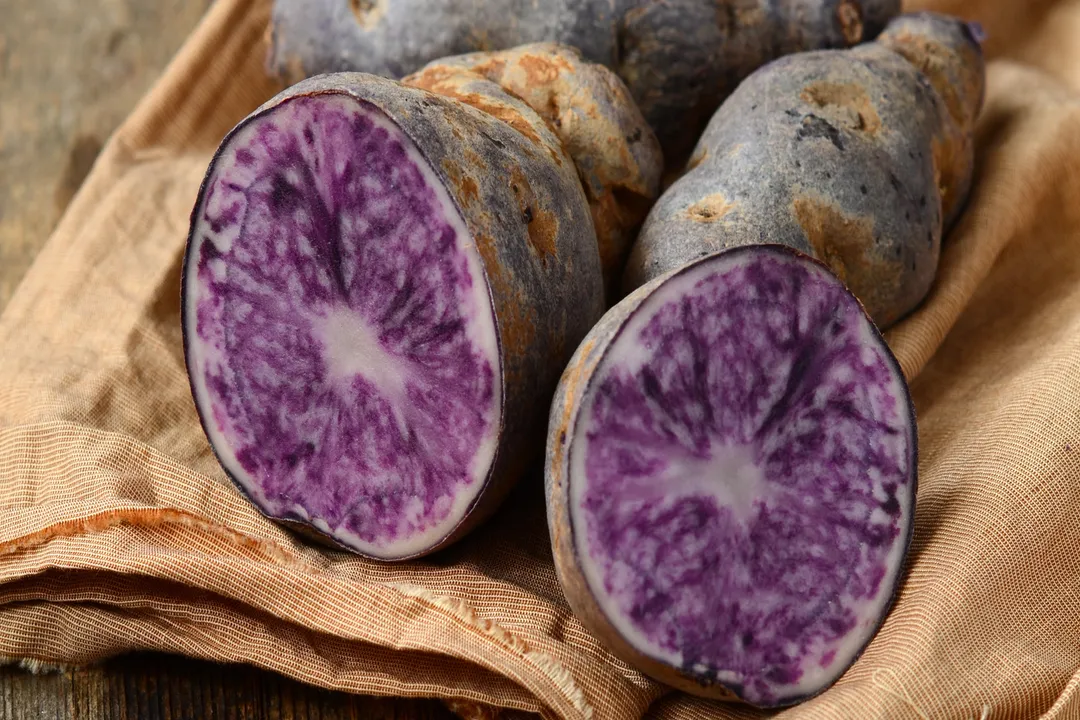
The intense pigmentation characterizing the Vitelotte potato, distinguishing it nutritionally from white-fleshed types, is attributed to the presence of anthocyanins. These compounds are classified as water-soluble pigments belonging to the broader category of phenolic compounds. Anthocyanins are widely known for imparting red, crimson, blue, and purple hues across various parts of the plant kingdom, including fruits, flowers, and vegetables. Their presence in the Vitelotte flesh directly correlates with significantly elevated levels of beneficial phytonutrients, such as higher Total Phenolic Content (TPC) and Total Flavonoid Content (TFC), making the color a reliable indicator of enhanced nutritional density.
Related Questions
What specific water-soluble pigments are responsible for the deep violet color and nutritional advantages of the Vitelotte potato over paler varieties?According to research comparing purple-fleshed and white-fleshed potatoes, how much greater was the antioxidant activity observed in the purple variety when measured gram-for-gram?What tangible cardiovascular benefit was observed in healthy adults consuming an anthocyanin-rich potato variety for four weeks in one human trial concerning blood pressure regulation?When resistant starch from Vitelotte travels to the large intestine, what vital short-chain fatty acid (SCFA) is produced through fermentation by beneficial gut bacteria?Compared to yellow and white potatoes, what was the specific Glycemic Index ($ ext{GI}$) value measured for purple potatoes in the referenced comparison study?Which two specific acylated anthocyanins have been identified as being present within the purple flesh of the Vitelotte potato?In the established ranking of macro and micro minerals found in purple potato flour (PPF) versus yellow potato flour (YPF), which mineral holds the dominant position across both samples?What specific preparation technique involving cooking followed by chilling is recommended to significantly increase the content of resistant starch in Vitelotte potatoes?In analyses where purple potato extracts were tested *in vitro*, against which undesirable bacterium was the inhibitory effect observed to be stronger than that of the antibiotic drug chloramphenicol in that specific test?What colorless polyphenol, which can constitute up to 80% of the total polyphenols in the tuber, is found in higher concentrations in the purple flesh of the Vitelotte?When comparing the total dietary fiber percentage on a dry weight basis between processed purple potato flour (PPF) and yellow potato flour (YPF) in one study, which flour sample exhibited the higher yield?